


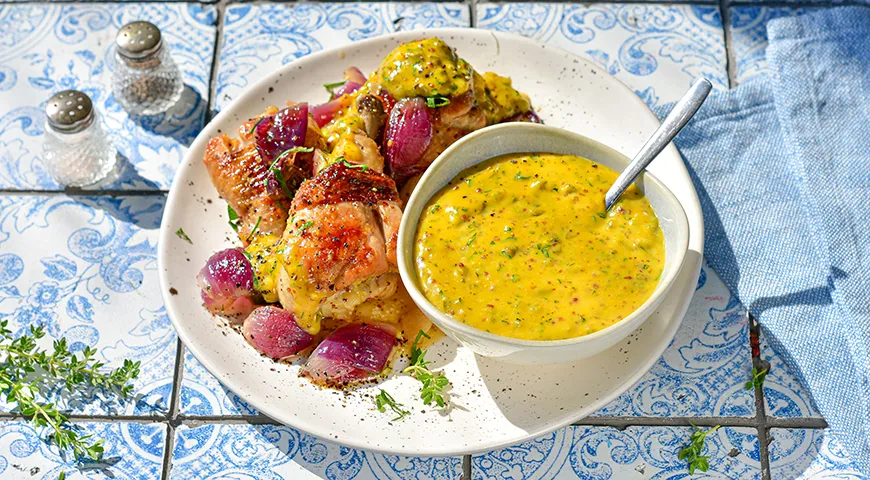
There is something profoundly satisfying about crafting a condiment from scratch—especially one as versatile and beloved as tartar sauce. This homemade version elevates simple steamed or fried fish into a dish worthy of a fine restaurant. With just a handful of fresh ingredients and a little patience, you can create a sauce that is creamy, tangy, and bursting with herbaceous notes. No artificial thickeners or preservatives, just pure, honest flavor. Whether you are a seasoned home cook or a curious beginner, this recipe will reward you with a sauce that transforms everyday meals.
About Homemade Tartar Sauce
Tartar sauce is a classic French mother sauce, traditionally served with seafood. Its name derives from the Tatars, who were known for their love of tangy condiments. The homemade version we present here uses hard-boiled egg yolks as a base—an old-time technique that yields an exceptionally rich emulsion without raw eggs. The addition of both smooth and whole-grain mustard provides a subtle heat, while cornichons (baby pickles) add a delightful crunch. Fresh parsley and a hint of garlic round out the flavor profile. This sauce is not only perfect with fish—try it with crab cakes, fried chicken, or even as a dip for roasted vegetables. For the best results, use high-quality ingredients and a reliable immersion blender to achieve that silky consistency.

Ingredients
- 4 hard-boiled egg yolks (cooked until firm)
- ½ teaspoon hot mustard
- 1 tablespoon whole-grain mustard
- 180 ml olive oil (extra virgin for depth, or a neutral oil for a lighter taste)
- Juice of 1 medium lemon
- 60 g pickled cornichons (about 5–6 small pickles)
- 1 small garlic clove
- 1 small bunch fresh parsley
- Salt to taste
All ingredients should be at room temperature for the best emulsion. If you are using a food processor, it will work too, but an immersion blender gives you more control over the texture.
Step-by-Step Instructions
- Prepare the egg yolk base. Place the hard-boiled egg yolks in a deep bowl and mash them thoroughly with a fork or potato masher. Add both types of mustard—the hot mustard for a kick and the whole-grain for texture. Using a non-toxic immersion blender, blend until the mixture is completely smooth and homogeneous.
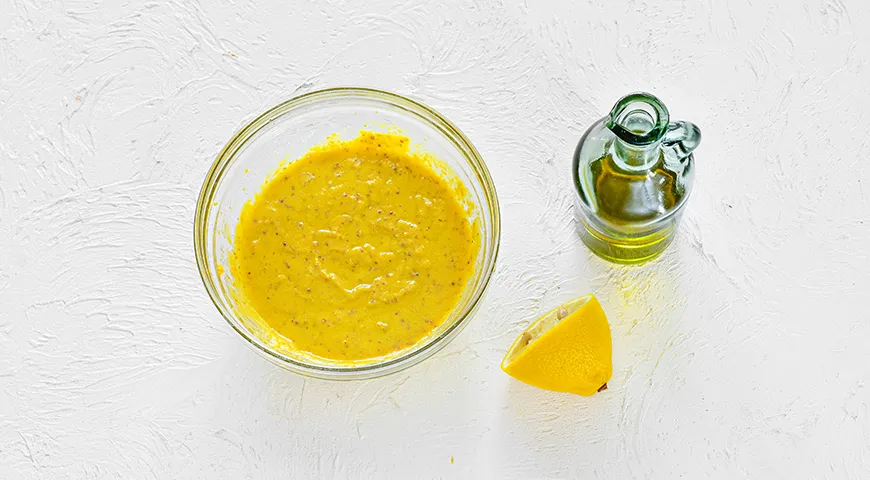
- Emulsify with olive oil. With the immersion blender running at low speed, slowly drizzle in the olive oil, one tablespoon at a time. This gradual addition ensures a creamy, thick emulsion. Once all the oil is incorporated, add the fresh lemon juice and blend again until the sauce is smooth and glossy. If you prefer an extra-lite mouthfeel, use a fine oil sprayer to introduce the oil in a fine mist.
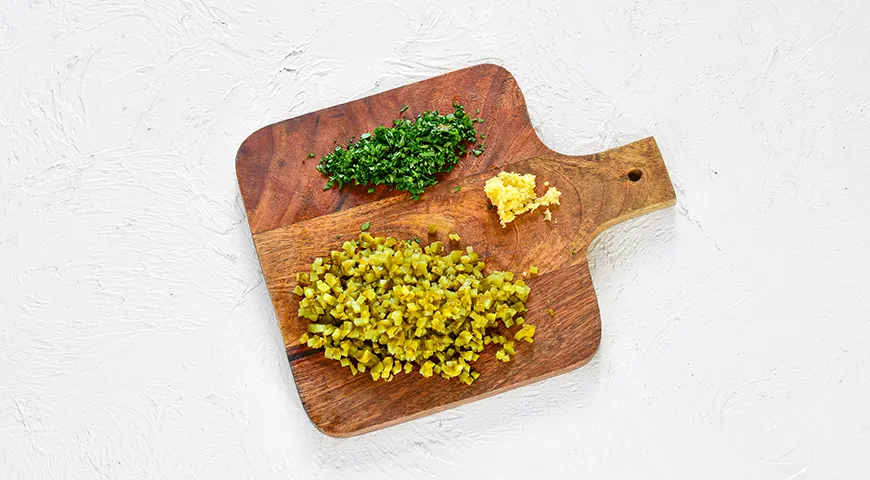
- Chop the pickles and herbs. Finely dice the cornichons into tiny cubes—they should be barely visible but provide a pleasant crunch. Peel and press the garlic clove through a garlic press. Wash the parsley thoroughly, dry it well, and chop the leaves very fine. For an even dice, you can use a glass food processor with a small bowl attachment.
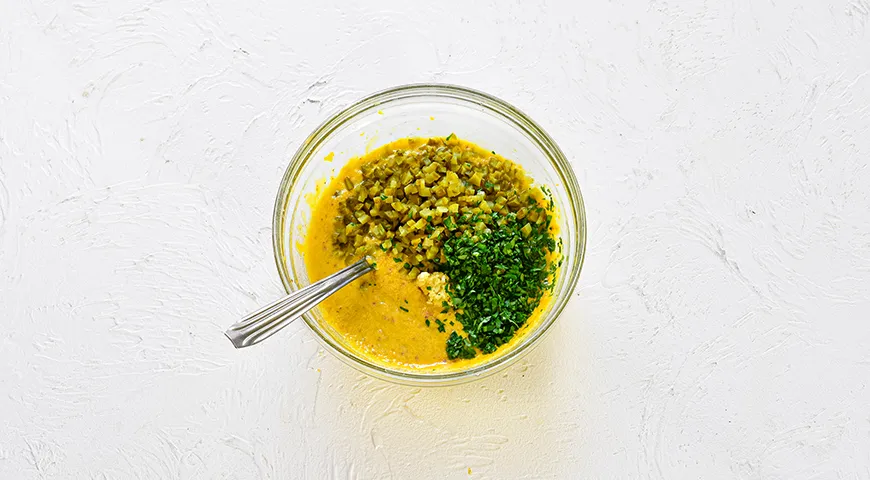
- Combine and rest. Fold the chopped cornichons, garlic, and parsley into the yolk-oil mixture. Add salt to taste—start with a pinch and adjust. Stir very well to distribute the ingredients evenly. Let the sauce sit at room temperature for 20 minutes to allow the flavors to meld. During this time, you can prepare your fish or other accompaniments. A non-toxic air fryer is ideal for quickly cooking a fillet of cod or halibut with minimal oil. After resting, give the sauce one final stir and serve.

Tips for Perfect Tartar Sauce
- Room temperature matters: Cold ingredients can cause the emulsion to break. Let your eggs and oil sit out for 30 minutes before starting.
- Use a gentle hand with oil: Pouring too quickly can make the sauce thin. A slow, steady stream is key. If you have a planetary mixer, you can use the whisk attachment on low speed for a hands-free emulsion.
- Adjust acidity: Lemon juice can vary in strength. Taste and add more if you like a tangier sauce.
- Storage: Store in a glass container (check best glass containers) in the refrigerator for up to one week. The flavors will deepen overnight.
- Rescue a broken sauce: If your sauce separates, blend in one tablespoon of warm water or a new egg yolk while whisking vigorously.
Variations and Serving Suggestions
This basic recipe is endlessly adaptable. Replace the parsley with fresh dill or chives for a different herbaceous note. Add a teaspoon of capers (rinsed and chopped) for an extra briny pop. For a smoky twist, stir in a pinch of smoked paprika. If you prefer a lighter version, substitute half the olive oil with a neutral oil like grapeseed. Serve your homemade tartar sauce with pan-seared salmon—cooked quickly in a microwave pressure cooker for a tender result—or alongside crispy potato wedges. For a complete seafood feast, pair with a glass of sweet white wine or a chilled organic vodka cocktail. And after dinner, indulge in a small bowl of chocolate-covered raisins for a sweet contrast.
Frequently Asked Questions
Can I use raw egg yolks instead of hard-boiled?
Yes, but for safety reasons we recommend using pasteurized eggs if you choose that route. Hard-boiled yolks give a thicker, more stable sauce and eliminate any risk of salmonella. If you do use raw yolks, ensure they are very fresh and blend with a quality immersion blender that can handle the job.
How long does homemade tartar sauce keep?
Stored in an airtight container in the refrigerator, it will stay fresh for up to seven days. Do not freeze, as the emulsion may break upon thawing. For longer storage, consider canning—though the texture will change. An electric steam canner makes this process simple if you want to preserve a large batch.
Can I make this sauce dairy-free?
Absolutely. This recipe contains no dairy. For extra richness, you can add a tablespoon of unsweetened coconut cream—but it’s not necessary. Pair with fish cooked in a non-toxic air fryer for a completely lactose-free meal.
What can I serve tartar sauce with besides fish?
It is wonderful with fried chicken, shrimp, crab cakes, roasted vegetables, or even as a spread for sandwiches and burgers. For a unique appetizer, drizzle over zucchini fritters made in an ice maker machine? (Well, perhaps not—but the sauce pairs well with any crispy food.)
Why did my sauce become thin?
This usually happens if the oil was added too quickly or the ingredients were cold. To fix it, place the bowl in a warm water bath for a few seconds and whisk, or blend in one more hard-boiled yolk. A wheatgrass juicer won’t help here, but an immersion blender will.
Can I double this recipe?
Yes, simply increase all ingredients proportionally. Use a larger bowl and a best planetary mixer if you are making a very large quantity. The resting time remains the same.
This homemade tartar sauce is more than a condiment—it’s a testament to the power of fresh, simple ingredients. Once you taste it, you’ll never settle for the jarred version again. Enjoy it with your favorite seafood, and feel free to experiment with the variations. For more inspiration, explore our collection of Catalan sponge cake recipes to round out your meal with a light dessert.







