


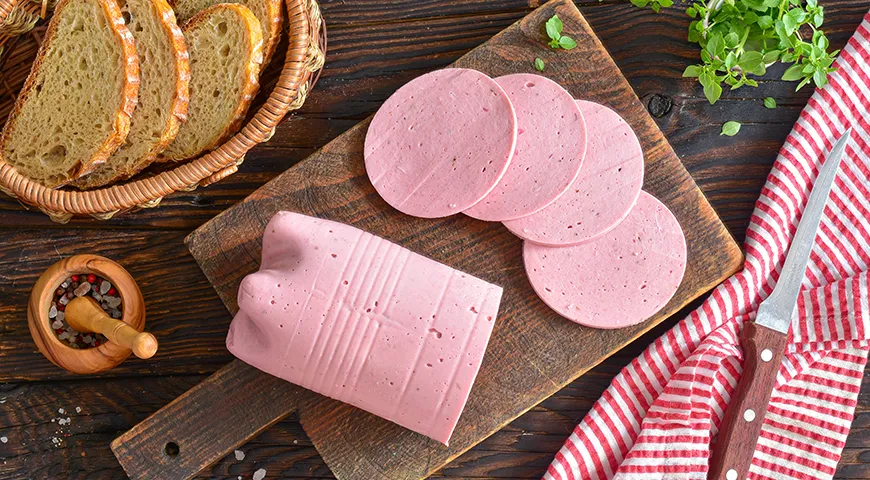
Transform humble chicken parts into a spectacular homemade sausage that rivals the finest charcuterie. This ingenious Russian technique uses a plastic bottle as a mold, gelatin for structure, and beetroot juice for a natural rosy hue. The result? A tender, sliceable chicken sausage perfect for breakfast boards, lunchboxes, or gourmet appetizers. With just a few simple ingredients and a non-toxic immersion blender to purée the mixture into a silky forcemeat, this recipe elevates home cooking to an art form.
About This Recipe
This homemade sausage is a celebration of resourcefulness and flavour. Originating from home kitchens across Russia, it was born from the desire to use every part of the chicken and create a preservative‑free alternative to store‑bought sausages. The addition of gelatin not only sets the sausage into a perfect loaf but also enriches the texture with a delicate, melt‑in‑the‑mouth quality. Beetroot juice replaces artificial colourings, lending a natural blush that makes each slice as beautiful as it is delicious. Serve it cold, pan‑seared until golden, or add slices to salads and sandwiches for a protein‑packed boost.

Ingredients
- 500 g chicken drumsticks
- 1 kg chicken thighs
- 500 g chicken fillet on the bone
- 100 g onion
- 200 g carrot
- 2 bay leaves
- 35 g gelatin
- 150 g boiled beetroot
- Freshly ground black pepper, to taste
- Salt
For the best results, choose free‑range or organic chicken. The combination of dark and white meat ensures a juicy, flavourful sausage. If you prefer a leaner version, replace some thighs with extra breast meat, but keep the total weight consistent.
Step‑by‑Step Instructions
Step 1: Prepare the Chicken and Broth
Wash the chicken drumsticks, thighs, and fillet under cold water. Place them in a large pot and add enough water to cover the chicken by at least 1 cm. Bring to a vigorous boil over high heat, then use a slotted spoon to skim off any foam that rises. This step is crucial for a clear, clean‑tasting broth.
Step 2: Simmer with Aromatics
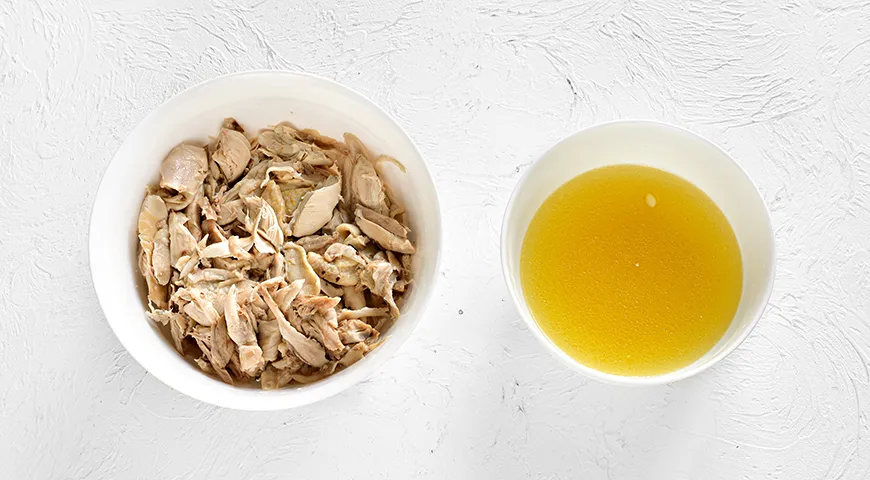
Add the peeled onion and carrot, bay leaves, and 1 teaspoon of salt to the pot. Reduce the heat to low and let the broth simmer gently for 1 hour. The slow cooking extracts deep flavour from the bones while keeping the meat tender. If you own a microwave pressure cooker, you can cut the time in half—simply follow the manufacturer's instructions for poultry.
Step 3: Separate and Hydrate Gelatin
Strain the broth through a fine‑mesh sieve into a bowl. Measure out 300 ml—the rest can be saved for soup or sauces. Sprinkle the gelatin over the measured broth and stir well. Let it stand for 15 minutes to bloom. Meanwhile, remove all the meat from the bones and place the shredded meat in a large mixing bowl. Discard the bones and cooked vegetables.
Step 4: Add Beetroot Juice
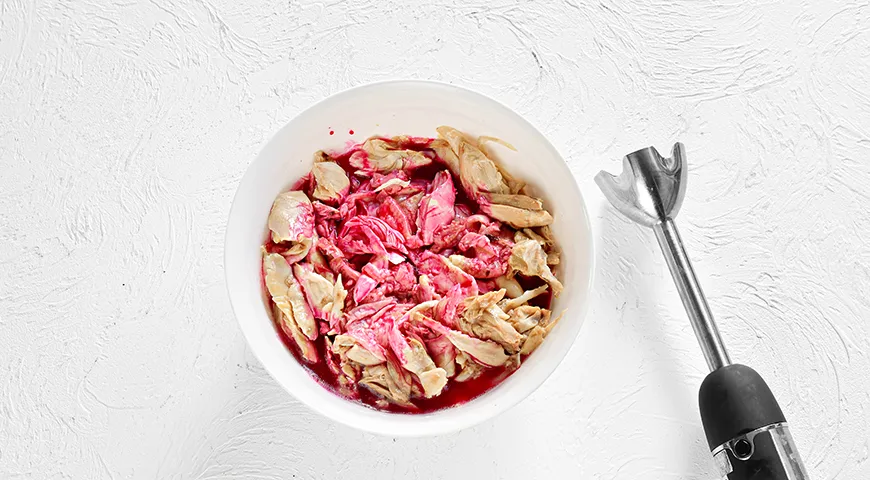
Finely grate the boiled beetroot. Place the gratings in the centre of a double layer of cheesecloth and squeeze firmly to extract the juice. You should obtain 2–3 tablespoons of vibrant red liquid. Add both the beetroot juice and the gelatin‑broth mixture to the bowl with the chicken meat. The natural colour not only mimics traditional cured sausage but also adds a subtle earthy sweetness.
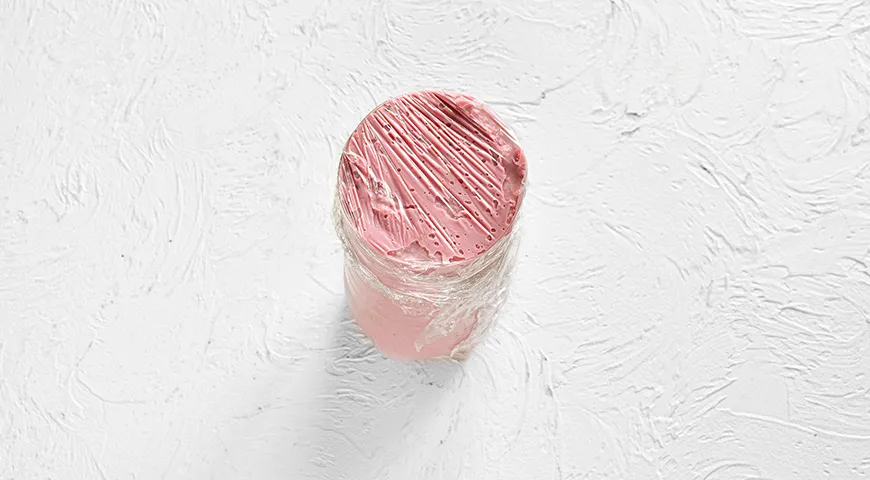
Step 5: Blend to a Smooth Paste
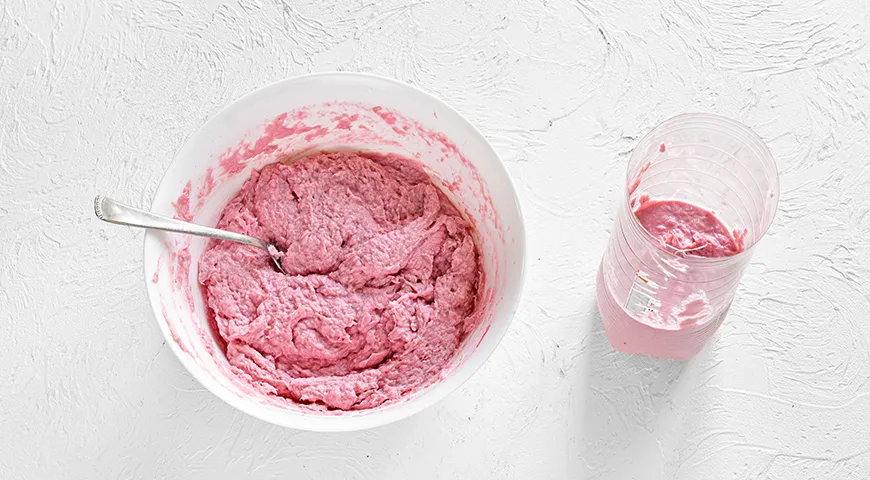
Using an immersion blender or a standing blender, blitz the chicken mixture until completely smooth. This may take 1–2 minutes, depending on your appliance. Season generously with salt and freshly ground black pepper. Taste a small amount (it's safe after cooking) and adjust seasoning. The mixture should be thick and slightly sticky.
Step 6: Fill the Bottle and Chill
Take a clean 1.5‑litre plastic bottle and cut off the top portion so you have a wide opening. Spoon the blended sausage mixture into the bottle, pressing down to remove any air pockets. Firmly tap the bottle on the counter several times—this consolidates the filling and eliminates trapped bubbles. Cover the opening tightly with plastic wrap. Refrigerate overnight (at least 8 hours) to allow the gelatin to set completely. The next morning, carefully slit the bottle with a sharp knife, peel away the plastic, and turn out the sausage. Slice into rounds of your desired thickness.
Tips for Perfect Homemade Sausage
- Use a food scale: Accurate meat weights ensure the correct gelatin‑to‑liquid ratio.
- Don't skip the tapping: Air pockets lead to an uneven texture and unattractive holes in the final slice.
- For extra richness: Add 1–2 tablespoons of olive oil or butter before blending—this mimics the fat content of traditional sausages.
- Chill thoroughly: An ample refrigerator with stable temperature is key to a clean set.
- Spice it up: Incorporate crushed garlic, paprika, or dried herbs like thyme and rosemary for a custom flavour profile.
Variations to Explore
This technique is endlessly adaptable. Replace chicken with turkey or duck for a richer taste. Substitute boiled beetroot juice with carrot or tomato juice for different hues. For a spicier version, add a pinch of cayenne or smoked paprika. If you're a fan of deli‑style loaves, try layering the mixture with chopped pistachios or dried cranberries before filling the bottle. For a complete meal, serve slices alongside a crisp salad dressed with a fine mist of extra‑virgin olive oil.
Frequently Asked Questions
Can I use boneless, skinless chicken breasts only?
Yes, but the sausage will be leaner and may be slightly drier. For best texture, include at least some dark meat or add a tablespoon of avocado oil to the blend.
Is it safe to use a plastic bottle as a mold?
Absolutely, as long as you use a clean, food‑grade bottle. Avoid bottles that have held chemicals or strong solvents. The sausage is refrigerated, not heated inside the plastic.
How long does the sausage keep in the refrigerator?
Stored in an airtight container, it stays fresh for 5–7 days. For longer storage, wrap tightly and freeze for up to 3 months. Thaw overnight in the fridge before slicing.
Can I make this sausage without gelatin?
Gelatin is essential for the sliceable texture. Without it, the mixture would remain loose. If you prefer a vegetarian option, try agar‑agar, but note that the ratio differs—use about half the amount.
What's the best way to serve this sausage?
Slice cold and enjoy on rye bread with mustard and pickles, or pan‑fry slices until crispy for a hot breakfast. It also makes a stunning addition to a cheese board.
Why did my sausage turn out watery?
This usually happens if the gelatin wasn't fully dissolved or if the broth was too thin. Ensure you measure exactly 300 ml of concentrated broth and let the gelatin bloom completely before blending.
Final Thoughts
This homemade chicken sausage with gelatin is a testament to the magic of simple techniques. By harnessing the power of broth, gelatin, and a humble bottle, you create a gourmet product that's free from additives and full of love. Whether you're an experienced home cook or a curious beginner, this recipe invites you to explore the world of artisanal charcuterie. Pair a slice with a glass of sweet wine for an unexpected but delightful combination. And remember, the key to success lies in patience—let the sausage rest overnight, and you'll be rewarded with a perfect, sliceable masterpiece.







