


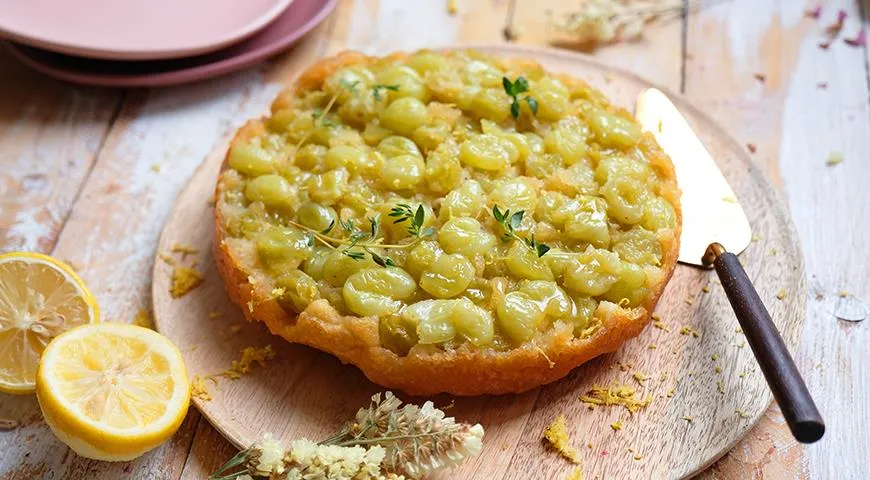
In Russia, few desserts evoke nostalgia like sharlotka—a humble apple sponge cake that conjures memories of summer dachas and grandmother's kitchen. But why limit yourself to apples? This Grape Charlotte introduces a sophisticated twist, featuring juicy white grapes suspended in a tender, olive oil‑enriched batter and crowned with a luscious grape syrup. The result is a dessert that balances sweetness with a subtle herbaceous note, perfect for both casual gatherings and elegant dinners. Using a reliable food processor for prep can streamline the process, but a simple whisk and bowl work beautifully too.
About This Recipe
Traditional sharlotka relies on apples for moisture and flavor. This version swaps them for white grapes, whose natural sweetness intensifies during baking. A quick syrup made from grape juice or wine, reduced with sugar and fresh thyme, creates a glossy base that caramelizes as the cake bakes. When inverted, the grapes form a jewel‑like topping. The olive oil in the batter adds fruity depth and a tender crumb, making the cake exceptionally moist. For those who enjoy experimenting with textures, an immersion blender can help achieve a silky syrup consistency, though a whisk works well.

Ingredients
- 300 g white grapes
- 180 g all‑purpose flour
- 160 g sugar
- 4 large eggs
- 6 tbsp olive oil
- 1 tsp baking powder
- 1 tsp grated lemon zest
- 200 g additional sugar (for syrup)
- 1 sprig fresh thyme
- 200 ml grape juice or dry white wine
Select seedless grapes for easier eating. If using wine, choose a fruity variety—a sweet wine with high alcohol content can deepen the syrup’s complexity. Olive oil should be mild; robust oils may overpower the delicate grape flavor.
Step‑by‑Step Instructions
1. Prepare the oven and pan. Preheat oven to 180°C. Line a 22 cm round cake pan with parchment paper, extending the paper 3–4 cm above the rim to create a collar. Separate grapes from stems and set aside.
2. Make the grape syrup. In a saucepan, combine grape juice or wine with 200 g sugar. Bring to a boil over high heat, then reduce to medium and cook for 8 minutes. Add the thyme sprig, increase heat to high, and cook for another 3 minutes until the syrup thickens slightly. Remove from heat, discard thyme, and pour the syrup into the prepared pan. Distribute the grapes evenly over the syrup.
3. Prepare the batter. In a large bowl, whisk eggs, lemon zest, and 80 g of sugar until pale and frothy, about 3 minutes. With the mixer running, slowly stream in the olive oil and continue beating for 30 seconds. Sift flour and baking powder over the mixture, then fold gently to combine. A planetary mixer makes this step effortless, but a handheld mixer works fine.
4. Assemble and bake. Pour the batter over the grapes and syrup in the pan—do not stir. Bake for 40–45 minutes, until the top is golden brown and a skewer inserted in the center comes out clean.
5. Cool and invert. Remove from oven and let the cake cool in the pan for 10 minutes. Trim the parchment collar, then carefully invert the cake onto a serving platter. Peel off the parchment. Garnish with extra grated lemon zest and fresh thyme leaves if desired. For efficient cooling, consider using a sturdy wire rack.
Tips for Perfect Grape Charlotte
- Choose the right grapes: Seedless white grapes (such as Thompson or Muscat) work best. Red grapes can be used but may stain the batter.
- Don’t overmix the batter: Fold just until the flour disappears to keep the sponge light.
- Test for doneness: Ovens vary—start checking at 35 minutes. The top should spring back when touched lightly.
- Let it rest before flipping: Cooling in the pan allows the syrup to set, preventing a messy invert.
- Enhance aromatics: A dash of vanilla extract or a pinch of cinnamon in the batter complements the grapes beautifully.
Using a quality oil sprayer ensures even greasing of the pan, though parchment eliminates the need.
Variations
This recipe adapts easily. Replace white grapes with black or Concord grapes for a deeper flavor. Substitute orange zest for lemon. For an alcohol‑free version, use grape juice with a splash of pomegranate juice for tartness. If thyme isn't available, rosemary or lavender adds an intriguing herbal note. To create a gluten‑free version, swap the flour with a 1:1 gluten‑free blend and add an extra tablespoon of olive oil for moisture—refer to trusted Catalan sponge cake techniques for guidance on gluten‑free baking.
Frequently Asked Questions
Can I use red grapes instead of white?
Yes, but red grapes may tint the batter a pinkish hue. Keep in mind they are often sweeter, so you can reduce the syrup sugar slightly.
Do I need to peel the grapes?
No, grape skins are edible and soften during baking. The skins also add a subtle tannin that balances sweetness.
Can I make this dessert ahead of time?
Absolutely. The cake tastes even better the next day as the syrup soaks into the crumb. Store covered at room temperature for up to two days.
What if I don’t have a 22 cm pan?
Use an 8‑inch or 9‑inch round pan—adjust baking time by 5 minutes. A smaller pan yields a thicker cake; a larger pan makes it thinner.
Is olive oil's flavor prominent?
No, mild olive oil adds richness without dominating. For a more neutral taste, use grapeseed oil or melted butter.
Can I freeze this charlotte?
Yes, wrap tightly in plastic and foil. Thaw at room temperature. Reheat slices briefly in a non‑toxic air fryer for a crisp edge.
Final Thoughts
This Grape Charlotte reimagines a classic with a fresh, fruity elegance. The syrup’s sheen, the thyme’s whisper, and the tender crumb make it a showstopper for any occasion. Pair with a dollop of crème fraîche or a scoop of vanilla ice cream. However you serve it, this dessert proves that sometimes the best traditions are those we dare to update.







