



Imagine the delicate flakiness of a French croissant, but with a tender, almost creamy interior—this is the magic of cottage cheese croissants (tvorozhnye kruassany), a beloved Russian pastry that transforms humble farmer’s cheese into an ethereal treat. Unlike butter-only laminations, these croissants rely on tvorog (dry curd cheese) for moisture and richness, yielding a softer crumb with a subtle tang. Perfect for breakfast, brunch, or an afternoon tea indulgence, this recipe is surprisingly simple to master. Whether you’re a seasoned baker or a curious novice, let’s unlock the secrets of this Eastern European gem.
About This Recipe
Russian baking often celebrates the versatility of tvorog, and these croissants are a prime example. The dough comes together quickly using a blender or food processor—much like making a high‑performing nut butter, but here we achieve a silky, homogeneous base. The key is to rub the cottage cheese through a sieve to remove any graininess, then blend it with softened butter until fluffy. This step ensures an ultra‑smooth dough that bakes into layers of delicate tenderness. The result? A pastry that’s lighter than a scone yet more substantial than a puff—a true crowd‑pleaser.

Ingredients
- Unsalted butter – 100 g
- Egg (C1 size) – 1
- Cottage cheese (9% fat) – 300 g
- Sugar – 100 g
- Vanilla sugar – 10 g
- Salt – 1/3 tsp
- All‑purpose flour – 430 g (plus extra for dusting)
- Baking powder – 8 g
- Egg yolk – 1
- Milk – 1 tbsp
Step‑by‑Step Instructions
Step 1: Prepare all ingredients. Cut the butter into small cubes and place in a large bowl. Leave at room temperature for 30 minutes until soft. Remove the egg from the fridge to take the chill off.

Step 2: Rub the cottage cheese through a fine‑mesh metal sieve into a separate bowl. Combine with the softened butter and blend with an immersion blender (or a non‑toxic immersion blender) until smooth and homogenous.

Step 3: Add the white sugar, vanilla sugar, salt, and whole egg. Beat with a mixer on low speed until thoroughly combined. Sift the flour with baking powder and gradually incorporate into the wet mixture. A planetary mixer works beautifully here for even distribution.
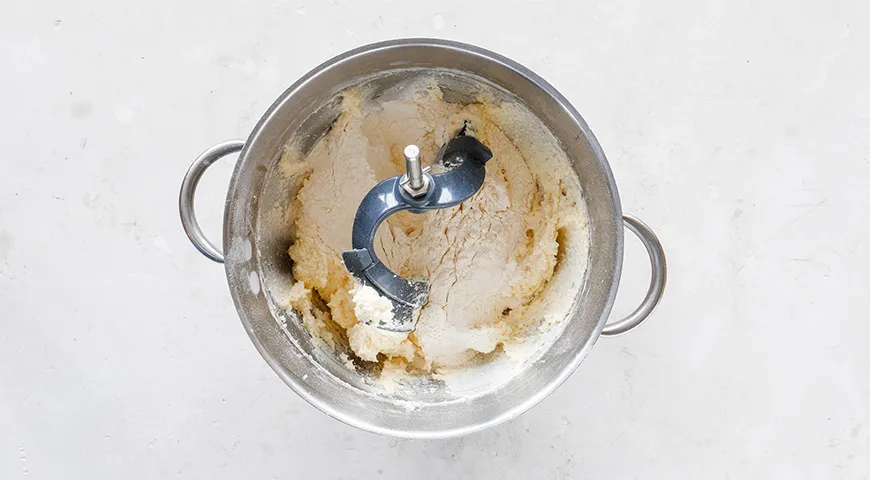
Step 4: Knead the dough into a smooth ball. Wrap tightly in plastic film and refrigerate for 30 minutes. Dust the work surface with flour, then roll the chilled dough into a thin circle about 3‑mm thick.

Step 5: Cut the circle into 8 triangles by making cuts through the center (like a pizza). Starting from the wide side, roll each triangle into a crescent. Place seam‑side down on a parchment‑lined baking tray, leaving space between each.

Step 6: Preheat the oven to 160°C (320°F). Whisk the egg yolk with the milk and brush this glaze over the croissants. Bake on the middle rack for about 25 minutes until deep golden brown. Let cool on a wire rack before serving.

Pro Tips for Perfect Croissants
- Use full‑fat, dry cottage cheese (9% or higher) – wet curds will make the dough sticky. If you only have wet curds, drain them in cheesecloth for an hour.
- Chill the dough thoroughly – this relaxes the gluten and makes it easier to roll. A spacious refrigerator is ideal for batch prep.
- Don’t overwork the dough – mix just until combined; over‑kneading will produce tough croissants.
- For an extra‑golden finish, use an oil sprayer to mist a touch of butter before glazing.
Variations to Try
- Sweet fillings: Add a teaspoon of jam, Nutella, or chocolate‑covered raisins before rolling.
- Savory twist: Omit the sugar and vanilla sugar, add black pepper and dried herbs, and fill with grated cheese or ham.
- Citrus zest: Grate lemon or orange zest into the dough for a fragrant lift.
- Serve alongside a cup of artisan coffee for an elegant breakfast pairing.
Frequently Asked Questions
Can I use low‑fat cottage cheese?
We strongly recommend 9% fat or higher. Low‑fat curds contain more water, which can make the dough sticky and yield denser croissants. If you must substitute, press the curds well to remove excess moisture.
Why did my dough turn out sticky?
Several possible reasons: the cottage cheese was too wet, the butter was too warm, or the flour was not sifted properly. Chill the dough for an extra 15 minutes, then dust your hands and surface with additional flour. Using a powerful food processor can help incorporate ingredients without overworking.
Can I make these croissants ahead of time?
Yes! Shape the croissants, place them on the tray, and refrigerate unbaked for up to 8 hours. Bake directly from the fridge, adding 2–3 minutes to the baking time. For longer storage, freeze the unbaked croissants on a tray, then transfer to a freezer bag; bake from frozen at 160°C for about 30 minutes.
What if I don’t have a sieve for the cottage cheese?
You can use a high‑speed juicer or blender to puree the curds until smooth. Alternatively, press the cottage cheese through a fine‑mesh strainer using the back of a spoon – a bit of arm work, but worth it.
Could I use store‑bought puff pastry instead?
You could, but the texture would be entirely different. These homemade croissants have a unique, tender‑flaky quality that comes from the cottage cheese. If you’re short on time, try a Catalan sponge cake recipe for another quick treat.
How do I store leftover croissants?
Keep in an airtight container at room temperature for up to 2 days. Reheat in a non‑toxic air fryer at 150°C for 3–4 minutes to restore the crispness.
These cottage cheese croissants are a testament to the beauty of simple ingredients transformed with a little care. Whether you enjoy them plain, with jam, or alongside a glass of sweet wine, they are sure to become a beloved staple in your baking repertoire. Happy baking!







