


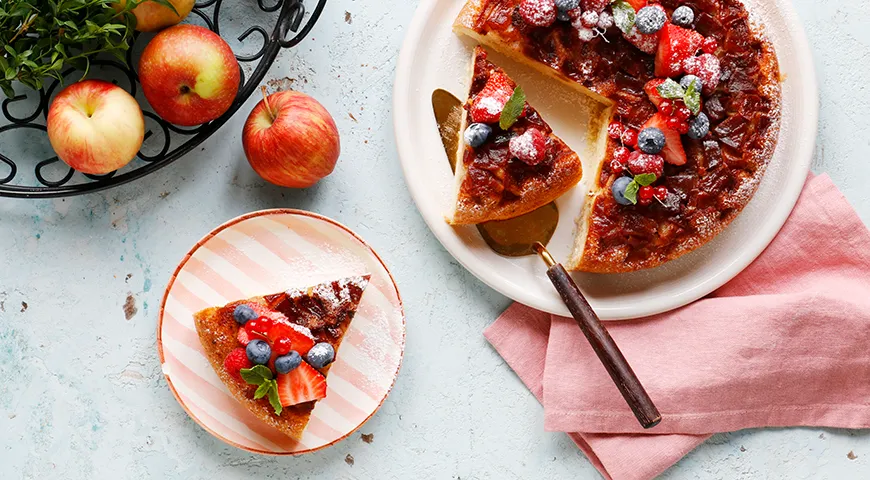
Few desserts capture the soul of home baking like a perfectly executed sharlotka. This beloved Russian apple sponge cake, traditionally baked in the oven, adapts brilliantly to the gentle, even heat of a slow cooker. The result is a remarkably moist, tender crumb that envelops sweet cinnamon-kissed apple cubes. By following our detailed step-by-step guide and using the right tools—from a high-quality mixer to a reliable multicooker—you can create a showstopping dessert with minimal fuss. We will walk you through every nuance, from achieving cloud-like egg foam to the final flourish of powdered sugar.
About Apple Sharlotka
Sharlotka is a classic Russian dessert that dates back to the early 20th century. Its name derives from the French "Charlotte," but the Russian version is distinct: a light biscuit (sponge) cake filled with fruit, most commonly apples. The magic lies in the simplicity of the batter—eggs, sugar, flour, and a leavening agent—which puffs up around the fruit during baking. When made in a slow cooker, the cake steams gently, producing an exceptionally moist texture that contrasts beautifully with the soft, caramelized apples. This method is especially forgiving, making it ideal for novice bakers or anyone seeking a fuss-free dessert.

Ingredients
- Apples – 400 g (choose firm, slightly tart varieties like Granny Smith or Antonovka)
- All-purpose flour – 160 g
- Large eggs – 3 (preferably chilled)
- Granulated sugar – 180 g
- Baking powder – 5 g
- Unsalted butter – 30 g (softened for greasing)
- Ground cinnamon – 5 g
- Powdered (icing) sugar – 10 g (for dusting)
Step-by-Step Instructions
Step 1: Whip the eggs with sugar
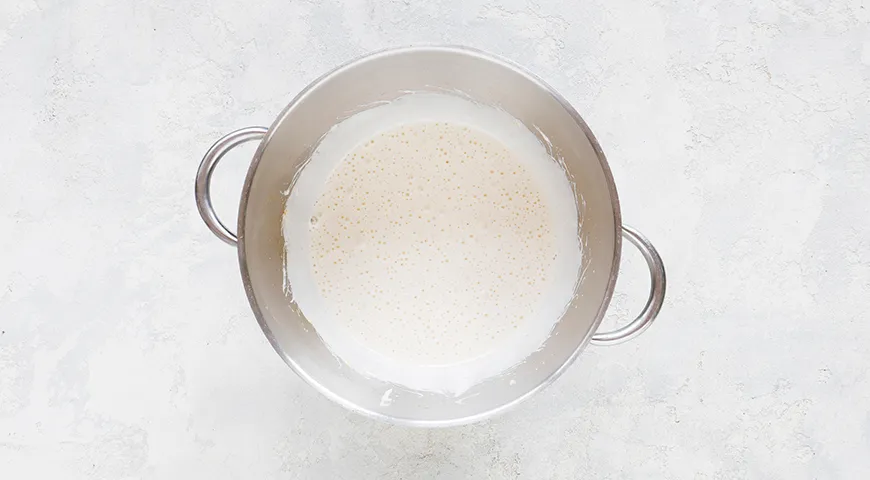
In the bowl of a stand mixer fitted with the whisk attachment—or using a high-performance planetary mixer—combine the chilled eggs with the granulated sugar. Beat on maximum speed until the mixture becomes thick, pale, and voluminous, increasing in size several times. This step is critical for a light, airy sponge. The foam should hold a ribbon-like trail when you lift the whisk.
Step 2: Sift and fold in flour
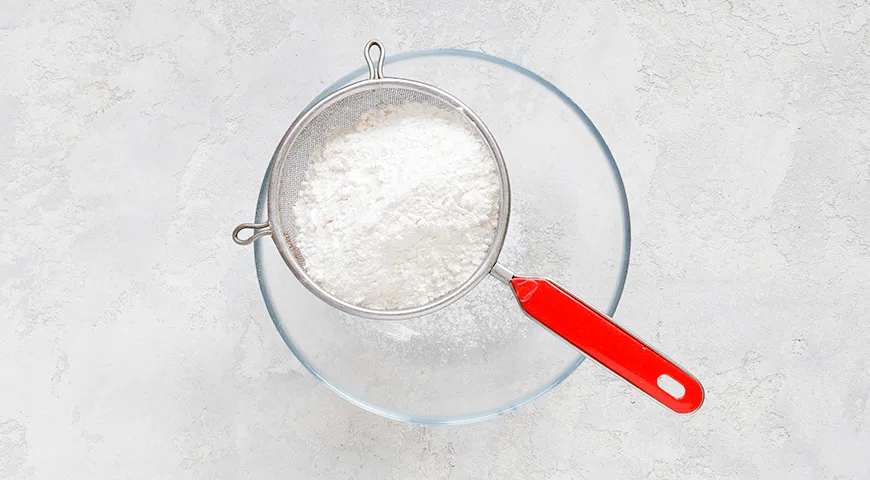
Sift the flour together with the baking powder. Gradually add the dry mixture to the egg foam in small portions, gently folding with a spatula or mixing on a low speed after each addition. Continue until you achieve a smooth, homogeneous batter without lumps. Overmixing at this stage can deflate the air, so be mindful. Using a precise glass food processor bowl for sifting can help maintain even distribution.
Step 3: Prepare the apples
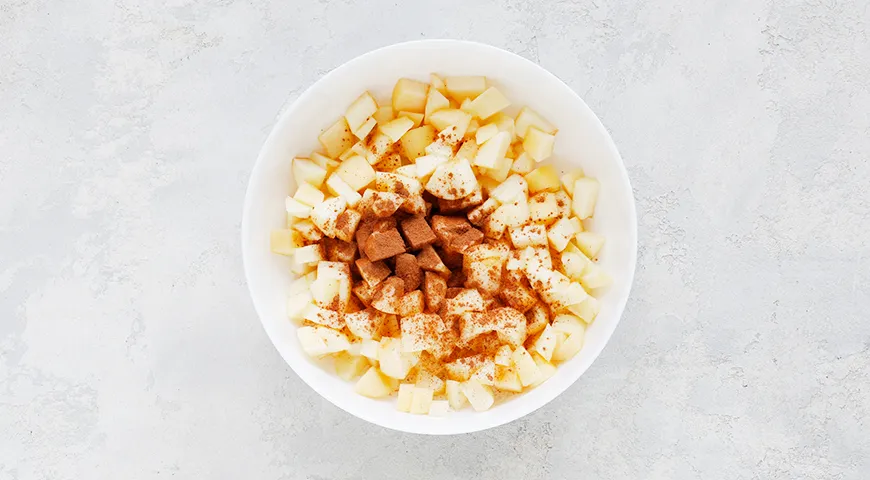
Wash and thoroughly dry the apples. Using a vegetable peeler, remove the skin. Core the apples and cut the flesh into uniform medium-sized cubes (approximately 1.5 cm). Toss the cubes with ground cinnamon to coat evenly. The cinnamon adds warmth and depth, complementing the sweet apples. For consistent chopping, consider using a food processor with a dicing attachment to save time.
Step 4: Grease the multicooker bowl
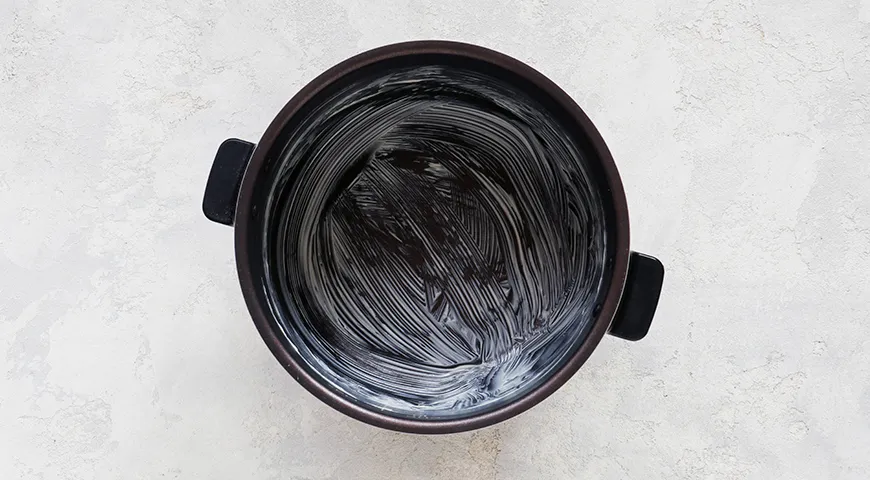
Ensure the multicooker bowl is completely dry. Use the softened unsalted butter to generously grease the bottom and sides of the bowl. This prevents the cake from sticking and promotes an even golden crust. A non-stick oil sprayer can also be used for a more uniform coating, but butter yields superior flavour.
Step 5: Assemble and bake
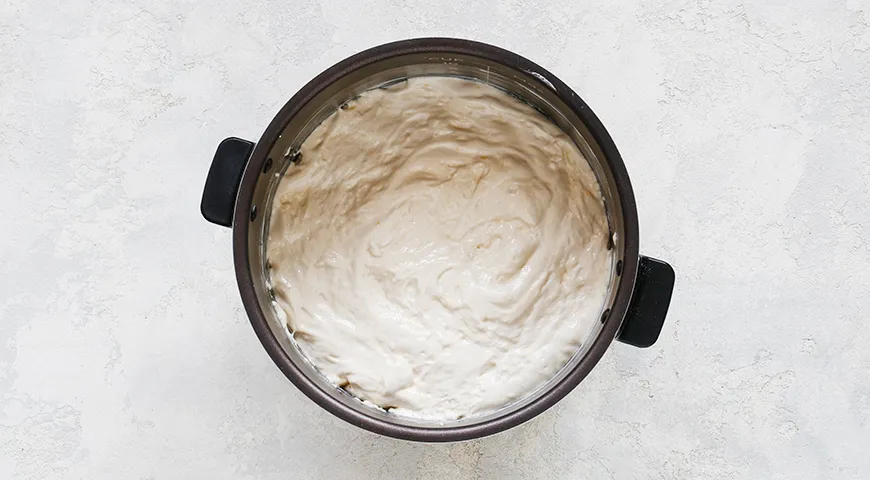
Spread the cinnamon apples evenly over the bottom of the greased bowl. Gently pour the batter over the apples. Lightly tap the bowl on the counter to settle the batter and ensure it seeps between the fruit. Select the "Bake" or "Cake" mode on your slow cooker and set the timer for 50 minutes. Cooking times may vary depending on your model; adjust accordingly. For even baking, a multifunctional pressure cooker with a cake setting can also produce excellent results.
Step 6: Cool and serve
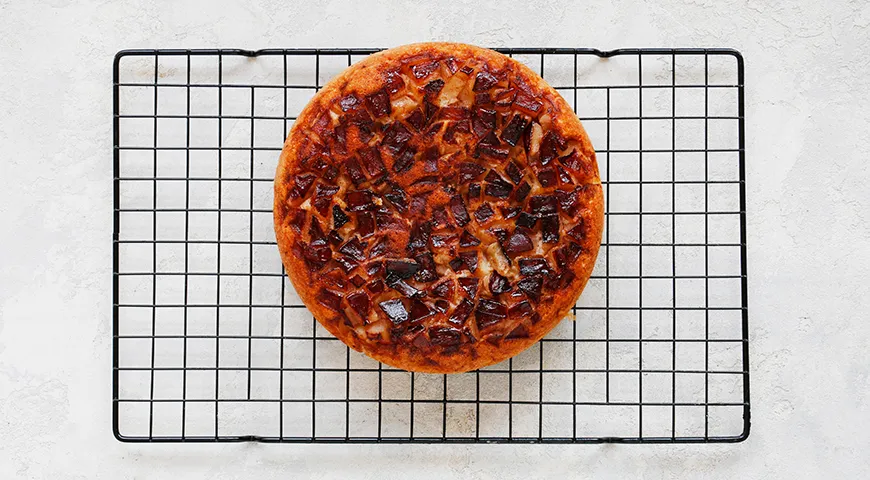
Once baked, carefully remove the inner bowl and let the cake cool in the bowl for 10 minutes, then invert onto a wire rack to cool completely. The top of a slow-cooker cake often appears pale; that is normal. Dust generously with powdered sugar through a fine sieve. For an elegant finish, garnish with fresh berries or a drizzle of caramel. A non-toxic immersion blender can help create a quick berry coulis for serving.
Tips for Perfect Sharlotka Every Time
- Chill your eggs and bowl: Cold eggs whip to a more stable foam. Refrigerate them for at least 30 minutes before starting.
- Use room-temperature apples: Cold fruit can shock the batter, leading to uneven cooking. Let diced apples sit out while you prepare the batter.
- Don’t skip the sifting: Sifting flour with baking powder aerates the mixture and ensures a lighter crumb.
- Check for doneness: Insert a wooden skewer into the centre; if it comes out clean or with a few moist crumbs, the cake is ready.
- Cool completely before dusting: Warm cake will absorb the powdered sugar, making it disappear. Patience yields a beautiful snowy top.
Variations
This versatile recipe welcomes creative twists. Swap half the apples for pears for a subtle floral note. Add a handful of raisins or chopped walnuts to the apple layer. For a festive touch, incorporate 2 tablespoons of dark rum or Calvados into the batter. If you prefer a deeper cinnamon flavour, use a high-quality Ceylon cinnamon instead of cassia. For a dairy-free version, substitute the butter with coconut oil (solid, not melted) when greasing the bowl.
FAQ
Can I use frozen apples for sharlotka?
Yes, but thaw and drain them thoroughly first to avoid excess moisture. Frozen apples tend to release liquid during baking, which can make the cake soggy. Pat them dry with paper towels before coating with cinnamon.
Why did my cake deflate after baking?
This often happens when the slow cooker lid is opened too early or the cake is removed from the bowl before it has cooled adequately. Always let the cake rest in the bowl for at least 10 minutes before turning out. Also, ensure your baking powder is fresh—test by dropping a pinch into hot water; it should fizz vigorously.
Can I make this recipe gluten-free?
Absolutely. Substitute the all-purpose flour with a high-quality 1:1 gluten-free baking blend that contains xanthan gum. Sift as usual. The texture may be slightly more delicate, but the flavour remains delightful. For more gluten-free baking tips, refer to our guide on Catalan sponge cake variations.
How do I store leftover sharlotka?
Wrap tightly in plastic wrap or store in an airtight container at room temperature for up to 2 days, or in the refrigerator for 4 days. The cake tends to dry out slightly in the fridge, so bring slices back to room temperature before serving. You can also freeze the whole cake (cooled) wrapped in two layers of cling film for up to 3 months.
What is the best apple variety for sharlotka?
Tart, firm apples hold their shape and balance the sweetness of the sponge. Granny Smith, Braeburn, or the classic Russian Antonovka are ideal. Sweet varieties like Gala or Fuji can make the dessert cloying. For a deeper flavour profile, consider using a mix of tart and sweet apples. Find more apple-picking tips in our sweet wine pairing suggestions.
This Apple Sharlotka baked in a slow cooker is a testament to the beauty of simple ingredients transformed by technique. With a light hand and the right equipment—including a reliable mixer and a quality non-toxic air fryer for crisping leftovers—you can enjoy a dessert that feels both nostalgic and refined. Serve it with a dollop of crème fraîche or a scoop of vanilla ice cream for an extra layer of indulgence. Whether you are hosting a family gathering or craving a comforting treat, this recipe delivers every time.







