


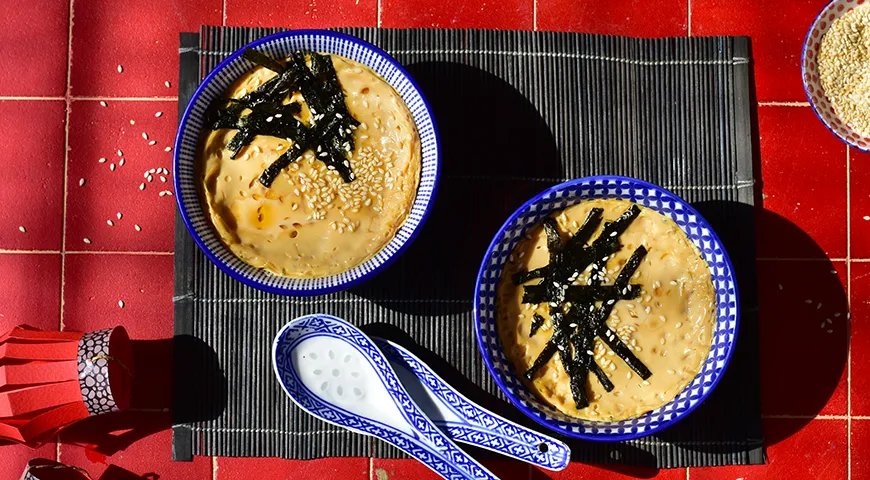
Chawanmushi—a delicate, steamed egg custard that sits at the intersection of comfort and haute cuisine—has long been a hallmark of Japanese culinary artistry. In this refined version, celebrated chef David Chang elevates the classic with umami-rich nori and toasted sesame, creating a dish that is simultaneously humble and luxurious. The custard's silken texture, achieved through gentle steaming, serves as a canvas for the deep, savory notes of dashi or any robust broth. Whether served as an elegant starter or a light main, this chawanmushi promises to transport your palate to the heart of Tokyo's kaiseki tradition.
About Chawanmushi
Chawanmushi (also spelled chawanmushi) is a savory egg custard that has been a staple of Japanese cuisine for centuries. Unlike its Western counterparts, which are often sweet, chawanmushi relies on a delicate balance of dashi broth, eggs, and seasoning to create a silky, almost ethereal texture. This dish is typically steamed in small, lidded cups (chawan) and is often served as an appetizer in traditional multicourse meals. Chef David Chang's interpretation introduces vibrant nori and toasted sesame, adding both visual appeal and a nutty crunch that contrasts beautifully with the custard's creaminess. For those new to Japanese cooking, this recipe offers an accessible yet impressive entry point. To achieve the perfect texture, consider using a microwave pressure cooker for controlled, even steaming.

Ingredients
- 400 ml of any broth (chicken, meat, fish, or dashi)
- 3 large eggs (C0 size)
- 1.5 tsp (8 g) soy sauce
- 2 tsp agave syrup or sugar
- 4 small sheets of seasoned nori
- 4 tsp (20 g) untoasted sesame seeds
- Salt, to taste
- Dark sesame oil, for serving
Step-by-Step Instructions
Follow these steps to create a flawless chawanmushi. Each step is paired with an image to guide you through the process.
Step 1: Prepare the Egg Mixture
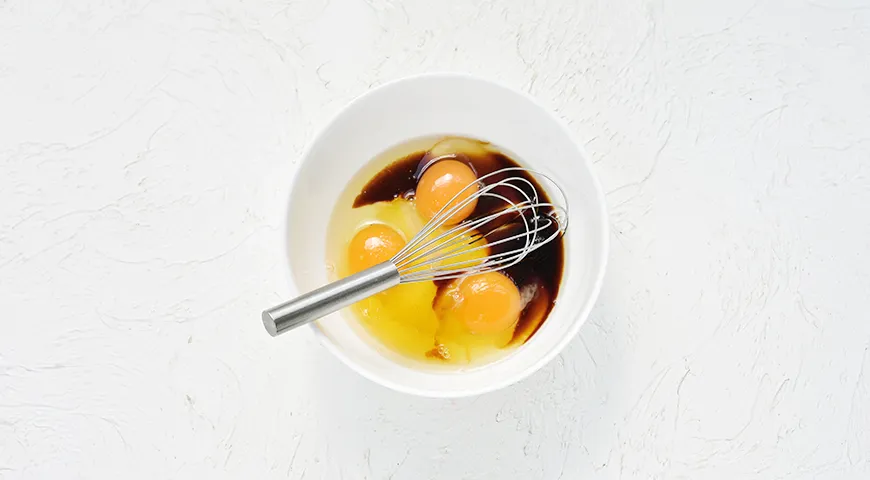
In a bowl, whisk the eggs with soy sauce and agave syrup (or sugar) until homogeneous. Do not whisk vigorously—avoid creating any foam, as bubbles can affect the final smoothness. This gentle mixing ensures a velvety custard.
Step 2: Add Broth and Portion
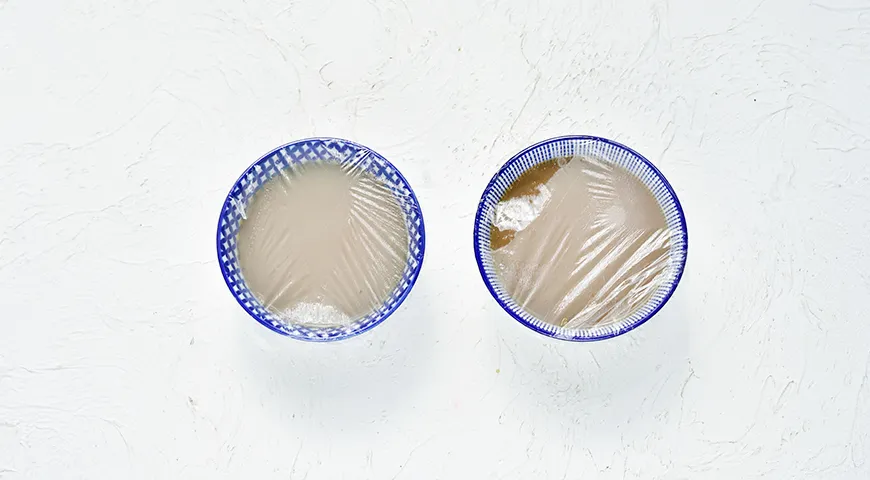
Add the cold broth to the egg mixture and stir thoroughly. Pour the liquid through a fine-mesh sieve into small bowls or cups. Cover each bowl with a lid or tightly wrap with plastic wrap. This seal prevents condensation from dripping into the custard.
Step 3: Steam the Custard
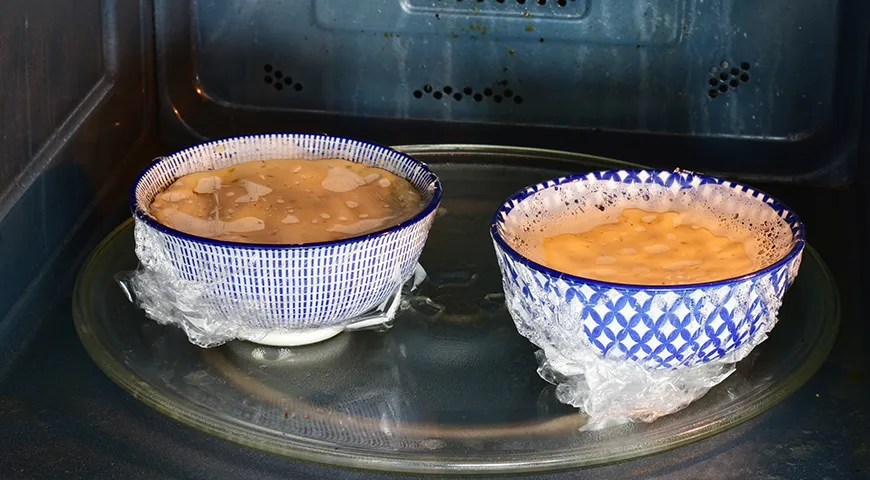
Set your microwave to medium power. Place the covered bowls inside and cook for 9 minutes. After steaming, check the center of each custard—if liquid remains, continue cooking in 30-second increments until set. Do not overcook; the finished chawanmushi should be silky, not rubbery. For alternative steaming methods, a non-toxic air fryer can also be used with a steaming function.
Step 4: Toast Sesame Seeds
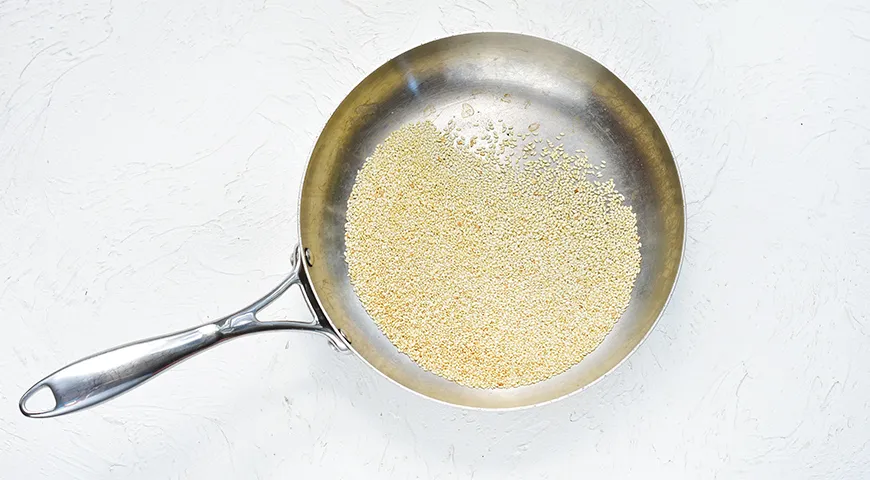
In a dry skillet over medium heat, toast the sesame seeds, stirring constantly, for about 1.5 minutes until fragrant. Transfer to a plate, sprinkle lightly with salted water, and allow to cool. This step enhances the nutty aroma.
Step 5: Prepare Nori and Serve
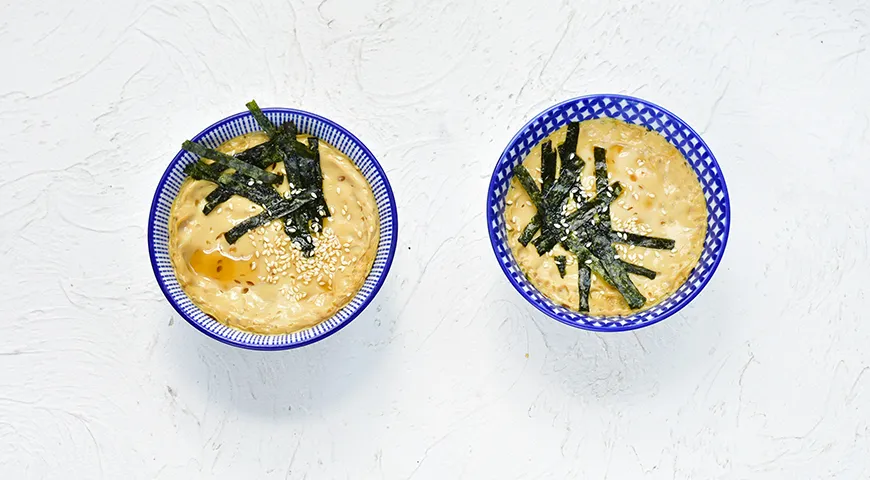
Using scissors, cut the nori sheets into thin strips. Drizzle the cooled chawanmushi with dark sesame oil, then garnish with the nori strips and toasted sesame seeds. Serve immediately while the contrast of warm custard and crunchy toppings is at its peak.
Tips for Perfect Chawanmushi
- Use a fine-mesh strainer when pouring the egg-broth mixture into bowls to eliminate any bubbles or chalaza strands.
- Let the steamed custard cool completely before serving—this firms the texture and balances flavors.
- Experiment with broths: a rich beef au jus can add depth, while classic dashi keeps it authentic.
- For a vegan twist, substitute eggs with silken tofu and use a food processor to blend until smooth.
Variations
This chawanmushi base is endlessly adaptable. Add shrimp, chicken, or mushrooms for a heartier dish. For a sweet version, replace soy sauce with chocolate-covered raisins and serve warm. The possibilities are as endless as your imagination.
Frequently Asked Questions
Can I make chawanmushi without a microwave?
Yes! Use a steamer basket on the stovetop. Steam over medium heat for 12-15 minutes, covered. A steam canner can also work for larger batches.
Why is my custard watery?
This usually indicates undercooking. Cook in 20-second bursts until the center is just set but still jiggles slightly. Overcooking can also cause weeping, so watch carefully.
Can I use a different type of broth?
Absolutely. Chicken, kombu dashi, or even a light coffee broth (for a surprising twist) all work. Just ensure the broth is well-seasoned.
How do I store leftover chawanmushi?
Refrigerate in an airtight container for up to 2 days. Reheat gently in a steamer or microwave at low power. Note that the texture may become slightly firmer.
Can I add cheese or other dairy?
Traditional chawanmushi is dairy-free, but you can experiment. A dollop of crème fraîche or a sprinkle of Parmesan can add richness. For a completely different direction, try a vodka splash for a savory kick.
Why This Recipe Works
David Chang’s chawanmushi embodies the philosophy of shun—seasonal simplicity. The custard’s subtle sweetness from agave contrasts with the briny nori and nutty sesame, while the technique ensures a texture that is both comforting and refined. To upgrade your kitchen arsenal for such delicate dishes, consider investing in a non-toxic immersion blender for silky soups or a planetary mixer for larger egg-based preparations.
This recipe yields four elegant servings. For a complete Japanese-inspired meal, pair with a crisp sweet wine or a light sake. The combination of textures and flavors will leave your guests in awe. Enjoy the warmth of authentic Japanese comfort food, brought to your table by the genius of David Chang.
If you notice any errors or inaccuracies, please let us know.







