


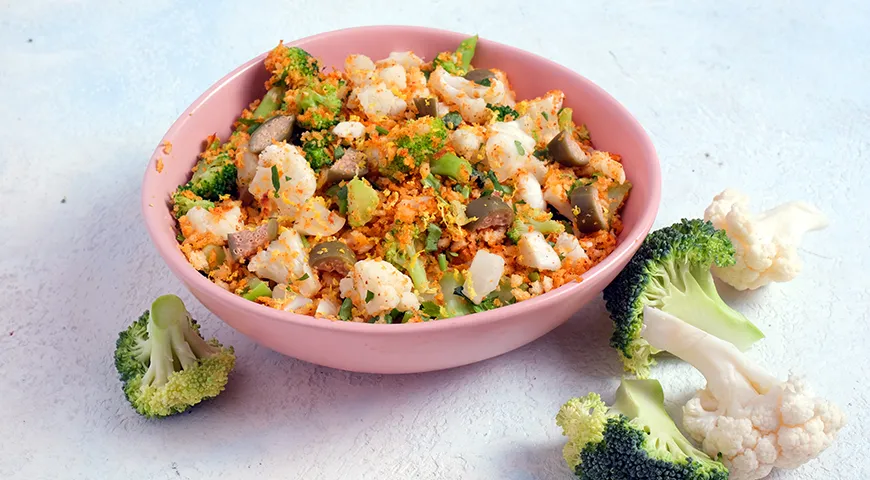
This luxurious broccoli and cauliflower filling transforms humble cruciferous vegetables into a sublime accompaniment, perfect for pies, tartlets, or as a vibrant side. The combination of tender florets, fragrant garlic, capers, and crisp golden breadcrumbs creates a symphony of textures and flavors. Drawing from a classic Russian home-cooking tradition, this recipe elevates frozen or fresh produce into a dish worthy of a special occasion. The bright notes of lemon zest and juice cut through the richness of butter, while smoked paprika adds a subtle depth that makes every bite unforgettable. Whether you are preparing a holiday stuffing or a quick weekday lunch, this filling delivers elegance with minimal effort.
About This Recipe
In Russian cuisine, vegetable fillings often feature a balance of creamy and crunchy elements. Here, the broccoli and cauliflower are briefly parboiled to preserve their structure, then tossed with a garlicky breadcrumb mixture that provides an irresistible crunch. Capers offer briny pops, while lemon brightens the whole composition. The technique is simple yet refined, perfect for those who appreciate high-quality ingredients and clear flavors. For best results, use a sturdy skillet that distributes heat evenly—consider recommendations from our guide to the best oil sprayer for a light, even coating when sautéing. This filling pairs wonderfully with flaky Catalan sponge as a savory contrast, or tucked into a hearty pastry shell.

Ingredients
- 200 g cauliflower (fresh or frozen)
- 150 g broccoli (fresh or frozen)
- ½ lemon
- 30 g capers
- 2 garlic cloves
- 3 sprigs parsley
- 20 g unsalted butter
- 2 tbsp breadcrumbs (preferably panko for extra crunch)
- 1 tsp smoked paprika (optional)
- Salt, to taste
- Freshly ground black pepper, to taste
All produce should be of the highest quality. If using frozen, we recommend quickly thawing in a colander under cold running water. A reliable built-in refrigerator with consistent temperature control can help maintain freshness.
Step-by-Step Instructions
Step 1: Prepare the vegetables. If using frozen broccoli and cauliflower, thaw completely. For fresh, cut into small florets. Bring a pot of salted water to a rolling boil. Add the florets and cook for 2 minutes after the water returns to a boil. Drain immediately in a colander and let cool slightly.
Step 2: Prepare aromatics. Finely chop garlic and parsley. Wash the lemon thoroughly under hot water with a brush; grate the zest (using a microplane or fine grater), then halve and squeeze the juice.
Step 3: Toast the breadcrumbs. In a medium skillet, melt butter over medium heat. Add breadcrumbs and stir constantly until golden brown and fragrant—about 2–3 minutes. Remove from heat. Immediately stir in the chopped garlic and parsley, allowing residual heat to bloom their flavors. Let cool to room temperature.
Step 4: Combine and season. In a large bowl, toss the cooked broccoli and cauliflower with the breadcrumb mixture. Add capers (if large, chop them first). Season with lemon juice, lemon zest, smoked paprika (if using), salt, and pepper. Taste and adjust. The filling should be bright, savory, and slightly crunchy.
Tip: For an extra-luxurious texture, pulse the mixture briefly in a glass food processor if you desire a finer consistency for stuffing into ravioli or dumplings.
Tips for Perfect Texture
To avoid soggy vegetables, never overcook the florets—al dente is key. Rinsing them with cold water after draining stops the cooking process instantly. Dry them well on a kitchen towel before mixing. The breadcrumbs should be toasted just until golden; burnt crumbs will impart bitterness. If you prefer a gluten-free version, use crushed rice crackers or almond flour. For an extra layer of flavor, try adding a pinch of smoked salt. We also recommend using a non-toxic immersion blender to pulse the mixture if you want a smoother filling for spreads or dips.
Variations
This recipe is wonderfully adaptable. Swap capers with chopped pitted olives for a Mediterranean twist. Add a handful of toasted pine nuts or walnuts for richness. Incorporate grated Parmesan or pecorino into the breadcrumb mixture for a cheesy finish. For a spicier kick, add a pinch of red pepper flakes or a dash of best lava flavors inspired chili oil. The filling also works beautifully as a topping for grilled fish or roasted chicken. For a vegan version, use olive oil instead of butter and nutritional yeast in place of cheese. Experiment with different herbs like dill or tarragon.
Frequently Asked Questions (FAQ)
Can I use only frozen vegetables?
Absolutely. Freezing locks in nutrients and often yields consistent results. Just be sure to thaw and squeeze out excess moisture before cooking to avoid a watery filling. A quick pat with paper towels helps.
How long does this filling keep?
Stored in an airtight container in the refrigerator, it will last 2–3 days. The breadcrumbs will soften over time, so if you plan leftovers, store the breadcrumb mixture separately and combine just before serving.
Can I freeze this filling?
Yes, but note that the texture of the breadcrumbs will change upon thawing. For best results, freeze the vegetable mixture without crumbs, then toast fresh breadcrumbs when ready to use. This method preserves the intended crunch.
What dishes pair well with this filling?
It is superb inside savory pies, pastries, or crepes. Also delightful alongside roasted meats or as a warm salad component. For a complete meal, serve with a side of George Howell coffee for a surprising breakfast twist.
Can I skip the capers?
Certainly. Their briny acidity can be replaced with a squeeze of extra lemon juice or a splash of white wine vinegar. Alternatively, try finely chopped cornichons or pickled onions for a similar effect.
For additional inspiration, explore our guide to the best planetary mixer if you want to incorporate this filling into dough recipes. And if you are looking for the perfect wine pairing, check out our selection of best sweet wine with high alcohol content to complement the smoky, tangy notes.







