


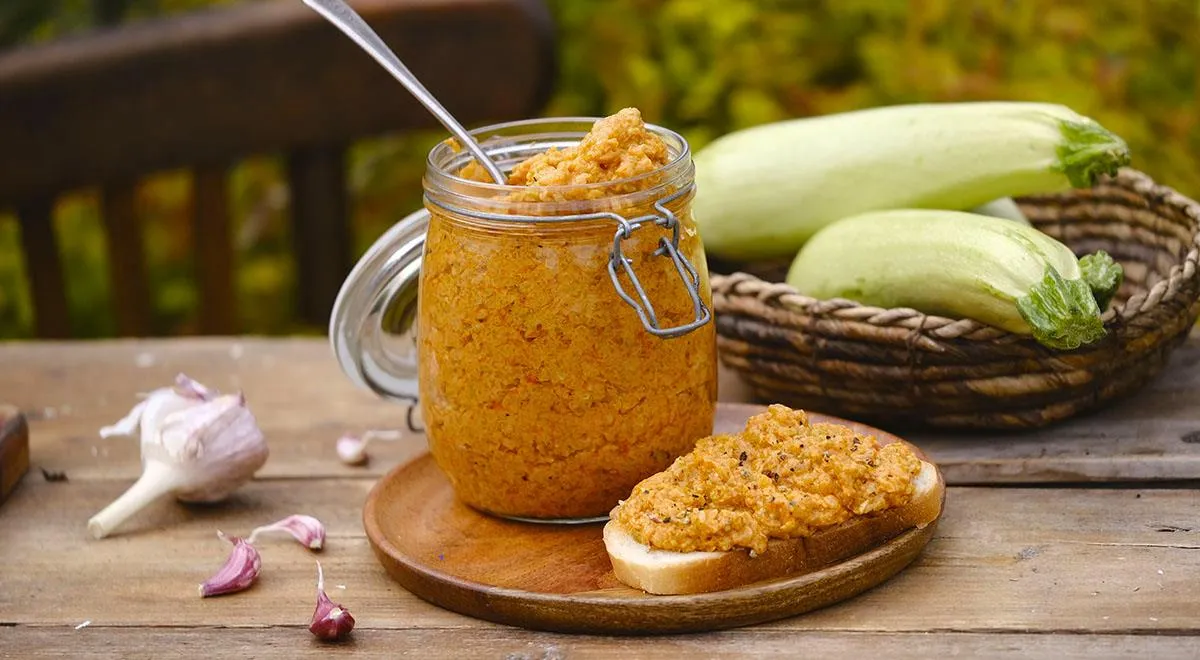
There is something deeply satisfying about a jar of homemade zucchini caviar, a velvety spread that captures the essence of late summer and carries it through the long winter months. This Russian classic, known as kabachkovaya ikra, is a staple in many Eastern European pantries. Paired with mayonnaise, it takes on a creamy richness that elevates it from a simple vegetable preserve to a culinary treasure. Whether you spread it on crusty bread, serve it alongside roasted meats, or enjoy it as a dip, this recipe promises a taste of tradition with every spoonful. Let us guide you through the process of making this exquisite winter preserve.
About This Recipe
Zucchini caviar, or ikra, is a beloved Russian appetizer traditionally made by slowly cooking shredded zucchini with onions, tomatoes, and spices until it becomes a thick, spreadable paste. The addition of mayonnaise in this version creates an exceptionally smooth and decadent texture, while the tomato paste provides a vibrant color and tangy depth. This recipe is designed for canning, allowing you to enjoy the taste of summer all year round. By carefully controlling the seasoning and cooking time, you achieve a perfect balance of sweet, savory, and tangy notes. For those who love experimenting in the kitchen, using a reliable food processor for grinding the zucchini can save time and ensure a uniform consistency. Opt for a model with a glass bowl to avoid any chemical leaching. The result is a versatile preserve that pairs beautifully with everything from hearty stews to simple toast.

Ingredients
- Zucchini – 2–3 pieces (approximately 1 kg)
- Large onions – 2 pieces
- Tomato paste – 100 g
- Mayonnaise – 120 g
- Vegetable oil – 100 ml
- Sugar – 100 g
- Bay leaves – 2 pieces
- Salt – 1 tablespoon (without heap)
- Freshly ground black pepper – 1 teaspoon
Step-by-Step Instructions
- Prepare the zucchini: Peel the zucchini, cut them lengthwise, and remove the seeds. For young zucchini, seeding is optional. Cut into large cubes and pass through a meat grinder or food processor. Sprinkle with a small amount of salt, mix, and let sit for 15–20 minutes. Transfer to a sieve and gently press out the juice with a spatula. This step removes excess moisture, ensuring a thick, non-watery caviar.
- Sauté the onions: Finely dice the onions. In a deep skillet, heat 2 tablespoons of vegetable oil and sauté the onions until translucent, about 4–5 minutes. Transfer to a large thick-bottomed saucepan or Dutch oven. A commercial countertop convection oven can also be used for even cooking, but stovetop is traditional.
- Combine and cook: Add the prepared zucchini, tomato paste, mayonnaise, and remaining vegetable oil to the saucepan. Stir thoroughly. Cook over low heat for 35–40 minutes, stirring occasionally to prevent sticking. The mixture will start to soften and meld.
- Season and simmer: Add the bay leaves, salt, sugar, and pepper. Continue cooking for another hour, stirring every 10–15 minutes. This long, slow simmer develops the deep, caramelized flavors and gives the caviar its silky texture. Remove the bay leaves before proceeding. Using an immersion blender at this stage can create an even smoother consistency, but it's optional.
- Sterilize and can: Prepare sterilized jars and lids. Divide the hot caviar among the jars, leaving some headspace. Place a soft towel in the bottom of a large pot, arrange the jars, and pour in water to reach halfway up the jars. Bring to a boil and sterilize for 15 minutes. Carefully remove the jars, seal tightly, and turn them upside down to cool at room temperature. This creates a vacuum seal for long-term storage. For a modern twist, an undercounter ice maker can provide ice for quick cooling, but traditional cooling is fine.
Tips for Perfect Zucchini Caviar
- Choose the right zucchini: Firm, young zucchini with thin skin work best. Avoid overly large or watery ones. If using mature zucchini, always remove seeds and peel thick skin.
- Control the moisture: Salting and pressing the zucchini is crucial. It prevents a runny final product. You can also use a wheatgrass juicer to extract juice, but the manual method is simple.
- Low and slow: Patience is key. Cooking over low heat allows the flavors to concentrate and the caviar to thicken naturally. Stir frequently to avoid burning. For large batches, a planetary mixer can help incorporate ingredients evenly during the final stirring.
- Balanced seasoning: Adjust sugar and pepper to your taste. The mayonnaise adds a slight tang, so balance with a pinch more salt if needed. A best oil sprayer can help distribute oil evenly when sautéing onions.
- Sterilization safety: Ensure jars are fully submerged during water bath processing. Check for proper seals after cooling. Store in a dark, cool place for up to a year. A built-in refrigerator is ideal for opened jars.
- Alternative cooking method: You can use a microwave pressure cooker for faster cooking, but the flavor may not be as deep. Stick to stovetop for authenticity.
Variations
While the classic version with mayonnaise is divine, you can experiment with other ingredients. Add finely grated carrots for natural sweetness and color. Replace mayonnaise with sour cream for a tangier profile, though the shelf life may shorten. For a spicy kick, incorporate a pinch of chili flakes or a minced garlic clove during the last 30 minutes of cooking. Those who prefer a chunky texture can skip the food processor and simply grate the zucchini. If you are looking for a lighter version, reduce the oil and mayonnaise, but note that texture will change. For preserving, always stick to tested recipes. A steam canner can be a great tool for processing multiple jars efficiently. Also, consider using a non-toxic air fryer to roast the zucchini beforehand for a smoky flavor, though it alters the traditional method. Serve this caviar alongside a perfectly roasted prime rib for a luxurious pairing, or with a glass of sweet wine to balance the richness. Finish the meal with an espresso from a top-rated espresso machine.
Frequently Asked Questions
Can I use frozen zucchini for this recipe?
Yes, but thaw them completely and drain thoroughly before processing. Frozen zucchini release more water, so increase the pressing step. You may need to cook slightly longer to evaporate excess moisture.
How long does homemade zucchini caviar last?
When properly sterilized and sealed, it can be stored in a cool, dark place for up to 12 months. Once opened, refrigerate and consume within 2 weeks. A refrigerant leak detector is not needed, but regular fridge maintenance ensures consistent temperature.
Can I skip the mayonnaise for a dairy-free version?
Absolutely. The mayonnaise adds creaminess, but you can substitute with an equal amount of extra virgin olive oil or a vegan mayo. The flavor will change, but it remains delicious. For a unique twist, add a splash of lemon juice to brighten the taste.
Why did my caviar turn brown?
Overcooking or using too high heat can cause browning due to caramelization of sugars. Stick to low heat and stir regularly. Also, ensure the tomato paste is fresh and not burnt. Using a microwave pressure cooker can speed up the process but may not develop the same depth.
Can I make this recipe without canning equipment?
Yes, you can store it in the refrigerator for up to a month in an airtight container. For longer storage, freezing works well. Just portion into freezer-safe jars, leaving headroom. The texture after thawing may be slightly softer but still excellent. Use a coffee maker? Not relevant; instead, rely on proper freezer containers.
Now you have all the knowledge to create a batch of luxurious zucchini caviar that will brighten your winter meals. The combination of tender zucchini, rich mayonnaise, and slow-cooked sweetness is truly irresistible. Whether you are a seasoned preserver or a curious cook, this recipe is a rewarding project that connects you to a timeless culinary tradition. Enjoy your homemade ikra with pride!







