


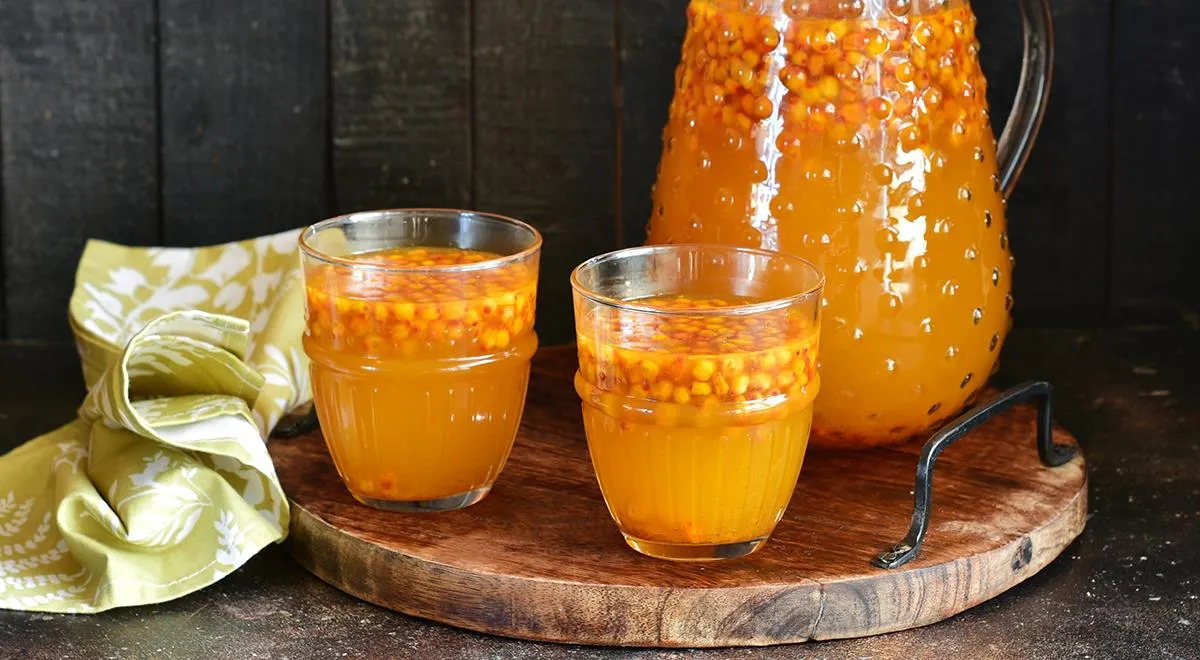
There is a quiet poetry in preserving the golden bounty of autumn. Winter Sea Buckthorn Compote, crafted by the traditional Russian double-pour method, captures the sun-drenched tartness of these vibrant berries without the need for tedious pasteurization. The approach is as elegant as it is foolproof: a brief infusion draws out the berries' essence, then the same liquid becomes a silky syrup to seal the flavor. This compote is a jewel-like elixir—perfect for brightening gloomy winter mornings or adding a tangy note to holiday feasts. Adjust the sugar to your palate, but know that a touch of sweetness is essential to balance the sea buckthorn's natural acidity.
About This Timeless Preservation Technique
Sea buckthorn (Hippophae rhamnoides) is a nutritional powerhouse, laden with vitamin C, omega fatty acids, and antioxidants. In Russian kitchens, compote is a cherished staple, with each family guarding its own ratios. The double-pour method—first scalding the berries, then replacing the water with a hot syrup—eliminates the need for a separate canning bath, making it accessible even to novice preservers. For those who love learning traditional techniques, our guide to the best steam canner offers a modern twist on sterilization. This recipe requires only a few steps, but the reward is a shelf full of sunshine.

Ingredients
- 600 g fresh sea buckthorn berries
- 3 liters filtered water
- 250 g granulated sugar (adjust to taste)
Quality matters. Choose berries that are plump, firm, and deeply orange. Avoid overripe or bruised fruit. For precise measuring, consider a high-capacity planetary mixer if you plan to scale the recipe—though here simple kitchen scales suffice.
Step-by-Step Method
Follow each step carefully to ensure a perfectly sealed, long-lasting compote.
Step 1: Prepare the Berries
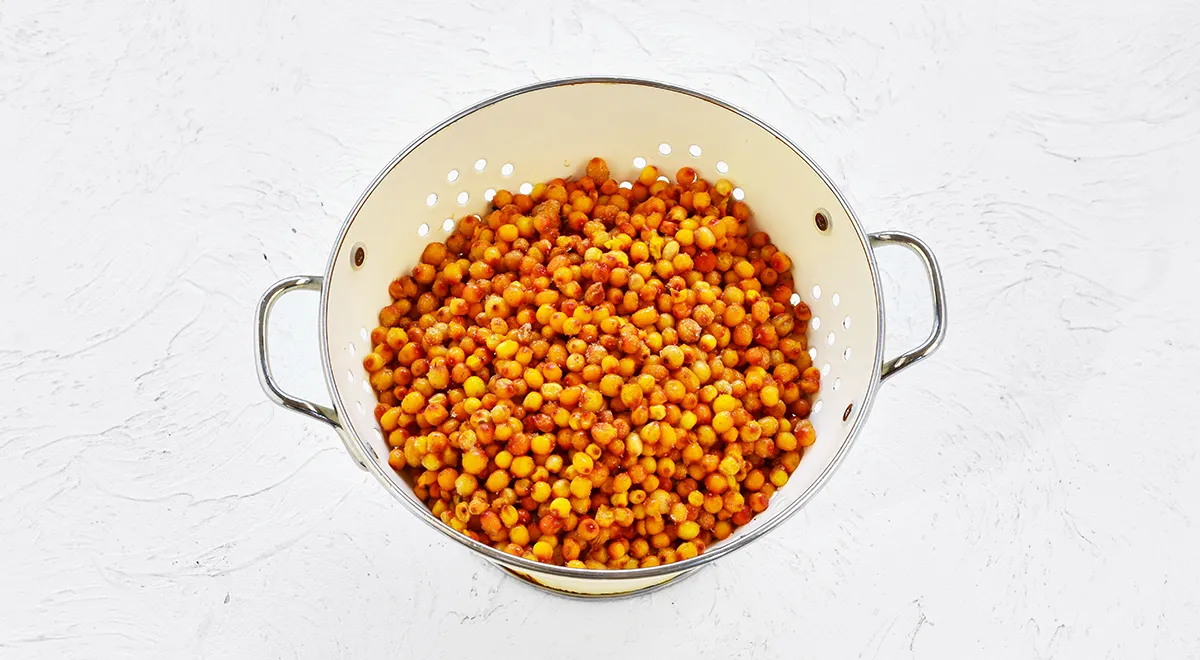
Pick over the sea buckthorn, discarding any leaves, stems, or damaged berries. Rinse thoroughly under cold running water, then spread them on a clean kitchen towel to dry completely. Excess moisture can lead to spoilage. A high-quality juicer isn't needed here, but a gentle hand is.
Step 2: Boil the Water
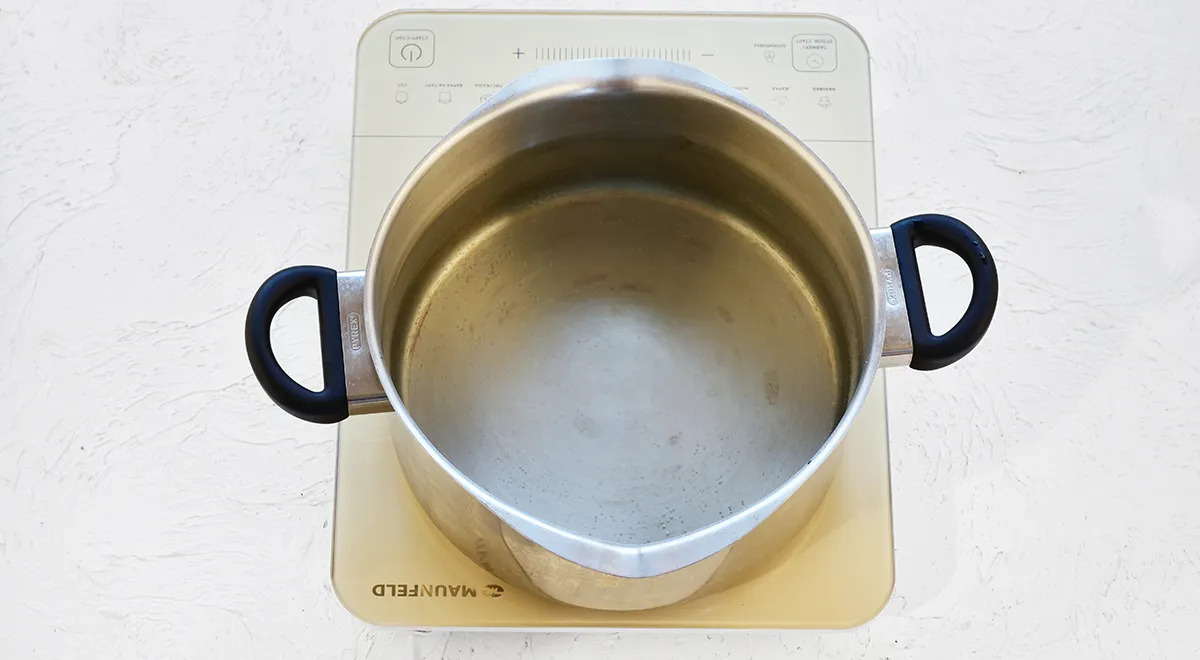
Pour the 3 liters of water into a large pot and bring to a rolling boil over high heat. While it heats, sterilize a 3-liter glass jar and its lid by submerging them in boiling water for 10 minutes, or using a steam cycle. For effortless sterilization, a microwave pressure cooker speeds up the process.
Step 3: First Pour – Infuse the Berries
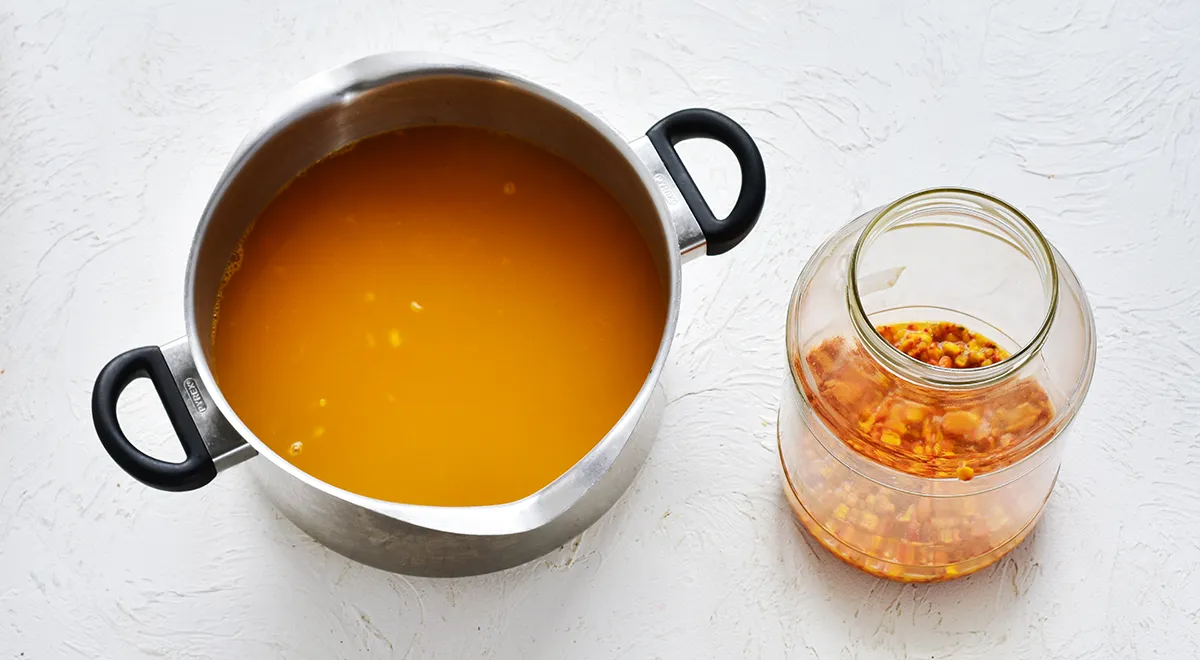
Place the dried sea buckthorn into the sterilized jar. Carefully pour the boiling water over the berries, filling the jar to the brim. Cover loosely with the lid (don't tighten) and let infuse for exactly 15 minutes. The berries will release their color and flavor, turning the water a translucent amber. An immersion blender isn't needed here, but it's handy for other preserves.
Step 4: Prepare the Syrup
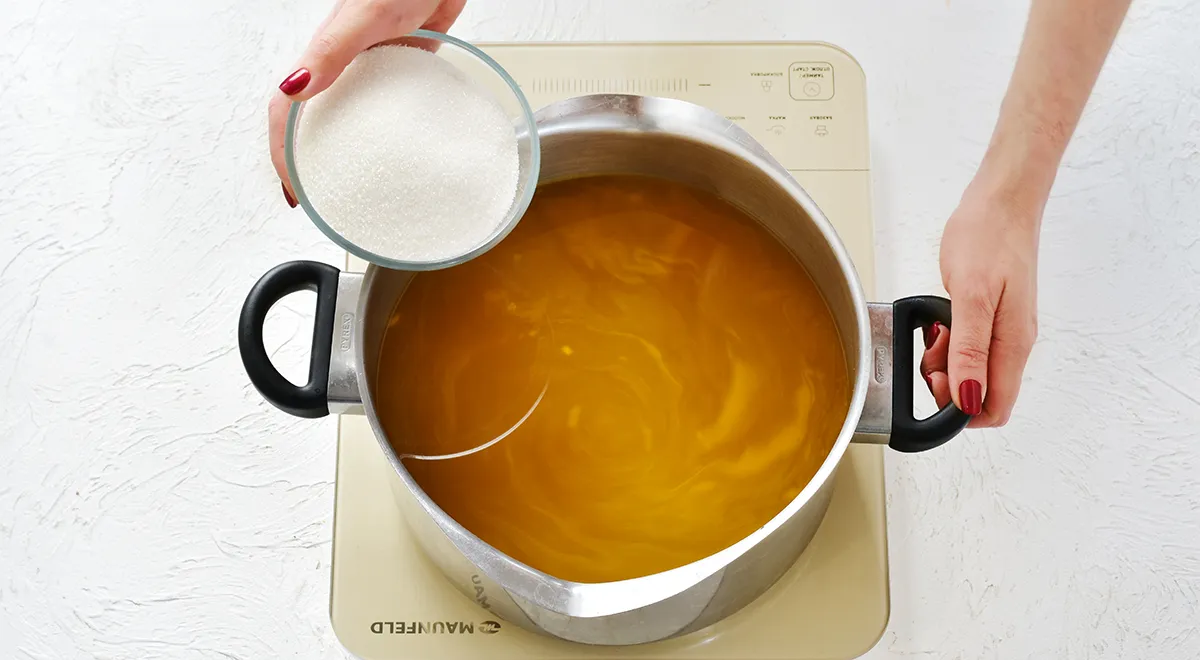
After 15 minutes, pour the infused liquid back into the pot through a fine-mesh strainer. Add the sugar and stir over medium heat until dissolved. Bring to a boil and let it roll for 2 minutes, creating a syrup that carries the berry's essence. If you own a food processor designed for nut butters, you can use it to crush a few berries for extra flavor—though this recipe keeps them whole.
Step 5: Final Fill and Seal
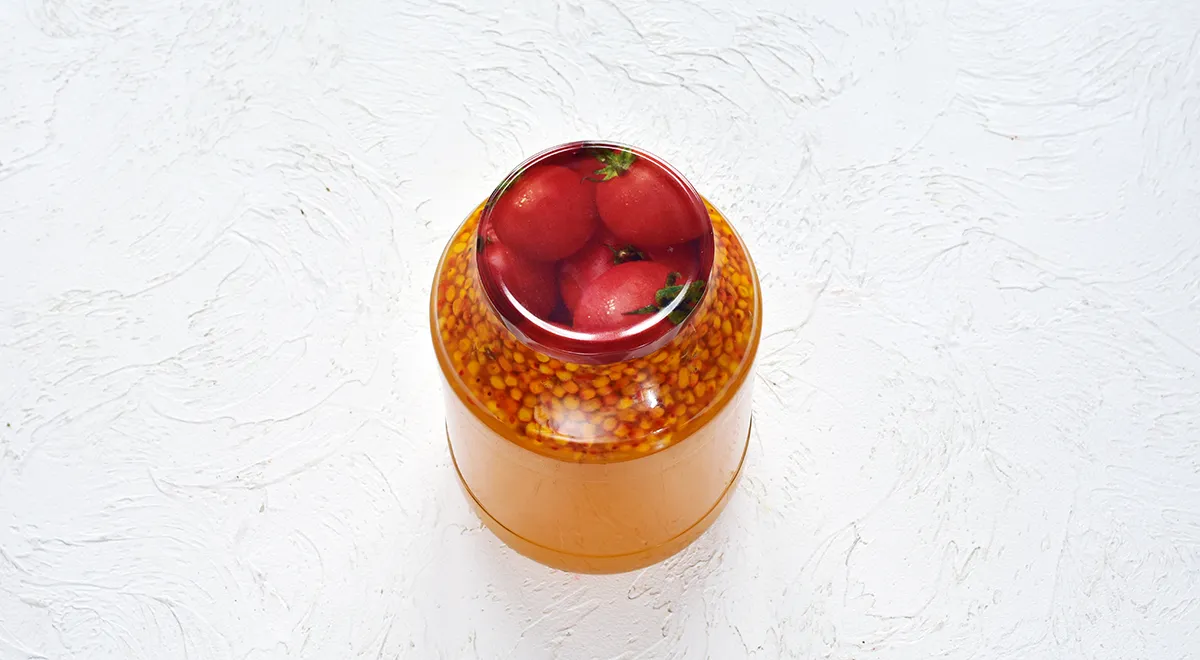
Pour the boiling syrup over the berries in the jar, leaving a small headspace. Wipe the rim clean, then screw on the lid firmly. Invert the jar and wrap it in a thick towel or blanket. Let it cool completely at room temperature for 24 hours. The inversion creates a vacuum seal. For additional safety, check our recommendations for the best glass storage jars. Store the finished compote in a cool, dark place for up to a year.
Tips for Perfect Results
- Sterilization is key: Use a steam canner for effortless jar preparation.
- Don’t skip drying the berries: Moisture can cause fermentation. Pat them gently.
- Adjust sweetness: For a drier profile, reduce sugar to 200 g; for a richer compote, add up to 300 g. An oil sprayer isn't relevant here, but precise measuring tools are.
- Use a wall oven microwave combo with air fryer: Not for canning, but for drying herbs or roasting seeds.
- Cool fully: Rapid temperature changes can crack glass. Let it rest undisturbed.
Variations to Explore
This base recipe invites creativity:
- Spiced Berry Compote: Add a cinnamon stick or three cloves to the syrup for warmth. A premium espresso machine won't help here, but a spice grinder will.
- Mixed Fruit: Combine sea buckthorn with sliced apples or pears. Adjust sugar accordingly.
- Herbal Infusion: Add a sprig of fresh mint or rosemary during the infusion step for a bright twist.
- Low-Sugar Option: Use a natural sweetener like erythritol. For canning, a large refrigerator can store homemade syrups short-term.
- Gift Jars: Decorate with fabric lids and labels. An undercounter ice maker keeps drinks cold for serving.
Frequently Asked Questions
Can I use frozen sea buckthorn?
Yes. Thaw them completely in a colander and pat dry. Frozen berries may release more liquid, so extend the infusion time by 5 minutes. Check commercial convection ovens for drying fruits, though it's not necessary here.
How long does the compote keep?
Stored in a cool, dark, dry place, properly sealed jars last up to 12 months. Once opened, refrigerate and consume within 2 weeks. For long-term storage, a robust coffee maker isn't related, but proper sealing is.
What if I don't have a 3-liter jar?
Use multiple smaller jars, adjusting the infusion time proportionally (e.g., 8–10 minutes for 1-liter jars). Ensure each jar is sterilized. For precision, refrigerant leak detectors aren't needed—but accurate measuring is.
Can I reduce the sugar dramatically?
Yes, but the compote will be much tarter. For a sugar-free option, use a non-caloric sweetener like stevia—though it won't contribute to preservation. Refrigerate and consume within a week. A non-toxic air fryer is excellent for dehydrating leftover berries.
Why is the double-pour method better than traditional canning?
It preserves the berries' texture and bright flavor while eliminating the need for a water bath. The initial pour extracts natural pectins and acids, enhancing the syrup's structure. For more canning innovations, explore our blog on chocolate-covered treats—though it's a different topic.
Final Thoughts
This Winter Sea Buckthorn Compote is more than a drink—it's a taste of fleeting autumn, preserved with care. Double-pour method yields a crystal-clear liquid that dances on the palate, bursting with tangy-sweet notes. Whether you sip it chilled or warm it with honey for a cozy evening, this compote brings the forest's gift to your table. Embrace the tradition, and enjoy a year of golden goodness. Pair it with a fine coffee for a curious contrast, or simply savor it alone.
Recipe sourced from Gastronom.ru, adapted with love for modern preservers.







