


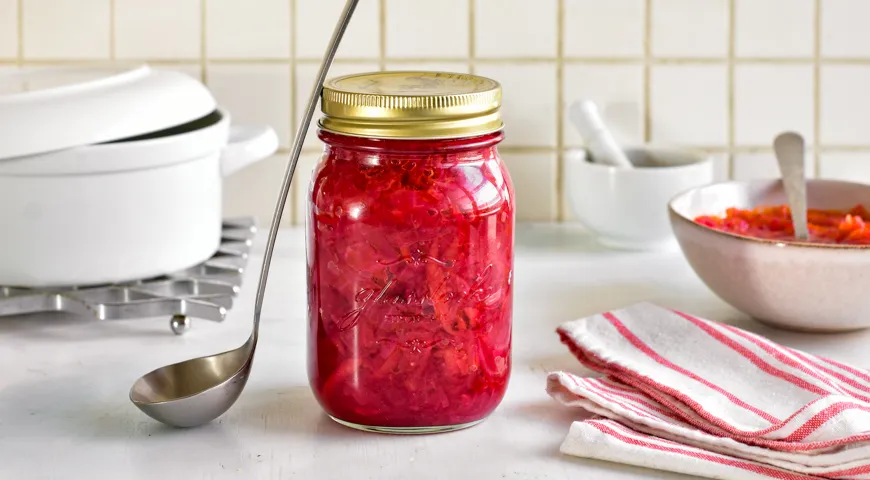
Borscht is the soul of Eastern European cuisine—a deeply flavorful beet soup that warms the heart through long winters. But what if you could capture that soul in a jar, ready to open and serve in minutes? This Winter Borscht in Jars recipe does exactly that. It transforms the classic Ukrainian-Russian borscht into a shelf-stable preserve, perfect for busy nights, camping trips, or a taste of summer’s bounty when snow piles outside. Developed by home canners in the Soviet era, this method uses a precise balance of vinegar, salt, and slow cooking to preserve the vegetables without losing their vibrant color or complex flavor. Unlike freezer-based borscht, these jars require no thawing—just open, heat, and serve with a dollop of sour cream and fresh dill. Whether you are new to canning or a seasoned preserver, this recipe will become a staple in your pantry.
About This Recipe: A Tradition of Preservation
Borscht has been made for centuries across Russia, Ukraine, and Poland, often varying by region. The addition of tomato, cabbage, and root vegetables creates a hearty soup that’s both tangy and earthy. Canning borscht emerged as a practical solution for rural families who needed to preserve the harvest without refrigeration. By lightly pickling the ingredients with vinegar and cooking them thoroughly, the borscht keeps its integrity for up to a year. This recipe yields about 2.5 liters—perfect for filling four 500 ml jars or two 1-liter jars. The key is using glass jars that are properly sterilized; any good steam canner or water bath canner will do the job. The result? A quick, nourishing meal that tastes as if it were freshly made.

Ingredients
- Onion – 400 g
- Carrots – 500 g
- Beets – 1 kg
- Sweet bell peppers – 300 g
- Tomatoes – 800 g
- White cabbage – 600 g
- Vegetable oil – 80 ml
- Salt – 35 g
- Sugar – 50 g
- Black peppercorns – 7 pieces
- Drinking water – 250 ml
- Table vinegar – 70 ml
For the best results, choose firm, sweet beets and ripe, fleshy tomatoes. If you prefer a smoother tomato puree, you can use an immersion blender instead of grating. The vinegar acts as a natural preservative, so do not reduce it unless you plan to freeze the borscht instead.
Step-by-Step Instructions
Step 1: Prep the Vegetables
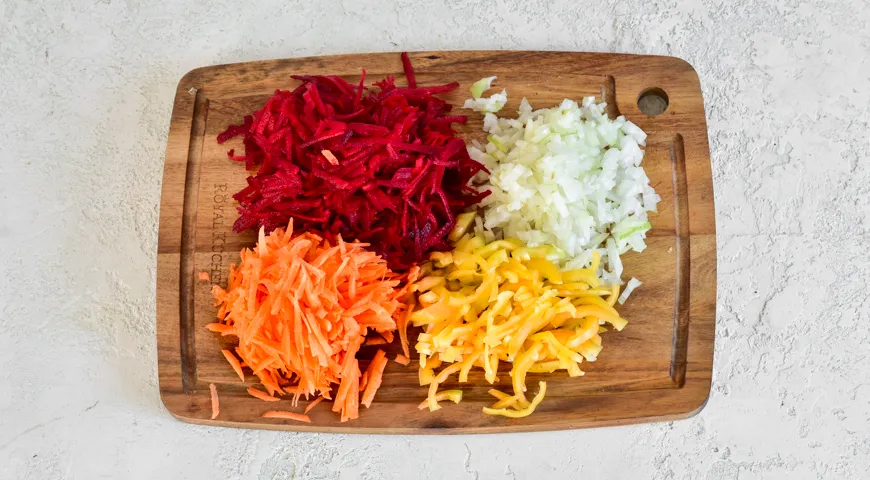
Peel the onion and cut it into small dice. Peel and wash the carrots and beets, then grate them on a coarse grater. Wash the bell peppers, cut in half, remove seeds and membranes, and slice into thin strips. This mise en place ensures even cooking. A quality food processor can speed up grating, but a box grater works beautifully too.
Step 2: Make Tomato Puree
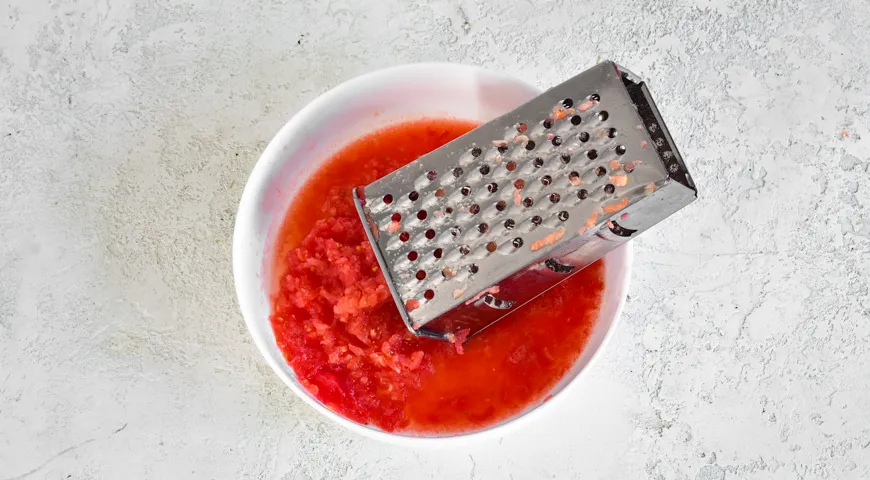
Wash the tomatoes and cut them in half. Grate them on a coarse grater, holding the cut side against the grater. This yields a fresh tomato puree while the skins remain in your hand—discard the skins. You can also use a juicer if you want a smoother puree, but this rustic method adds texture.
Step 3: Blanch the Cabbage
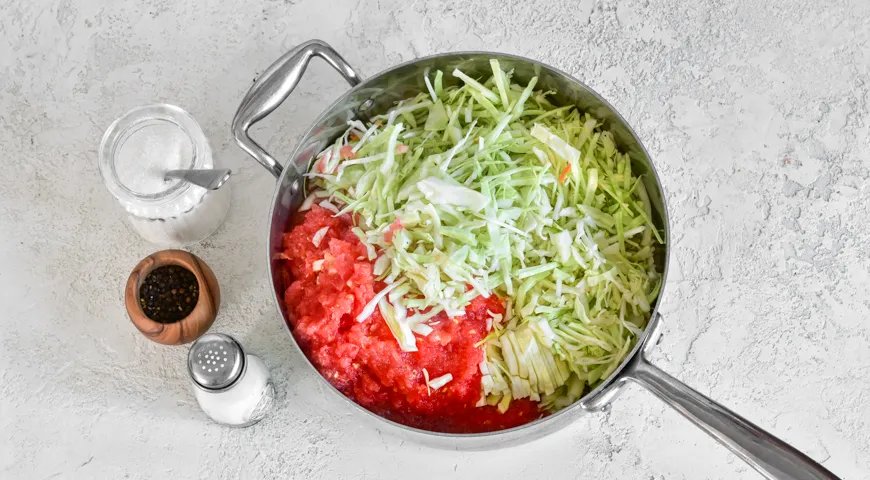
Finely shred the white cabbage. Combine it with the tomato puree in a large sauté pan. Add 35 g salt, 50 g sugar, and the black peppercorns. Pour in 100 ml of the water. Bring to a simmer, then cook over low heat for 7 minutes. This softens the cabbage while infusing it with tomato flavor. Use an oil sprayer to lightly oil the pan if needed, but the moisture from the tomatoes is usually sufficient.
Step 4: Sauté the Root Vegetables
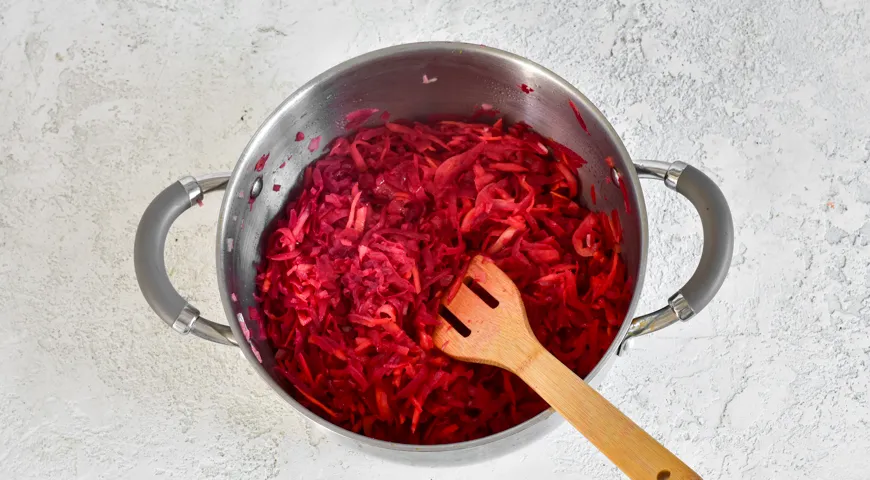
In a large pot, heat half of the vegetable oil (40 ml). Add the diced onion and sauté over medium heat until golden, about 5 minutes. Then add the grated carrots, beets, and sliced bell pepper. Pour in the remaining oil (40 ml) and 30 ml of the vinegar. Stir, cover, and cook for 20 minutes, stirring occasionally. The vinegar helps preserve the beets’ crimson color and adds the classic borscht tang. A planetary mixer can be used for larger batches, but here a heavy-bottomed pot is best.
Step 5: Combine and Finish Cooking
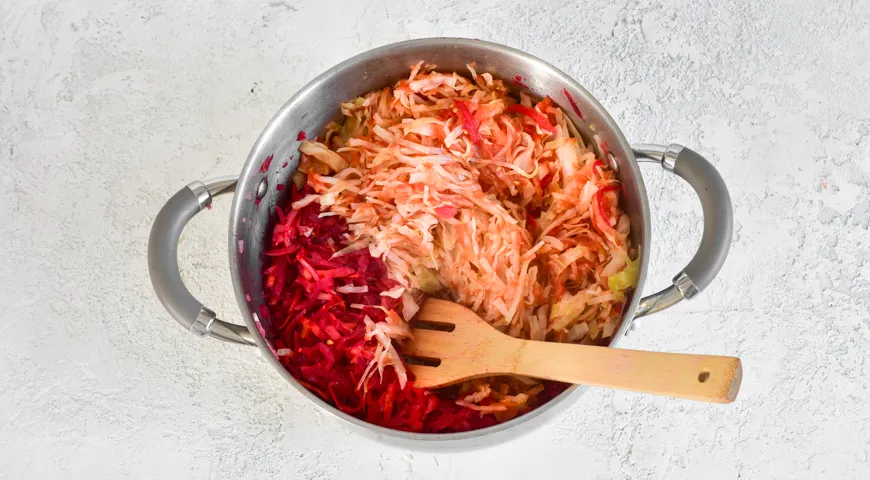
Transfer the cabbage-tomato mixture into the pot with the sautéed root vegetables. Add the remaining 150 ml of water and the remaining 40 ml of vinegar. Taste and adjust salt if needed. Cover and simmer over low heat for 10 minutes. The borscht should be thick but juicy. If you prefer a thinner consistency, add a little more water or use a pressure cooker for a quicker version, but this slow simmer develops depth.
Step 6: Jar and Seal
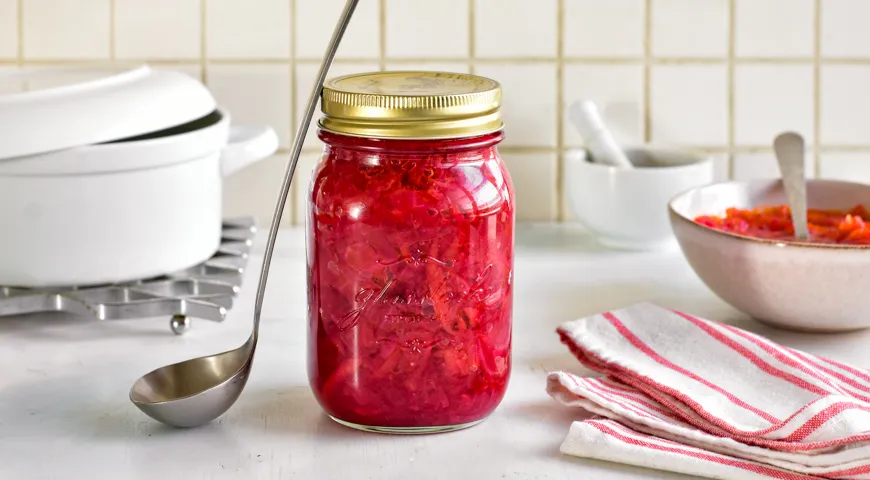
While the borscht is still hot, ladle it into dry, sterilized jars. Wipe the rims clean, seal with lids, and turn the jars upside down on a folded towel. Wrap them in a warm blanket and let cool completely. This creates a vacuum seal. For extra safety, you can process the jars in a steam canner for 20 minutes. Store in a cool, dark place—they’ll keep for up to a year.
Tips for Perfect Canned Borscht
- Use fresh, firm beets—they hold their color best. Avoid any with soft spots.
- Sterilize jars and lids properly; a refrigerator is not needed for storage, but clean equipment is crucial.
- Do not skip the vinegar; it ensures safe preservation. If you want a less tangy taste, use a milder vinegar like apple cider.
- Let the borscht sit for at least 2 weeks before opening to allow flavors to meld—the best jars are those aged a month.
- When serving, you can add cooked meat or beans for a heartier meal. A dollop of sour cream and fresh herbs are traditional.
Variations to Explore
This base recipe is wonderfully versatile. For a vegan version, omit any meat and use a splash of vodka (optional) for depth. Add a handful of chopped dill or parsley to each jar before sealing for an herby note. If you prefer a smokier flavor, roast the beets before grating—this adds a caramelized complexity. You can also swap half the cabbage for kale or chard. For a low‑sugar option, reduce the sugar to 25 g and use a sugar substitute. The borscht can also be frozen instead of canned; simply leave out the vinegar and cool completely before pouring into freezer-safe containers. For those with a sweet tooth, a touch of chocolate is not traditional, but a pinch of cocoa powder can add richness to the broth.
Frequently Asked Questions
How long does canned borscht last?
When stored in a cool, dark pantry, properly sealed jars of borscht will keep for up to 12 months. Once opened, refrigerate and consume within 5 days. Always check for signs of spoilage like mold, off‑odor, or bulging lids.
Can I reuse the vinegar from a previous batch?
No, always use fresh vinegar for each batch to ensure proper acidity. Old vinegar may have weakened concentration. If you need to measure pH, a leak detector is not necessary, but a simple pH strip can help.
Do I need to pressure can this borscht?
No, because it has enough vinegar (70 ml per batch) to be safe in a water bath or steam canner. However, if you add meat or low‑acid vegetables, you must pressure can. Follow convection oven roasting for meat if you decide to add it later.
Can I double the recipe?
Absolutely. Just adjust the pot size accordingly. A large refrigerator may not hold all the jars, but a pantry does. Make sure to stir well when doubling to ensure even cooking.
What if my borscht tastes too vinegary?
Let it age for at least a month—the acidity mellows over time. If still too sharp, add a pinch of sugar or a grated potato when reheating. For a milder version, use a non‑toxic approach: reduce vinegar to 50 ml and increase water to 270 ml, but then you must freeze the borscht instead of canning.
Can I use a food processor to grate the beets?
Yes, a food processor with a grating disc saves time and effort. Just be careful not to overprocess—coarse shreds are best. A sponge cake recipe might use a fine grater, but for borscht coarse works.
Enjoy your homemade Winter Borscht in Jars. It’s a labor of love that pays off with every steaming bowl, reminding us that the best meals are those prepared with patience and care. For more preserving inspiration, explore our blog on canning and coffee pairings to complement your winter meals.







