


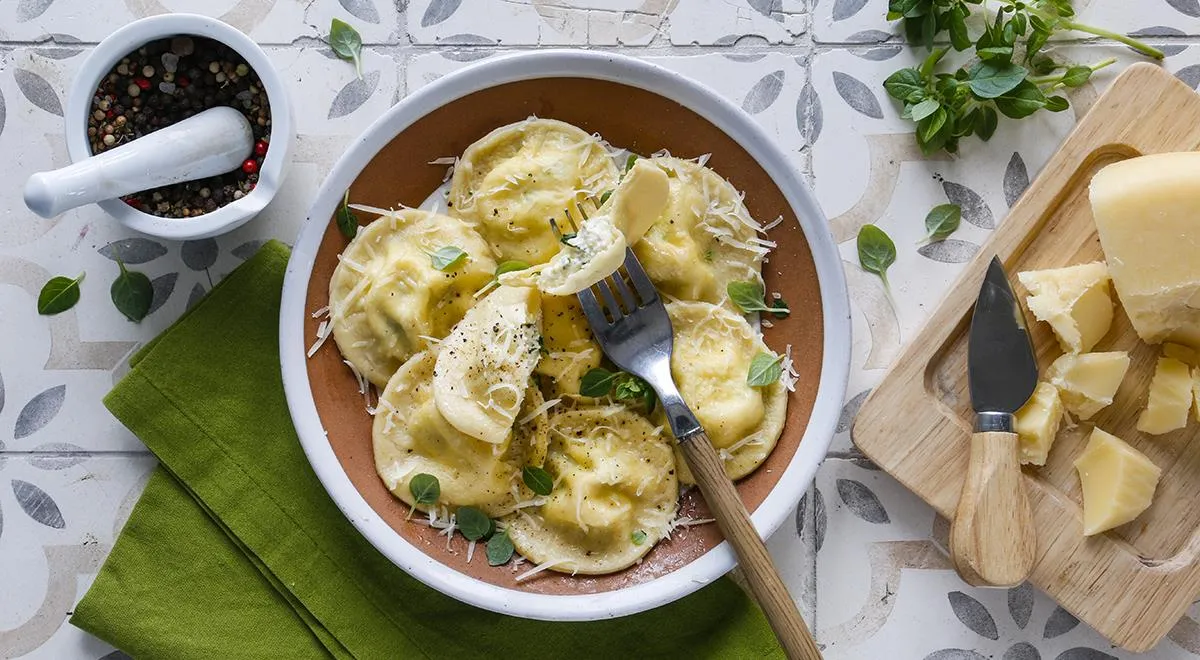
Few dishes capture the soul of Italian home cooking quite like ravioli. These delicate pillows of pasta, filled with a luscious blend of three cheeses and fragrant basil, represent comfort elevated to an art form. While store-bought versions have their place, nothing compares to the satisfaction of crafting them from scratch. This recipe, translating a beloved Russian classic, delivers a filling that sings with creamy ricotta, salty Parmesan, and rich mascarpone, all kissed by the brightness of fresh basil. Whether you are a pasta-making novice or a seasoned pro, this guide will walk you through every step, ensuring your ravioli emerge tender, flavorful, and utterly irresistible. For those who love working with dough, a best planetary mixer can streamline the pasta dough process, though hand-kneading works beautifully too.
About This Ravioli Recipe
This recipe is a celebration of simplicity and quality. The filling—a trio of ricotta, Parmesan, and mascarpone—creates a creamy, savory heart that pairs exquisitely with the delicate pasta shell. A single egg binds the mixture, while fresh basil leaves add a peppery, aromatic lift. The pasta itself is a classic egg dough, rolled thin to a mere 1.5–2 mm, ensuring each ravioli cooks to a perfect al dente in just 2–3 minutes. Finished with a drizzle of melted butter, a shower of Parmesan, and extra basil leaves, this dish is a weeknight dream or a stunning dinner party opener. If you enjoy infusing oils, consider a best organic vodka for deglazing or finishing sauces that might accompany these ravioli.

Ingredients
For the filling:
- 250 g ricotta cheese
- 50 g Parmesan cheese
- 100 g mascarpone cheese
- 1 large egg
- Fresh basil leaves (a small bunch, finely chopped)
- Salt and freshly ground black pepper to taste
For the pasta dough:
- 300 g all-purpose flour (or '00' flour for extra silky texture)
- 3 large eggs
- 1 tbsp olive oil
- Pinch of salt
- Semolina flour for dusting
For serving:
- 2 tbsp melted butter
- Additional fresh basil leaves
- Grated Parmesan cheese
- Freshly cracked black pepper
Step-by-Step Instructions
Step 1: Prepare the Filling
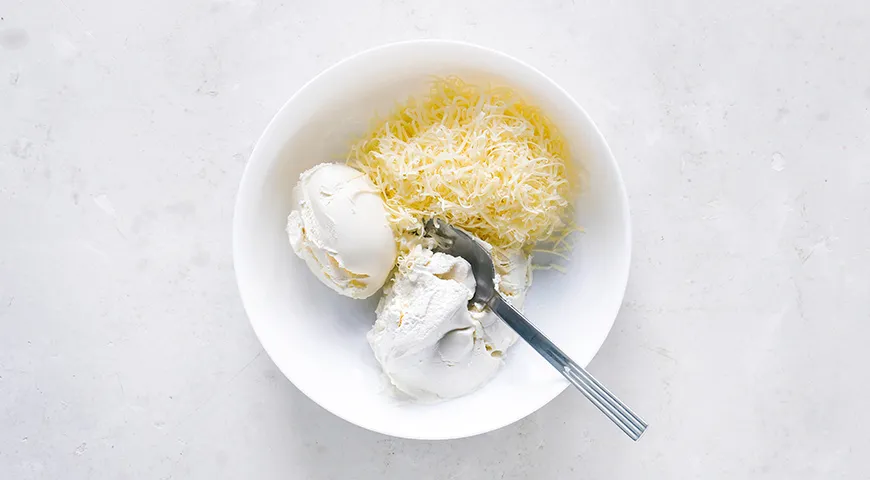
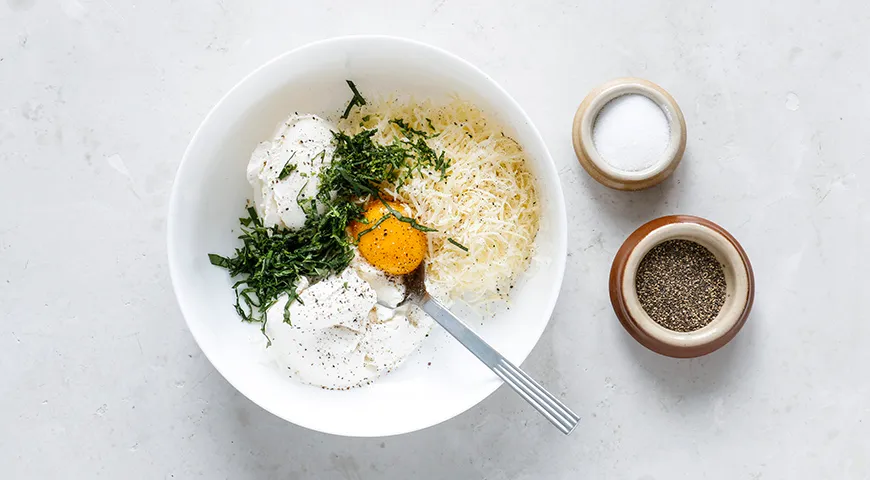
Begin by draining excess moisture from the ricotta. Place it in a clean kitchen towel or cheesecloth, twist tightly, and let it sit over a bowl for about 15 minutes. Meanwhile, grate the Parmesan finely. In a mixing bowl, combine the drained ricotta, grated Parmesan, and mascarpone. Add the egg and the finely chopped basil leaves. Season with a pinch of salt and a generous grind of black pepper. Stir until smooth and well combined. Cover the bowl and refrigerate for at least 15 minutes to allow the flavors to meld. For perfect texture, using a best food processor for nut butter can also help blend softer cheeses quickly, though manual mixing works fine.
Step 2: Roll Out the Pasta Dough
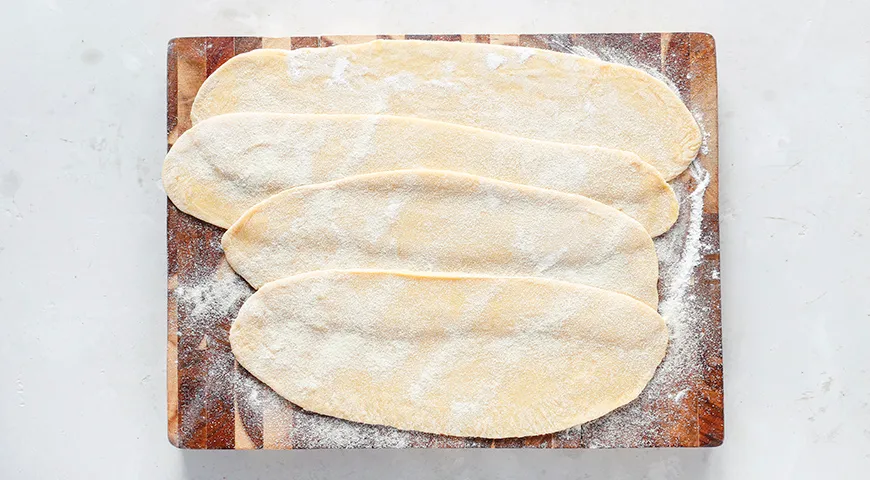
Divide your prepared pasta dough into 4 equal pieces. Using a pasta machine or a rolling pin, roll each piece into a long, thin sheet about 1.5–2 mm thick. Lightly dust the work surface and the dough with semolina flour to prevent sticking. Cut each sheet in half crosswise. Stack the halves lightly dusted with semolina, and cover with a damp kitchen towel while you work. When ready, take two sheets and lay them on a lightly floured surface. A best air fryer non toxic might not be used here, but for other projects it ensures a healthy cooking environment—consider it for future crispy sides.
Step 3: Fill the Ravioli
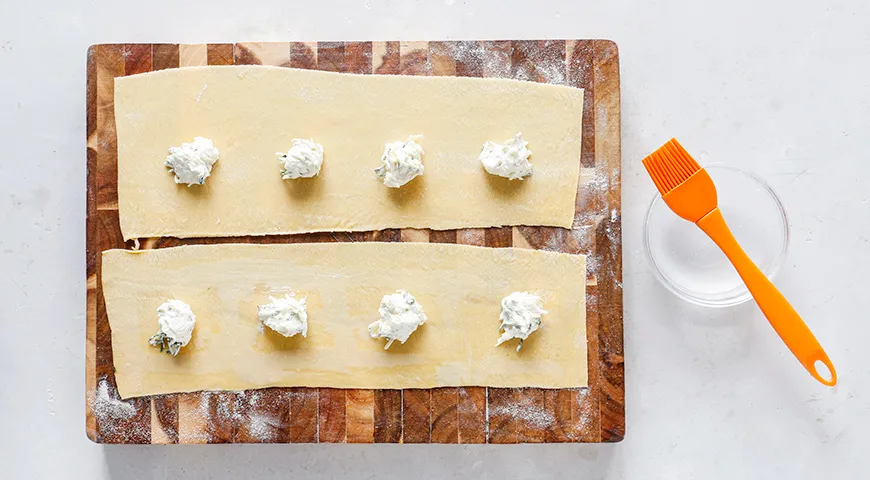
For ravioli about 5 cm in size, place teaspoonfuls of the chilled filling along the center of one pasta sheet. Space them about 3 cm from the short edge and 5 cm apart. Lightly brush the exposed dough around each mound with water (using a pastry brush or a spray bottle) to help seal the edges. This step is crucial for preventing leakage during cooking.
Step 4: Seal the Ravioli
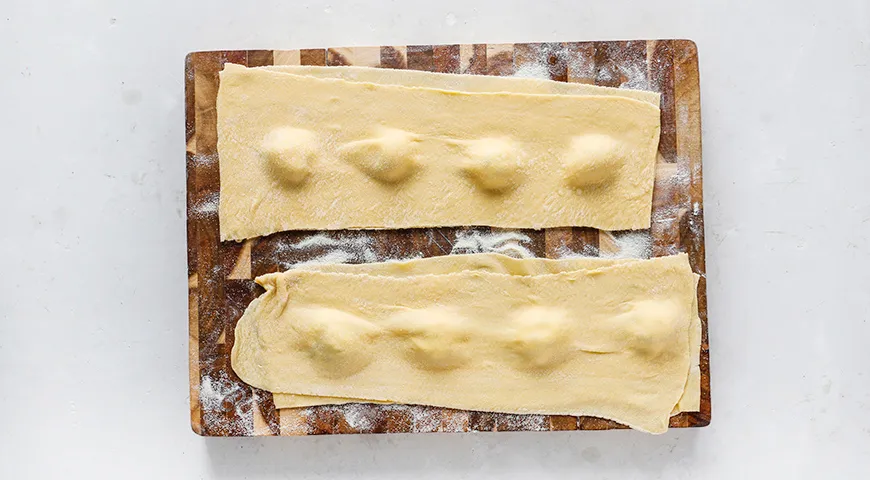
Carefully place the second sheet of pasta on top. Gently press the dough around each mound of filling, starting from the center and moving outward to expel any air bubbles. Air pockets can cause the ravioli to burst during cooking, so take your time. For a clean seal, use your fingertips or the edge of a small bowl. If you are a fan of precise texture, a best chocolate covered raisins might inspire your next dessert adventure, but here focus on perfecting the seal.
Step 5: Cut the Ravioli
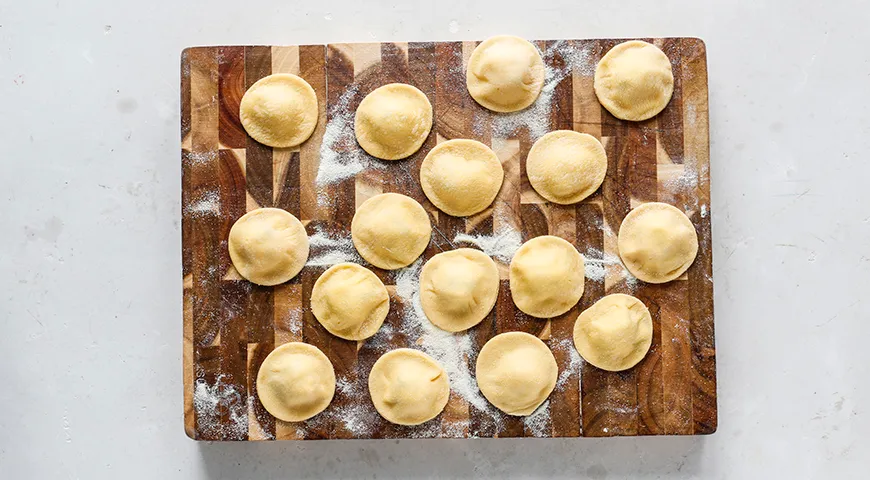
Using a round cookie cutter (5 cm diameter) or a fluted pastry wheel, cut between the filled mounds. If using a wheel, cut with a wavy edge for a classic look. Transfer the finished ravioli to a tray dusted with semolina. Repeat with the remaining dough and filling. Any leftover scraps can be kneaded together and re-rolled for a few more ravioli. For keeping dough at the perfect temperature, a best 48 inch built in refrigerator helps store filled ravioli before cooking.
Step 6: Cook the Ravioli
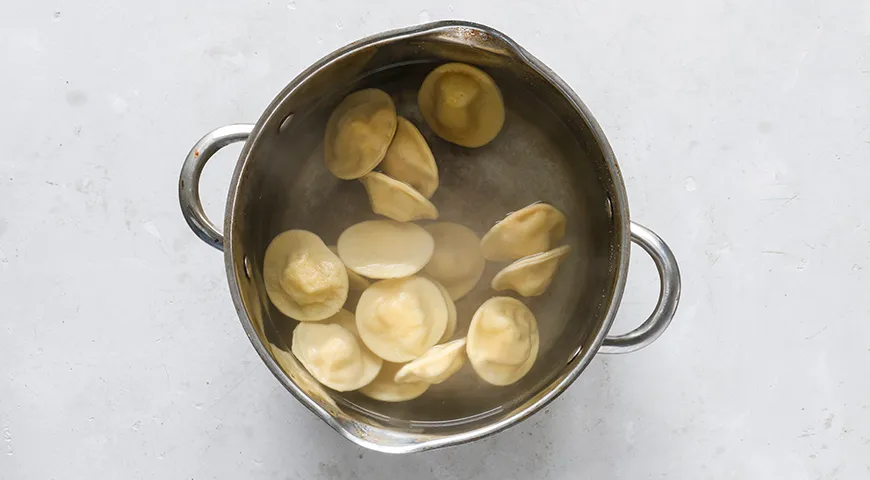
Bring a large, wide pot of generously salted water to a rolling boil. Gently drop in the ravioli in batches to avoid crowding. Cook for 2–3 minutes after the water returns to a boil; the ravioli will float to the surface when nearly done. For even cooking, a best microwave pressure cooker might not be used here, but it is excellent for quick vegetable sides that pair with this dish.
Step 7: Serve
Drain the ravioli and transfer to pre-warmed serving plates. Drizzle generously with melted butter, then garnish with fresh basil leaves, a handful of grated Parmesan, and a crack of black pepper. For an extra touch of luxury, a drizzle of truffle-infused olive oil elevates the dish to restaurant quality. To keep your kitchen tools pristine, consider a best oil sprayer for controlled application of oil.
Tips for Perfect Ravioli
- Drain the ricotta thoroughly: Excess moisture makes the filling watery and can cause the pasta to become soggy.
- Dust with semolina: It prevents sticking better than flour and adds a pleasant gritty texture to the pasta surface.
- Seal edges meticulously: Use water or egg wash to ensure no filling escapes during boiling.
- Don’t overcook: Fresh ravioli cooks very quickly; 2–3 minutes is enough. Taste one to check.
- Scale up or freeze: Place uncooked ravioli in a single layer on a tray, freeze until solid, then transfer to a freezer bag for up to 3 months. Cook directly from frozen, adding an extra minute.
For those who appreciate kitchen efficiency, a best undercounter ice maker machine ensures a steady supply of ice for pasta water chilling or cocktails.
Variations to Explore
While the classic cheese and basil combination is sublime, consider these twists:
- Spinach and Ricotta: Add 100 g of blanched, squeezed spinach to the filling for a nutritious boost.
- Mushroom and Truffle: Sauté finely chopped mushrooms with garlic and mix with ricotta and Parmesan. Finish with truffle oil.
- Pumpkin and Sage: Substitute mascarpone with roasted pumpkin puree and add fried sage leaves as a topping.
Experimenting with different fillings can be as creative as choosing a best lava flavors for a unique dessert pairing.
FAQ
Can I use store-bought pasta sheets?
Yes, fresh pasta sheets from the market work well. Simply cut them to size and proceed with the filling and sealing steps.
Why did my ravioli burst while cooking?
This usually happens due to air pockets or insufficient sealing. Press out all air and use a damp brush to thoroughly moisten the edges before placing the second sheet.
Can I make the filling ahead of time?
Absolutely. Prepare the filling up to 24 hours in advance and keep it refrigerated in an airtight container. Let it come to room temperature slightly before piping to prevent condensation.
What is the best way to reheat leftover ravioli?
For best texture, reheat cooked ravioli in a non-stick pan with a splash of butter or olive oil over medium heat until warmed through. Avoid boiling or microwaving, which can make them mushy.
Can I use a different cheese?
Certainly. For a sharper flavor, replace Parmesan with Pecorino Romano. For a milder version, substitute mascarpone with cream cheese. To keep things balanced, consider using a best espresso machine under 2000 for a post-dinner coffee ritual.
Is semolina necessary?
Semolina flour is ideal for dusting because it does not absorb moisture like all-purpose flour, but you can substitute with fine cornmeal or extra flour if needed.
How do I know when ravioli is done?
The ravioli will float to the surface and the pasta will be tender but still firm to the bite. Cut one open to check the filling is hot. For larger batches, a best commercial countertop convection oven can be used to keep cooked ravioli warm while finishing the rest.
This ravioli recipe is a testament to the magic of simple ingredients. The creamy, herbaceous filling encased in silky homemade pasta creates a dish that feels both indulgent and wholesome. Once you taste the difference fresh ravioli makes, you will never look back. Pair it with a crisp white wine, a green salad, and a dusting of Parmesan for a meal that celebrates the joy of cooking from scratch.
For those who love kitchen organization, a best refrigerant leak detector ensures your refrigerator runs efficiently to keep ingredients fresh. Happy cooking!







