


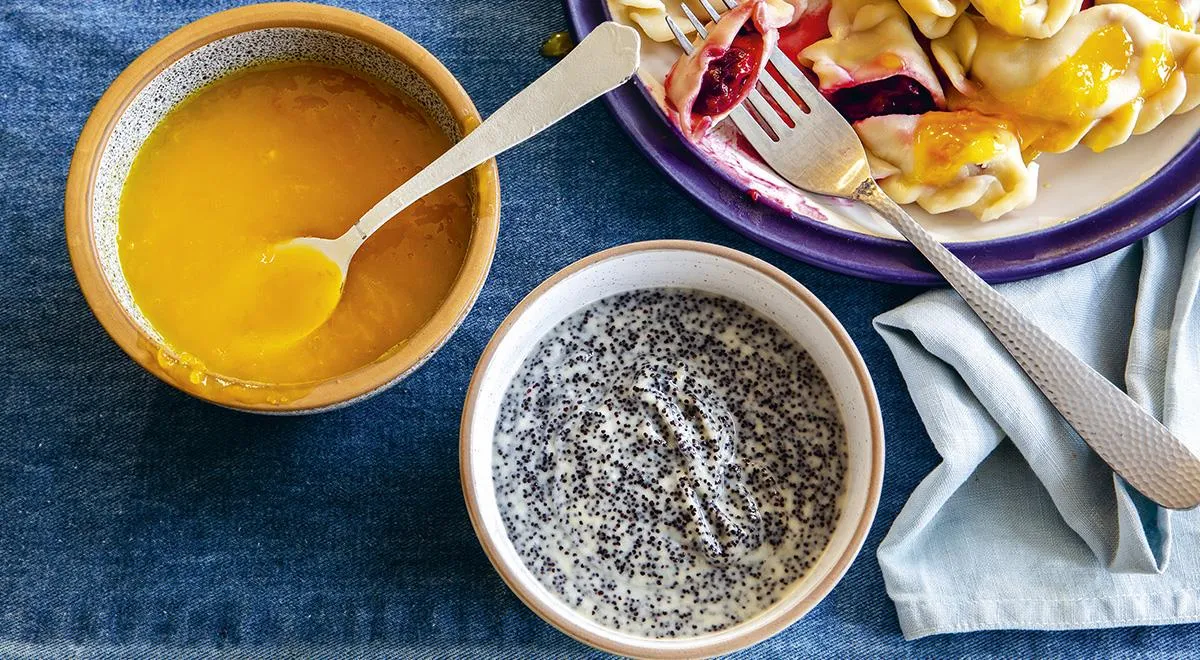
Sweet, nutty, and impossibly creamy, poppy seed sauce (маковый соус) is a hidden gem of Slavic home cooking. This luscious condiment, made from sour cream, butter, sugar, and poppy seeds, transforms simple breakfast dishes like syrniki (cheese pancakes), vareniki, oladyi, and blini into something extraordinary. Poppy seeds bring a delicate earthy crunch and a wealth of nutrients—they are particularly rich in calcium, vitamin E, and manganese. Whether you are reviving a family tradition or discovering new flavors, this sauce is a revelation. For more inspiration on pairing sauces with various dishes, explore our guide to the best non-toxic air fryer for perfectly crisp syrniki every time.
About Poppy Seed Sauce
Poppy seed sauce is a sweet, warm sauce that bridges the gap between a topping and a dessert. In Russian cuisine, it is often served alongside cheese-based pancakes or dumplings, but its versatility extends to drizzling over ice cream, pancakes, or even French toast. The magic lies in the texture: whole poppy seeds soften in hot water, then cook gently with butter and sugar before being stirred into sour cream. The result is a smooth, speckled sauce with a nutty aroma. If you enjoy the flavor of poppy seeds in pastries, this sauce will quickly become a favorite. For best results, use high-quality dairy—check our best oil sprayer recommendations to keep your cooking tools in top shape.

Ingredients
- 300 g sour cream (full-fat recommended)
- 50 g unsalted butter
- 2 tablespoons poppy seeds
- 3 tablespoons granulated sugar
That's all you need for a sauce that tastes much more complex than its short ingredient list suggests. The sour cream provides tanginess and body, while the butter adds richness. Poppy seeds contribute both flavor and nutrition—they are packed with calcium, folate, and phosphorus. For precise measurement, a reliable refrigerant leak detector isn't necessary here, but a good kitchen scale helps. If you want to experiment with alternative sweeteners, see our reviews of best castor oil for non-food uses.
Step-by-Step Instructions
Step 1: Place the poppy seeds in a small saucepan and pour in 100 ml of boiling water. Let them sit for 15 minutes to soften, then carefully drain off the excess water.
Step 2: Add the butter and sugar to the saucepan with the poppy seeds. Heat over low flame for 2 minutes, stirring constantly, until the butter melts and the sugar dissolves. Pour in the sour cream, stir to combine, and bring the mixture just to a boil. Remove from heat immediately and transfer the sauce to a glass or ceramic container. It will thicken slightly as it cools. For an even smoother texture, you can blitz the finished sauce with an immersion blender or a food processor.
Tips for the Perfect Poppy Seed Sauce
Use full-fat sour cream for the richest consistency and most stable emulsion. Low-fat versions may curdle when heated. Toast the poppy seeds briefly before soaking to intensify their nutty flavor—this step is optional but recommended. Stir continuously while cooking to prevent the sauce from scorching. For a thinner sauce, add a splash of milk; for a thicker sauce, let it simmer a minute longer but avoid boiling for too long. If you are serving this sauce at a party, keep it warm in a commercial countertop convection oven set to low. Store leftovers in the fridge for up to five days.
Variations
This basic sauce is a canvas for creativity. Add a teaspoon of vanilla extract or a cinnamon stick while heating for warmth. Swap half the sour cream with heavy cream for a lighter sauce. For a citrusy twist, stir in a tablespoon of orange zest. Poppy seed sauce also pairs beautifully with fruit compotes or as a filling for crepes. If you prefer a sugar-free version, use honey or maple syrup—adjust the quantity to taste. For those who love experimenting, try this sauce with Catalan sponge cake for a cross-cultural dessert. And if you need a dairy-free alternative, see our guide on best wheatgrass juicer for plant-based kitchen tools.
Frequently Asked Questions
Can I use milk instead of sour cream?
Milk will produce a much thinner sauce and lacks the tanginess of sour cream. If you must substitute, use Greek yogurt or crème fraîche for similar thickness and acidity.
How long does poppy seed sauce keep?
Store it in an airtight container in the refrigerator for up to 5 days. Reheat gently over low heat or in the microwave in short bursts, stirring frequently.
Is this sauce gluten-free?
Yes, all ingredients—poppy seeds, sour cream, butter, sugar—are naturally gluten-free. Always check labels on packaged butter and sour cream to ensure no cross-contamination.
Can I reduce the sugar?
Absolutely. The sauce will be less sweet but still delicious. You can also substitute with a sugar alternative like stevia or erythritol, but note that texture may change slightly.
What can I serve with poppy seed sauce?
It is classic with syrniki, blini, vareniki, and oladyi. It also works well on pancakes, waffles, French toast, or spooned over vanilla ice cream. For a savory twist, try it on roasted carrots or sweet potatoes.
Why did my sauce curdle?
Curdling occurs when the sour cream is overheated or combined with acidic ingredients too quickly. Always use low heat and stir constantly. If it does curdle, you can sometimes fix it with a quick blitz using an immersion blender.
Can I make this sauce in advance?
Yes, it keeps well. Prepare it a day ahead and store in the fridge. Gently reheat before serving. The poppy seeds will continue to soften, making the sauce even creamier.
To elevate your breakfast routine, this poppy seed sauce is a must-try. Its straightforward technique and luxurious taste make it a staple for special mornings or holiday brunches. For more kitchen inspiration, check our reviews of best planetary mixer for making syrniki dough, or explore sweet wines to pair with your poppy seed creations. Don't forget to stock your pantry with quality ingredients—our best built-in refrigerator guide ensures your poppy seeds stay fresh. And for coffee lovers, a espresso machine is the perfect companion to a sweet breakfast. Finally, consider using a glass food storage container to store your sauce safely.







