


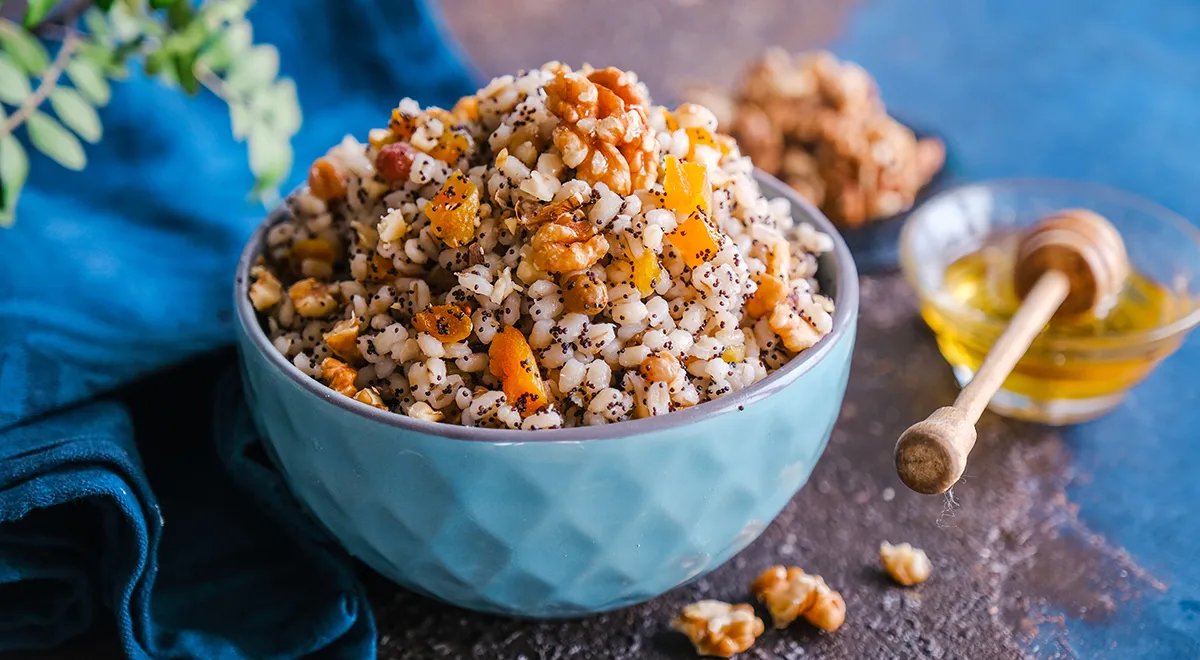
Kutya is a soulful, ancient grain porridge that has graced Eastern European tables for centuries, most notably during the Christmas season. This version, made with pearl barley, honey, poppy seeds, and dried fruits, offers a wholesome, sweet, and deeply satisfying dish. More than just dessert, Kutya symbolizes prosperity, unity, and the cycle of life. Its subtle chewiness from the barley, the nutty pop of poppy seeds, and the natural sweetness of honey and dried apricots create a symphony of textures and flavors. Our recipe elevates this rustic classic with precise techniques and quality ingredients, ensuring a memorable experience.
About Kutya: A Culinary Tradition
Kutya, also known as kutia or kutja, is a ceremonial dish traditionally served as the first of twelve meatless dishes on Christmas Eve in Ukrainian, Russian, Polish, and Lithuanian cultures. Each ingredient carries deep symbolism: grains represent eternal life, honey signifies sweetness and good health, poppy seeds promise abundance, and dried fruits bring happiness. While ancient versions often used whole wheat, our pearl barley rendition offers a more accessible, tender bite. This dish is best made ahead to allow flavors to meld, and it can be served warm or at room temperature. For more on grain-based dishes, explore our guide to Catalan sponge cakes (a different tradition) or discover the versatility of microwave pressure cookers for speedy grain preparation.

Ingredients
- 300 g pearl barley (perlovka)
- 1 L drinking water
- 130 g confectionery poppy seeds
- 80 g raisins
- 80 g dried apricots (apricot)
- 80 g shelled walnuts
- 50 g dark honey
- 50 g brown sugar
- Pinch of salt
For the best results, choose high-quality pearl barley and fresh poppy seeds. If honey is crystallized, gently warm it. Walnuts can be substituted with almonds or pecans. For inspiration on using dried fruits, check our selection of best chocolate-covered raisins or try a non-toxic air fryer for quick dried fruit rehydration.
Step-by-Step Instructions
-
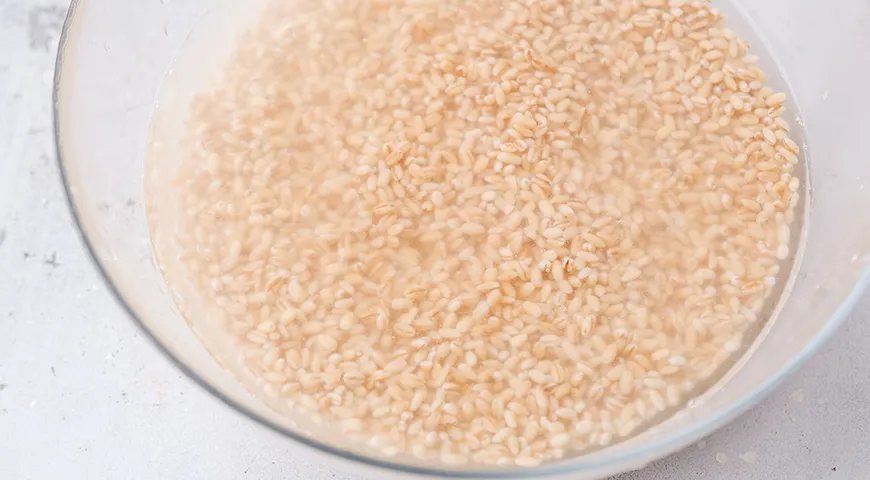
Prepare the pearl barley. Place the barley in a colander and rinse thoroughly under cold running water. Transfer to a large bowl and cover with cold water (water should be about 2 cm above the barley). Soak for 4 hours.
-
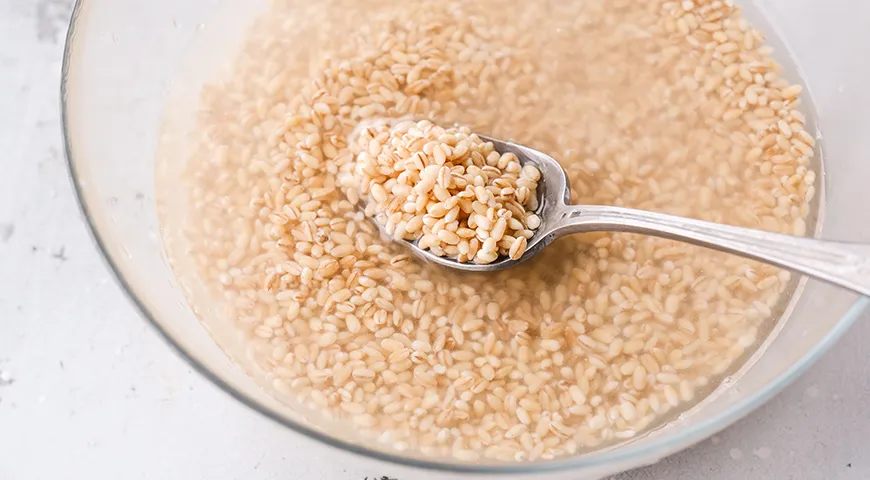
Cook the barley. Drain the soaked barley in a colander and rinse again. Place in a saucepan, add 1 L of water and the pinch of salt. Bring to a boil, then reduce heat to low, cover, and simmer for 1 hour until tender but still slightly chewy.
-
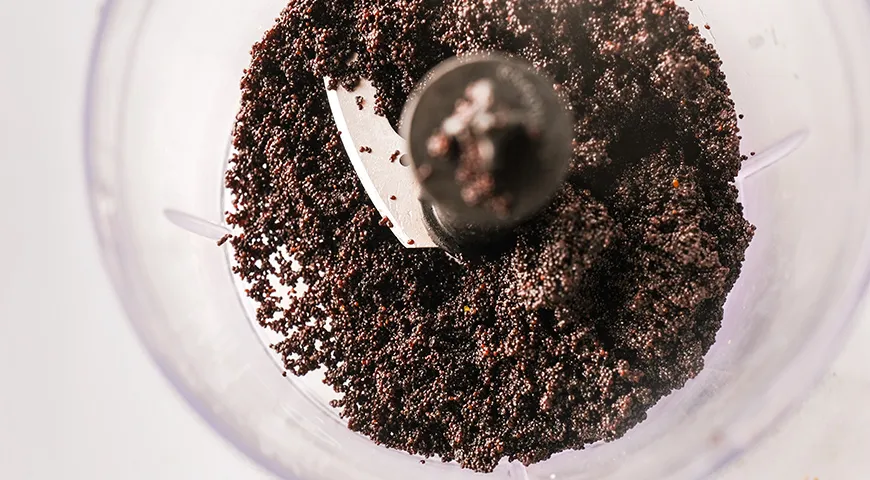
Prepare the poppy seeds. Place the poppy seeds in a bowl and pour boiling water over them to cover completely. Cover and let steep for 1 hour. Drain the water, then grind the poppy seeds in a blender until pasty. A high-speed blender works best; consider a food processor for nut butters for similar tasks.
-
Rehydrate dried fruits and chop walnuts. Wash raisins and dried apricots. Place each in a separate bowl and cover with boiling water. Soak for 15 minutes. Drain apricots and finely chop. Finely chop the walnuts with a large knife. If honey is crystallized, warm it gently. For efficient chopping, consider a planetary mixer or immersion blender for small batches.
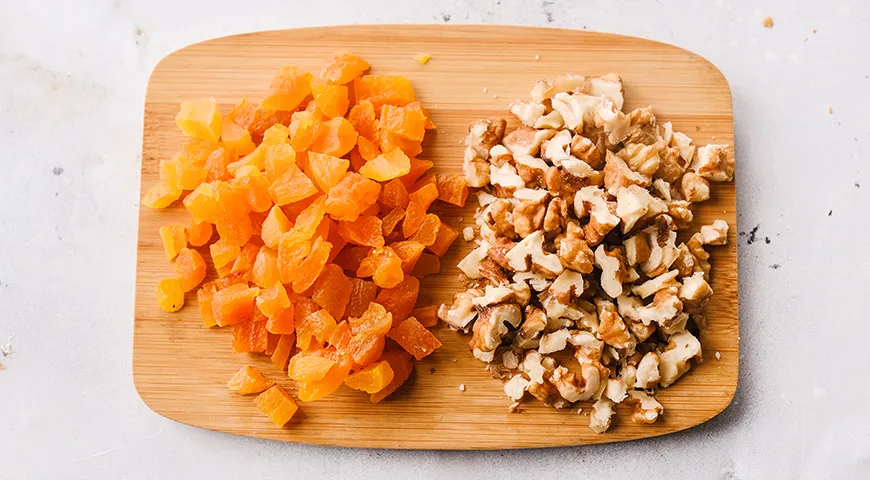
-
Combine all ingredients. In a large bowl, mix the hot cooked barley with brown sugar, honey, ground poppy seeds, raisins, chopped apricots, and walnuts. Stir thoroughly until well combined. Serve in individual bowls, garnished with walnut halves if desired.
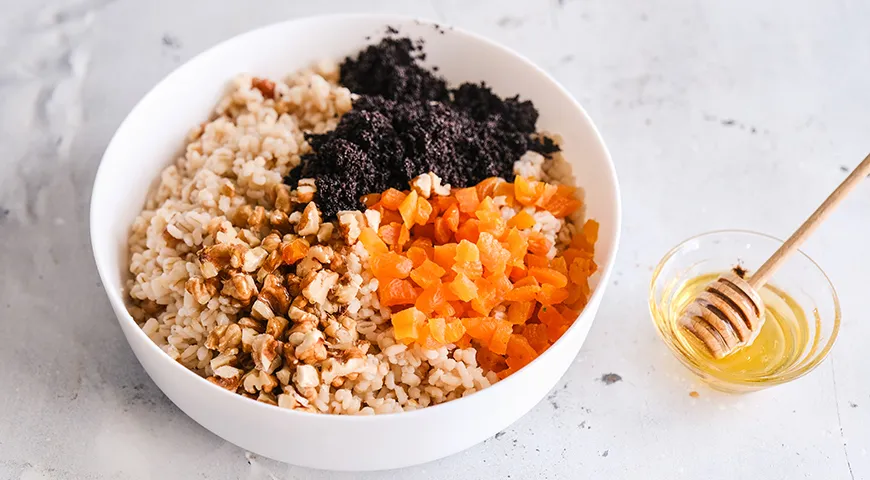
For perfect hydration, a undercounter ice maker can supply filtered water for soaking. If you enjoy sweet porridges, explore our best sweet wines for pairing.
Tips for the Perfect Kutya
- Soaking is key: Never skip the 4-hour soak — it ensures even cooking and a creamy texture. Use a steam canner to maintain moisture if cooking large batches.
- Poppy seeds: Grinding them while still warm from steeping releases more flavor. A high-performance food processor works excellently.
- Sweetness balance: Adjust honey and sugar to taste. Dark honey adds depth, but any liquid honey works.
- Texture: The barley should be tender but not mushy. For a creamier version, cook a few minutes longer.
- Storage: Kutya keeps well in the refrigerator for 3-4 days. Serve at room temperature or gently warmed.
Variations
This pearl barley kutya is highly adaptable. Replace walnuts with almonds or hazelnuts. Swap dried apricots for dried cherries or figs. For a vegan version, ensure honey is from a vegan source or use maple syrup. Add a splash of orange blossom water for a floral note. Use a best oil sprayer if toasting nuts lightly. For a gluten-free option, substitute pearl barley with quinoa or buckwheat groats (but note texture changes).
Frequently Asked Questions
Can I make kutya without soaking the barley?
Soaking is essential for pearl barley; skipping it results in unevenly cooked, hard grains. If short on time, use a microwave pressure cooker to cut cooking time by half.
Is kutya served warm or cold?
Traditionally, it is served at room temperature or slightly warm. It can be refrigerated and gently reheated. Many prefer it chilled the next day for a thicker consistency.
Can I use other grains instead of pearl barley?
Yes, whole wheat berries, spelt, or farro are authentic alternatives. Adjust soaking and cooking times accordingly. For tips on grain cookers, read about commercial countertop convection ovens for roasting grains.
How long does kutya last in the fridge?
Store in an airtight container for up to 4 days. The flavor deepens over time. Do not freeze, as thawing ruins texture.
Can I add alcohol to kutya?
Some recipes include a splash of vin santo or rum for complexity. If doing so, add it with the honey. For pairing ideas, see best sweet wines.
How do I grind poppy seeds without a blender?
Use a mortar and pestle or a manual poppy seed grinder. For electric options, a nut butter food processor works well.
Can I use pre-ground poppy seeds?
Pre-ground seeds lack freshness and can turn rancid. Always grind whole poppy seeds just before use. A high-end espresso machine is irrelevant but shows our range.
Why is my kutya too dry?
Add a little warm water or milk (dairy or plant-based) while mixing. Next time, reserve some cooking water from the barley to adjust consistency.
Is kutya suitable for diabetics?
Substitute honey and sugar with a low-glycemic sweetener like monk fruit. The barley provides fiber, but portion control is advised. Check organic vodka for zero-carb options.
Can I make kutya ahead for Christmas?
Yes, prepare it one day in advance. The flavors meld beautifully. Store covered in the fridge and bring to room temperature before serving.
Equipment Recommendations
For a seamless experience, invest in quality tools: a durable glass food processor for poppy seeds, a non-toxic immersion blender for quick mixing, and a refrigerant leak detector for your fridge storage. For a full-size refrigerator, see 48-inch built-in refrigerators. A lava flavors article is unrelated but check our range.
This pearl barley kutya is more than a recipe — it's a link to heritage. Serve it with love, and let every spoonful remind you of warmth, tradition, and the simple joy of sharing food.







