


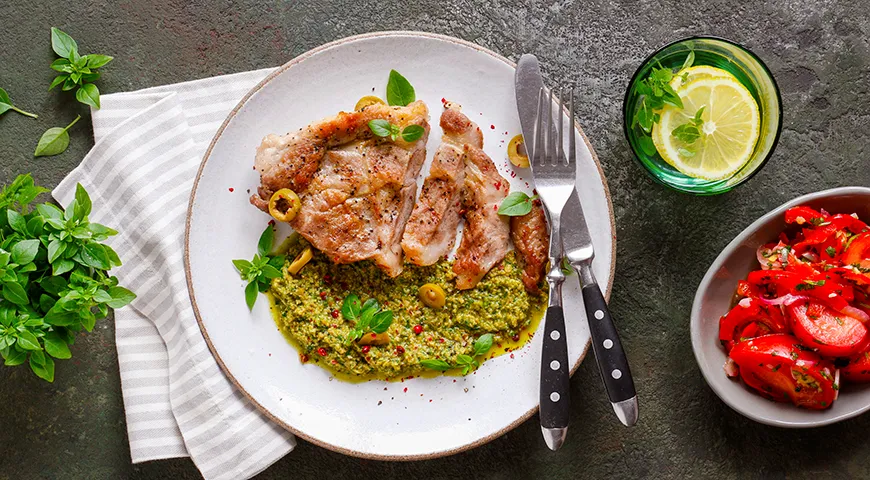
There is a certain romance to a perfectly seared pork chop—crisp edges, juicy interior, and a sauce that elevates the entire plate. This recipe for Pan-Seared Pork Chops with Olive and Basil Sauce solves a common household dilemma: how to serve everyone a hot, perfectly cooked chop when your stovetop can only handle one or two at a time. The answer lies in your oven, set to a gentle 70–75 °C (160–170 °F). By parcooking each chop on the stove and then resting them in the warm oven, you achieve a flawless medium-well doneness with zero stress. The accompanying sauce—a vibrant purée of briny olives, fresh basil, garlic, and extra-virgin olive oil—offers a bright, Mediterranean counterpoint to the rich pork. Let’s explore every detail, from selecting the best cut to mastering the resting process.
About the Recipe
This dish draws inspiration from Italian and French home cooking, where a simple pan-seared cutlet meets a bold, emulsified condiment. The technique of finishing meat in a low oven is a game-changer for large gatherings. Instead of frantically juggling pans, you can sear chops in batches, transferring each to a baking sheet lined with parchment in the oven. The low heat keeps them warm without overcooking, allowing the internal temperature to climb to a perfect 70 °C—the sweet spot for tender, safe pork. The olive sauce, made with pitted olives (regular, lemon-stuffed, or anchovy-stuffed), fresh basil, and garlic, is a concentrated burst of umami that cuts through the richness of the meat. For a deeper dive into the best glass food processor bowls that make puréeing a breeze, explore our guide.

Ingredients
- 4 boneless pork chops from the neck or loin, each 170–190 g
- Vegetable or clarified butter for frying
- Salt
- Freshly ground black pepper
- 1 jar (400 g) pitted olives (plain, or with lemon or anchovy)
- 1–2 cloves garlic (5–10 g)
- 2 sprigs fresh basil (10 g)
- 80 ml extra-virgin olive oil
- Freshly ground black pepper for the sauce
Step-by-Step Instructions
Prepare the Olive Sauce
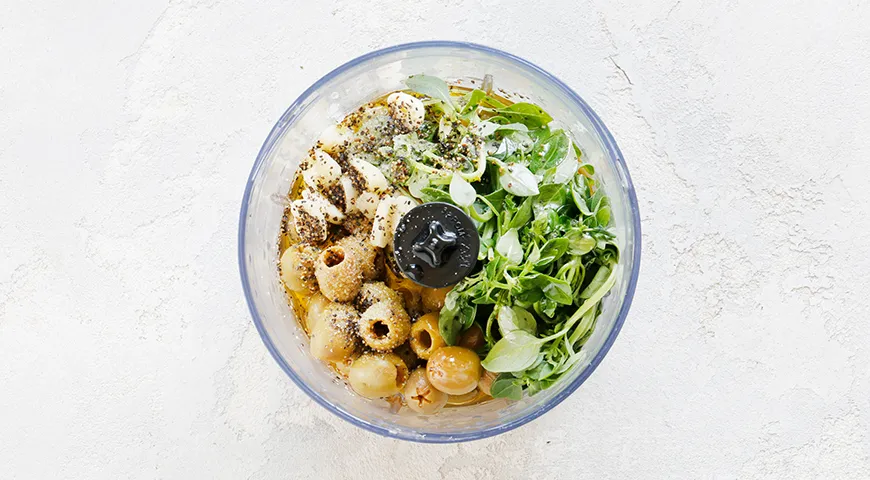
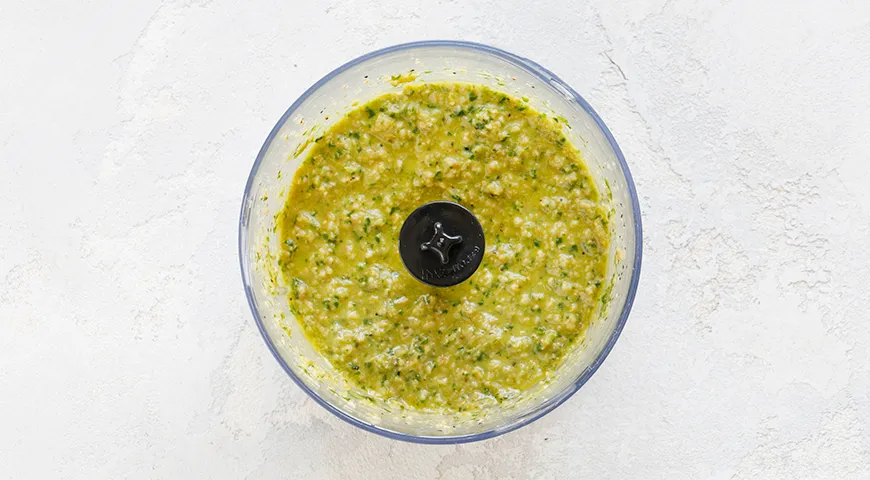
Peel and roughly chop the garlic. Finely chop the basil leaves. Place the garlic and basil in a blender jar. Add the olives (drained), olive oil, and a generous grind of black pepper. Blend until smooth. Transfer the sauce to a bowl and refrigerate until serving. This sauce can be made up to two days ahead—store it in an airtight container.
Score and Season the Chops
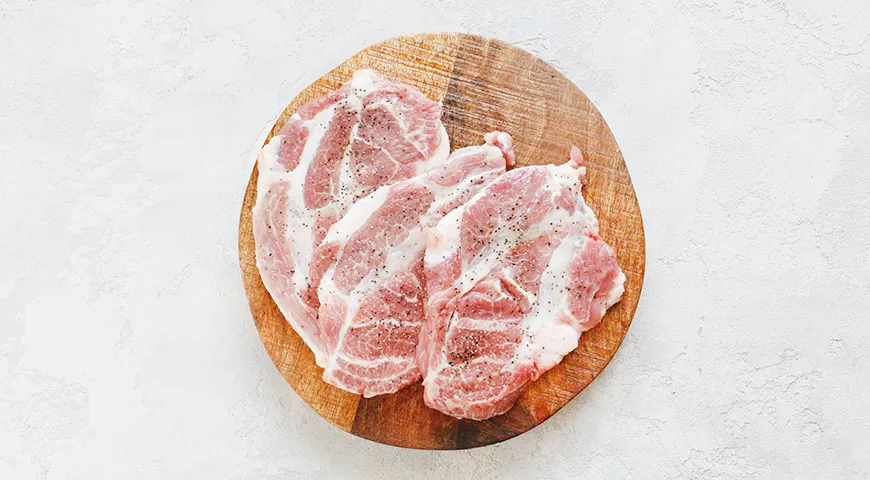
If your pork chops have a strip of fat along the edge, make shallow cuts through the fat at 1 cm intervals, cutting perpendicular to the meat grain. This prevents the fat from curling the chop during cooking. Gently pound the meat to an even thickness—about 1.5 cm—without over-flattening. Season generously on both sides with salt and pepper. Let rest for 10 minutes at room temperature.
Preheat the Oven and Griddle Pan
Preheat your oven to 70–75 °C (160–170 °F). Line a baking sheet with parchment paper and place it in the oven. Heat a cast-iron griddle or heavy skillet over medium heat. Brush each chop lightly with oil—avoid pouring oil directly into the pan as this can cause flare-ups. Place the chops on the hot griddle, not moving them, and sear for 3 minutes without covering.
Flip and Finish in the Oven
Flip the chops and cook for another 3–4 minutes, depending on thickness. The internal temperature should read 70 °C when the chop is done. Transfer each chop to the warm baking sheet in the oven. If you have multiple chops, as each batch finishes, simply slide them onto the sheet. The oven will hold them perfectly without over-drying. Let the chops rest on the sheet for 4–5 minutes, loosely tented with foil.
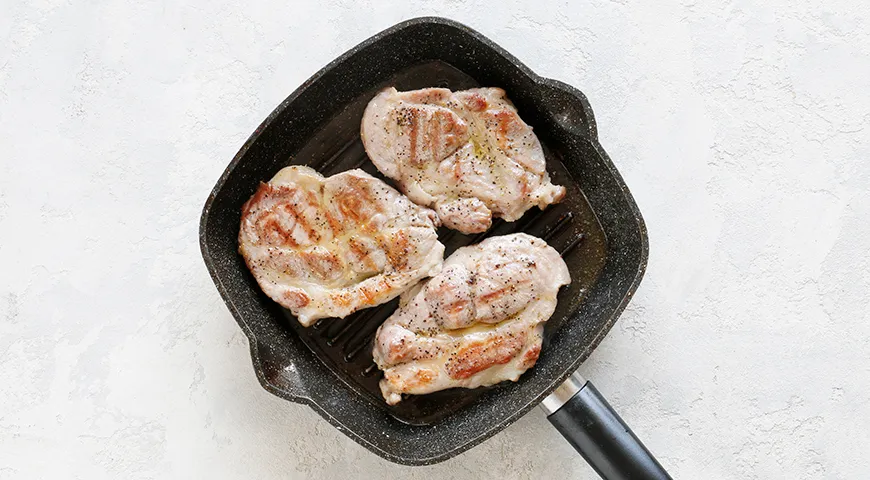
Tips for Perfect Pork Chops
- Choose the right cut: Neck (shoulder) or center-cut loin chops offer the best balance of fat and tenderness. Avoid thin-cut chops, which dry out quickly.
- Don’t skip the scoring: Snipping the fat edge ensures the chop stays flat during searing, giving you an even crust.
- Use a reliable thermometer: Pork cooked to 70 °C is safe and still juicy. Overcooking to 75 °C risks toughness.
- Let it rest: The 4–5 minute rest under foil allows juices to redistribute. Never skip this step.
- Make the sauce ahead: The olive purée actually deepens in flavor after a few hours in the fridge. For a perfectly smooth texture, use a high-performance blender like the ones we review in our best non-toxic immersion blender guide.
Variations
This recipe is wonderfully adaptable. For a smoky twist, replace the griddle with a cast-iron pan and finish the chops in a best wall oven microwave combo with air fryer using the air fry setting at 180 °C for 2 minutes after searing—the circulating air crisps the fat beautifully. If you prefer a lighter sauce, swap half the olives for roasted red peppers or sun-dried tomatoes. For a herbaceous boost, add a tablespoon of capers or a handful of fresh parsley to the blender. You can also spice the pork with smoked paprika or chipotle powder before searing for a barbecue vibe. And for the ultimate convenience, consider using a best food processor for nut butter to make the sauce—its powerful motor will emulsify the olives into a silky purée in seconds.
FAQ
Can I use bone-in pork chops?
Absolutely. Bone-in chops add more flavor but require slightly longer cooking. Increase the searing time to 4 minutes per side and aim for an internal temperature of 70 °C near the bone. Use a digital thermometer for accuracy—our guide to best refrigerant leak detector might not help here, but we recommend a good instant-read thermometer.
What if I don’t have a griddle pan?
A heavy skillet—cast iron, stainless steel, or non-stick—works perfectly. Just ensure the pan is hot before adding the meat. For non-stick, use low to medium heat to avoid damaging the coating.
Can I make the olive sauce vegan?
The sauce is already vegan if you omit the anchovy-stuffed olives. Simply use plain pitted olives and a pinch of salt to compensate. The basil and garlic provide enough depth.
How do I store leftovers?
Leftover chops can be refrigerated for up to 3 days. Reheat gently in a low oven (100 °C) for 10 minutes, or use a best microwave pressure cooker on a steam setting to avoid drying. The sauce keeps for a week in the fridge—stir before serving.
Why is the oven temperature so low?
The 70–75 °C oven is just a holding oven. It keeps the cooked chops warm without raising their internal temperature above the safe 70 °C threshold. This method is ideal for large batches and is a staple in professional kitchens.
Can I grill the chops outdoors?
Yes. Preheat a gas or charcoal grill to high (about 230 °C). Sear the chops for 3 minutes per side, then move to a cooler zone (or lower flame) and cook until the internal temperature reaches 70 °C. The sauce pairs beautifully with smoky char. For a complete outdoor cooking setup, check our review of best commercial countertop convection oven if you prefer an indoor alternative.
Conclusion
These Pan-Seared Pork Chops with Olive and Basil Sauce are a masterclass in kitchen efficiency and elegant flavor. By using the oven as a gentle holding chamber, you can prepare this dish for a crowd without sacrificing quality. The briny, herbaceous sauce is surprisingly versatile—try it on grilled chicken, roasted vegetables, or even as a dip for crusty bread. For more inspiration on pairing sauces with your favorite proteins, browse our best store-bought au jus for prime rib article. Enjoy the perfect chop every time.
For all your kitchen gadget needs, from blenders to air fryers, explore our curated reviews at best non-toxic air fryer and best espresso machine under $2000. For more olive-based recipes, see our guide on best steam canner to preserve your own olives.







