


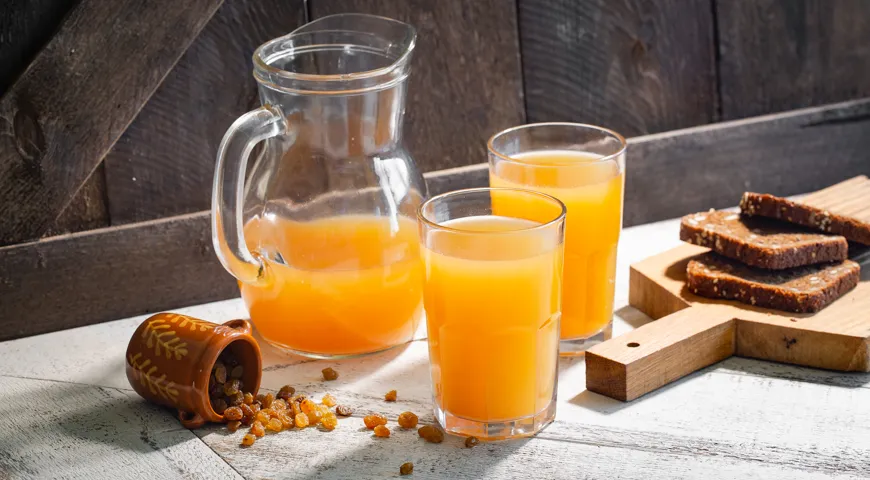
There is something deeply satisfying about crafting a traditional beverage from scratch—especially one that carries centuries of Slavic heritage. Homemade bread kvass, a fermented, slightly effervescent drink made without yeast, is a staple of Russian summer kitchens. This version relies solely on rye bread, sugar, and raisins to capture the natural wild yeasts that bubble life into every batch. The result is a refreshing, tangy, and mildly sweet drink that can be enjoyed on its own or used as the base for a classic okroshka soup. With the right oven technique for toasting bread and a little patience, you can create a superior, all‑natural kvass that outshines any store‑bought version.
About Homemade Kvass
Kvass has been brewed in Eastern Europe for over a thousand years, often called the "peasant champagne" for its gentle fizz and restorative qualities. Raisins act as a natural yeast source and add a subtle fruity note, while dark rye bread provides the deep color and malty backbone. Unlike commercial kvass loaded with preservatives, this homemade version relies on a short fermentation that retains beneficial bacteria and enzymes. The process is remarkably simple: a cool, stable environment is all you need to encourage the wild yeasts to do their work. For those who love the art of fermentation, this recipe is as rewarding as making your own sourdough sponge.

Ingredients
- 2.5 L drinking water
- 150 g sugar (white or raw)
- 30 g raisins (unwashed to preserve natural yeast)
- 200–250 g rye bread (preferably Borodinsky or a dense dark rye)
Step-by-Step Instructions
- Prepare the syrup. Pour the water into a large saucepan and add the sugar. Place over medium heat, stirring until the sugar dissolves. Bring to a gentle boil, then remove from heat and let cool to 35°C—about body temperature. This warm liquid will later activate the yeasts on the bread and raisins.
- Toast the bread cubes. Cut the rye bread into 2 cm cubes and spread them in a single layer on a baking sheet. Preheat your oven to 170°C. Toast the cubes for 10–15 minutes, stirring once or twice, until they are dry and lightly browned but not burnt. Burnt bread will give the kvass a bitter edge. A convection oven can help achieve even browning. Let the croutons cool completely.

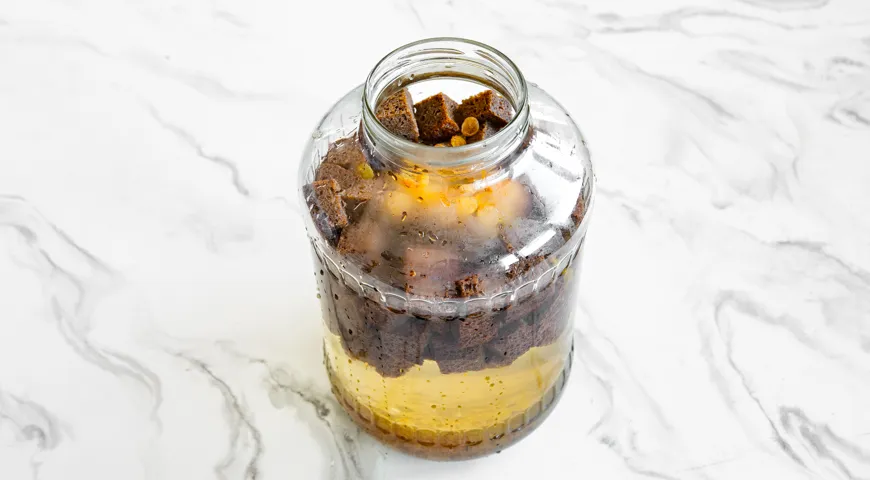
- Combine in a jar. Transfer the cooled croutons into a clean 3‑litre jar. Add the raisins (unwashed—their natural yeasts are essential). Pour the lukewarm sugar syrup over the bread and raisins. Cover the jar with a double layer of cheesecloth or a clean tea towel, securing it with a rubber band or string. A warm, draft‑free spot is ideal for fermentation.
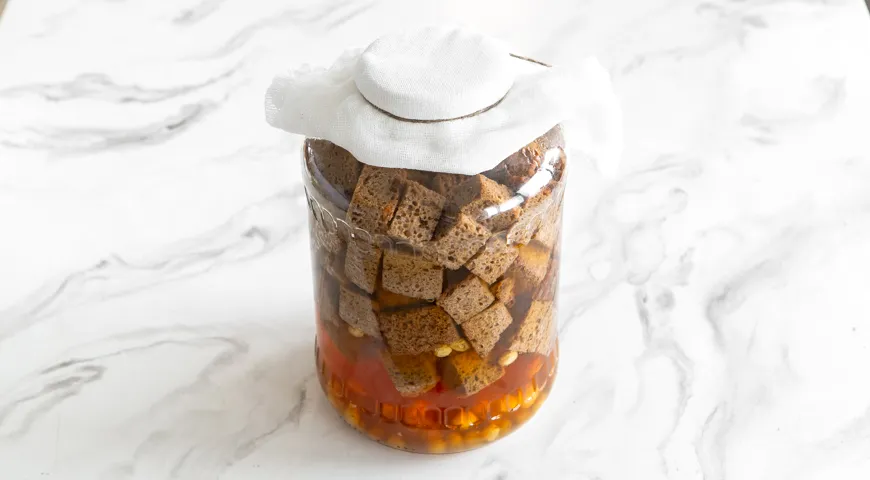
- First fermentation. Leave the jar undisturbed in a warm place (around 20–25°C) for 24 hours. After this time, the liquid will turn cloudy—a sign that wild yeasts have begun to multiply. Do not stir. Let it ferment for another 48 hours. The total fermentation time can vary; a longer rest yields a tangier kvass. Use a cool spot if you prefer a milder taste.
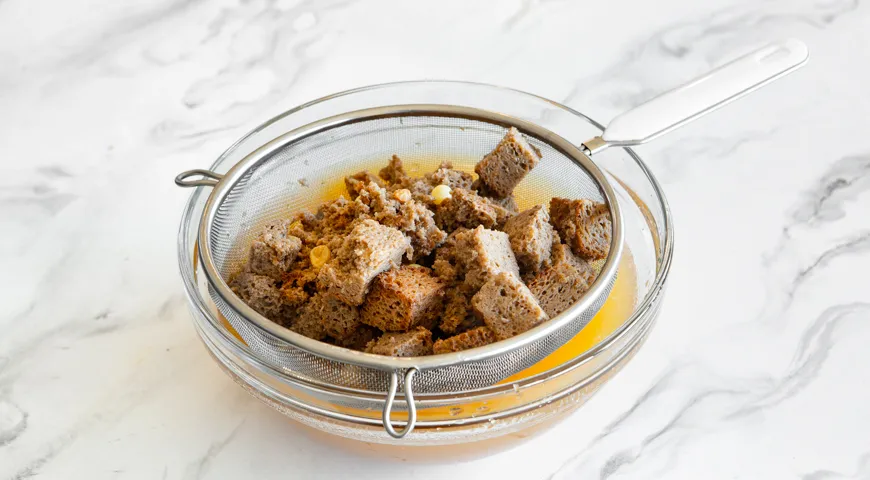
- Strain and bottle. Once the kvass has reached your desired level of fizz and tang, strain it through two layers of cheesecloth or a fine‑mesh sieve into a pitcher. Discard the solids. Pour the liquid into clean bottles (plastic or glass with tight lids), leaving some headspace. Refrigerate immediately. The kvass will continue to carbonate slightly in the cold. Serve chilled as a refreshing drink or use it as the base for okroshka.
Tips for the Perfect Kvass
- Use dark rye bread with minimal additives—avoid bread with excessive sugar or preservatives. A sturdy mixer can help if you bake your own rye loaves from scratch.
- Unwashed raisins are crucial; the dusty bloom contains the natural yeasts that drive fermentation. If you prefer a sweeter end result, add an extra tablespoon of sugar during the first step.
- Fermentation temperature is key: too cold and the process stalls; too hot and the kvass may turn sour. A consistent kitchen environment works well.
- For a clearer kvass, let the jar rest undisturbed after straining, then carefully pour off the top liquid, leaving sediment behind.
Variations to Explore
Once you master the basic recipe, get creative. Swap half the rye bread for Borodinsky bread (with coriander and molasses) for a more complex spice profile. Add a cinnamon stick or a few cloves to the syrup for a wintery version. For a fruity twist, include a handful of fresh berries or apple slices during the second fermentation—just be sure to strain them out before bottling. If you enjoy a stronger alcoholic kick, extend the fermentation to 5–7 days, but note that homemade kvass typically stays below 1% ABV. And don't forget: chilled kvass pairs beautifully with crispy rye croutons and a dollop of sour cream.
Frequently Asked Questions
How long does homemade kvass last?
Refrigerated in sealed bottles, kvass stays fresh for 5–7 days. The flavour will become more sour over time due to ongoing fermentation. If the bottles feel tight or fizz aggressively, release pressure daily by slightly opening the cap.
Can I use white bread instead of rye?
Rye is traditional because of its robust flavour and high concentration of wild yeasts. White bread yields a very mild, almost watery drink. For the best results, stick with a dense dark rye or pumpernickel. You can also experiment with a mix of rye and sprouted wheat bread for added nutrients.
Why is my kvass bitter?
Bitterness usually comes from over‑toasted or burnt bread. Monitor the oven closely—10 minutes at 170°C is typically enough. If you prefer a sweeter, less bitter kvass, reduce the toasting time or use slightly less bread. Also avoid using raisins that have been treated with preservatives; natural, organic raisins are best.
Do I need to add yeast or a starter?
No, but this recipe relies on wild yeasts naturally present on the bread crust and raisins. If you find fermentation sluggish, you can add a teaspoon of commercial yeast or a splash of fermented kvass from a previous batch to kick‑start it. For a completely wild ferment, patience is key—expect 3–4 days in cooler conditions.
Can I double or halve the recipe?
Absolutely. The proportions remain the same: 60 g sugar, 10 g raisins, and about 100 g bread per litre of water. Use a large enough container that the liquid doesn’t overflow during vigorous fermentation. For smaller batches, a 1‑litre jar works well.
How do I make kvass fizzier?
After bottling, leave the sealed bottles at room temperature for 12–24 hours before refrigerating. The yeasts will produce carbon dioxide, creating a natural sparkle. Check periodically to avoid over‑carbonation—plastic bottles will feel firm when ready. You can also add a pinch of sugar to each bottle before capping to boost the fizz.
What can I do with the leftover bread solids?
Don’t throw them away! The fermented bread mash can be composted, fed to chickens, or mixed into bread dough for a tangy flavour. Some cooks use it as a base for savoury spreads or add it to soup stocks for a rustic twist.
Is kvass safe for children?
Traditional kvass contains only trace alcohol (typically less than 0.5%), making it safe for all ages. However, because fermentation is wild and uncontrolled, the alcohol level can rise if left too long. For children, keep the fermentation to 48 hours maximum and refrigerate promptly. You can also sweeten it with a little honey if desired.
Making homemade bread kvass is a rewarding journey into time‑honoured kitchen traditions. Whether you sip it on a hot summer afternoon or pour it into a bowl of chilled okroshka, this naturally fermented drink captures the essence of rustic Russian hospitality. With a cool climate for storage and a bit of love, each batch will be uniquely yours. Cheers—or as they say in Russia, na zdorovie!
For top recommendations, explore our guide on resume builder free. Find the top-rated Cecotec secador with our comprehensive buying guide. Looking for the best options? Check out our article on Building Block Toy. For top recommendations, explore our guide on Grand Goldman Shop. Discover our expert picks for wp security ninja review in our detailed review. Looking for the best options? Check out our article on mellcom 20 outdoor gas pizza. Find the top-rated donald trump generator free with our comprehensive buying guide. Discover our expert picks for pyukix vacuum sealer machine food in our detailed review. Find the top-rated cazachef 8qt stainless steel pressure with our comprehensive buying guide. Find the top-rated non stop gym switzerland review with our comprehensive buying guide.







