


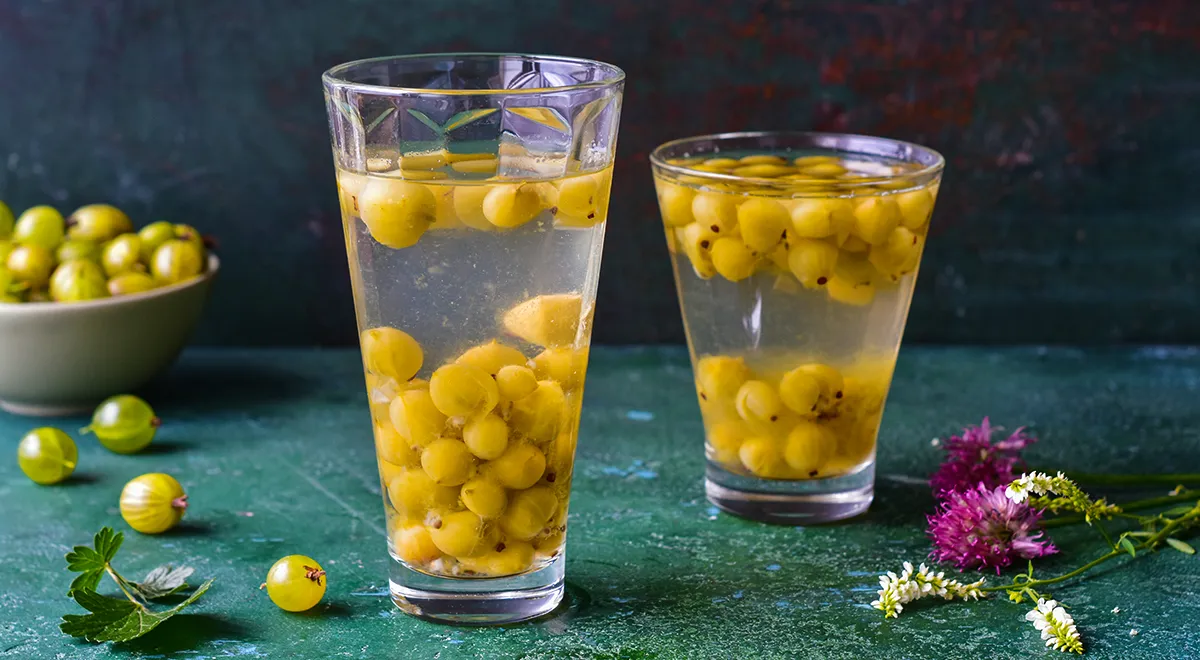
There is something deeply satisfying about capturing the essence of summer in a jar. This Green Gooseberry Compote with Ginger is a testament to the art of preservation—a delicate balance of tart berries, warming spice, and just enough sweetness to brighten the darkest winter days. Unlike heavy syrups, this compote is refreshing, aromatic, and incredibly versatile. Whether sipped chilled as a restorative drink, poured over yogurt, or used as a base for cocktails, it brings a touch of garden-fresh brightness to every table. The key lies in the careful preparation of the gooseberries and the subtle heat of fresh ginger, which transforms a simple preserve into a sophisticated pantry staple. With a few essential refrigeration storage tips and the right canning techniques, you can enjoy this luminous compote all year round.
About Green Gooseberry Compote
Gooseberries, with their translucent green skin and tart flesh, are often overlooked in the preserving world, yet they deserve a place alongside cherries and plums. Their natural acidity pairs beautifully with the piquant warmth of fresh ginger, creating a compote that is neither cloying nor flat. This recipe hails from Russian home-canning traditions, where every summer berry is treasured and carefully put by for the colder months. The process is surprisingly straightforward: the gooseberries are briefly blanched in boiling water, then sealed in a ginger-infused sugar syrup. The result is a jewel-toned compote that retains the fruit's integrity while developing a complex, spiced character. For those new to canning, investing in a reliable steam canner can simplify the process and ensure consistent results.

Ingredients
- Green gooseberries (enough to fill your sterilized jars tightly)
- Fresh ginger root (peeled and thinly sliced)
- Sugar (200 g per 1 liter of water used)
- Citric acid (0.5 teaspoon per 1 liter of water)
- Water (for the syrup and initial blanching)
The simplicity of the ingredient list means quality matters. Choose firm, unblemished gooseberries for the best texture. The ginger should be fragrant and juicy; a good-quality juicer can help extract extra ginger flavor if you wish to intensify the spice. Citric acid is preferred over lemon juice here because it adds tartness without introducing extra liquid or pulp, but you can substitute with fresh lemon juice if needed.
Step-by-Step Instructions
Step 1: Prepare the Gooseberries
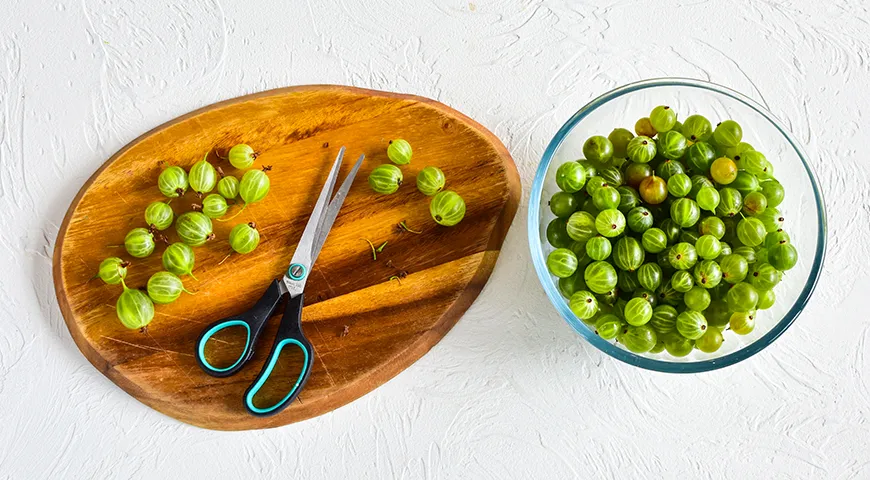
Trim the stems (”tails”) and the dry blossom ends from each gooseberry. Rinse them thoroughly under cold water. Pack the cleaned berries tightly into sterilized jars, filling them to the top. The goal is to maximize fruit volume while leaving minimal air gaps.
Step 2: First Blanch
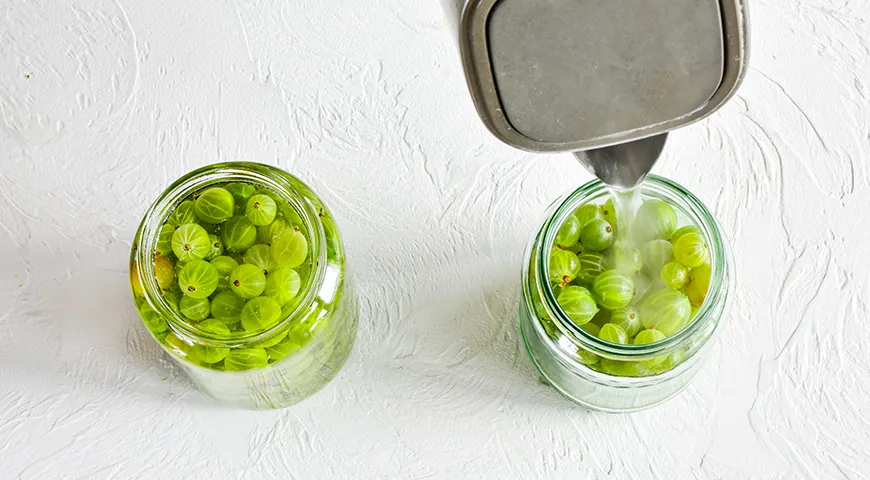
Pour boiling water over the gooseberries in the jars, filling them to the brim. Cover with sterilized lids and let them sit for 20 minutes. This softens the skins and allows the berries to absorb liquid without bursting.
Step 3: Measure and Make Syrup
After 20 minutes, carefully pour the water from each jar into a measuring pitcher. Note the total volume—this determines your sugar and citric acid amounts. Transfer the water to a saucepan, add sugar (200 g per liter of water) and citric acid (0.5 tsp per liter). Stir and bring to a rolling boil. A precise pressure cooker can also be used to quickly prepare small batches of syrup, but a regular saucepan works perfectly.
Step 4: Add Ginger and Seal
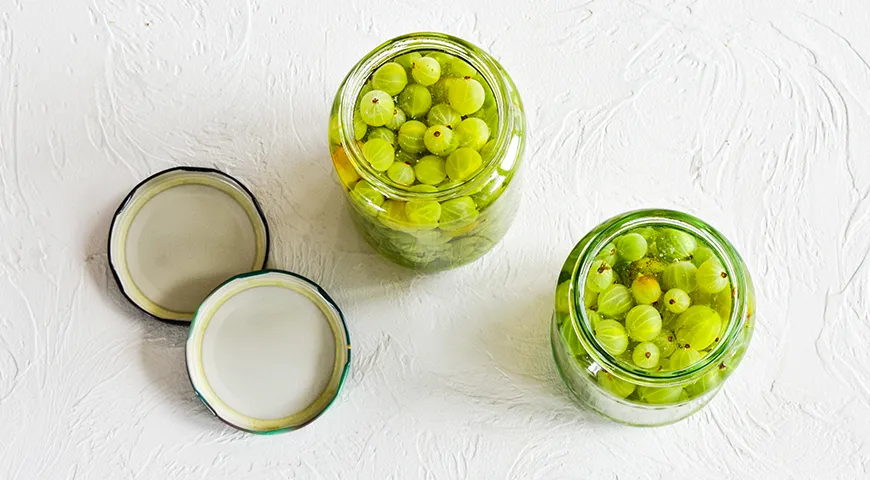
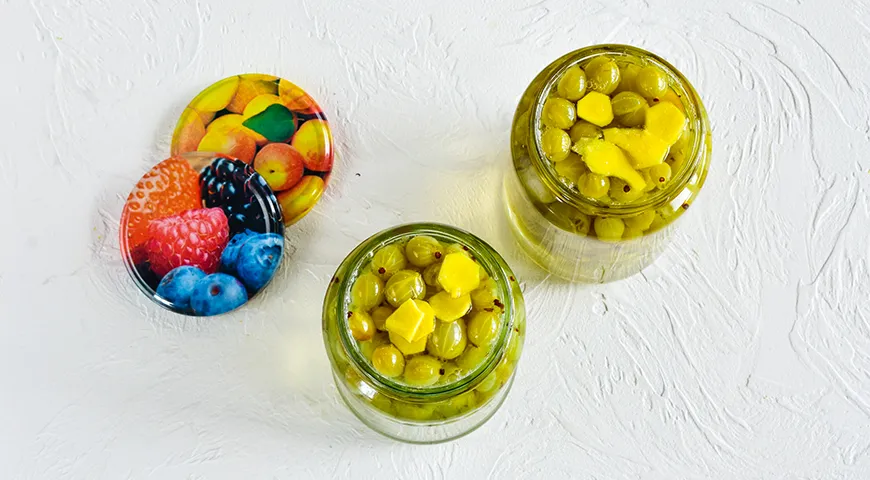
Peel the ginger and slice it into thin rounds. Add 1–5 slices to each jar, depending on your taste preference and jar size. Pour the hot syrup over the gooseberries, filling to the brim. Wipe the rims clean, seal with sterilized lids, and invert the jars briefly to ensure a proper seal. Let them cool completely upside down before storing. For best results, use a countertop ice maker to chill the compote before serving in summer, or store in a cool, dark pantry.
Tips for Perfect Compote
- Always sterilize jars and lids before starting—a quick cycle in a dishwasher or boiling water bath works well.
- Use gooseberries that are just underripe for firmer berries that hold their shape.
- Adjust ginger to your liking: 1 slice per small jar (250 ml) is subtle; 5 slices per liter jar gives a pronounced warmth.
- If you prefer a clearer syrup, strain the gooseberry water through cheesecloth before making the syrup.
- Let the compote rest at least two weeks before opening to allow flavors to meld. For longer storage, ensure jars are sealed properly and store in a cool, dark place.
Variations
The beauty of this base recipe is its adaptability. Swap the green gooseberries for red gooseberries to achieve a pink-tinged syrup with more floral notes. Add a vanilla bean split in half to the syrup for a creamy undertone. For an herbal twist, include fresh mint or lemon verbena sprigs in each jar before sealing. If you enjoy a hint of spice, toss in a star anise or a few black peppercorns alongside the ginger. Those who love layered flavors can experiment with a touch of espresso—yes, a coffee note pairs surprisingly well with gooseberries. For a non-alcoholic cocktail base, blend the compote with soda water and a squeeze of lime; the oil sprayer can be used to mist a fine layer of ginger essential oil over the drink for extra aroma.
Frequently Asked Questions
Can I use frozen gooseberries instead of fresh?
Absolutely. Thaw them completely, drain any excess liquid, and proceed as you would with fresh berries. Keep in mind that frozen berries may be softer, so handle them gently during packing.
Do I need to use citric acid or can I substitute lemon juice?
Citric acid powder is preferable because it provides acidity without diluting the syrup, but you can use freshly squeezed lemon juice (about 1 tablespoon per liter of water) in a pinch. The flavor will be slightly different but still delicious.
How long does this compote last unopened?
When properly sealed and stored in a cool, dark pantry, the compote will keep for up to one year. Once opened, refrigerate and consume within two weeks. A quality refrigerant leak detector can help ensure your fridge is maintaining the right temperature for stored goods.
Can I reduce the sugar amount?
Sugar is essential for preservation and texture, but you can reduce it slightly to 150 g per liter of water if you prefer a tarter compote. However, this may shorten shelf life and affect the syrup’s viscosity. For a no-sugar alternative, try using a sugar substitute like erythritol, but note that it may not preserve the fruit as effectively.
What if my jars don’t seal properly?
If a lid does not pop down when inverted or remains convex, store that jar in the refrigerator and use within a few weeks. For future batches, double-check that rims are clean and lids are new. A reliable commercial countertop convection oven can be used to reheat jars for a second processing attempt, though it’s often simpler to just refrigerate the unsealed jar.
Is it safe to use old jars with metal lids?
Always use new lids for each canning session to ensure a proper seal. Jars themselves can be reused indefinitely as long as they are free of cracks or chips. Sterilize them thoroughly before each use.
This Green Gooseberry Compote with Ginger is more than a winter treasure—it’s a celebration of the season’s bounty. Whether you enjoy it as a morning refresher, a dessert topping, or a thoughtful homemade gift, each sip carries the bright, tart soul of summer preserved with care. For more inspiration on stocking your pantry with flavorful creations, explore our guide to best chocolate-covered raisins and our favorite coffee maker for Airbnb—perfect for sharing your homemade compote with guests.







