


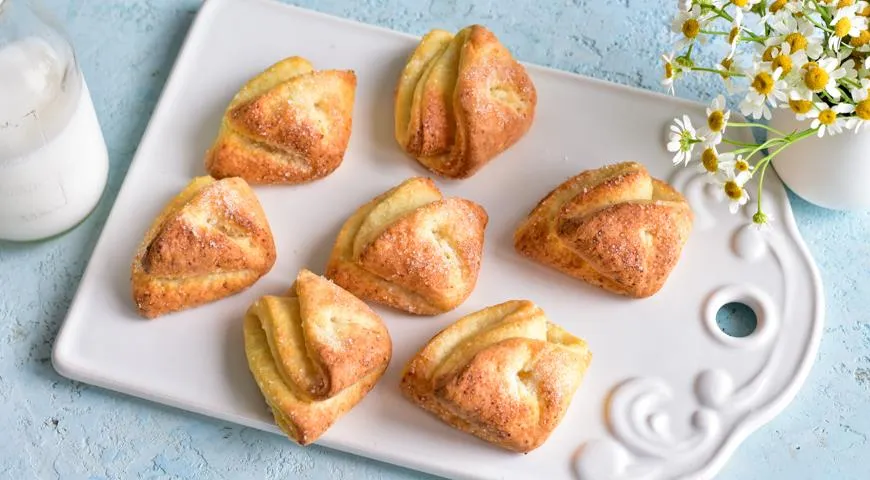
There are cookies that whisper nostalgia, and then there are cookies that sing it. Goose Feet Cottage Cheese Cookies – known in Russian as Gusinye Lapki – are a beloved teatime classic that marries the tender crumb of a shortbread with the subtle tang of fresh cottage cheese. Each bite delivers a delicate, buttery richness, a whisper of vanilla, and a satisfying crunch of caramelised sugar. The distinctive folded shape, resembling a goose’s webbed foot, is as charming as it is practical: folding creates layers that puff and separate, giving the cookie its signature airy texture.
Originally a staple in Soviet-era home kitchens, these cookies are experiencing a renaissance among bakers who appreciate honest, resourceful baking. With just a handful of everyday ingredients – cottage cheese, butter, flour, and sugar – you can create a batch that rivals any French sablé. Whether you’re a seasoned pastry chef or a curious beginner, this recipe promises a deeply satisfying project that yields golden, crisp-edged sweets perfect with coffee, tea, or a glass of cold milk.

About Goose Feet Cookies
The name Gusinye Lapki (Гусиные лапки) translates literally to "goose feet," a nod to the cookie’s three-lobed shape after folding. In many Russian households, these cookies are a cherished babushka recipe, passed down through generations. They are often made for holidays, family gatherings, or simply to use up leftover cottage cheese. The magic lies in the technique: by folding the dough circles in half, then folding again, you create layers that bake into a crisp exterior while the interior stays tender. A generous dusting of coarse sugar before baking creates a delicate, crackly glaze. For best results, use a high-quality 9% fat cottage cheese – the richness ensures a supple dough that doesn’t dry out during baking. If you’re curious about different mixing methods, a planetary mixer can help you achieve a uniformly blended dough in minutes.
Ingredients
- 250 g homogeneous cottage cheese (9% fat)
- 125 g unsalted butter (82.5% fat), cold
- 1 large egg (C0 size)
- 300–325 g all-purpose flour
- 2 tsp baking powder (8 g)
- 2 tsp vanilla sugar (10 g)
- 150–200 g granulated sugar (for dusting and folding)
- Pinch of salt
- For glaze: 1 egg + 1 tsp water, beaten
Step-by-Step Instructions
Step 1: Prepare the dry base and preheat the oven
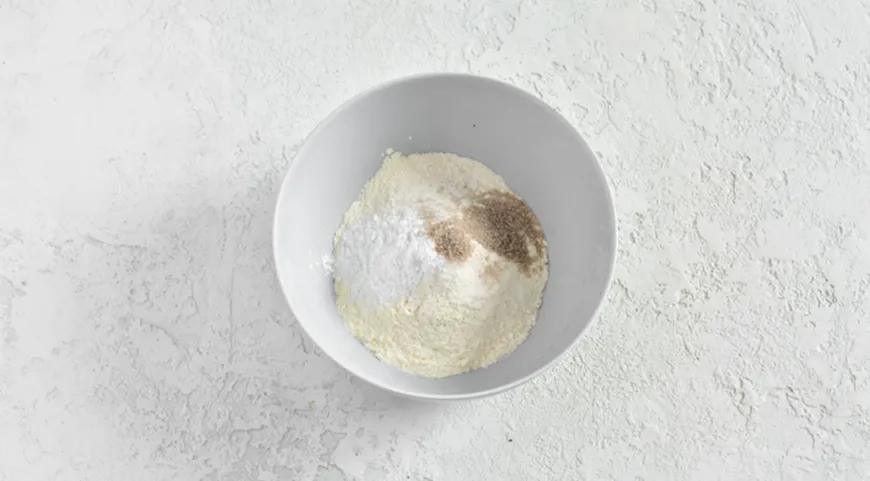
Preheat your oven to 180°C (350°F). Sift 180 g of flour together with the salt and baking powder into a large mixing bowl. Stir in the vanilla sugar. This ensures an even distribution of leavening and flavour. Using a high-quality sifter can aerate the flour, resulting in a lighter crumb.
Step 2: Cut in the cold butter
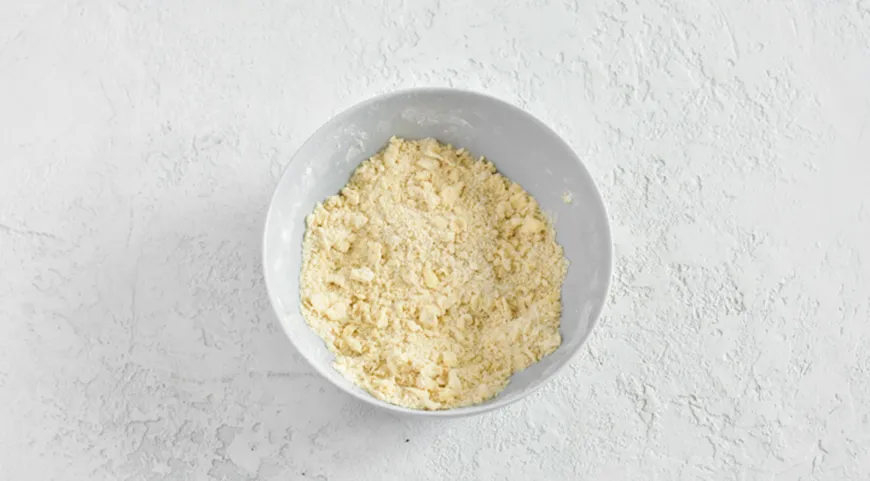
Cut the cold butter into 1 cm cubes and add them to the flour mixture. Using a pastry cutter or two knives, chop the butter into the flour until the mixture resembles coarse crumbs. You can also use a food processor for this step – pulse until you see pea-sized butter bits. Be careful not to overmix; visible butter specks create flaky layers.
Step 3: Incorporate the cottage cheese
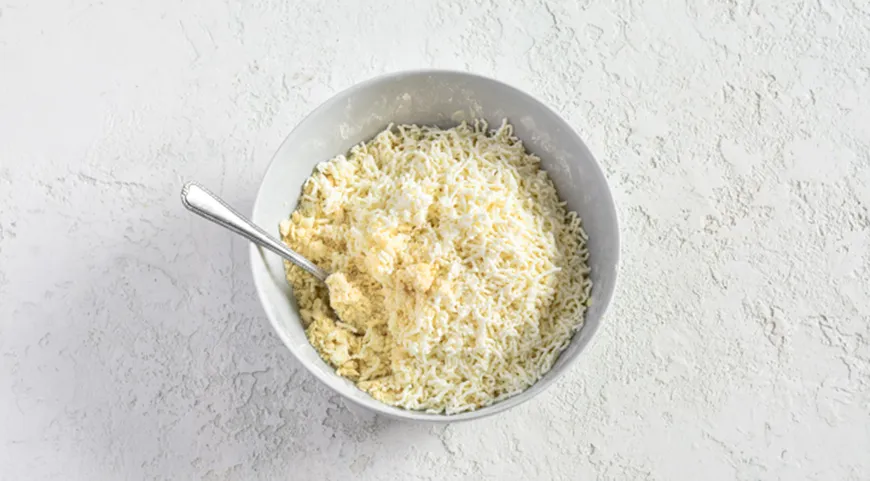
Add the cottage cheese to the flour-butter mixture. Stir with a fork until a shaggy dough forms. Use your hands to gently gather the dough into a ball. If it feels too sticky, sprinkle in extra flour (up to 25 g) – the dough should not cling to your fingers but should remain soft and pliable. Proper hydration is key; a dry dough will yield tough cookies.
Step 4: Roll and cut the dough
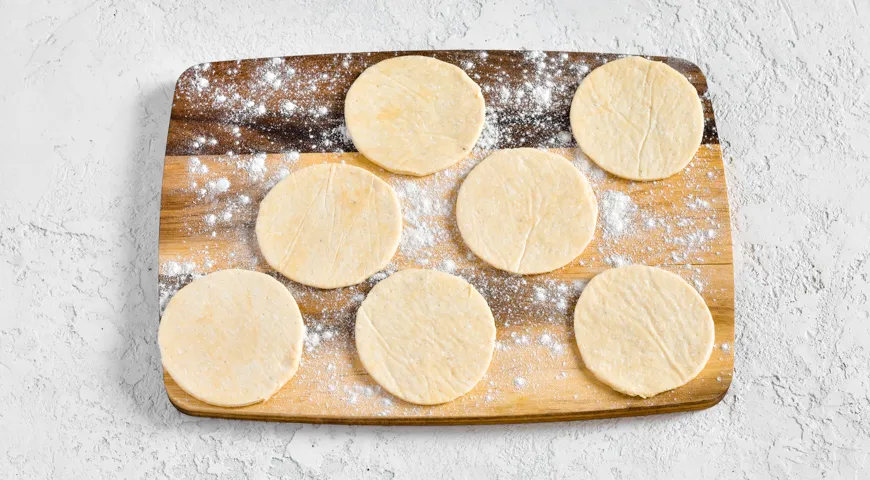
Lightly dust your work surface with flour. Roll out the dough to a thickness of about 3 mm. Using a round cutter (8–10 cm in diameter) or a thin-rimmed glass, cut out circles. Gather the scraps, re-roll, and continue cutting. You should get about 20–24 circles. A consistent thickness ensures even baking.
Step 5: Fold, glaze, and bake
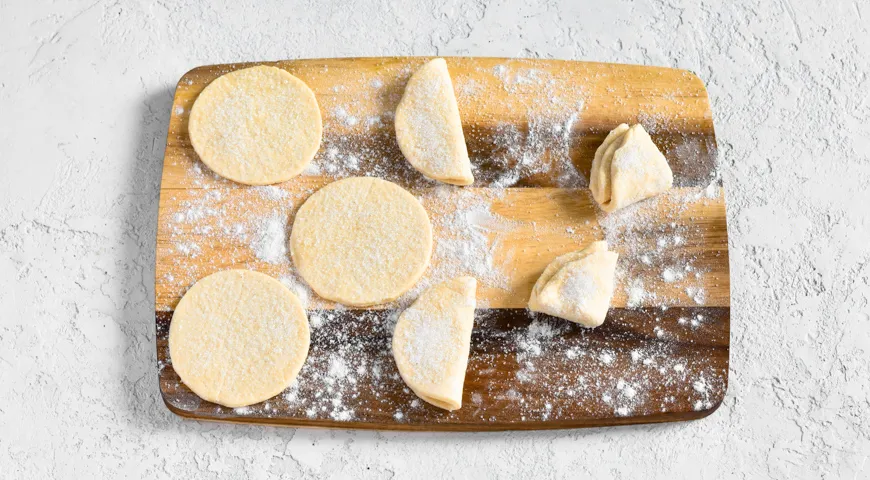
Sprinkle each circle generously with granulated sugar. Fold in half, press gently, then sprinkle again and fold in half once more to form a quarter-circle (a "goose foot" shape). Arrange the cookies on a parchment-lined baking tray. Brush the tops with the beaten egg mixture (egg + water) and sprinkle with additional sugar. Bake for 15–18 minutes, until the edges are golden and the centers are set. Cool completely on the tray – the cookies will crisp as they cool. A light spray of neutral oil on the parchment can prevent sticking if you’re unsure of non-stick quality.
Tips for Perfect Goose Feet Cookies
- Use cold butter: The colder the butter, the flakier the layers. If your kitchen is warm, chill the dough for 15 minutes before rolling.
- Don’t overwork the dough: Overmixing activates gluten, leading to tough cookies. Mix just until combined.
- Choose the right cottage cheese: Full-fat (9%) provides the best texture. Low-fat versions can make the dough wet and sticky. If you only have low-fat, drain it overnight in cheesecloth.
- Bake on a preheated sheet: For an extra-crisp bottom, place the tray on a preheated baking stone or another sheet. Proper cooling ensures the cookies remain crisp.
- Experiment with sugar: Coarse demerara or turbinado sugar adds a lovely crunch. For a more delicate finish, use fine caster sugar.
Variations
- Lemon zest: Add the finely grated zest of one lemon to the flour for a citrusy lift.
- Spiced version: Mix ½ tsp cinnamon and ¼ tsp nutmeg into the flour. Warm spices complement the tangy cheese beautifully.
- Chocolate dip: Once baked and cooled, dip half of each cookie in melted dark chocolate and let set on parchment.
- Savory twist: Omit the sugar and vanilla, add 1 tsp dried herbs (thyme or rosemary) and 50 g grated Parmesan. Fold as directed and bake – perfect with soup.
- Gluten-free: Substitute the all-purpose flour with a 1:1 gluten-free blend. You may need to add a tablespoon of milk if the dough is too dry. Gluten-free baking often requires a bit of extra moisture.
FAQ
Can I use low-fat or non-fat cottage cheese?
Yes, but expect a denser, less tender cookie. If using low-fat, drain the curds through a cheesecloth for at least an hour to remove excess whey. Otherwise, the dough may be too sticky and require more flour, which can alter the texture. Draining techniques can improve results.
Why do I need to fold the dough twice? Can I skip it?
The double fold creates the characteristic three-lobed "goose foot" shape and builds thin layers that separate during baking. Skipping the fold yields a flat, dense cookie. For a simpler shape, you can cut into triangles or use a cookie stamp. The folding also helps trap sugar between the layers for extra crunch.
How should I store these cookies? How long do they keep?
Store in an airtight container at room temperature for up to 5 days. To maintain crispness, place a piece of bread in the container – it absorbs excess humidity. They can also be frozen unbaked (folded and formed) for up to 3 months; bake directly from frozen, adding 2–3 minutes to the baking time. Proper storage is essential for preserving the delicate texture.
Can I substitute the butter with margarine or oil?
Butter is crucial for both flavour and flakiness. Margarine can be used in equal weight, but the texture will be less tender. Oil-based substitutes are not recommended because they cannot produce the same layered structure. For a dairy-free version, use a high-quality vegan butter block (not spread) with at least 80% fat. Fat content directly affects the crumb.
My dough is too sticky to roll. What should I do?
Chill the dough for 30 minutes – this hardens the butter and makes it easier to handle. If it’s still sticky after chilling, dust your rolling pin and work surface lightly with flour. Avoid adding too much extra flour, or the cookies will become dry. A properly chilled dough is the baker’s best friend.
Can I make these cookies with a food processor?
Absolutely. Pulse the flour, salt, baking powder, and vanilla sugar together. Add cold butter cubes and pulse 8–10 times until you see pea-sized bits. Then add the cottage cheese and pulse just until the dough begins to clump. Turn out onto a floured surface and gather into a ball. This method is faster and ensures even butter distribution. Pulsing technique prevents overmixing.
These Goose Feet Cottage Cheese Cookies are more than a snack – they are a warm embrace from a Russian kitchen, a testament to the beauty of simple ingredients transformed by a little patience. The next time you crave something between a shortbread and a scone, reach for that tub of cottage cheese and let your hands create these charming, crisp little feet. They’re perfect with a noon coffee, a weekend tea party, or as a gift wrapped in a pretty tin. For a modern twist, serve with a side of sweet dessert wine or a perfectly pulled espresso.







