


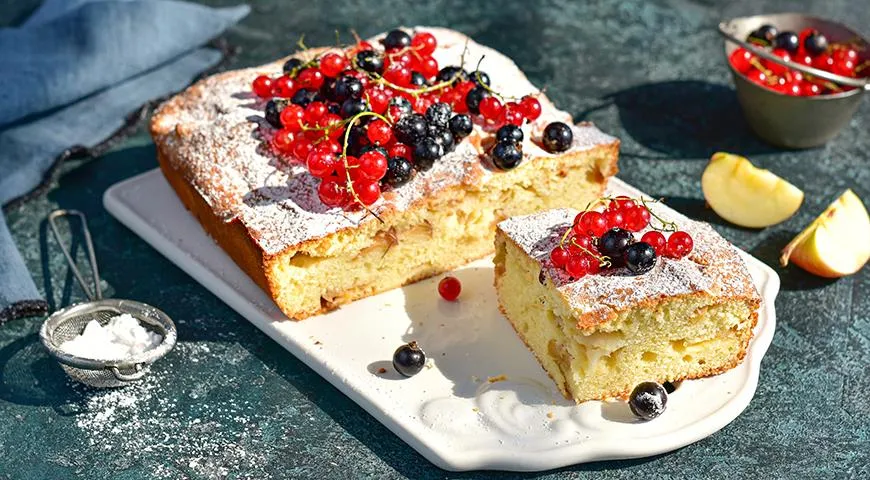
There is something deeply comforting about a warm slice of semolina cake studded with tender, caramelized apples. This Russian classic, known as mannik s yablokami, is a beloved tea-time treat that marries the rustic sweetness of baked apples with the delicate crumb of semolina. For many children, baked apples are a favorite, and this hearty dessert transforms them into a satisfying meal—perfect for an afternoon snack or an evening dessert with a glass of milk. In the heart of apple season, baking this moist, fragrant cake is an excellent way to celebrate the harvest. This recipe delivers a cake that is both tender and substantial, with a subtle tang from sour cream and a gentle sweetness that never overwhelms. Follow these steps to create a dessert that will fill your kitchen with the aroma of cinnamon and butter, and bring a touch of Russian home-baking to your table.
About the Recipe
Semolina cake is a staple of Eastern European baking, prized for its simplicity and versatility. Unlike flour-based cakes, mannik relies on semolina (coarse wheat middlings) for its distinctive texture—slightly grainy yet incredibly moist when soaked in dairy. This version incorporates fresh apples, which not only add natural sweetness but also keep the crumb tender. The cake is typically baked in a round or rectangular pan and served dusted with powdered sugar or topped with fresh berries. It can be enjoyed warm or at room temperature, and it stores beautifully for several days. The balance of tart apples, creamy sour cream, and light semolina creates a dessert that is both nostalgic and sophisticated.

Ingredients
- 150 g semolina (coarse semolina or cream of wheat)
- 150 g all-purpose flour
- 200 g granulated sugar, plus extra for sprinkling
- 1/2 teaspoon salt
- 2 teaspoons baking powder
- 4 medium apples (about 500 g), such as Granny Smith or Fuji
- 3 large eggs
- 200 g full-fat sour cream
- Butter for greasing the baking pan
- Powdered sugar and fresh berries for serving (optional)
Step-by-Step Instructions
Step 1: Prepare the Pan and Oven
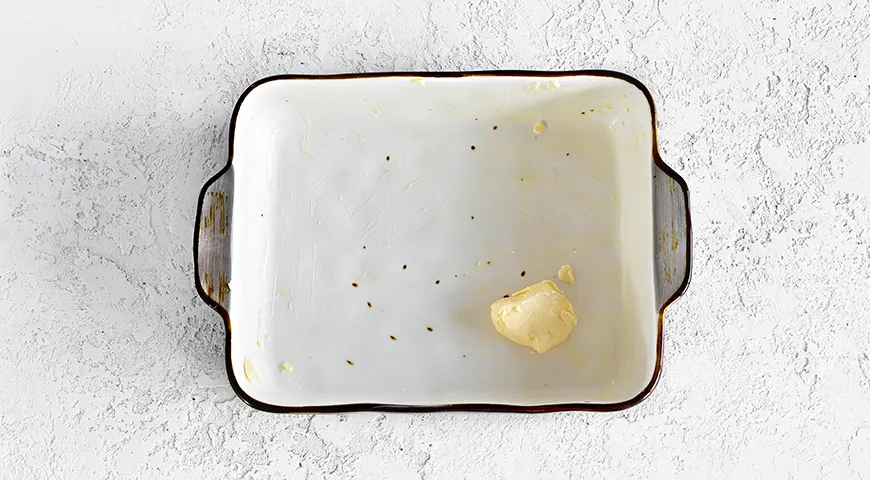
Generously butter a 20–22 cm round or 20×20 cm square baking pan. Alternatively, line the bottom with parchment paper for easy removal. Preheat your oven to 180°C (350°F). Using a good-quality convection oven can help ensure even browning and a soft crumb.
Step 2: Mix Dry Ingredients
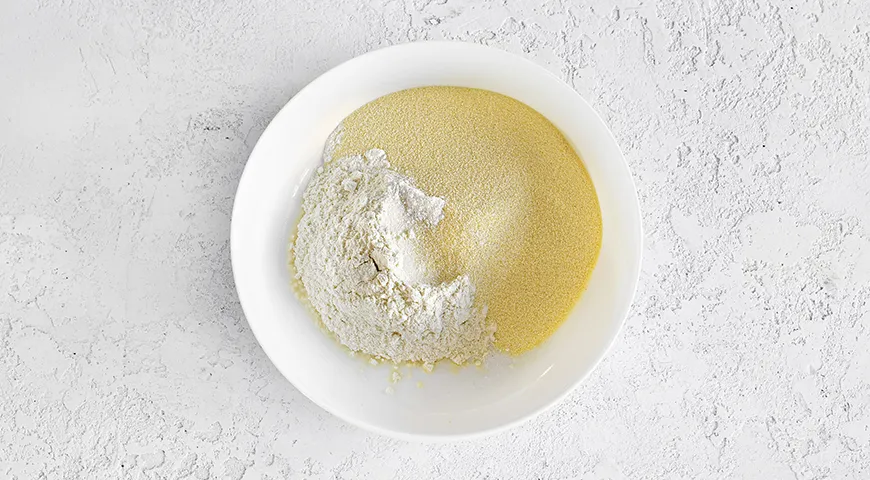
In a large mixing bowl, combine 150 g semolina, 150 g flour, 200 g sugar, 1/2 teaspoon salt, and 2 teaspoons baking powder. Whisk thoroughly to distribute the leavening agent. Using a planetary mixer on low speed can make this step effortless, but a hand whisk works well.
Step 3: Prepare the Apples
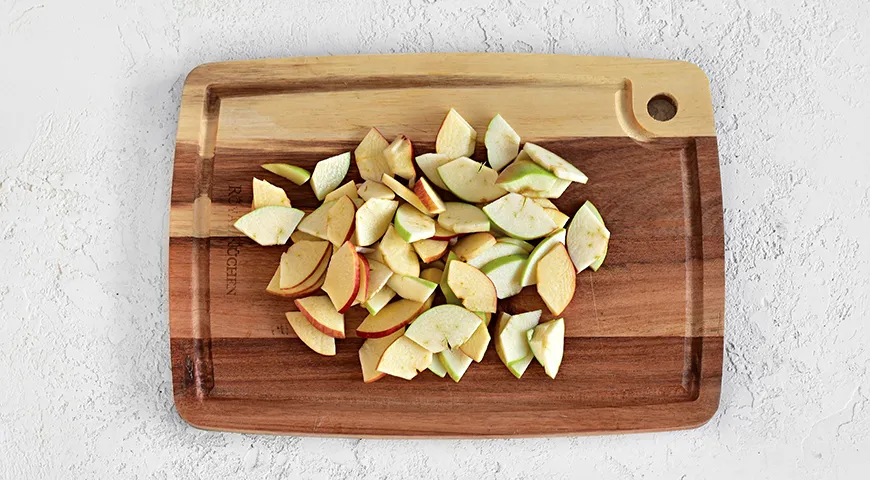
Wash and core the apples, then cut each into quarters. Slice each quarter crosswise into thin, even pieces (about 3–4 mm thick). There’s no need to peel the apples—the skins add color and a hint of tartness. For crisp, uniform slices, a glass food processor with a slicing disc can save time.
Step 4: Whisk Eggs with Sugar
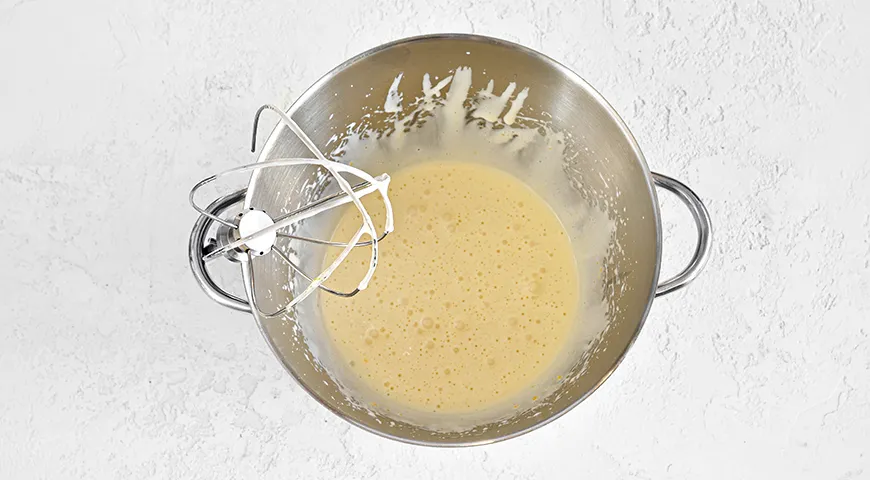
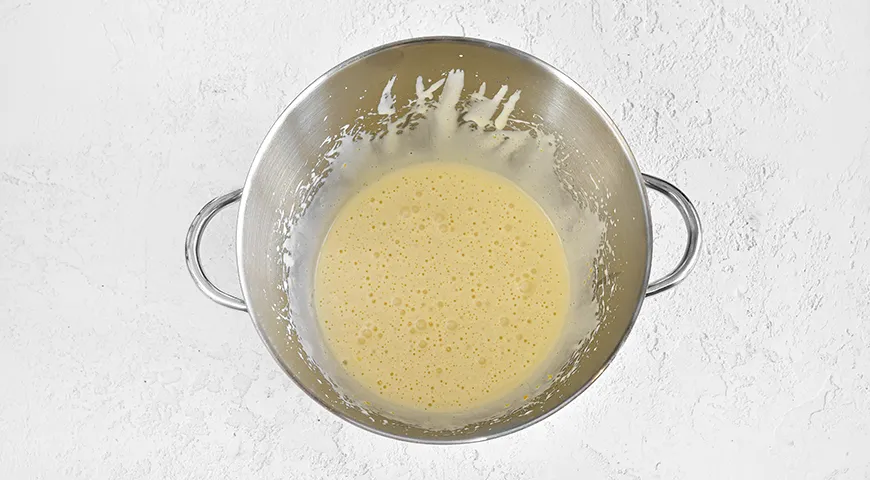
In a separate bowl, crack 3 eggs and add the remaining sugar (if you reserved any, otherwise use a portion of the measured sugar). Whisk vigorously until the mixture is pale, thick, and doubled in volume—about 3–4 minutes with an electric hand mixer. For a super-frothy result, consider using an immersion blender with a whisk attachment.
Step 5: Combine Wet and Dry
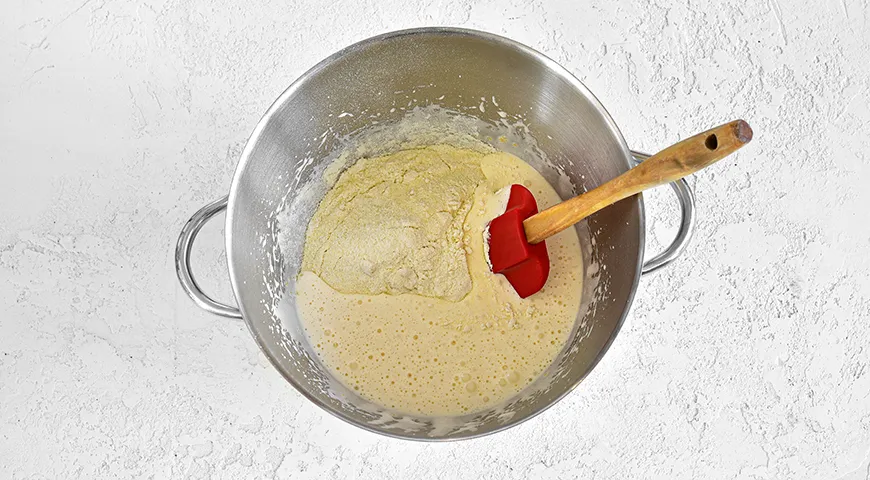
Pour the beaten eggs and the sour cream into the bowl of dry ingredients. Use a rubber spatula to fold everything together just until no streaks of flour remain. Do not overmix—a few lumps are fine. The batter will be thick but soft. Adding sour cream (full-fat) is essential for tenderness; low-fat versions may yield a drier cake.
Step 6: Gentle Final Mix
Fold the mixture gently but thoroughly, scraping the bottom and sides of the bowl. The batter should be homogenous with no dry patches. If you are using an espresso machine for your coffee break, you’ll be enjoying the cake sooner! The batter is now ready for the apples.
Step 7: Add Apples and Bake
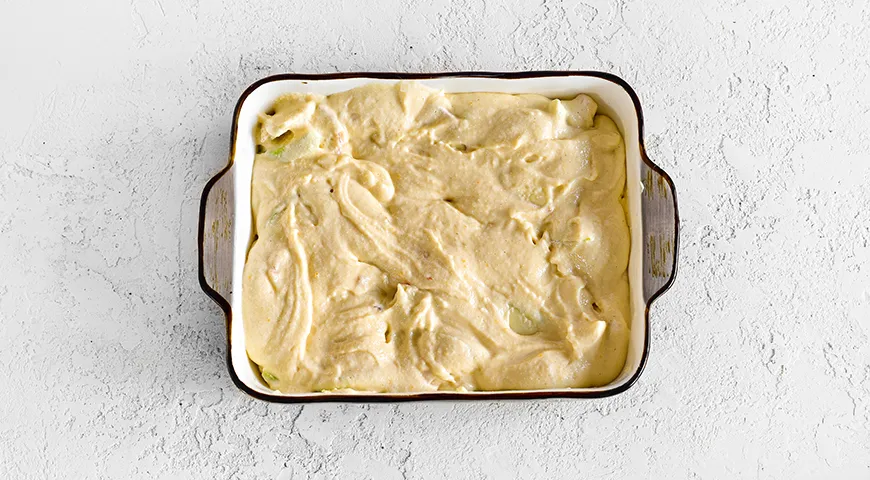
Gently fold the apple slices into the batter. Transfer the mixture to the prepared baking pan and spread evenly. Bake for 50–60 minutes, until the top is golden brown and a skewer inserted into the center comes out clean. If the top browns too quickly, tent with foil after 40 minutes. Let cool in the pan for 10 minutes, then turn out onto a wire rack. Dust with powdered sugar and garnish with fresh berries before serving. This cake pairs wonderfully with a handful of chocolate-covered raisins or a dollop of whipped cream.
Tips for Perfect Mannik
- Soak the semolina: Let the batter rest for 15–20 minutes before baking. This allows the semolina to absorb liquid, resulting in a moister crumb.
- Apple choice: Use firm, slightly tart apples like Granny Smith or Braeburn. Sweeter varieties like Gala can make the cake overly sugary.
- Pan size: For a taller cake, use a 20 cm round pan. For a thinner, quicker-baking version, use a 23 cm pan and reduce baking time to 40–45 minutes.
- Testing doneness: Because of the apples, the skewer test is reliable—if it comes out clean (no wet batter), the cake is done. A few moist crumbs are fine.
- Storage: Store in an airtight container at room temperature for up to 3 days, or refrigerate for a week. The cake actually improves after a day as the flavors meld.
Variations
This recipe is wonderfully adaptable. Try swapping half the all-purpose flour with whole wheat flour for a nuttier taste and added fiber. For a dairy-free version, use coconut yogurt instead of sour cream and a vegan butter substitute. Add a teaspoon of cinnamon or cardamom to the dry ingredients for spiced warmth. If you love crunch, sprinkle chopped walnuts or pecans over the top before baking. For a more decadent dessert, drizzle the cooled cake with a simple lemon glaze (powdered sugar mixed with lemon juice). You can also incorporate dried fruits like raisins or chopped dates along with the apples. Explore more cake and biscuit recipes for inspiration.
Frequently Asked Questions
Can I use gluten-free flour?
Yes, substitute the all-purpose flour with a 1:1 gluten-free baking blend. You may need to add an extra tablespoon of sour cream or milk to compensate for the dryness of gluten-free flours.
Why did my mannik turn out dense?
A dense texture can result from overmixing the batter or using too much flour. Always measure flour by weight or spoon it lightly into the cup. Also, ensure your baking powder is fresh.
How do I prevent the apples from sinking?
Toss the apple slices in a tablespoon of flour before folding them into the batter. This helps suspend them evenly. Also, don’t fold too vigorously—gentle folding reduces sinking.
Can I make this ahead and freeze it?
Absolutely. Cool the cake completely, wrap tightly in plastic wrap and then foil, and freeze for up to 2 months. Thaw overnight in the refrigerator and reheat slices in a microwave-air fryer combo or warm oven.
What if I don’t have sour cream?
Plain full-fat yogurt or kefir works well as a substitute. The cake will be slightly tangier but still delicious. Avoid low-fat options as they reduce moisture.
Is mannik suitable for children?
Yes, it’s a kid-friendly dessert. The soft texture and natural sweetness from apples make it popular. You can reduce sugar to 150 g for a less sweet version.
How can I add more flavor?
Add a teaspoon of vanilla extract or the zest of one lemon to the wet ingredients. A pinch of nutmeg or ginger also complements the apples beautifully.
Baking a delicious semolina cake with apples is a wonderful way to embrace the flavors of autumn and share a slice of Russian culinary tradition. Whether you serve it as a cozy breakfast, an afternoon snack, or a simple dessert, this mannik will quickly become a favorite. Pair it with a cup of tea or a glass of cold milk, and enjoy the comforting combination of tender cake and sweet-tart apples. For more baking ideas, check out our organic vodka pairings (for adult versions) or explore oil sprayers for greasing pans effortlessly.







