


Few aromas evoke the warmth of a rustic kitchen quite like the scent of freshly baked yeast pies. These soft, golden parcels filled with sweet jam are a cherished classic in Eastern European baking. Our recipe guides you through creating pillowy dough with a delicate crumb and a glossy, buttery finish. Whether you are a seasoned baker or a curious novice, these handcrafted pies promise a rewarding experience and a delectable treat for any occasion.
About This Recipe
This recipe for yeast pies with jam captures the essence of traditional Russian pirozhki – tender, yeasted buns filled with a luscious fruit preserve. Using a sponge (opara) method ensures a light and airy texture, while the combination of egg yolks and butter enriches the dough. The result is a versatile pastry that can be enjoyed for breakfast, as a snack, or alongside a cup of tea. For those who love working with dough, exploring our best planetary mixer can streamline the kneading process, ensuring consistent results every time.

Ingredients
- For the sponge (opara): 260 ml milk (warm), 60 g all-purpose flour, 1 tbsp sugar, 7 g active dry yeast (or 15 g fresh)
- For the dough: 500 g all-purpose flour, 30 g sugar, 2 eggs, 2 egg yolks (one reserved for glazing), 110 g unsalted butter (melted and cooled), 3 g salt, 3 g vanilla sugar (or vanilla extract)
- For filling and finishing: about 200 g jam (apricot, raspberry, or strawberry), 1 egg yolk mixed with 1 tsp water for glaze, extra butter for brushing
Using high-quality ingredients elevates the final bake. For precise measurement and even grinding of spices or nuts, a glass food processor can be a valuable kitchen companion.
Step-by-Step Instructions
-
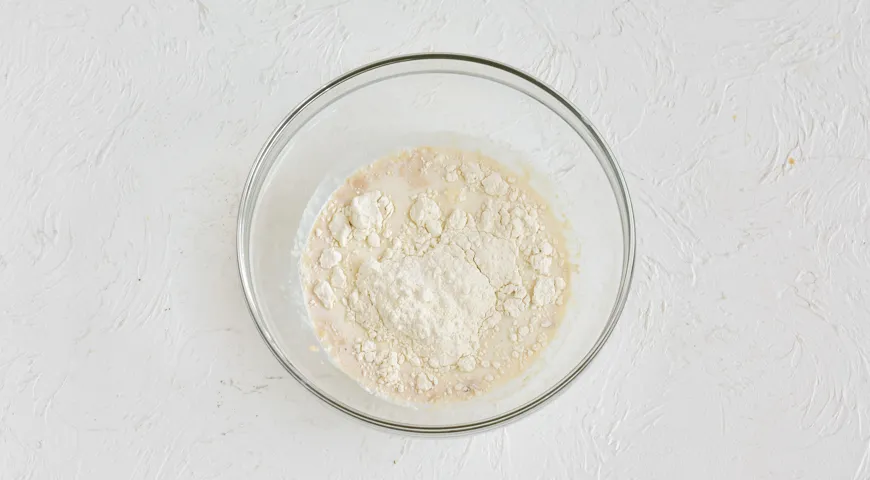
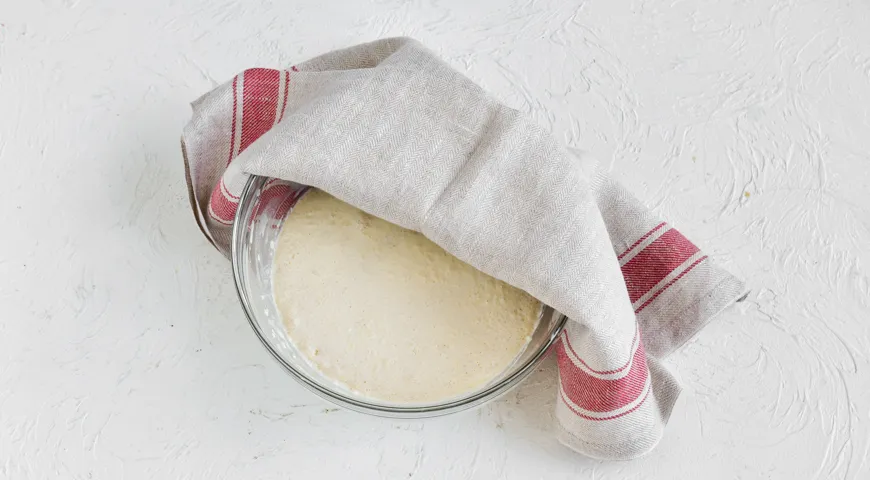
Make the sponge: Gently warm the milk until lukewarm (not hot). Sprinkle the yeast over the milk, stir, then add the sugar and flour. Mix until smooth. Cover the bowl with a towel and place in a warm, draft-free spot. The sponge will rise, then collapse, with small bubbles forming on the surface.
-
Prepare dry ingredients: Into a deep bowl, sift the 500 g flour. Add the salt and stir to combine.

-
Whisk eggs and butter: In a separate bowl, beat the 2 eggs and 1 egg yolk (reserve the second yolk for glazing) with the sugar until pale and foamy. Melt the butter gently and let it cool slightly.
-
Combine and knead: To the sponge, add the beaten eggs, melted butter, and vanilla. Mix well. Gradually incorporate the flour mixture, kneading by hand or with a mixer. Continue kneading for about 20 minutes until the dough is smooth, elastic, and slightly sticky.

-
First rise: Transfer the dough to a lightly oiled bowl, cover with a towel, and let it rise in a warm place for about 1 hour. It should double or triple in volume.

-
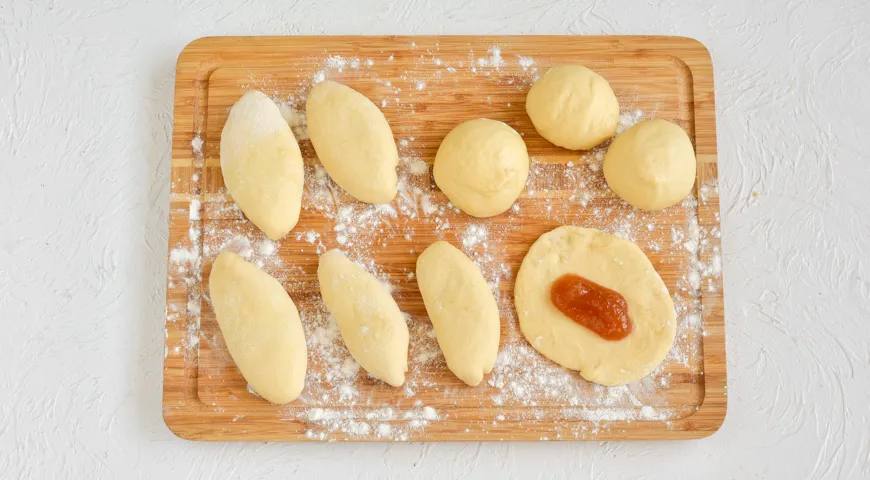
Shape the dough balls: Lightly flour a work surface. Turn out the risen dough and shape it into a log. Pinch off equal portions and roll each into a smooth ball.
-
Fill and seal: Roll each ball into a thick, round disc. Place about a teaspoon of jam in the center. Fold the dough over the filling and pinch the edges firmly to form an oblong pie. Ensure the seal is tight to prevent leakage.
-
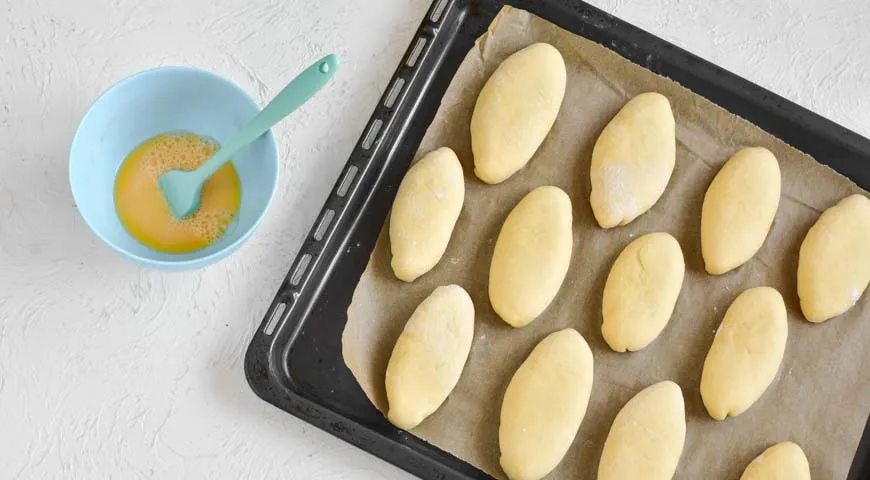
Second rise and glaze: Place the pies seam-side down on a parchment-lined baking sheet, leaving space between them. Cover and let rise for 15 minutes. Brush each pie with the reserved egg yolk mixed with 1 teaspoon water.

- Bake: Preheat the oven to 200°C (400°F). Bake the pies for about 30 minutes until deeply golden and puffed. Remove from the oven, transfer to a wire rack, and brush immediately with melted butter for a glossy finish.
Tips for Perfect Yeast Pies
- Ensure the milk is lukewarm (about 40°C) – too hot kills the yeast, too cold slows fermentation.
- Use a good-quality jam with low water content to avoid soggy bottoms. Thick preserves or fruit butter work best.
- For an even more tender crumb, substitute 50 g of all-purpose flour with bread flour for extra gluten development.
- If you prefer a shiny, crackled top, brush the pies with a mixture of milk and sugar instead of egg wash.
- To keep the dough from sticking during shaping, lightly oil your hands rather than adding excess flour.
- These pies freeze beautifully – bake, cool completely, then store in an airtight container in the freezer for up to two months. Reheat in a non-toxic air fryer for a freshly baked texture.
Variations
While jam is classic, you can experiment with sweet or savory fillings. Try poppy seed paste, sweetened cottage cheese with raisins, or stewed apples. For a savory twist, fill with mashed potatoes and mushrooms or sautéed cabbage. The dough itself is versatile – consider shaping it into cinnamon rolls or a braided loaf. A reliable commercial countertop convection oven can deliver even browning for larger batches.
Frequently Asked Questions
Can I use instant yeast instead of active dry yeast?
Yes. For instant yeast, skip the sponge step and mix the yeast directly with the flour. Reduce the milk to about 240 ml and increase the first rise time by 15-20 minutes.
Why did my pies turn out dense and heavy?
This often happens if the dough was under-kneaded or if the second rise was too short. Ensure you knead until the dough passes the windowpane test – a thin, stretchable membrane without tearing. Also, verify that your yeast is fresh.
Can I make the dough in a bread machine?
Certainly. Add the sponge ingredients first, then the remaining dough ingredients, excluding the butter. Add the butter after the first kneading cycle. Use the dough cycle, then proceed with shaping and baking. A microwave pressure cooker can also speed up the rising time if used on the yogurt setting.
How do I prevent the jam from leaking out during baking?
Seal the edges very firmly – you can even crimp them with a fork. Avoid overfilling; a teaspoon per pie is sufficient. Also, chilling the formed pies for 10 minutes before baking helps set the dough.
What is the best jam to use for these pies?
Thick, high-pectin jams like apricot, raspberry, or sour cherry work wonderfully. Avoid runny jams; you can thicken a thin jam by simmering it with a little cornstarch until it becomes spreadable.
Can I fry these pies instead of baking?
Yes, these are delightful when deep-fried in oil at 170°C (340°F) for 2-3 minutes per side. For a healthier alternative, pan-fry in a small amount of butter until golden. For perfectly even frying, use a best oil sprayer to coat the pan.
For more baking inspiration, check out our Catalan sponge cake recipe or learn about the best wheatgrass juicer for a fresh morning juice alongside your pastries. If you enjoy entertaining, a quality espresso machine pairs beautifully with these pies for a complete afternoon tea experience.







