


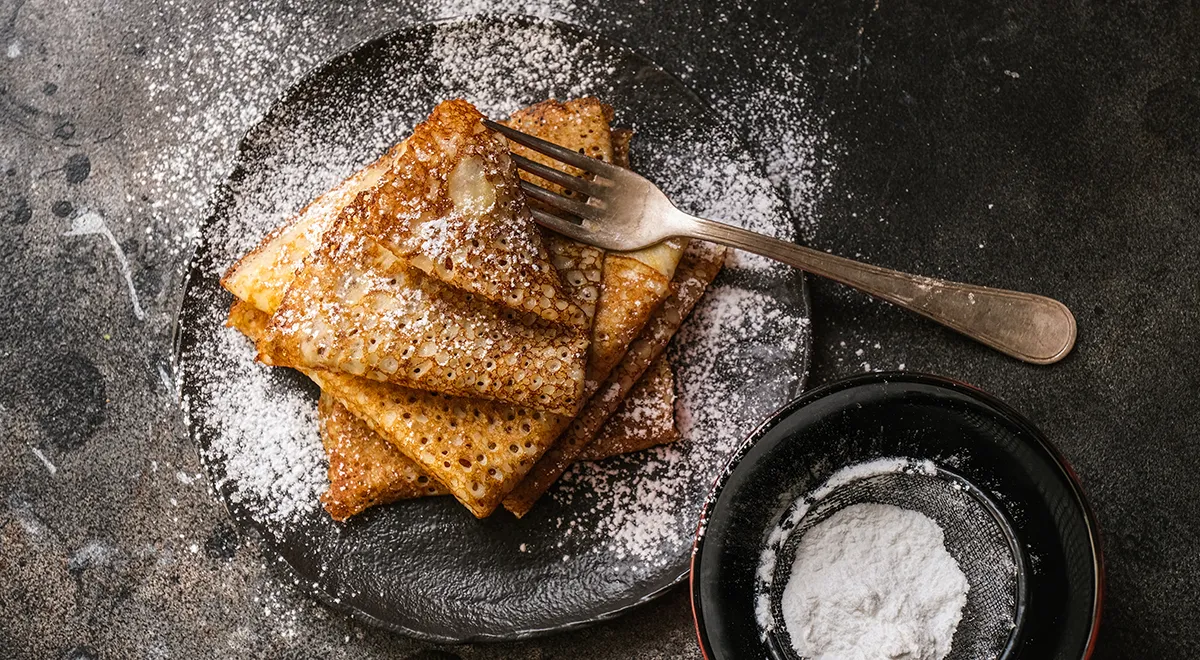
There is something profoundly comforting about a stack of thin, lacy pancakes, their edges crisp and golden, their interiors tender and almost translucent. In Russian cuisine, these delicate crepes—known as bliny—are a beloved staple, enjoyed for breakfast, as a snack, or even as a canvas for savory fillings. This particular recipe harnesses the gentle tang of soured milk, which not only adds depth of flavor but also ensures an exceptionally tender crumb. The result is a batch of thin, pliable pancakes that are equally sublime slathered with butter, stuffed with smoked salmon, or simply dipped in sour cream. Our step-by-step guide will walk you through achieving that perfect, lacy texture every time, using everyday ingredients and a few essential techniques.
About This Recipe
Soured milk—whether left over from a previous batch or intentionally fermented—gives these pancakes a subtle acidity that balances the sweetness and activates the baking soda for a light, airy structure. The method is straightforward: combine a simple batter, let it rest briefly (though this version does not require resting), and cook in a well-heated pan. The secret to the characteristic thinness lies in a fluid batter and a swirling motion that spreads it paper-thin across the skillet. For those new to pancake-making, this recipe is forgiving and yields consistent results. If you enjoy exploring different tools for perfect batter, consider using a non-toxic immersion blender for ultra-smooth mixing, or a high-quality glass food processor to whisk the eggs and milk effortlessly.

Ingredients
- Wheat flour – 220 g
- Eggs (size C0) – 2
- Vegetable oil – 4 tbsp
- Sugar – 1 tbsp
- Baking soda – ½ tsp
- Salt – ½ tsp
- Soured milk (or fresh milk curdled with lemon juice) – about 500 ml (enough for a thin batter)
Note: If soured milk is unavailable, you can easily make your own by adding 1 tablespoon of lemon juice or white vinegar to 500 ml of milk and letting it sit for 10 minutes.
Step-by-Step Instructions
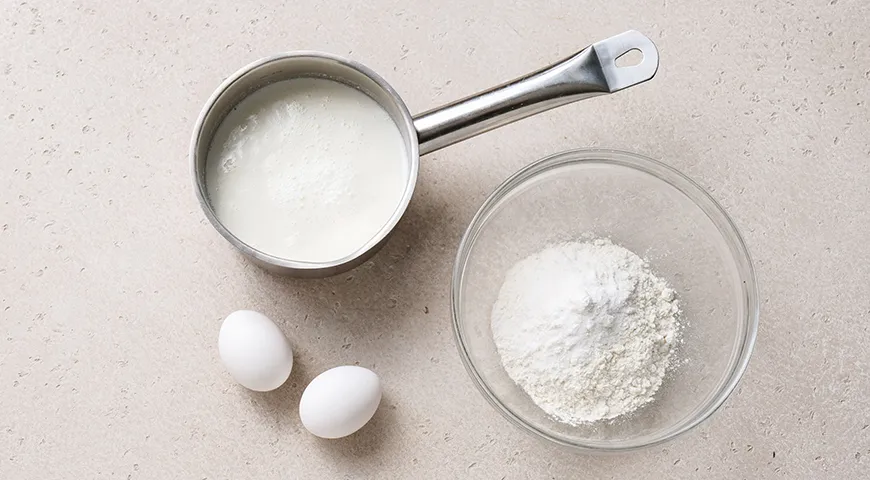
- Prepare the wet ingredients: Remove the eggs from the refrigerator at least 30 minutes ahead so they come to room temperature. Pour the soured milk into a small saucepan and warm it gently over low heat for 30–40 seconds—just until it is lukewarm, not hot enough to curdle. Meanwhile, sift the flour together with the baking soda through a fine sieve into a bowl.
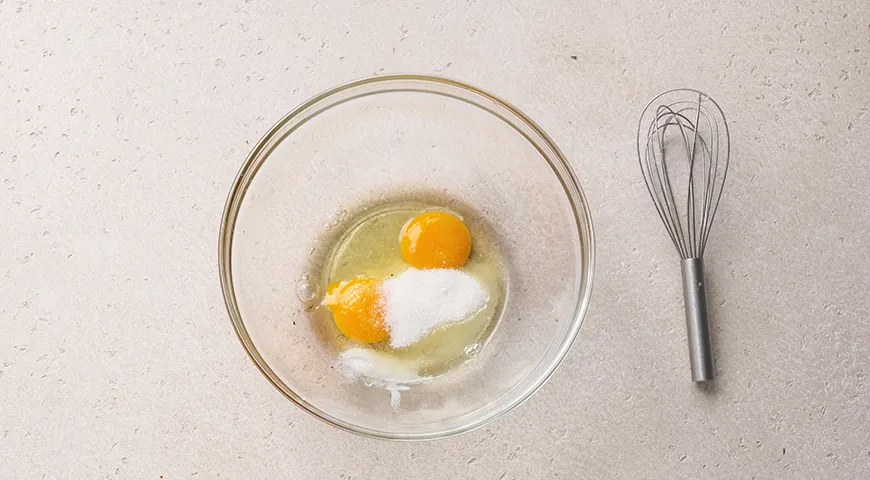
- Whisk the eggs and sugar: In a large mixing bowl, crack the room-temperature eggs. Add the salt and sugar. Whisk with a hand mixer or a planetary mixer on medium speed until the mixture is pale and well combined—about 1 minute. You do not need to whip to stiff peaks; just ensure the yolks and whites are fully emulsified.
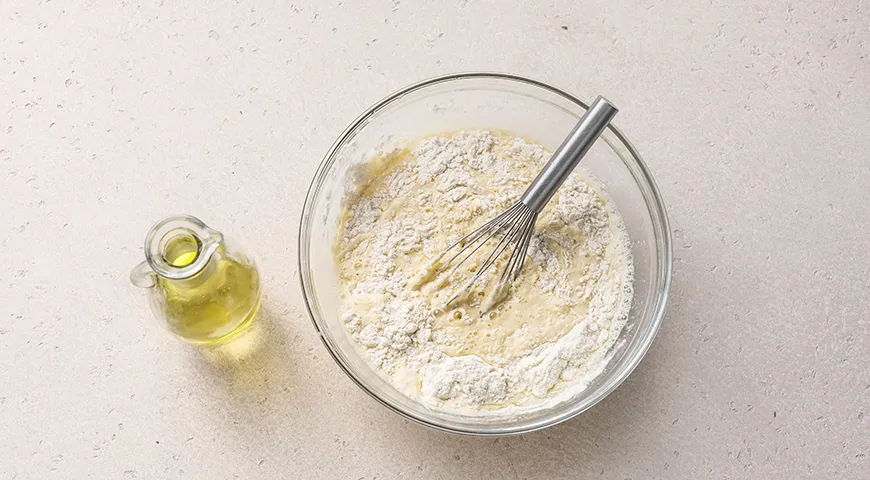
- Combine the batter: Pour the warm soured milk and 2 tablespoons of the vegetable oil into the egg mixture. Add the sifted flour mixture. Begin mixing on low speed, then increase to high to eliminate any lumps. The batter should be silky smooth and about the consistency of heavy cream—thin enough to flow easily.
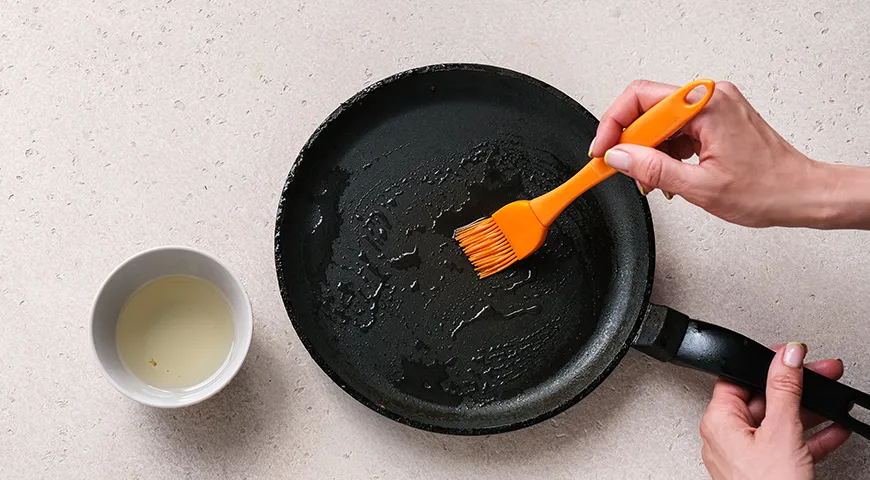
- Heat the pan: Place a 22–24 cm non-stick crepe pan or skillet over high heat. Let it get very hot, then reduce the heat to medium-high. Brush the bottom and sides with a little extra vegetable oil—this initial greasing is usually sufficient because of the oil in the batter. A good oil sprayer can help apply a fine, even layer.
- Pour and swirl: Ladle about 100 ml of batter into the hot pan—using a measuring cup or a kitchen scale with a spout makes this easier. Immediately tilt and rotate the pan so the batter spreads in a thin, even layer. Because the batter is very liquid, it will flow quickly to the edges. If there are any bare spots, add a tiny bit more batter.
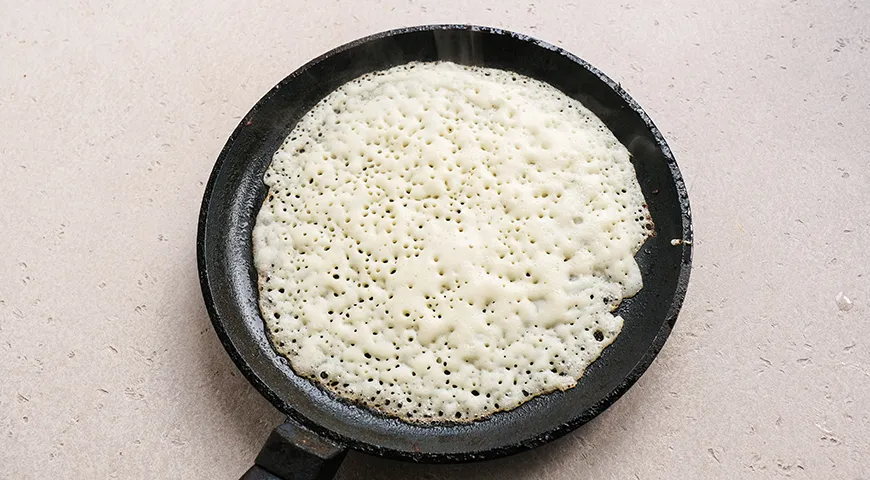
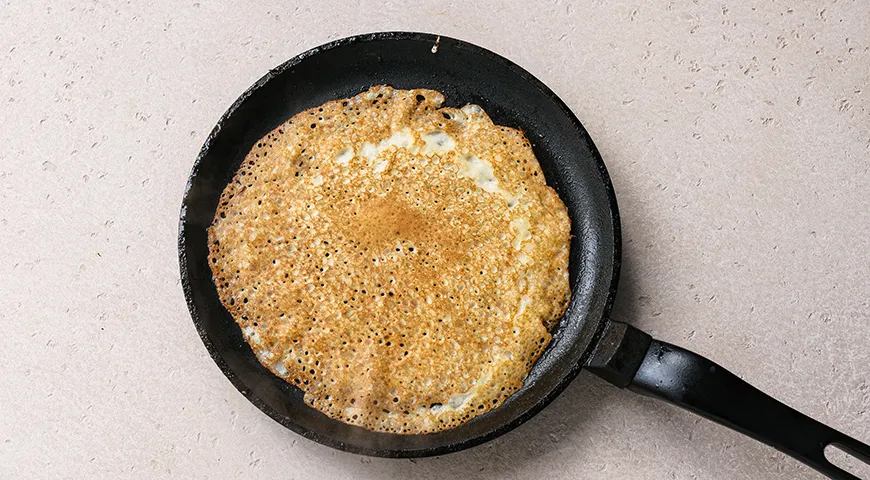
- Cook and flip: Cook for about 1 minute on the first side—the edges will become golden and the surface will lose its shine. Run a thin spatula around the rim to loosen, then flip the pancake. Cook the second side for 45 seconds, or until lightly browned. Transfer to a plate. Repeat with the remaining batter, stacking the pancakes. A non-toxic air fryer is not needed here, but if you want to keep multiple pancakes warm, place them in a low oven (100°C) covered with foil.
Useful Tip: The soured milk can be from yesterday or even two days old, as long as it still flows like liquid and has not turned into a solid clump. The slight acidity works beautifully with the baking soda, giving the pancakes their characteristic lightness.
Tips for Perfect Thin Pancakes
- Temperature matters: Ensure all ingredients are at room temperature for a smooth batter. Cold eggs can cause the butter to seize.
- Pan heat: You may need to adjust the heat after the first pancake—if it browns too quickly, lower the flame; if it’s pale, increase slightly.
- Lump-free batter: If lumps persist, strain the batter through a fine sieve or use an efficient juicer to blend—though a whisk works just as well.
- Oil sparingly: The batter contains oil, so you’ll only need to grease the pan before the first pancake. If pancakes start sticking, add a tiny bit more oil.
- Stacking: Brush each cooked pancake with melted butter before stacking to keep them soft and flavorful.
Variations
- Sweet fillings: Serve with fresh berries, a dollop of lava flavors (like berry compote), honey, or a dusting of powdered sugar.
- Savory options: Wrap with smoked salmon and cream cheese, or fill with sautéed mushrooms and sour cream.
- Gluten-free: Replace wheat flour with a gluten-free all-purpose blend—add a pinch of xanthan gum if needed.
- Extra tang: Use buttermilk instead of soured milk for a more pronounced tang.
- Herb-infused: Add chopped dill or chives to the batter for savory crepes.
FAQ
What is soured milk and can I substitute it?
Soured milk is fresh milk that has naturally soured or been acidified with lemon juice or vinegar. You can use buttermilk, kefir, or even plain yogurt thinned with a little milk as a substitute.
Why are my pancakes not thin enough?
The batter may be too thick. Add a tablespoon or two of milk to thin it. Also, ensure you are pouring the correct amount (about 100 ml for a 22–24 cm pan) and swirling immediately.
Can I make the batter ahead of time?
Yes, you can refrigerate the batter for up to 24 hours. Stir gently before using. The baking soda will still react, though the pancakes may be slightly less airy. For the best texture, cook fresh.
How do I store leftover pancakes?
Stack cooled pancakes with parchment paper between each. Store in an airtight container in the refrigerator for up to 3 days. Reheat in a dry skillet or in a microwave pressure cooker for a few seconds.
Can I freeze these pancakes?
Absolutely. Place layers of parchment between the pancakes, wrap tightly in plastic wrap and foil, and freeze for up to 3 months. Thaw in the refrigerator overnight and reheat.
My first pancake always sticks. What should I do?
Ensure the pan is properly preheated and well-oiled. The first pancake often acts as a test—adjust heat and oil as needed. Using a reliable ice maker is unrelated, but for pancake preparation, a consistent heat source is key.
How can I make these pancakes dairy-free?
Use a sour plant-based milk (like almond or soy with a little lemon juice) and a neutral oil. The texture will be slightly different but still delicious.
This recipe for thin pancakes on soured milk is a classic that never fails. Whether you enjoy them as a sweet breakfast or a savory dinner, these tender crepes are a celebration of simplicity. Pair them with your favorite toppings, or explore more global pancake traditions like Catalan sponge cake for a sweet brunch spread. For the perfect batter consistency, consider using a high-quality commercial convection oven to keep pancakes warm, or a large refrigerator for bulk storage. And if you’re ever in need of a refreshing drink to accompany your pancakes, a glass of sweet wine or a fine George Howell coffee makes an excellent pairing.







