


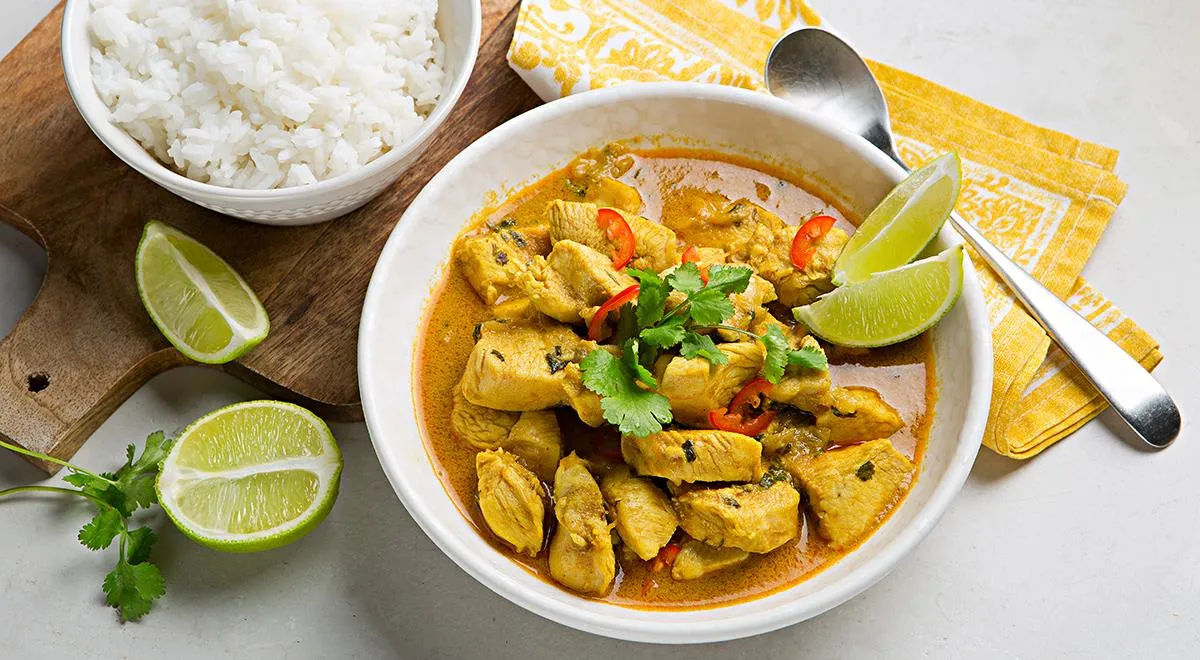
There are curries that demand hours of simmering and a pantry stocked with a dozen exotic spices—and then there is this Thai green curry. Both deeply aromatic and remarkably unfussy, it is the kind of dish that proves weeknight cooking can still transport your taste buds to the bustling streets of Bangkok. With tender chicken, a fragrant coconut broth, and the unmistakable kick of green curry paste, this recipe is as close to instant gratification as authentic Thai cooking gets. All you need is one pot, a handful of ingredients, and about 20 minutes of active time. For those building a well-stocked kitchen, a best non-toxic immersion blender can streamline your curry paste prep, while a best glass food processor makes quick work of chopping aromatics.
About This Recipe
Thai green curry, or kaeng khiao wan, is a beloved staple of Thai cuisine, distinguished by its vibrant green colour and balanced heat from fresh green chillies. This version stays true to its roots but simplifies the process: there is no pounding of pastes from scratch, no lengthy marination—just pure, unadulterated flavour built in layers. The key lies in toasting the curry paste briefly in oil to release its essential oils before adding liquid. A best air fryer non-toxic can also be used to crisp chicken separately if you desire a textural contrast, though here we simmer everything together for a silky sauce. The result is a dish that feels both luxurious and effortless, perfect for both novice cooks and seasoned chefs looking for a reliable weeknight hero.

Ingredients
- 500 g chicken breast fillet, boneless and skinless
- Sea salt, to taste
- 1 bunch fresh cilantro (coriander), stems finely chopped and leaves divided (save some for garnish)
- 1 medium onion, peeled and sliced into medium-thick wedges
- 2 tablespoons vegetable oil (or coconut oil for extra flavour)
- 2–3 tablespoons green curry paste (adjust to your heat preference)
- 250 ml cold water
- 400 ml can full-fat coconut milk
- 1–2 tablespoons fish sauce (nam pla)
- Jasmine rice, steamed, for serving
- Fresh cilantro leaves and sliced red chilli (optional, for garnish)
For the best quality coconut milk, consider using a best 48 inch built in refrigerator to keep your ingredients perfectly cold. If you prefer to grind your own curry paste, a best food processor for nut butter works wonders for tough spices and herbs.
Step-by-Step Instructions
- Prepare the chicken and cilantro. Cut the chicken breast lengthwise into two halves, then slice crosswise into pieces about 1.5–2 cm thick. Season lightly with salt. Finely chop the cilantro stems and half of the leaves; reserve the remaining leaves for garnish.

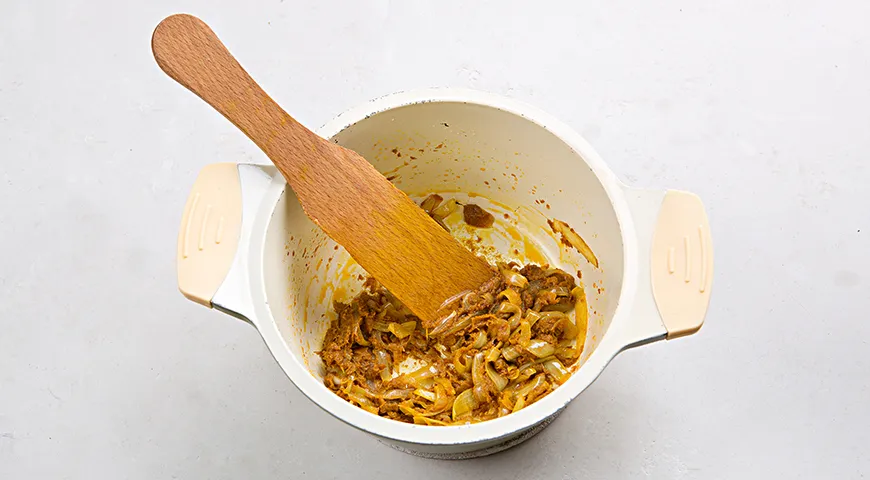
- Sauté the onion and curry paste. Peel the onion and cut into medium-thick wedges; season with a pinch of salt. In a deep sauté pan or wok, heat the oil over high heat. Add the onion and cook, stirring frequently, for about 5 minutes until softened and lightly browned. Stir in the green curry paste and cook for 1 minute, until fragrant. The paste must sizzle in the oil—this is critical for depth of flavour. For precise heat control, a best commercial countertop convection oven might not be needed here, but a reliable stovetop is key.
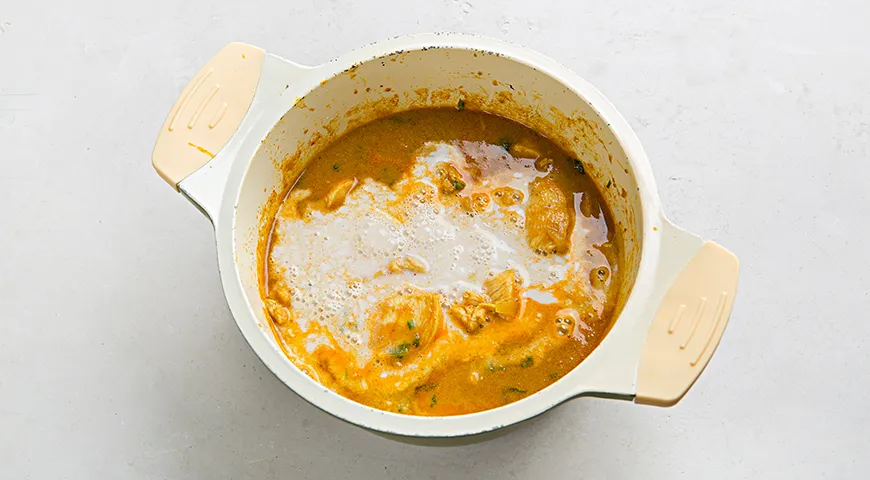
- Simmer the curry base. Pour in 250 ml cold water and bring to a boil. Add the chicken pieces and the chopped cilantro (stems and leaves). Reduce the heat to medium, cover the pan, and cook for 5 minutes. During this time, the chicken will gently poach and absorb the aromatic flavours. A best microwave pressure cooker can speed up this step if you are in a rush, but the stovetop method gives you more control over the sauce consistency.

- Finish with coconut milk. Remove the lid, increase the heat to high, and let the liquid reduce slightly for 1–2 minutes. Pour in the coconut milk, bring to a gentle boil, then turn off the heat. Stir in the fish sauce to taste—start with 1 tablespoon and adjust. Taste and adjust salt if needed. The sauce should be creamy, slightly spicy, and savoury. For those who like to emulsify sauces perfectly, using a best oil sprayer can help control oil usage, though here the coconut milk provides all the richness needed.
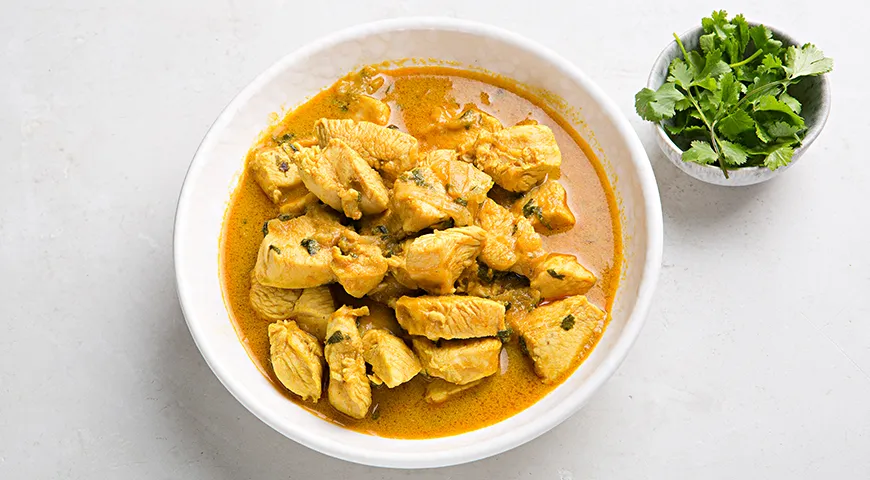
- Serve. Ladle the curry into deep bowls alongside freshly steamed jasmine rice. Garnish with the reserved cilantro leaves and, if you like, a sliced red chilli for extra heat. The beauty of this dish lies in its simplicity—a spoonful of the fragrant broth over rice is nothing short of bliss. For storing leftovers, a best undercounter ice maker machine isn't necessary, but a good airtight container is.
Tips for Perfect Thai Green Curry
- Don't skimp on the curry paste. Quality matters—use a Thai brand without additives. To make your own, a best planetary mixer can help grind the paste ingredients.
- Use full-fat coconut milk. Light versions lack the body and creaminess that define a proper green curry.
- Adjust heat gradually. Curry pastes vary in spiciness; start with 2 tablespoons and add more after tasting.
- Serve immediately. The flavours are brightest when fresh. Reheat gently if needed, adding a splash of water or coconut milk to loosen the sauce.
- Pair with jasmine rice. Its floral fragrance complements the curry without competing.
Variations
This recipe is a blank canvas. Swap chicken for tofu or shrimp for a seafood twist. Add vegetables like bamboo shoots, Thai eggplant, or bell peppers during step 3. For a richer sauce, use coconut cream instead of milk. If you prefer a milder curry, reduce the paste and add a squeeze of lime at the end. For a more authentic touch, incorporate kaffir lime leaves and Thai basil. To quickly chop these herbs, a best wheatgrass juicer is overkill, but a sharp knife works best.
FAQ
What is green curry paste made of?
Traditional green curry paste contains green bird's eye chillies, lemongrass, galangal, shallots, garlic, coriander roots, cumin, white peppercorns, and shrimp paste. Many store-bought versions also include kaffir lime zest. To store your paste, use a best refrigerant leak detector is irrelevant, but a sealed container in the fridge works.
Can I use light coconut milk?
Light coconut milk will produce a thinner, less creamy sauce. For best results, always use full-fat coconut milk. If watching calories, you can replace part of the coconut milk with chicken broth.
How do I make this curry less spicy?
Use less green curry paste—start with 1 tablespoon—and add more coconut milk to mellow the heat. You can also remove the seeds from fresh chillies if making your own paste.
Is fish sauce necessary?
Fish sauce provides the essential umami and saltiness. If unavailable, substitute with a combination of soy sauce and a little anchovy paste or a splash of lime juice to mimic its complexity.
Can I prepare this curry in advance?
Yes, but the sauce may thicken upon cooling. Reheat gently and add a splash of water or coconut milk to restore consistency. The flavours often improve overnight. For best storage, use a total bowel release is not related—just an airtight container.
What to serve with Thai green curry?
Steamed jasmine rice is classic, but you can also serve with rice noodles or cauliflower rice for a low-carb option. A side of crisp cucumber salad balances the richness.
This simplest Thai green curry with chicken is more than a recipe—it is a gateway to the vibrant, fragrant world of Thai cuisine. With minimal effort and a handful of ingredients, you can create a dinner that feels like a celebration. For more culinary inspiration, check out our best organic vodka review for pairing possibilities, or explore best castor oil for non-culinary uses. And if you ever need to quickly heat up leftovers, a best wall oven microwave combo with air fryer can do double duty. Enjoy the journey!







