


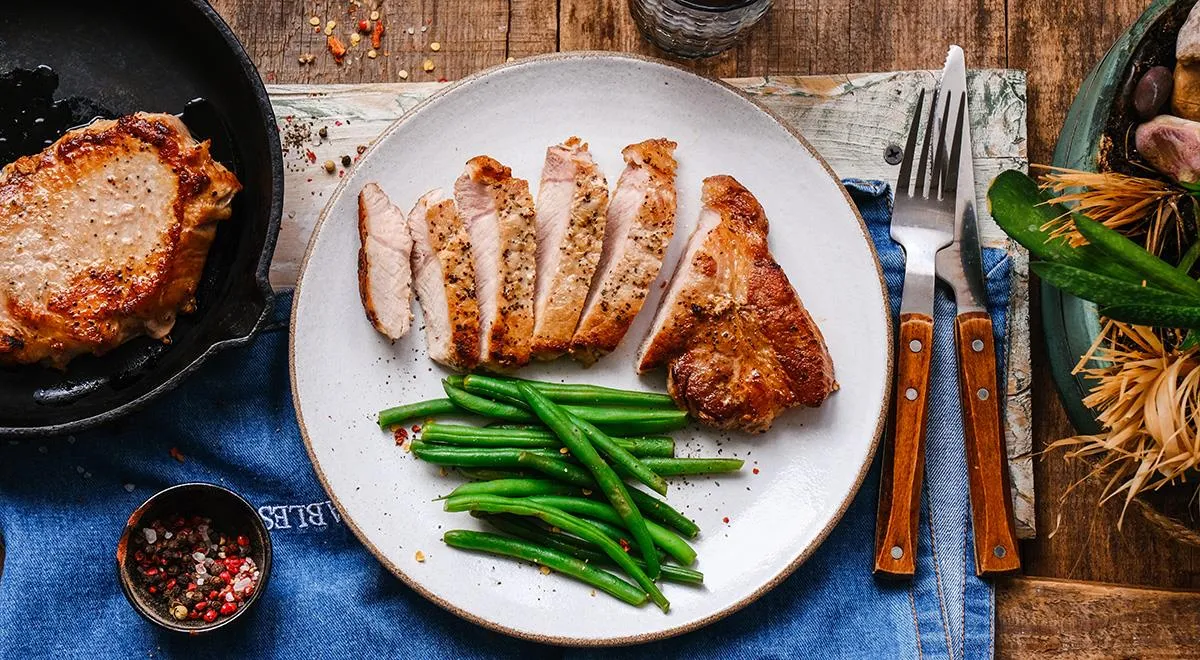
There is a quiet magic in a perfectly cooked pork loin cutlet—that moment when the golden crust gives way to a juicy, tender interior, seasoned just enough to let the meat sing. This recipe, rooted in Russian home kitchens, transforms a simple cut of carbonade into a culinary masterpiece with minimal fuss and maximum flavor. By mastering the techniques of drying, seasoning, resting, and searing, you can recreate that ideal cutlet time after time. Whether you are a seasoned cook or a curious beginner, this guide will walk you through every step, with tips and variations to suit your personal style.
About This Recipe
The ideal pork loin cutlet is more than just a piece of meat—it is a celebration of texture and taste. Originating from Eastern European traditions, this dish relies on a few key principles: using a thick cut of boneless loin with a generous fat cap, salting well in advance, and cooking over a well-heated (not blazing) skillet. The result is a caramelized exterior that locks in moisture, creating a succulent bite every time. The recipe is naturally gluten-free and can be adapted to various dietary preferences, making it a versatile addition to any weekday dinner or special occasion.

Ingredients
- 2 pork loin cutlets (carbonade), about 3–3.5 cm thick, without bone, with a layer of fat on the edge
- 1 tablespoon clarified butter, olive oil, or other vegetable oil
- Salt (preferably flaky sea salt)
- Freshly ground black pepper
For best results, choose cutlets with an even thickness and a fat rim that will render beautifully. If you do not have a high-quality oil sprayer, consider investing in one of the best oil sprayers to ensure even coverage.
Step-by-Step Instructions
-
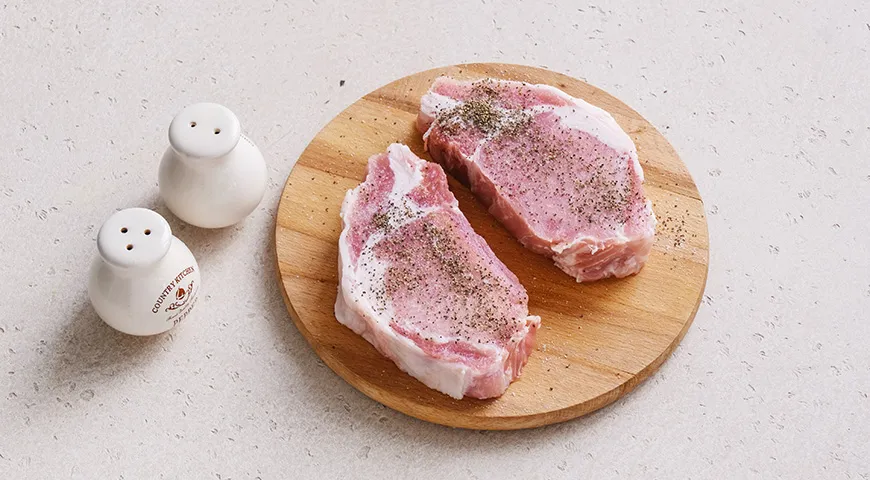
Dry and season the cutlets. Pat the pork dry with paper towels, then generously season both sides with salt and pepper. Cover loosely with plastic wrap and let rest at room temperature for 1 hour. This dry-brining step enhances flavor and helps achieve a deeper crust.
-
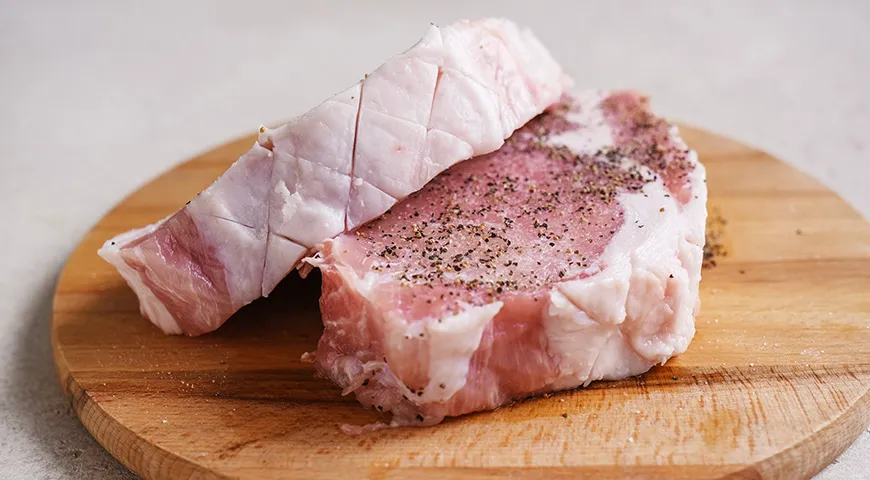
Score the fat edge. Using a sharp knife, make shallow crosswise cuts through the fat rim, being careful not to cut into the meat. This prevents the cutlet from curling during cooking and allows the fat to render evenly.
-
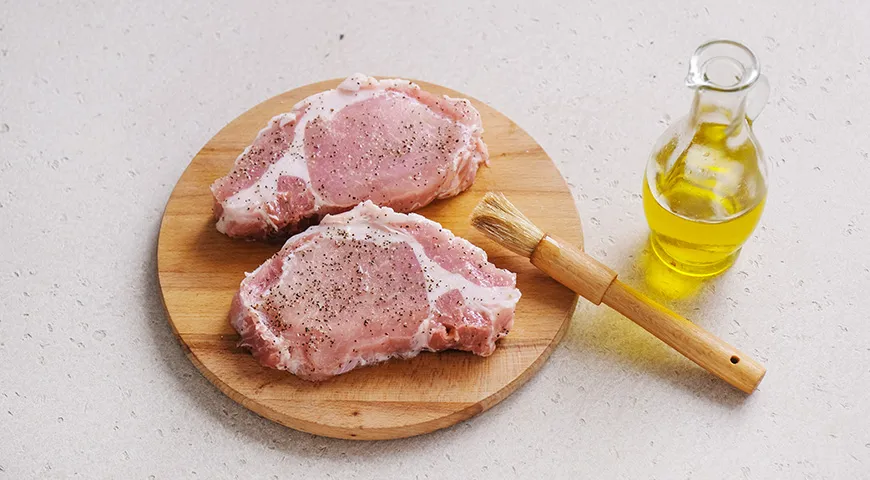
Brush with oil. Lightly coat each cutlet on all sides with oil. Using your hands or a silicone brush, spread the oil evenly. A non-toxic immersion blender can help emulsify a simple herb oil for added flavor if desired.
-
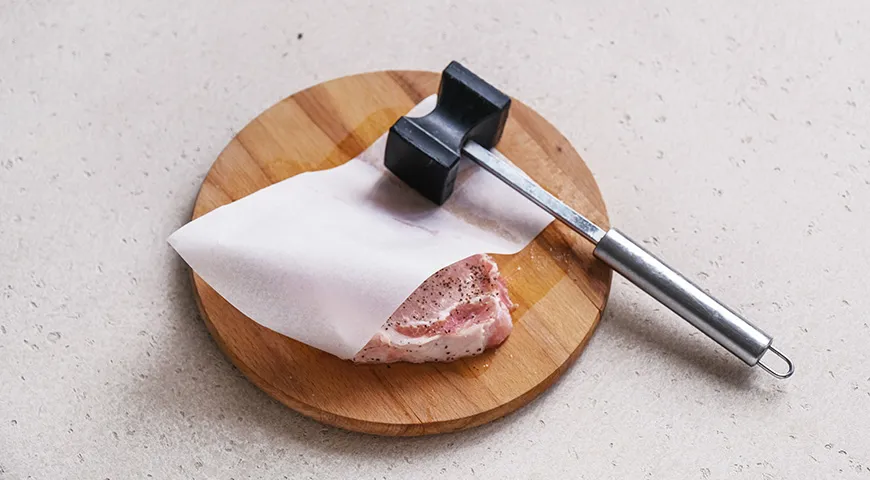
Optional tenderizing. If you prefer a thinner cutlet, gently pound the meat through a sheet of parchment paper using the heel of your hand, a rolling pin, or a flat mallet. This step is not necessary for thick cutlets but can speed up cooking.
-
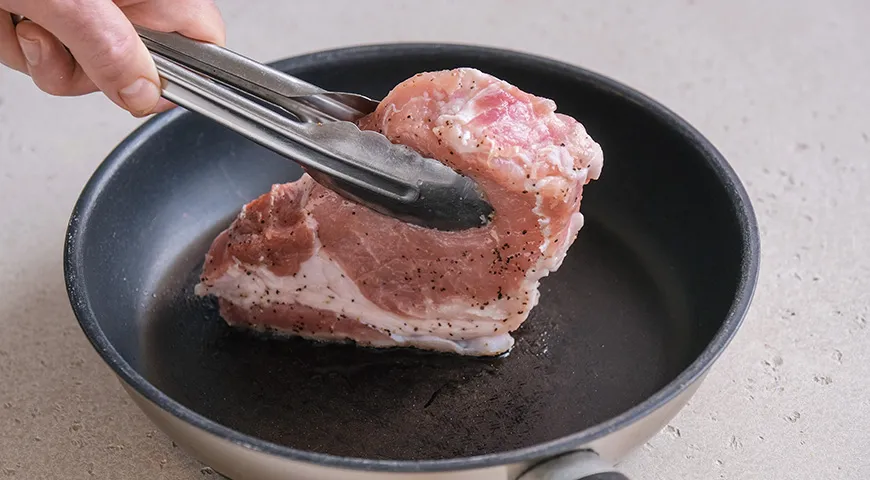
Preheat the pan and sear the fat edge. Heat a cast iron skillet over medium heat for about 3 minutes (do not overheat). Holding both cutlets together with tongs, stand them on their fat edge and press gently. Cook until the fat is lightly golden, about 2 minutes. A high-quality non-toxic air fryer can be used for an alternative dry-heat finish, but the skillet technique is classic.
-
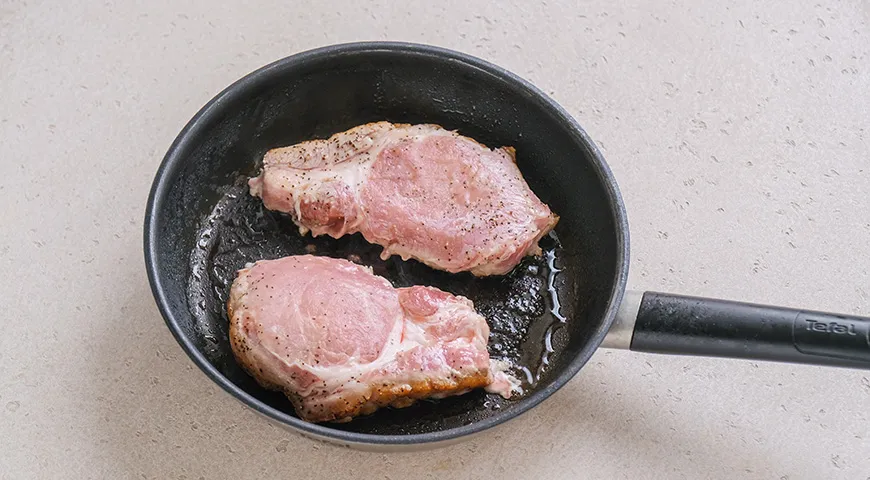
Sear the first side. Lay the cutlets flat in the skillet and cook without moving until a deep golden-brown crust forms, about 4 minutes. Avoid shifting the meat during this phase to ensure an even crust. For consistent heat, a commercial countertop convection oven can preheat plates or hold finished cutlets.
-
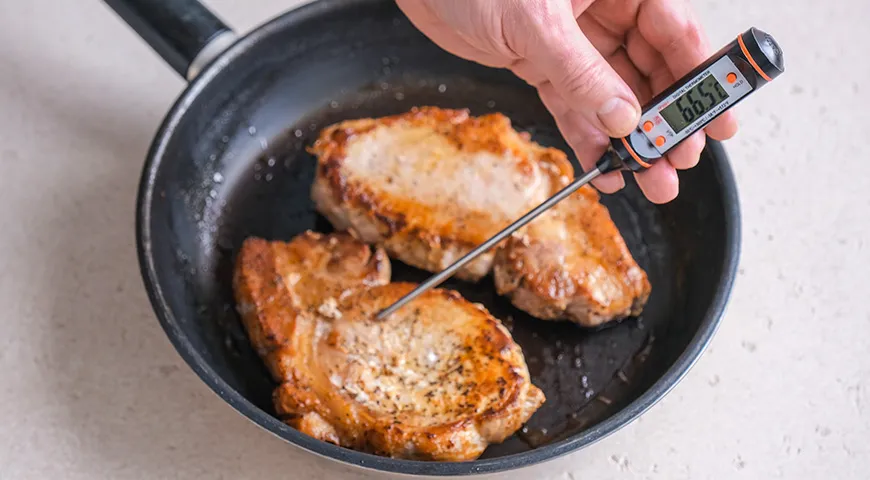
Flip and finish to desired doneness. Turn the cutlets over and cook the other side for 4–6 minutes. Use an instant-read thermometer to check internal temperature—remove from heat at 65–66°C (149–151°F) for medium, which is the ideal point for pork. Transfer to a plate, cover loosely with foil (do not wrap), and let rest for 7–10 minutes. A microwave pressure cooker can be used to quickly steam vegetables as a side while the meat rests.
Tips for Success
- Patience with seasoning: Allow the salt to penetrate the meat for at least an hour; this is the secret to flavor deep inside.
- Use a heavy pan: A cast iron skillet retains heat beautifully. If you do not own one, a heavy stainless steel pan works too. For alternative tools, check out the best wall oven microwave combo with air fryer for a multifunctional approach.
- Do not overcrowd: Cook only two cutlets at a time to maintain heat. If cooking for a crowd, use a second pan or finish in the oven.
- Resting is non‑negotiable: The 7‑minute rest allows juices to redistribute. Skipping this step leads to dry meat.
- Use a thermometer: Visual cues are tricky with pork. A reliable thermometer ensures safety without overcooking.
Delicious Variations
This basic technique welcomes creativity. For a herb‑crusted version, add dried thyme or rosemary to the salt mix. To make a quick pan sauce, deglaze the skillet with a splash of best organic vodka and stir in cream. For a Mediterranean twist, serve with a side of roasted peppers and a drizzle of balsamic glaze. If you enjoy sweet contrasts, pair the cutlet with best chocolate covered raisins as a playful garnish—the honeyed notes complement the savory pork. For a wine pairing, a best sweet wine with high alcohol content offers a beautiful balance. To elevate presentation, use best glassware for serving.
Frequently Asked Questions
Can I use bone‑in pork chops instead?
Yes, but adjust cooking time: bone‑in chops may need an extra minute per side. The internal temperature target remains 65°C. For more on cuts, read about the Catalan sponge that pairs beautifully with pork.
What if I don’t have a cast iron skillet?
A heavy stainless steel or nonstick pan works, but the crust may be less intense. Preheat thoroughly and use enough oil. A planetary mixer can help make a complementary sauce while the meat rests.
How do I know when the cutlet is done without a thermometer?
Make a small incision near the bone (if any) or the thickest part. The juices should run clear, and the meat should feel firm but slightly springy. For a foolproof method, consider a best store bought au jus to add moisture if unsure.
Can I prepare these cutlets ahead of time?
You can season and refrigerate the cutlets overnight. Cook just before serving for the best texture. Leftover cutlets can be sliced and used in salads or sandwiches. Store them in a best 48 inch built-in refrigerator for optimal freshness.
What sides go well with pork loin cutlets?
Mashed potatoes, roasted root vegetables, or a simple green salad. For a special breakfast‑style pairing, try the best coffee maker for Airbnb to brew a robust coffee that complements the meat.
How do I keep the cutlet from curling?
Scoring the fat edge (as in Step 2) is key. Also, if you notice curling during cooking, press down gently with a spatula for the first minute.
Conclusion
The perfect pork loin cutlet is within reach of any home cook. By focusing on quality ingredients, proper seasoning, and precise heat control, you can achieve a restaurant‑worthy result. Serve immediately after resting, and watch the golden crust give way to tender, juicy meat. For an extra touch of indulgence, finish with a pat of herb butter or a sprinkle of flaky salt. And if you are looking to expand your kitchen arsenal, explore the best espresso machine under 2000 to complete your culinary experience. Happy cooking!







