


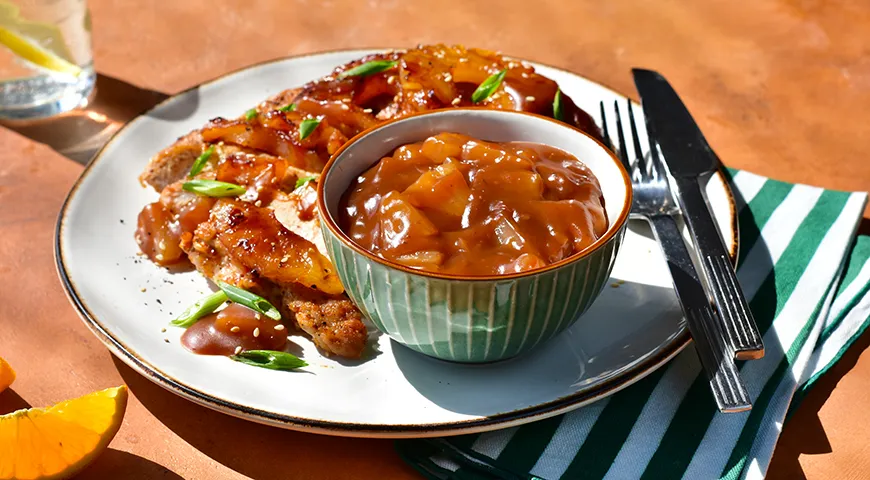
In the world of gastronomy, the French have long proclaimed that sauce is the soul of a dish—the subtle alchemy that elevates humble ingredients into a symphony of flavor. This sweet and sour pineapple sauce embodies that philosophy, transforming even the simplest chicken breast or fillet of fish into an exotic, crave-worthy creation. Crafted with pantry staples and a can of pineapple, this recipe delivers a glossy, tangy-sweet condiment that is as versatile as it is delicious. Whether you are hosting a dinner party or seeking a weeknight flavor lift, this sauce will become your secret weapon.
About This Recipe
Originating from Chinese culinary traditions and beloved worldwide, sweet and sour sauce strikes the perfect balance between sugar and acidity. Our version uses canned pineapple and its juice for convenience and consistent sweetness, while orange juice adds a bright citrus note. The sauce is thickened with potato starch, giving it a silky, clingy texture that coats meat, seafood, or vegetables beautifully. It comes together in under 15 minutes, making it ideal for busy cooks who refuse to compromise on taste. For more global-inspired condiments, explore our guide to essential kitchen tools for sauce making.

Ingredients
- Canned pineapple – 200 g (drained weight)
- Potato starch – 20 g
- Pineapple juice – 40 ml (reserved from can)
- Soy sauce – 60 ml
- Ketchup – 40 g
- Sugar – 20 g
- Orange juice – 20 ml (freshly squeezed)
- Rice vinegar – 45 ml
All ingredients are easily sourced. For the best results, use a high-quality immersion blender if you wish to purée the sauce later, or a small food processor for chopping the pineapple evenly.
Step-by-Step Instructions
Step 1: Prepare the Ingredients
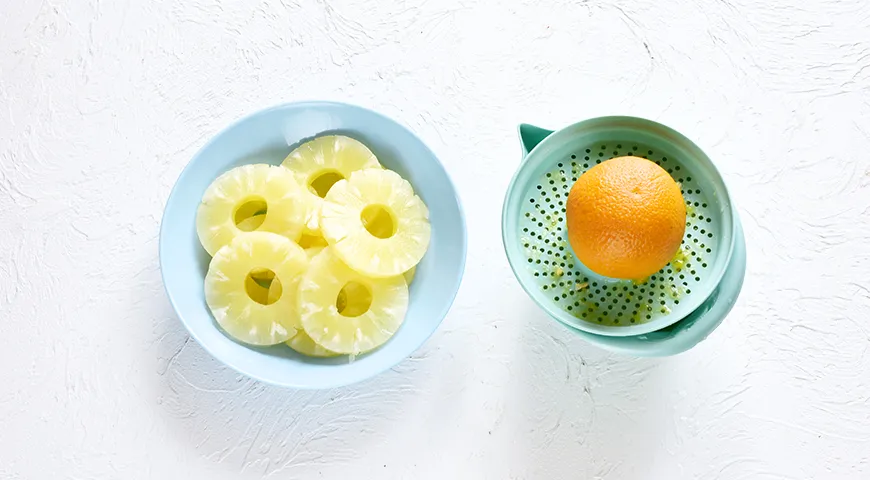
Drain the canned pineapple, reserving the syrup. Squeeze juice from half an orange using a citrus juicer. Measure all other ingredients and set them near the stove for quick assembly.
 Step 2: Build the Base
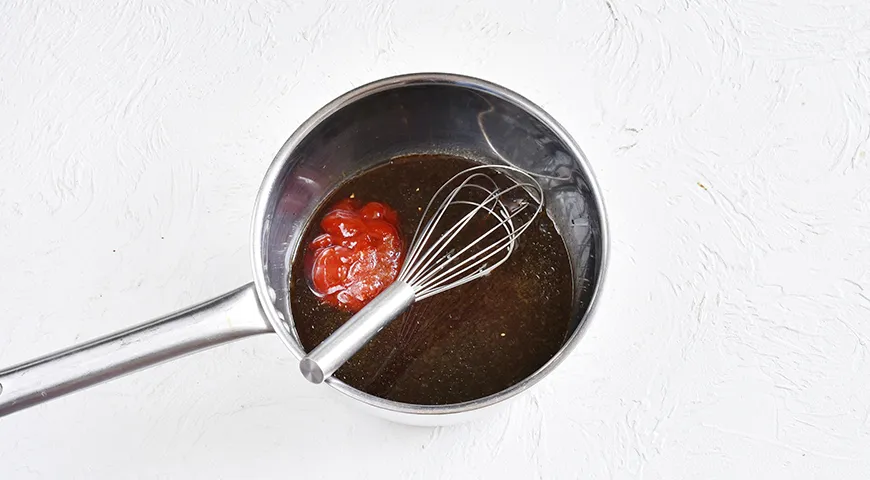
In a small saucepan, combine ketchup, orange juice, soy sauce, rice vinegar, and sugar. Place over medium-low heat and stir occasionally until the sugar dissolves and the mixture reaches a gentle boil.
 Step 3: Make the Slurry
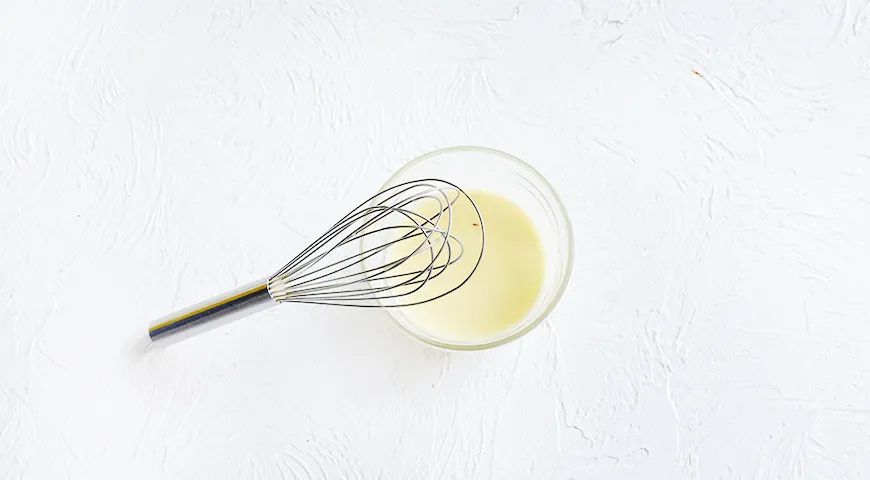
In a small bowl, whisk potato starch with the reserved pineapple juice until smooth and free of lumps. This slurry will thicken the sauce without clumping.
 Step 4: Dice the Pineapple
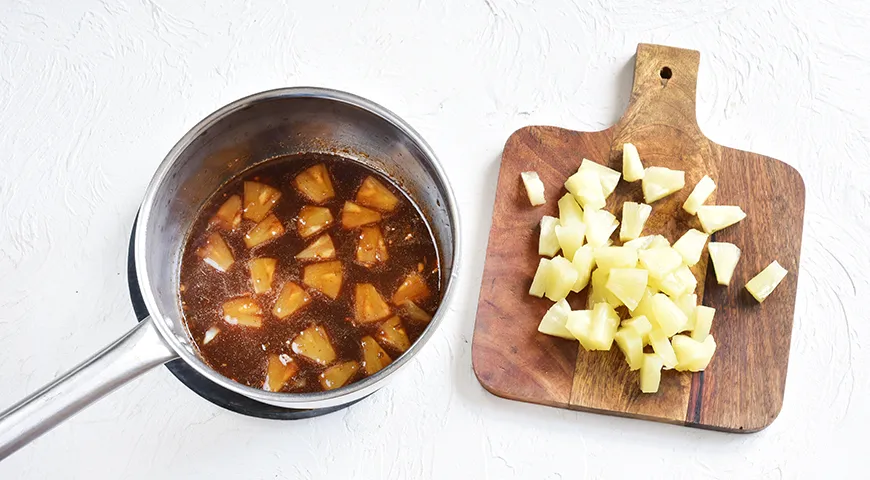
Cut the canned pineapple rings or chunks into small cubes. Add them to the simmering sauce base and continue cooking for 1–2 minutes, stirring occasionally.
 Step 5: Thicken the Sauce
Pour the pineapple-starch slurry into the sauce in a thin, steady stream while stirring constantly. Bring back to a boil and cook for 20–30 seconds until the sauce thickens and turns glossy.
 Step 6: Cool and Serve
Remove the saucepan from heat. The sauce will be thick yet pourable. Let it cool slightly, then transfer to a sauceboat. Serve warm or at room temperature alongside grilled chicken, pork, fish, or even as a dip for spring rolls.
 Tips for Perfect Sweet and Sour Sauce
- Use a light soy sauce to keep the color vibrant; dark soy will muddy the appearance.
- If the sauce becomes too thick, thin it with a splash of pineapple juice or water.
- For a smoother texture, blend the finished sauce with an immersion blender before serving.
- Rice vinegar is key—do not substitute with white vinegar, which is too harsh.
- To make ahead, cool completely and refrigerate in an airtight container for up to five days. Reheat gently before serving.
A reliable non-toxic air fryer can also help you create crispy chicken wings to pair with this sauce.
Variations
- Spicy Kick: Add 1–2 teaspoons of sriracha or red pepper flakes when building the base.
- Ginger-Garlic: Sauté 1 teaspoon minced ginger and 1 clove garlic in oil before adding the liquid ingredients.
- Mango Twist: Replace half the canned pineapple with diced mango for a tropical version.
- Honey Swap: Substitute the sugar with honey, but reduce the orange juice slightly to maintain balance.
- Vegetable Stir-Fry: Use the sauce as a glaze for bell peppers, snap peas, and broccoli.
Frequently Asked Questions
Can I use fresh pineapple instead of canned?
Yes, but you will need to balance the sweetness with a little extra sugar since fresh pineapple is less sweet. Also, use 40 ml of fresh pineapple juice from the fruit instead of canned juice. For help with juicing, consider a quality wheatgrass juicer that doubles for citrus.
What can I serve with this sauce?
It pairs beautifully with grilled or fried chicken, pork tenderloin, shrimp, crispy tofu, and even as a dip for egg rolls or dumplings. For a complete meal, try it over steamed rice with stir-fried vegetables.
Is potato starch interchangeable with cornstarch?
Absolutely—use the same amount (20 g). Cornstarch yields a slightly less glossy finish, but the texture will still be excellent. Both are gluten-free.
How long does this sauce keep in the fridge?
Stored in a sealed container, it will stay fresh for up to five days. Reheat over low heat or in the microwave, stirring occasionally. If thickened, add a teaspoon of water to restore the consistency.
Can I make this sauce without sugar?
Yes, for a less sweet version, reduce the sugar to 10 g and rely on the natural sweetness of the pineapple and ketchup. You can also use a granulated sugar substitute like monk fruit. Check our guide to natural sweeteners for more options.
Why did my sauce turn lumpy?
Lumps usually form when the starch slurry is not whisked thoroughly before adding, or when it is poured in too quickly. Always dissolve the starch completely in cold liquid first, then drizzle slowly into the hot mixture while stirring constantly. A planetary mixer with a whisk attachment can help achieve perfect slurries every time.
Can I double the recipe for a party?
Certainly. Simply multiply all ingredients by two or three and use a larger saucepan. The cooking time will remain similar. For big batches, a commercial countertop convection oven can keep multiple items warm while you focus on the sauce.
What if I don't have rice vinegar?
Substitute with apple cider vinegar or white wine vinegar, but use 30 ml instead of 45 ml to prevent excessive acidity. You may also add a pinch of sugar to compensate.
How do I make the sauce gluten-free?
Use a gluten-free soy sauce (tamari) and ensure your ketchup is gluten-free. Potato starch and rice vinegar are naturally gluten-free.
Can I freeze this sauce?
Yes, freeze in a freezer-safe container for up to three months. Thaw in the refrigerator overnight and reheat gently. The starch may separate slightly; whisk vigorously to re-emulsify.
For more inspiration, explore our collection of global sauce and biscuit recipes or learn about the best espresso machines to finish your meal with a coffee pairing.







