


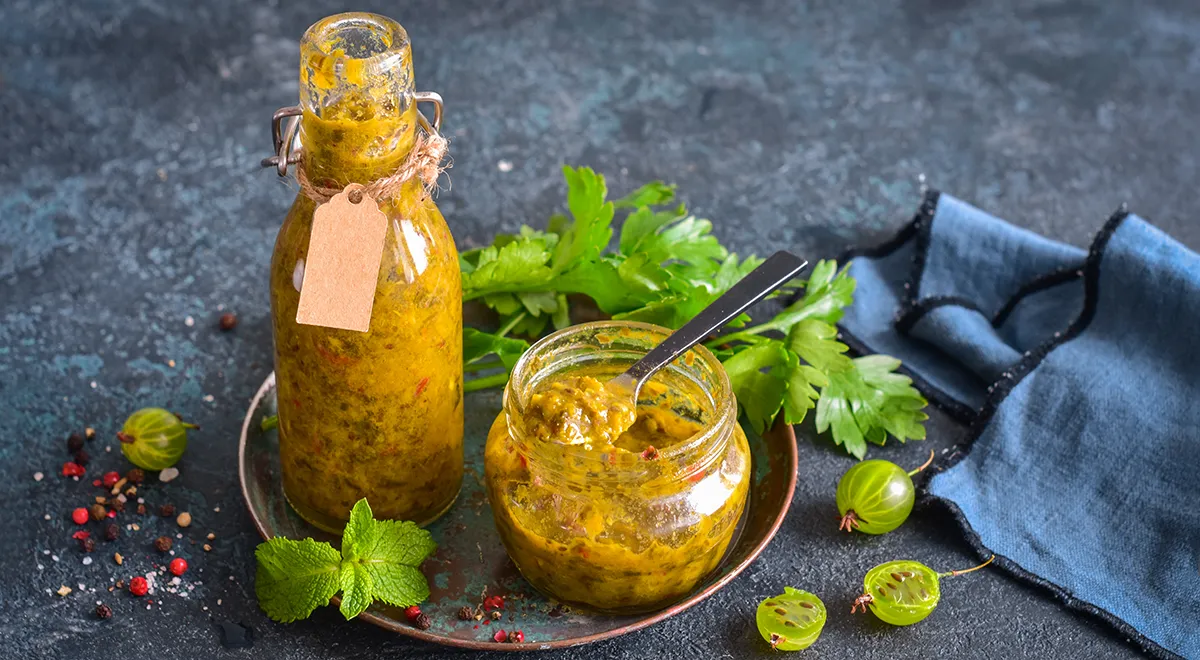
Imagine a sauce that balances the tart brightness of green gooseberries with the fiery kick of chili, the pungent depth of garlic, and the herbal fragrance of fresh mint, parsley, and cilantro. This is no ordinary condiment—it is a vibrant, versatile sauce that transforms simple grilled meats, roasted poultry, or pan-seared fish into a culinary experience. Inspired by the rustic traditions of Georgian Tkemali, this spicy gooseberry sauce captures the essence of summer in a jar, offering a piquant contrast that lingers on the palate. Whether you are a seasoned home cook or an adventurous food lover, this recipe invites you to explore the unexpected potential of gooseberries.
About This Recipe
Gooseberries are often overlooked in the realm of savory cooking, yet their natural acidity makes them an ideal base for sauces. In this recipe, we use green gooseberries—more assertive than their red counterparts—to create a sauce that is simultaneously bright, herbal, and spicy. The addition of fresh mint, parsley, and cilantro adds layers of freshness, while garlic and chili provide heat and depth. A touch of sugar balances the acidity, and the Georgian spice blend Khmeli-Suneli imparts an exotic, earthy complexity. The sauce is simmered gently to meld flavors, then preserved for enjoyment throughout the year. For the best results, use a glass food processor or an immersion blender to achieve a silky-smooth texture without metallic aftertastes.

Ingredients
- 1 kg green gooseberries
- 2 large heads of garlic
- 50 g fresh mint
- 50 g fresh parsley
- 50 g fresh cilantro
- 1–2 tbsp sugar (adjust to taste)
- 1 tbsp Khmeli-Suneli spice blend
- Salt to taste
- Freshly ground black pepper to taste
- 2–3 fresh red or green chili peppers (adjust for heat preference)
For best results, select firm, underripe gooseberries that are still bright green. The chili peppers can be seeded for milder heat or left whole for extra fire. Use a powerful food processor to grind whole spices like black pepper if preferred.
Step-by-Step Instructions
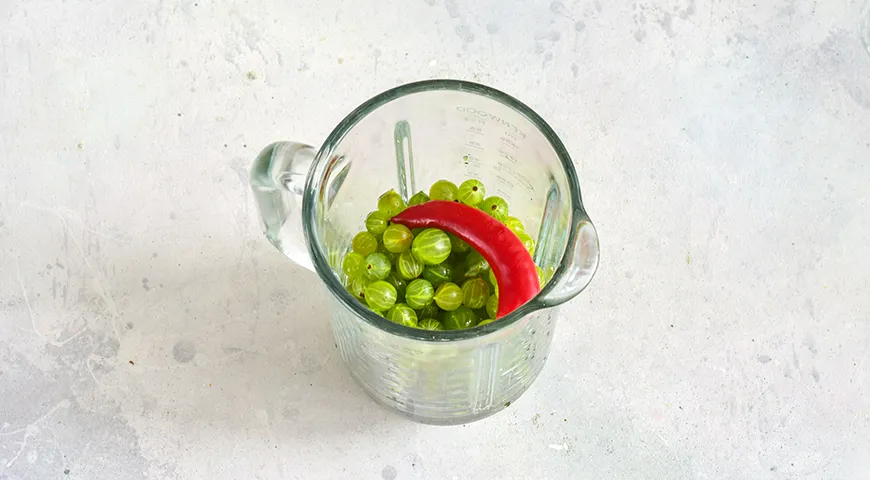
Step 1: Rinse the gooseberries thoroughly, then pour boiling water over them and let stand for 20–30 minutes. Drain the water and remove the stems and tails. Meanwhile, rinse the chili peppers, remove the stems, and set aside. Combine the gooseberries and chili peppers in a meat grinder or high-speed blender and process until a uniform purée forms. Transfer to a heavy-bottomed saucepan and bring to a gentle simmer over low heat. Cook for 30 minutes, stirring occasionally, until the mixture thickens and the berries soften completely.
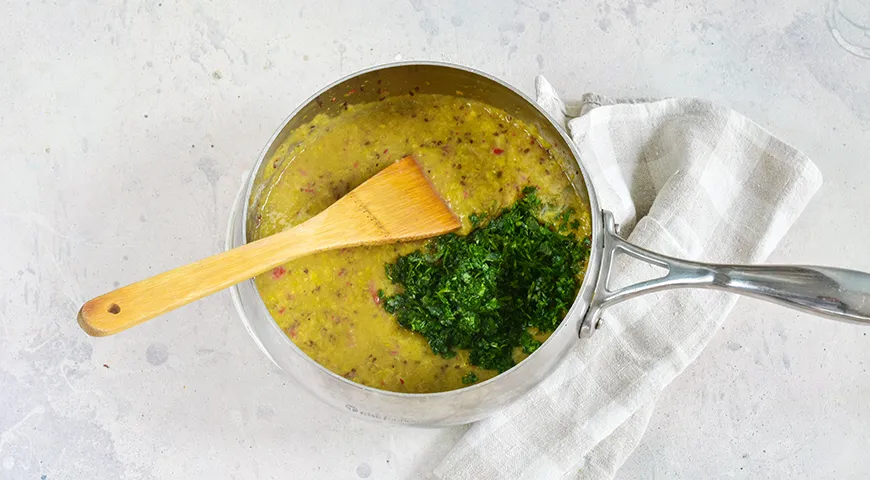
Step 2: Peel the garlic cloves (reserve the skins for broth if desired). Wash the fresh herbs and pat them dry with paper towels. Remove the thick lower stems from the mint, parsley, and cilantro (save those for stock as well). Place the tender herb leaves and garlic in a blender and pulse until finely chopped. Add this aromatic mixture to the simmering gooseberry purée in the saucepan.
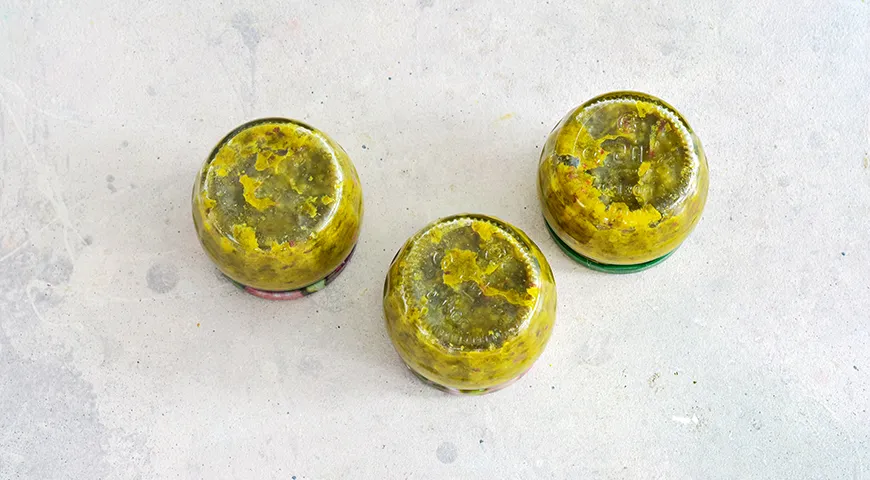
Step 3: Stir in the sugar, Khmeli-Suneli, salt, and black pepper to taste. Continue cooking over low heat for another 10 minutes, stirring constantly to prevent sticking. Taste and adjust seasoning. Pour the hot sauce into sterilized jars, seal with lids, and wrap the jars in a thick towel or blanket. Leave to cool completely at room temperature for 24 hours. This slow cooling helps create a vacuum seal. For canning safety, consider using a steam canner for proper preservation.
Tips for the Perfect Sauce
For a smoother consistency, pass the cooked sauce through a fine-mesh sieve before bottling. If you prefer a more rustic texture, leave it as is. To avoid scorching, use a heavy-bottomed pan and stir frequently. A light coating of oil on the jar rims before sealing—applied with a quality oil sprayer—can help create a better seal. If you are short on time, a microwave pressure cooker can quick‑sterilize small batches of jars, but traditional simmering is preferred for texture.
Variations
This recipe is highly adaptable. For a milder version, replace the chilies with a teaspoon of smoked paprika. To add complexity, stir in a tablespoon of honey or a splash of tart pomegranate molasses. Those who enjoy a boozy twist can deglaze the pan with a shot of organic vodka after cooking. For a chunky texture, reserve some cooked gooseberries and fold them in at the end. The sauce also pairs beautifully with roasted vegetables or as a marinade for tofu.
Serving Suggestions
Serve this sauce warm or at room temperature alongside grilled lamb chops, spicy grilled chicken, or roasted pork belly. It also makes an excellent dip for crispy spring rolls or a spread for crusty bread. For a complete meal, air‑fry chicken wings (using a non‑toxic air fryer) and drizzle with the sauce. Pair with a glass of sweet wine or a bold espresso from a top‑rated espresso machine to cut through the heat. Store unused sauce in a spacious refrigerator for up to three months, or keep sealed jars in a cool pantry for longer storage.
Frequently Asked Questions
Can I use red gooseberries instead of green?
Yes, but red gooseberries are sweeter and less acidic. You may want to reduce the sugar slightly and add a touch more vinegar or lemon juice to maintain the tangy balance. For grinding, a glass food processor is ideal to avoid staining.
How long does this sauce keep when canned?
Properly sealed jars stored in a cool, dark place can last up to 12 months. Once opened, refrigerate and use within 2 weeks. For reheating, a wall oven microwave combo is convenient for small portions.
Can I freeze the sauce instead of canning?
Absolutely. Pour the cooled sauce into freezer-safe containers, leaving headspace, and freeze for up to 6 months. Thaw in the refrigerator overnight before use. For quick thawing, a commercial countertop convection oven can gently warm the sauce.
What if I don’t have Khmeli-Suneli?
You can substitute with a mix of dried fenugreek, coriander, dill, and marjoram. Alternatively, use za’atar or a pinch of curry powder. To grind whole spices, a dedicated nut‑butter processor works well for small batches.
Is this sauce very spicy?
The heat level depends on the chili peppers used. For a milder version, remove the seeds and membranes, or use only one pepper. To cool the sauce down, stir in a tablespoon of yogurt or coconut milk before serving. For entertaining, serve with ice cubes from an undercounter ice maker to temper the heat.







