


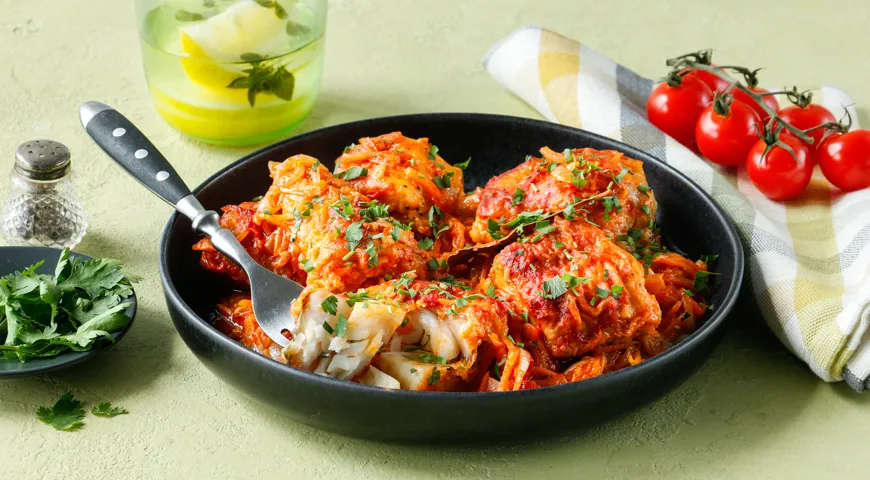
Pollock—often relegated to the shadows of more celebrated fish—deserves a second look. This humble, flaky white fish shines when treated with care, and this skillet preparation transforms it into a deeply satisfying, budget-friendly dish. By braising the fish with carrots, onions, and a tomato-based sauce, you not only keep it moist and tender but also coax out layers of sweetness and spice. Here, we’ll guide you through each step, sharing professional tips to elevate this simple meal into something truly memorable.
About This Dish
Pollock has long been underestimated, often dismissed as dry or bland. Yet when cooked properly—especially when simmered with aromatic vegetables—it becomes remarkably succulent. This recipe, rooted in Russian home cooking, pairs the mild fish with a hearty tomato sauce enriched with paprika and bay leaf. The vegetables soften during braising, creating a naturally thick, savory gravy that clings to every bite. It’s a one-skillet wonder that proves great flavor doesn’t require expensive ingredients. For more inspiration on best stainless steel skillet cooking, explore our guides.

Ingredients
- Pollock fillets (headless, skin-on or off) – 700 g
- Onions – 300 g
- Carrots – 300 g
- Vegetable oil – 4 tbsp
- All-purpose flour – 120 g
- Tomato paste – 2 tbsp
- Water – 400 ml
- Bay leaves – 2
- Ground paprika – 1 tsp
- Freshly ground black pepper – to taste
- Salt – to taste
For garnishing, fresh parsley or dill, chopped. For the best results, use a non-toxic immersion blender to purée any leftover sauce into a silky soup.
Step-by-Step Instructions
Step 1: Prepare the Pollock
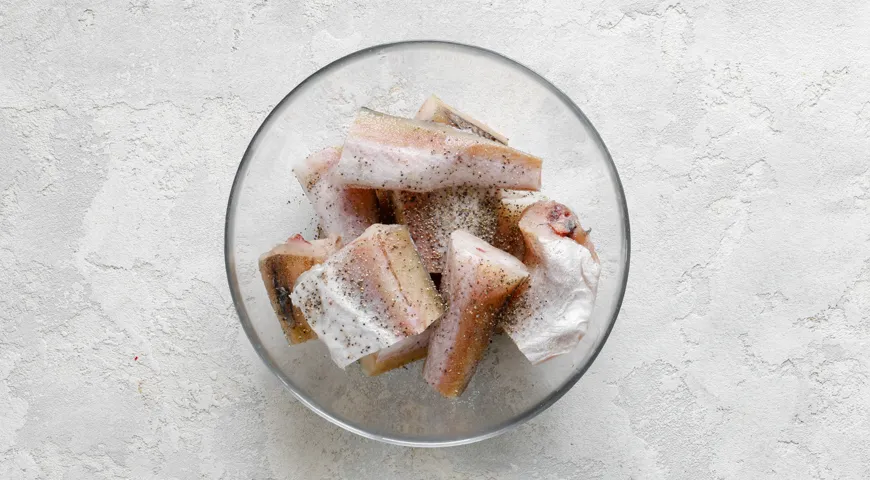
Rinse the pollock under cold water. Cut off fins and tail, then slice the fillets into large chunks. Place in a bowl, season generously with salt and pepper, and toss gently to coat evenly. Let rest while you prepare the vegetables.
Step 2: Sauté the Onions
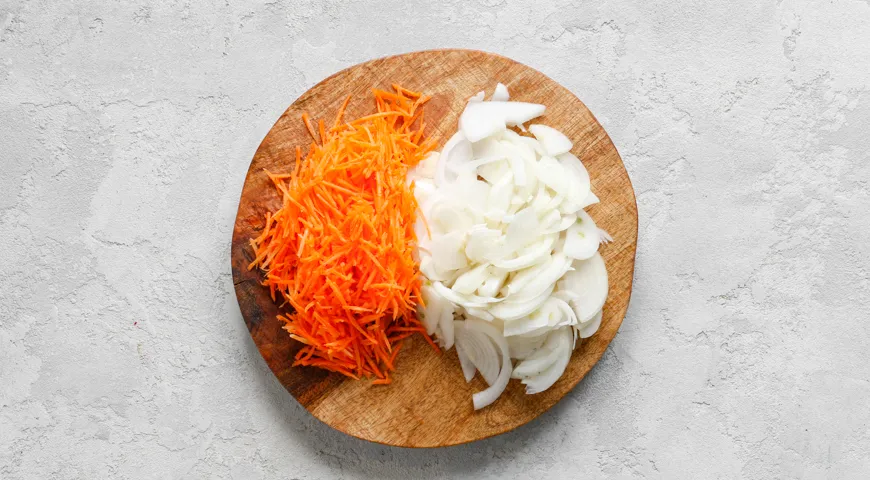
Peel and cut the onions into half-rings. Peel and coarsely grate the carrots. Heat 2 tablespoons of vegetable oil in a large skillet over medium heat. Add the onions and cook, stirring occasionally, for about 5 minutes until they become translucent and lightly golden.
Step 3: Add the Carrots
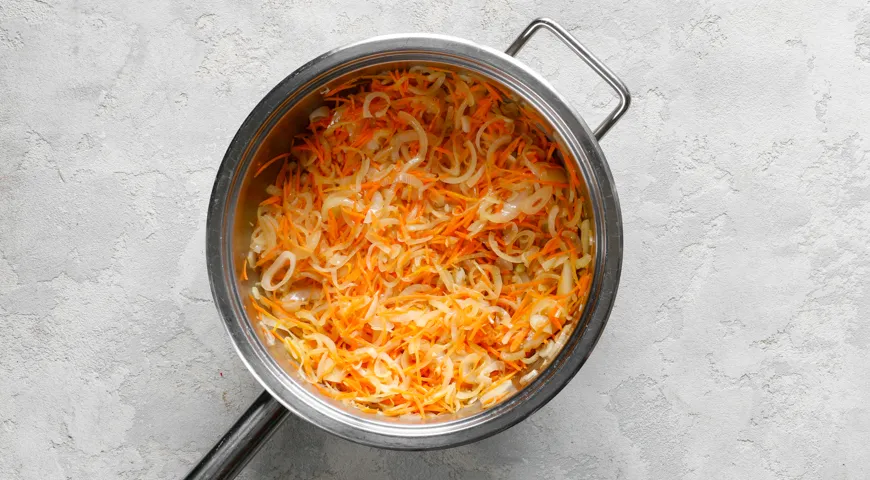
Add the grated carrots to the skillet. Stir well and continue cooking for another 5 minutes over medium heat, until the carrots start to soften. Meanwhile, dredge the pollock pieces in flour, shaking off excess. In a separate large skillet, heat the remaining 2 tablespoons of oil over medium heat.
Step 4: Sear the Fish
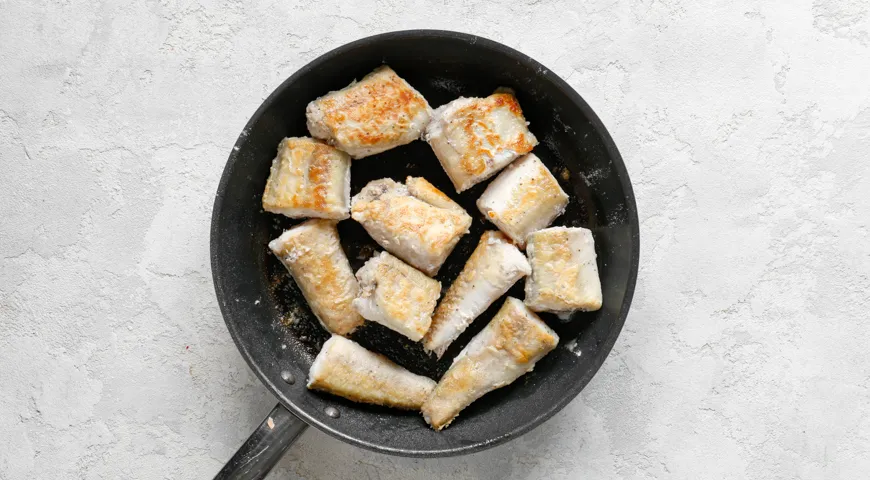
Place the floured pollock pieces into the hot oil and sear on each side until a deep golden crust forms—about 10 to 15 minutes total. Adjust heat as needed to prevent burning. The flour coating helps create a flavorful base for the sauce.
Step 5: Combine and Add Sauce
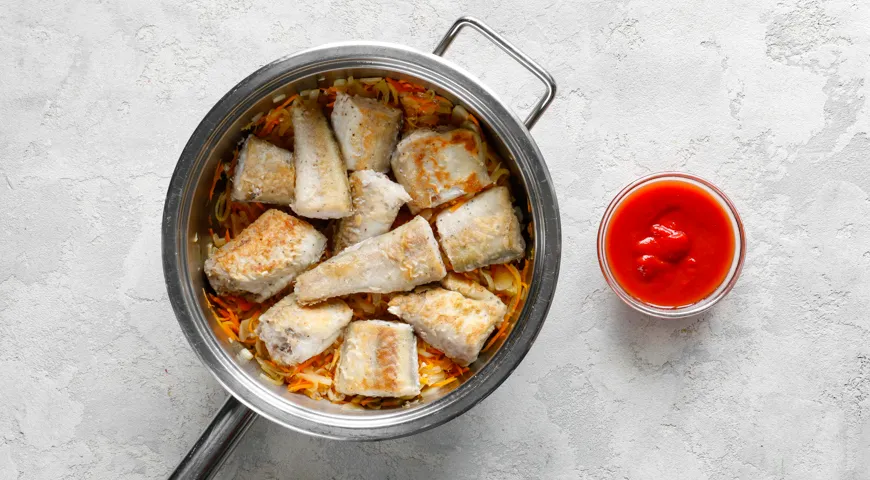
Once the fish is seared, scatter the cooked onion-carrot mixture between the fish pieces. In a small bowl, whisk the tomato paste with the warm water until smooth. Pour this mixture over the fish and vegetables. Season with additional salt and pepper. Bring to a gentle simmer.
Step 6: Braise to Perfection
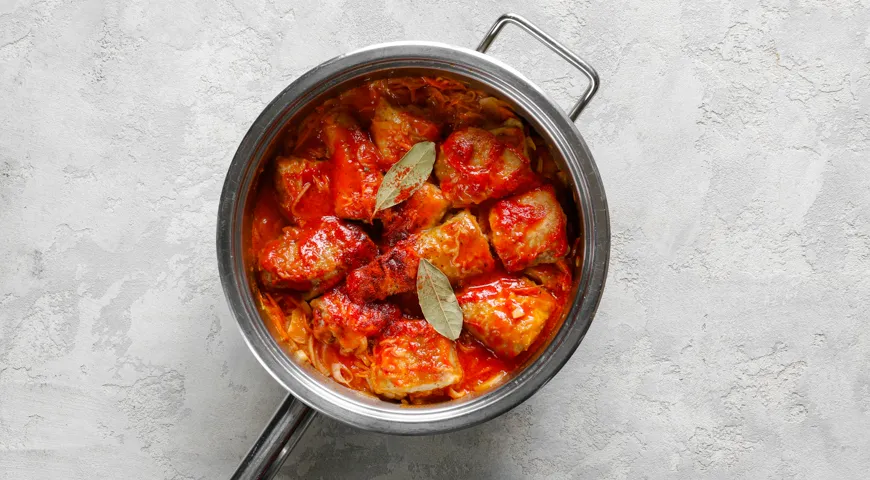
Drop in the bay leaves and sprinkle with ground paprika. Cover the skillet, reduce heat to low, and let it simmer gently for about 30 minutes. The fish will become perfectly tender, and the sauce will reduce to a luscious consistency. Just before serving, garnish with fresh chopped herbs.
Tips for Perfect Pollock
- Don’t skip the flour coating: It helps seal the fish and adds body to the sauce. Use a best oil sprayer for even oil distribution.
- Use fresh spices: Ground paprika loses potency quickly; buy in small quantities. Consider a refrigerant leak detector for your fridge, though not directly related, it’s a handy kitchen gadget.
- Let it rest: After braising, let the dish sit covered for 5 minutes before serving to allow flavors to meld.
- Double the batch: This dish tastes even better the next day. Store leftovers in an airtight container in the fridge for up to 3 days.
- Adjust thickness: If the sauce is too thin, uncover and simmer a few extra minutes. If too thick, add a splash of water or fish broth.
Variations
This recipe is wonderfully adaptable. Try swapping the tomato paste for a can of crushed tomatoes for a fresher tang. Add a pinch of cayenne for heat, or stir in a dollop of sour cream right at the end for a creamy twist. You can also replace pollock with cod, haddock, or even tilapia—just adjust cooking time accordingly. For a gluten-free version, use rice flour or cornstarch instead of wheat flour. A microwave pressure cooker can speed up the process if you’re short on time.
Frequently Asked Questions
1. Can I use frozen pollock without thawing?
It’s best to thaw pollock completely and pat it dry before cooking. Frozen fish releases excess water, which can steam rather than sear. Thaw overnight in the refrigerator for optimal texture.
2. What can I substitute for tomato paste?
Tomato sauce (thickened by simmering), ketchup (adjust salt), or even roasted red pepper purée can work. But tomato paste provides the deepest umami flavor.
3. How do I prevent the fish from falling apart?
Handle the fish gently when flipping during searing. Once the sauce is added, avoid excessive stirring. The braising liquid keeps the fish intact if you maintain a gentle simmer.
4. Can I make this dish in a slow cooker?
Yes! Sear the fish and vegetables in a skillet first, then transfer to a slow cooker with the sauce. Cook on low for 2–3 hours. Be aware that the fish may become very soft. A planetary mixer isn’t needed here, but a good slow cooker is key. Check our best slow cookers review.
5. What side dishes pair well with this pollock?
Steamed rice, boiled potatoes, or crusty bread are classic choices. The tomato sauce is also delicious over pasta or creamy polenta.
6. Is this recipe keto-friendly?
Yes, with a substitution: replace flour with almond flour or coconut flour for dredging. Serve with cauliflower rice instead of starches.
7. How do I store and reheat leftovers?
Refrigerate in an airtight container for up to 3 days. Reheat gently in a covered skillet over low heat, adding a splash of water if needed. Avoid microwaving on high as it can toughen the fish.
Final Thoughts
This skillet-braised pollock with carrots and onions is a testament to the beauty of simple, honest cooking. It’s affordable, nourishing, and packed with flavor. Whether you’re cooking for a weekday dinner or a cozy weekend meal, this dish delivers. For more kitchen inspiration, explore our reviews on non-toxic air fryers, commercial countertop convection ovens, and steam canners. Happy cooking!







