


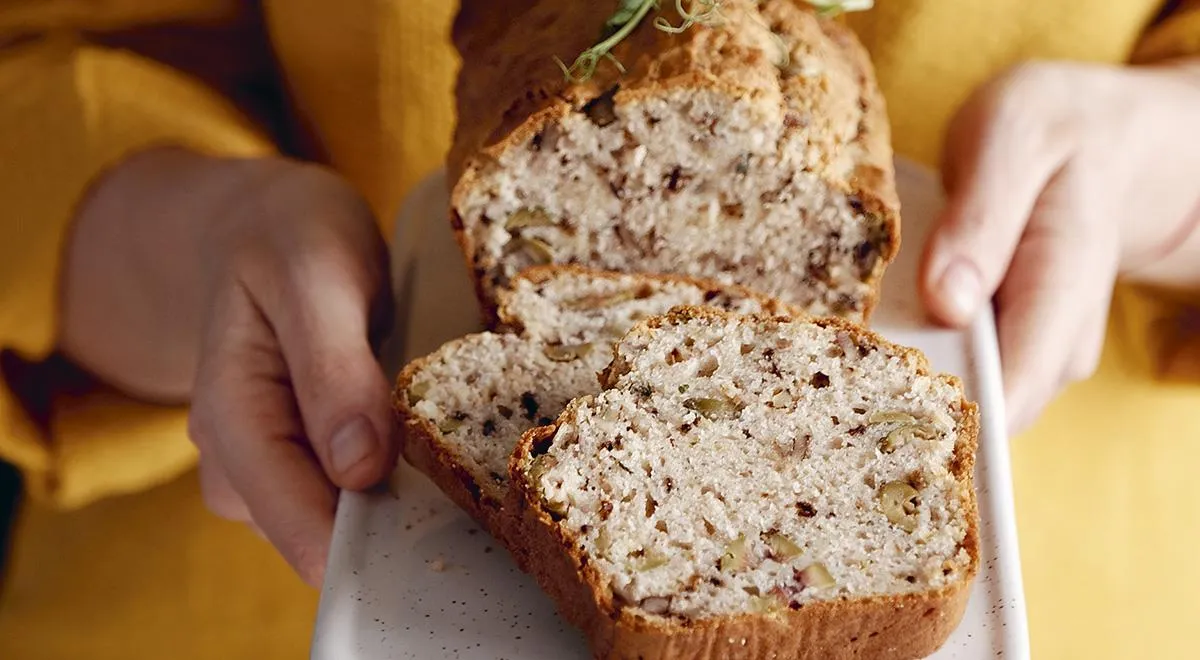
Imagine a teatime treat that defies convention—a moist, tender loaf brimming with briny olives, earthy thyme, and a whisper of toasted walnuts. This savory olive and thyme tea cake is a Russian-inspired zakusochniy keks (appetizer cake) that effortlessly transitions from afternoon snack to elegant starter. Its subtle complexity and satisfying texture make it a canvas for creativity, whether served with a smear of cultured butter or alongside a crisp green salad. In this guide, we'll explore the art of this rustic yet refined bake, drawing on essential techniques and tools to ensure perfection every time.
About This Savory Tea Cake
Originating in modern Russian home kitchens, the zakusochniy keks reimagines the traditional sweet pound cake as a savory vehicle for bold flavors. The combination of olives and thyme nods to Mediterranean influences, while the addition of walnuts provides a pleasant crunch. Unlike its sugary cousin, this tea cake relies on olive oil for moisture, resulting in a tender crumb that pairs beautifully with both wine and tea. The recipe calls for simple pantry staples and comes together in under an hour, making it an ideal non-toctic air fryer companion for impromptu gatherings. Its versatility allows for endless variations—add sun-dried tomatoes, feta, or roasted red peppers to customize the flavor profile.

Ingredients
Before you begin, ensure your ingredients are at room temperature for optimal mixing. The quality of olive oil and olives matters greatly; choose a fruity extra-virgin olive oil and briny Kalamata or green olives. Here's what you'll need:
- 325 g all-purpose flour (preferably unbleached)
- 2½ teaspoons baking powder
- ½ teaspoon fine sea salt
- ½ teaspoon dried thyme or herbes de Provence
- 2 large eggs
- 240 ml whole milk
- 60 ml extra-virgin olive oil, plus more for greasing the pan
- 35 g walnuts, roughly chopped
- 45 g olives (pitted, drained, and chopped)
Using a best planetary mixer can streamline the blending process, but a whisk and bowl work perfectly for this batter. The key is to avoid overmixing once the wet and dry ingredients meet.
Step-by-Step Instructions
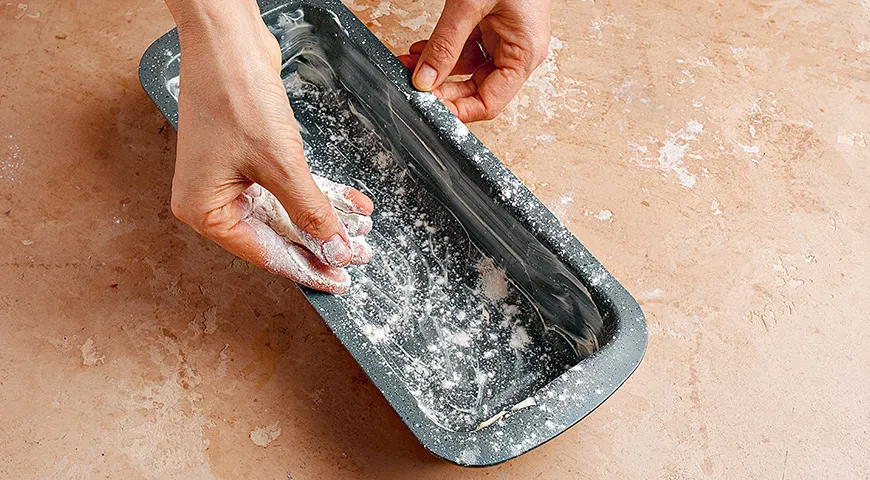
- Preheat and prepare the pan. Preheat your oven to 180°C (350°F). Grease a 1.5-liter rectangular loaf pan with olive oil or line it with parchment paper, leaving an overhang for easy removal.
- Mix dry ingredients. In a large bowl, whisk together the flour, baking powder, salt, and dried thyme until well combined.
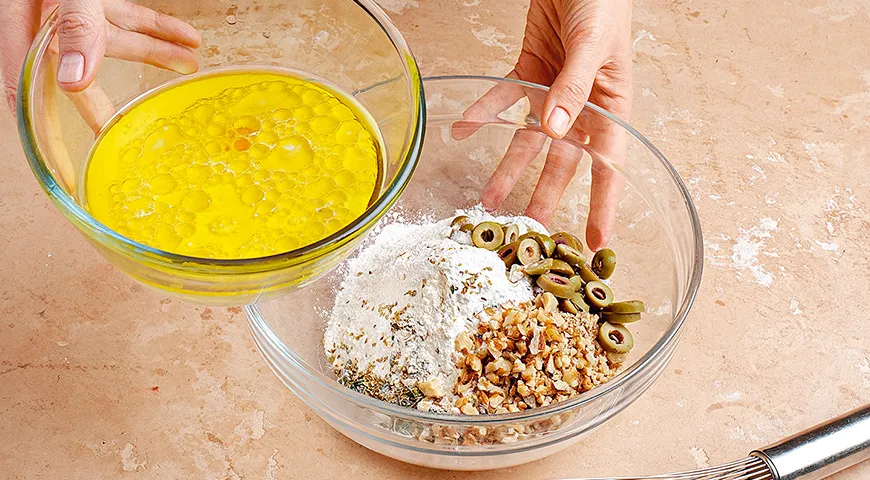
- Combine wet ingredients. In a separate bowl, whisk the eggs, milk, and olive oil until smooth. Pour the wet mixture into the dry ingredients and stir gently just until moistened—lumps are okay.
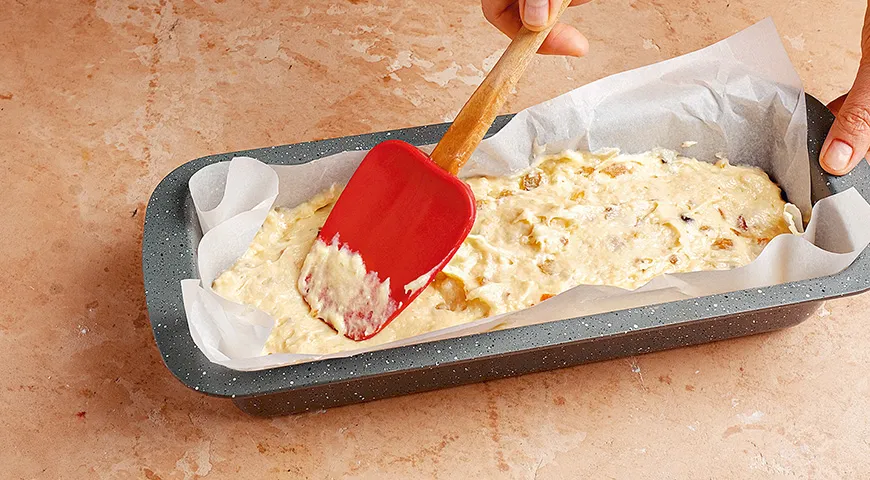
- Fold in olives and walnuts. Finely chop the walnuts and olives, then fold them into the batter with a spatula. The dough should be thick yet scoopable. Transfer to the prepared pan and smooth the top.
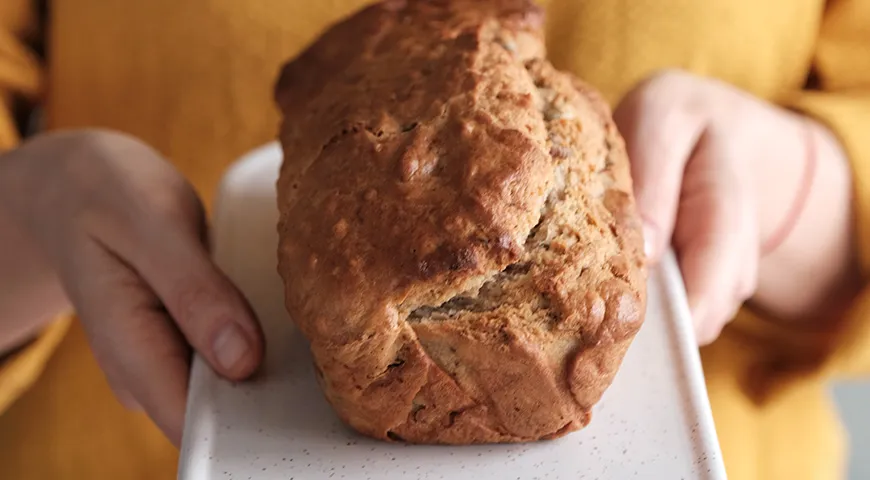
- Bake and test. Bake for 40–45 minutes, until golden and a toothpick inserted in the center comes out clean. Cool in the pan on a wire rack for 10–12 minutes, then unmold and cool completely.
Tips for Perfect Texture and Flavor
For an exceptionally tender crumb, avoid overmixing the batter—stir only until the flour disappears. If you prefer a more pronounced olive flavor, use a mix of green and black olives. Toasting the walnuts beforehand enhances their nuttiness; simply spread them on a baking sheet and toast at 160°C for 5–7 minutes. The cake keeps well wrapped at room temperature for up to 3 days, or refrigerated for a week. For a crispier exterior, consider using a commercial countertop convection oven to promote even browning. Slice the cooled loaf with a best steam canner knife alternative (or a serrated knife) for clean cuts.
Variations to Inspire
This savory cake is a blank canvas. Swap the walnuts for pine nuts or pecans. Add a handful of grated Parmesan or crumbled goat cheese for tanginess. Fresh rosemary or dill can replace thyme. For a Mediterranean twist, fold in 50 g of sun-dried tomatoes (oil-packed, drained) along with the olives. If you enjoy heat, sprinkle in red pepper flakes. The batter also works beautifully as mini muffins baked for 18–20 minutes—perfect for a party platter. Pair with a glass of best sweet wine with high alcohol content like a late-harvest Riesling to contrast the savory notes.
Frequently Asked Questions (FAQ)
Can I use gluten-free flour?
Yes, you can substitute a 1:1 gluten-free all-purpose blend. Add ½ teaspoon xanthan gum if your blend doesn't include it. The texture will be slightly denser but still delicious. Using a best food processor for nut butter can help grind nuts into a fine meal if you want to incorporate almond flour for extra moisture.
What if I don't have fresh or dried thyme?
You can replace thyme with dried oregano, rosemary, or herbes de Provence. The flavor will shift, but remain aromatic. For a bright twist, add 1 tablespoon of chopped fresh chives.
How do I store leftovers?
Wrap the cooled cake tightly in plastic wrap or store in an airtight container at room temperature for up to 3 days. Refrigerate for up to a week; reheat slices in a best wall oven microwave combo with air fryer for a crisp exterior.
Can I make this dairy-free?
Absolutely. Substitute the milk with unsweetened almond, oat, or soy milk. The olive oil already provides richness, so the cake remains moist. For a vegan version, use flax eggs (1 tablespoon ground flaxseed + 3 tablespoons water per egg).
Why is my cake too dense?
Overmixing the batter can develop gluten, resulting in a tough texture. Also ensure your baking powder is fresh—test by dropping a teaspoon into hot water; it should fizz vigorously. For lighter results, sift the flour and baking powder together. A best non-toctic immersion blender shouldn't be used for this batter; gentle folding is key.
What dishes pair well with this cake?
Serve slices alongside a tomato and basil salad, marinated artichokes, or a bowl of olive tapenade. It also makes an excellent base for open-faced sandwiches topped with smoked salmon and cream cheese. For a full Russian-inspired spread, pair with pickled vegetables and a glass of best organic vodka.
Conclusion
This savory olive and thyme tea cake proves that bakes don't need sugar to be memorable. Its rustic charm, balanced flavors, and simple technique make it a standout addition to any brunch table or appetizer spread. Experiment with the variations, invest in quality ingredients, and enjoy the process. For more inspiration, explore our Catalan sponge cake recipe or discover how a best espresso machine under 2000 can elevate your teatime ritual. Happy baking!







