


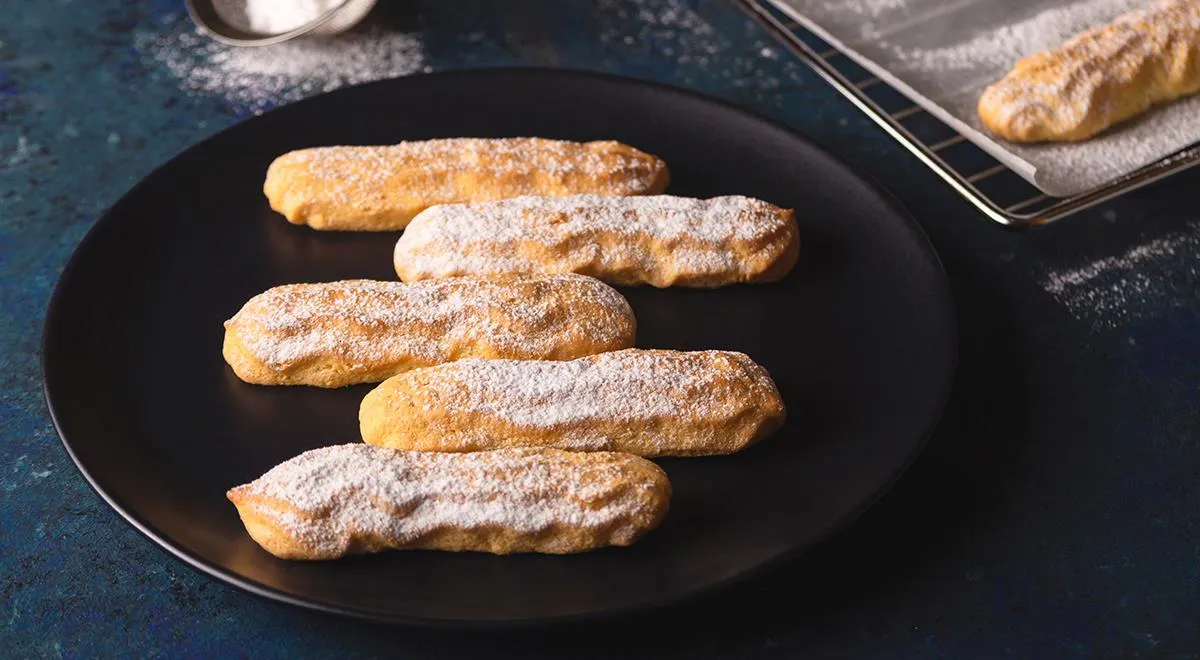
There are few confections as elegantly simple as Savoiardi—those airy, golden ladyfingers that form the backbone of tiramisu, charlottes, and countless Italian desserts. Yet achieving their signature crisp‑outside, tender‑inside texture requires precision. This recipe, shared by the esteemed Italian pastry chef Paolo Sacchetti, elevates the classic to a professional level. By understanding the interplay of eggs, sugar, and flour, and by following a meticulous technique, you can create Savoiardi that rival any from a Milanese pasticceria.
About Savoiardi Biscuits
Savoiardi, also known as ladyfingers, originated in the court of the Duchy of Savoy in the 15th century. Their light, sponge‑like crumb makes them ideal for absorbing coffee or liqueurs without disintegrating. Chef Sacchetti’s version uses a careful balance of yolks and whipped egg whites, supplemented with potato starch for a delicate structure. The result is a biscuit that is sturdy enough for layering but melts on the tongue. For more sponge‑based inspirations, explore our Catalan sponge cake recipe.

Ingredients
- 50 g icing sugar
- 5 g potato starch
- 125 g egg yolks (room temperature)
- 190 g egg whites (room temperature)
- 185 g fine granulated sugar
- 150 g tipo 00 flour
- 65 g potato starch
Chef tips: Use a high‑quality planetary mixer for consistent whipping, and ensure all ingredients are at room temperature for optimal emulsification.
Step‑by‑Step Instructions
Step 1: Prepare the Oven and Baking Sheets
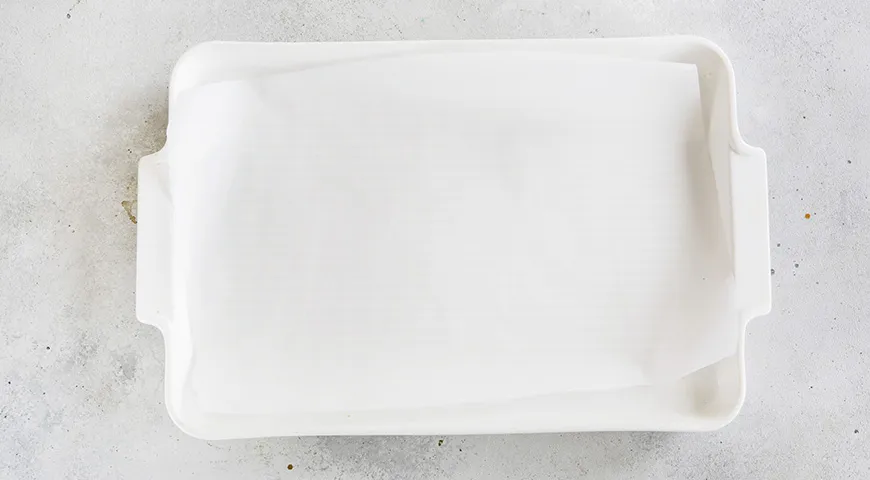
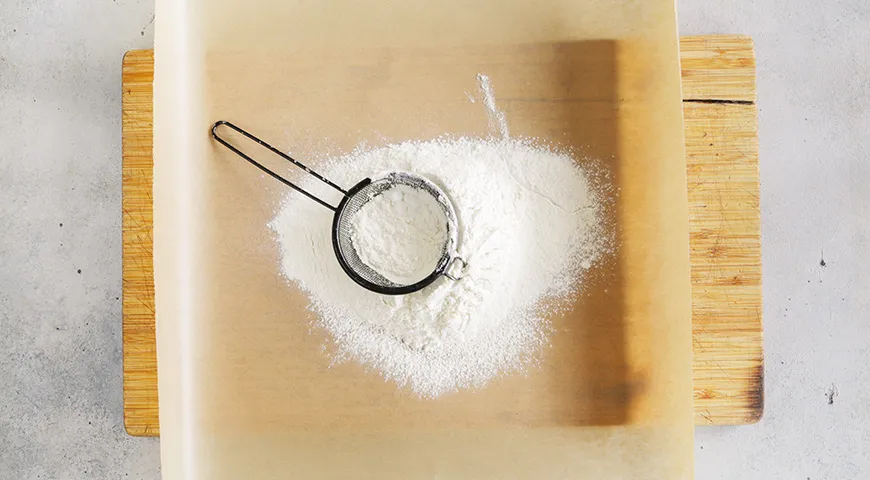
Preheat your oven to 230°C (450°F) with no convection—just top and bottom heat. Line two baking sheets with quality parchment paper. Sift together the flour and the 65 g of potato starch onto a separate sheet of baking paper; set aside.
Step 2: Whip the Yolks
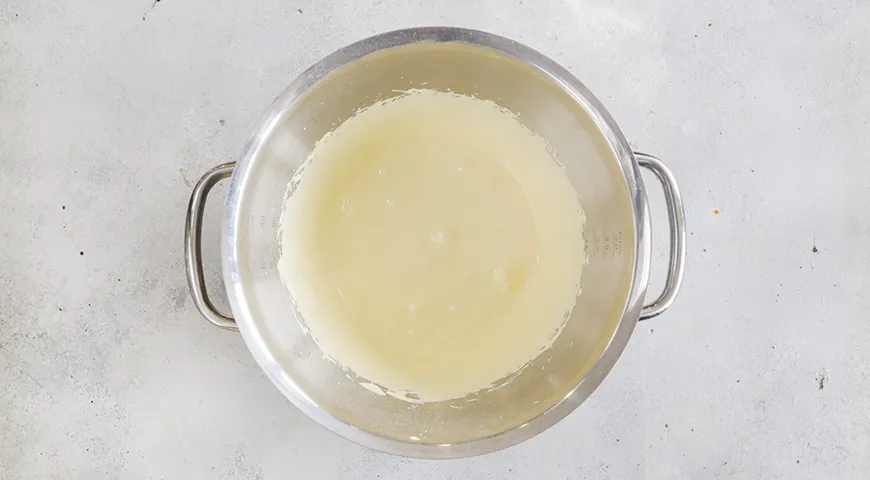
Place the egg yolks in the bowl of a stand mixer (or a deep bowl if using a hand mixer). Add 120 g of the fine sugar. Beat on maximum speed until the mixture turns pale, thick, and has increased in volume three‑ to four‑fold. This should take about 5–7 minutes. For an efficient process, consider using a powerful food processor that can also handle meringue‑style mixing.
Step 3: Whip the Egg Whites
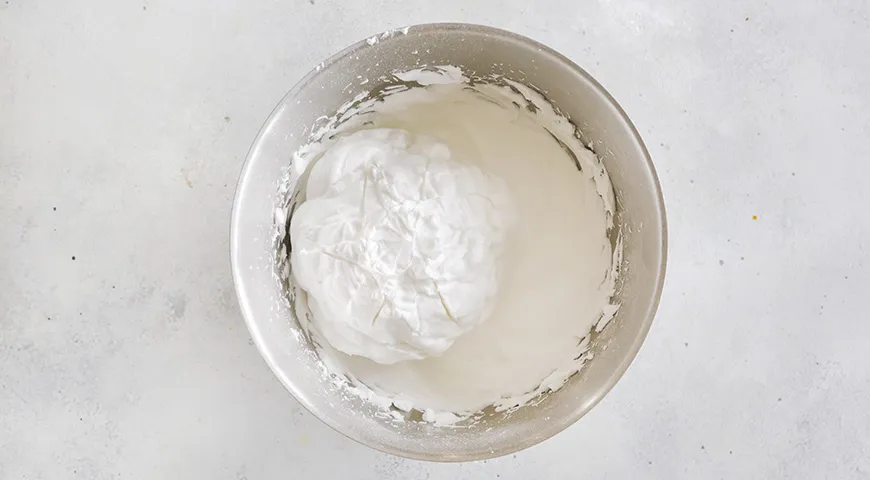
In a clean, grease‑free bowl with clean beaters, start whipping the egg whites at a low speed, gradually increasing to high. When they form a frothy, still soft foam, continue whisking and slowly stream in the remaining 65 g of fine sugar. Beat until stiff, glossy peaks form—take care not to overwhip, or the whites will become dry and fragile.
Step 4: Fold the Mixtures Together
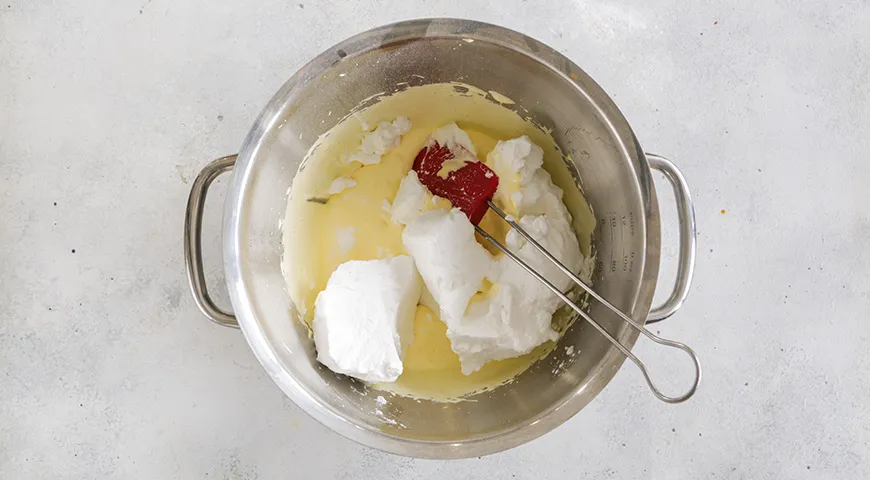
Using a silicone spatula, gently fold one‑third of the whipped whites into the yolk mixture. Use upward, cutting motions to combine without deflating the batter. Once nearly incorporated, sift about one‑third of the flour‑starch mixture over the batter and fold with the same gentle motion. Repeat in this order—whites, then dry ingredients—until both are fully integrated. The goal is a homogeneous, airy batter that still holds volume.
Step 5: Prepare the Topping and Pipe
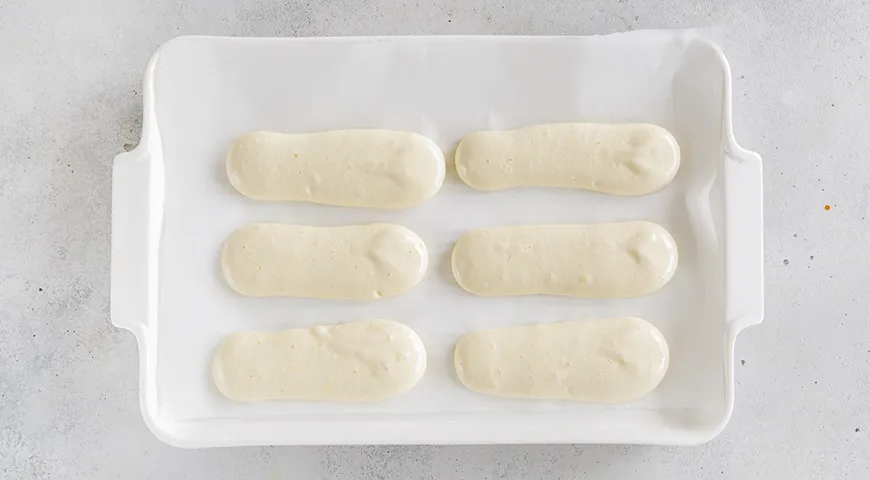
Mix the 50 g icing sugar with the 5 g potato starch. Set aside. Fit a large piping bag with a round nozzle (about 1 cm wide). Fill the bag with the finished batter. Pipe strips approximately 8 cm long and 2 cm wide onto the prepared baking sheets, spacing them 2–3 cm apart to allow for spreading. Lightly dust each biscuit with the icing sugar‑starch mixture through a fine sieve. This creates the characteristic sugary crust.
Step 6: Bake and Cool
Place the baking sheets in the preheated oven. Prop the oven door slightly ajar (insert a wooden spoon handle to keep it open). Bake for exactly 9 minutes. The biscuits should be lightly golden on top and still slightly soft inside. Transfer immediately to a wire rack to cool completely. They will crisp up as they cool. For even baking, a commercial countertop convection oven can provide consistent heat distribution.
Tips for Perfect Savoiardi
- Ensure eggs are at room temperature; cold whites do not whip as well. Use a microwave pressure cooker to quickly warm eggs if needed.
- When folding, do not overmix—ladyfingers rely on trapped air. A gentle hand is key.
- For a uniform shape, use a piping bag with a round tip and keep steady, even pressure.
- If you prefer extra crunch, let the baked ladyfingers dry in a turned‑off oven with the door ajar for 10 minutes after baking.
Variations
Savoiardi are wonderfully versatile. Try these twists:
- Chocolate Ladyfingers: Replace 30 g of flour with unsweetened cocoa powder.
- Citrus Zest: Add finely grated lemon or orange zest to the yolk mixture before whipping.
- Spiced Version: Fold in a pinch of cinnamon or cardamom with the dry ingredients.
- Savory Savoiardi: Reduce sugar slightly and add finely grated Parmesan for a cheese‑based snack. Pair with a sweet wine for a delightful contrast.
FAQ
What is the best way to store homemade Savoiardi?
Store in an airtight container at room temperature for up to two weeks. They will soften over time, so if you need them crisp, reheat in a 150°C oven for 3 minutes.
Can I freeze Savoiardi batter?
It’s not recommended; the whipped egg whites will deflate. Better to pipe and freeze the unbaked strips, then bake directly from frozen (add 2 minutes to baking time).
Why did my ladyfingers turn out flat?
Common causes: overmixing the batter (which deflates the air), under‑whipped whites, or using eggs that are too cold. Also ensure your baking sheets are not greased.
Can I use all‑purpose flour instead of tipo 00?
Yes, but the texture may be slightly denser. Tipo 00 flour is very finely ground and gives a lighter crumb. You can also substitute with a mix of cake flour and a little cornstarch.
How do I make gluten‑free Savoiardi?
Replace the tipo 00 flour with a gluten‑free all‑purpose blend that includes xanthan gum. The potato starch already provides structure. For more gluten‑free inspiration, check our non‑toxic air fryer guide for baking alternatives.
Can I use these ladyfingers for tiramisu?
Absolutely! Their porous texture perfectly absorbs coffee and mascarpone. For the best tiramisu, use them within 24 hours of baking.
Mastering Savoiardi is a rite of passage for any home baker. With Chef Sacchetti’s guidance, you’ll create bakery‑worthy biscuits that elevate any dessert. For more professional techniques, explore our espresso machine reviews to perfect your coffee pairings, or see our best oil sprayer for greasing pans. Happy baking!







