


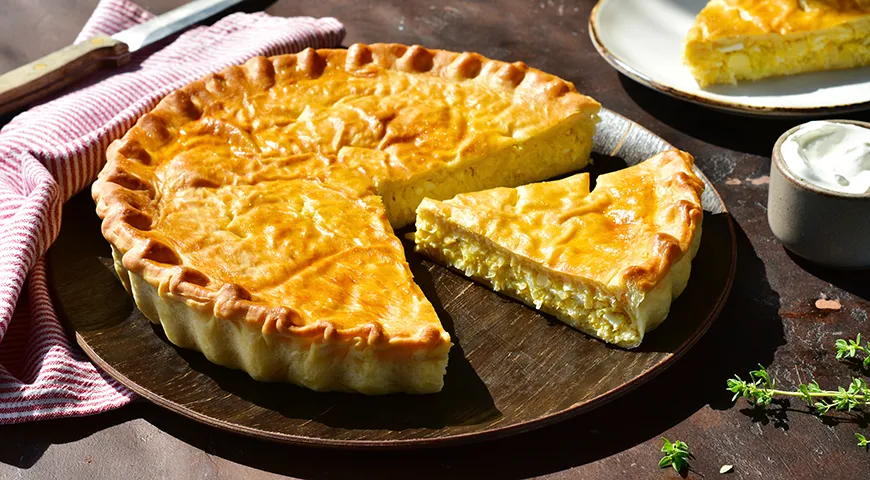
Few dishes embody the soul of Russian home cooking as gracefully as a kapustnyi pirog – a tall, golden cabbage pie filled with tender, creamy cabbage and hard-boiled eggs. This is not a quick weeknight throw-together; it is a labor of love that rewards patience with a beautifully domed, evenly baked crust and a luscious, savory filling. The secret lies in the careful handling of the yeast dough and the gentle cooking of the cabbage, each step building layers of flavor and texture. Whether you are an experienced baker or a curious home cook, this recipe will guide you through every detail, from kneading to the final brush of butter.
About This Classic Russian Pie
Cabbage pie is a beloved staple across Eastern Europe, and the Russian version is celebrated for its abundant filling and soft, airy dough. Unlike many Western pies, the yeast dough here is enriched with butter and eggs, resulting in a tender crumb that complements the creamy cabbage. The filling – a slow-cooked mixture of shredded cabbage, cream, and chopped eggs – is simple yet deeply satisfying. This recipe, adapted from the esteemed Gastronom magazine, emphasizes precision: every rest period and temperature check ensures a foolproof result. The pie is traditionally served warm as a main course with tea or as a hearty snack. For those who love mastering dough, exploring a best planetary mixer can streamline the kneading process, but hand-kneading works beautifully too.

Ingredients
-
For the dough:
700 g all-purpose flour
80 g unsalted butter, melted and cooled
80 g eggs (about 2 large eggs, whisked)
40 g sugar
10 g salt
330 g filtered or bottled water, warmed to 36–38°C
1 packet (7 g) active dry yeast
Vegetable oil for greasing -
For the filling:
1 medium cabbage (1.2–1.3 kg), outer leaves and core removed
6–8 large eggs (hard-boiled)
200 ml heavy cream (20% fat)
Salt to taste -
For finishing:
1 egg, beaten, for brushing
Butter for greasing and glazing
Using a best glass food processor can make shredding the cabbage effortless, though a sharp knife and patience yield excellent results.
Step-by-Step Instructions
1. Prepare the yeast dough
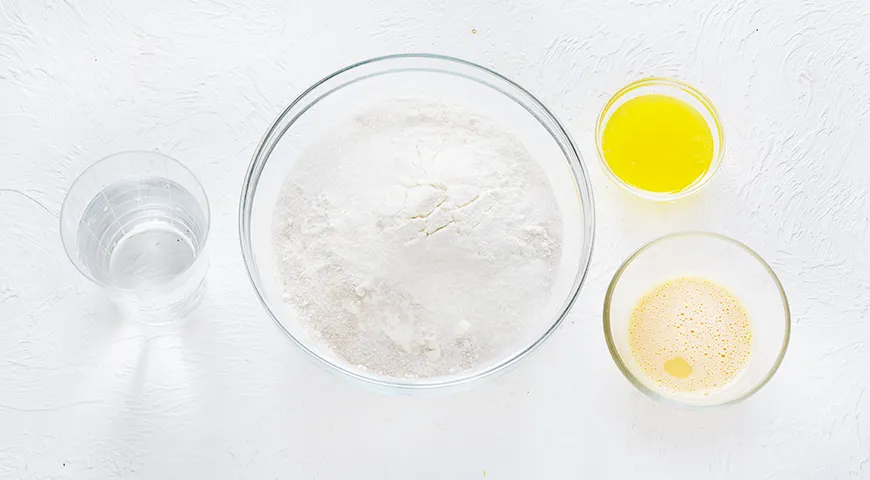
Melt the butter and let it cool slightly. In a small bowl, whisk the eggs with a fork until uniform. In a large mixing bowl, combine the flour, yeast, salt, and sugar. Add the warm water, melted butter, and whisked eggs. Stir with a fork or wooden spoon until a shaggy dough forms.

2. Knead the dough
Turn the dough onto a lightly floured surface. Knead by stretching the dough with the heel of your palm and folding it over itself. Continue for 8–10 minutes until the dough becomes smooth and elastic. Shape into a ball, rub with vegetable oil, and place in a clean bowl. Cover with plastic wrap or a damp towel and let rise in a warm place for 1 hour. After an hour, punch down the dough, re-cover, and let rest for another 20–30 minutes.
3. First rise
Place the kneaded dough in a greased bowl, cover, and set in a warm, draft-free spot. The dough should double in volume in about 1 hour. After punching down, let it rest briefly. A best commercial countertop convection oven can provide a consistent warm environment for proofing if your kitchen is cool.

4. Prepare the cabbage
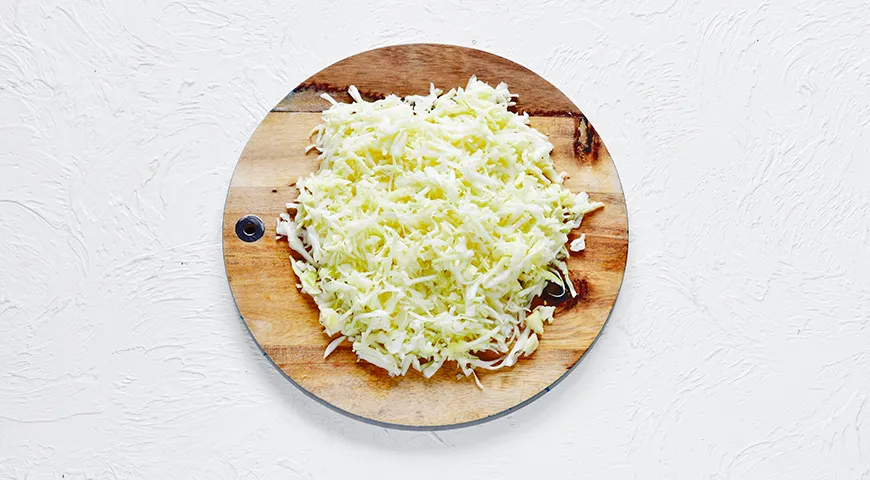
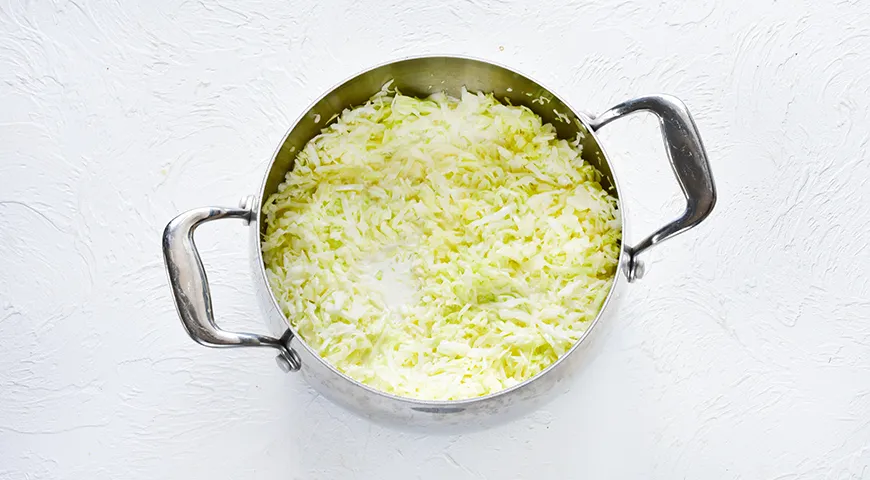
While the dough rises, finely shred the cabbage, discarding the core and any coarse outer leaves. Cut the shreds crosswise into 2 cm pieces. Sprinkle with salt and massage the cabbage with your hands to begin softening it.
5. Cook the cabbage with cream
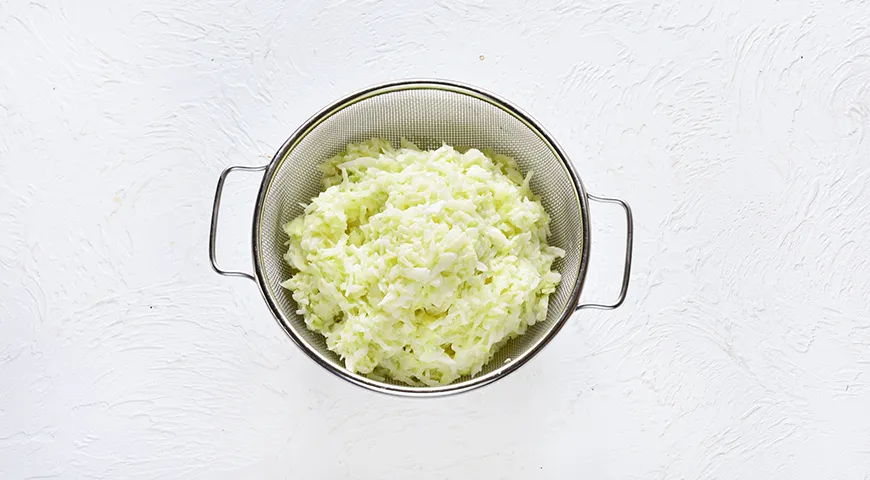
Place the shredded cabbage in a wide, heavy-bottomed saucepan. Let it sit for 5–10 minutes until juices begin to release. Set the pan over medium heat, cover, and cook, stirring occasionally, for 10 minutes. Uncover, pour in the cream, and continue cooking, stirring often, until the cabbage is tender but not fully disintegrated – about another 10 minutes. The cream will reduce slightly, enriching the cabbage.
6. Boil and chop the eggs
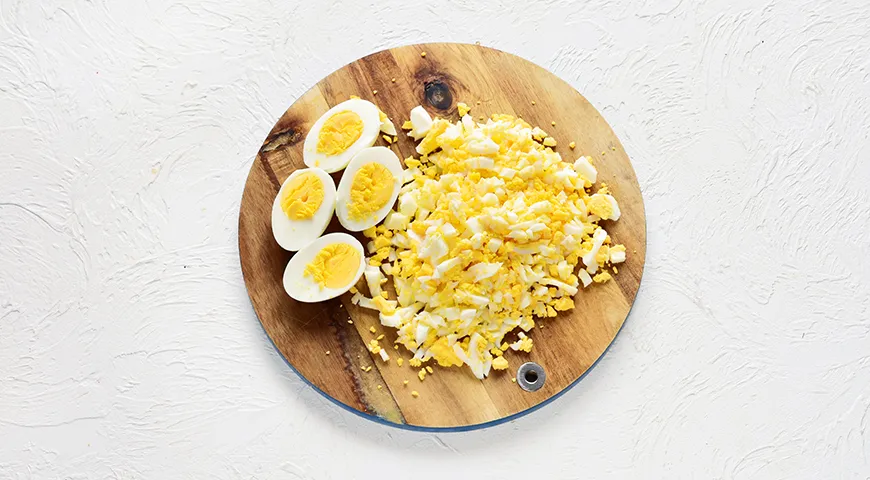
Meanwhile, hard-boil the eggs for 9 minutes. Transfer to an ice bath, peel, and chop coarsely. Set aside.
7. Combine filling and cool
Check the cooked cabbage for excess liquid. If necessary, drain it in a sieve, pressing gently, for a couple of minutes. Mix the cabbage with the chopped eggs. Taste and adjust salt. Let the filling cool completely before assembling the pie.
8. Preheat and divide dough
Preheat your oven to 180°C (no convection, conventional top/bottom heat). Divide the risen dough into two pieces – two-thirds and one-third. Shape each into a ball, cover with a towel, and let rest for 10–15 minutes. This relaxation makes rolling easier.
9. Roll and assemble the pie
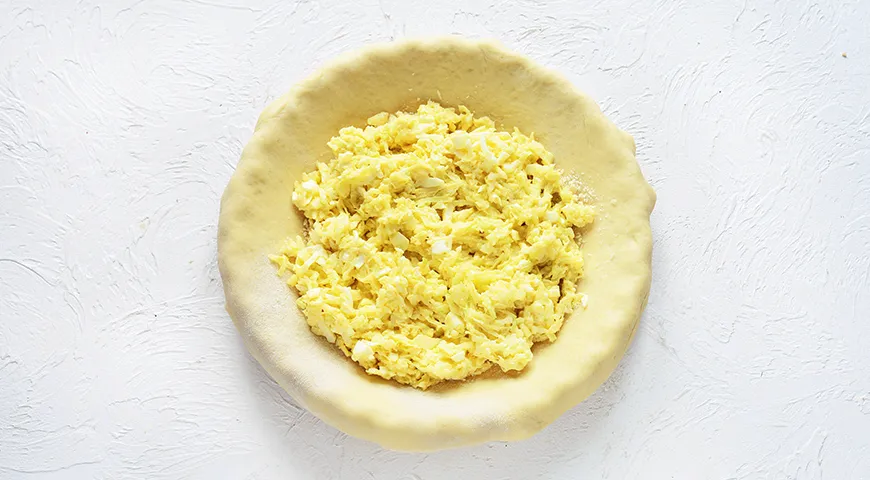
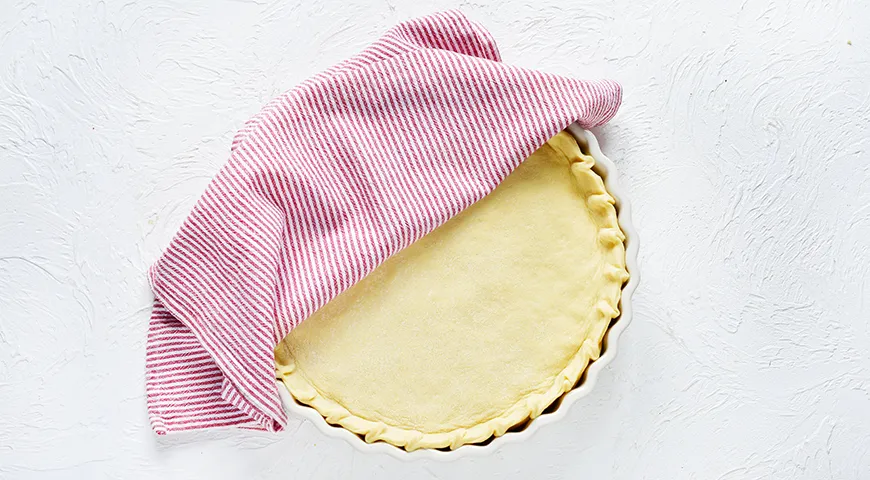
On a lightly floured surface, roll the larger piece of dough into a thin circle. Transfer it into a large pie dish (about 28–30 cm), letting the edges hang over. Spread the cooled filling evenly inside. Roll the smaller piece into a thin circle and place it on top. Pinch the edges of the top and bottom crusts firmly together to seal. Cover the pie with a towel and let it rise for 20 minutes.
10. Brush and score the crust
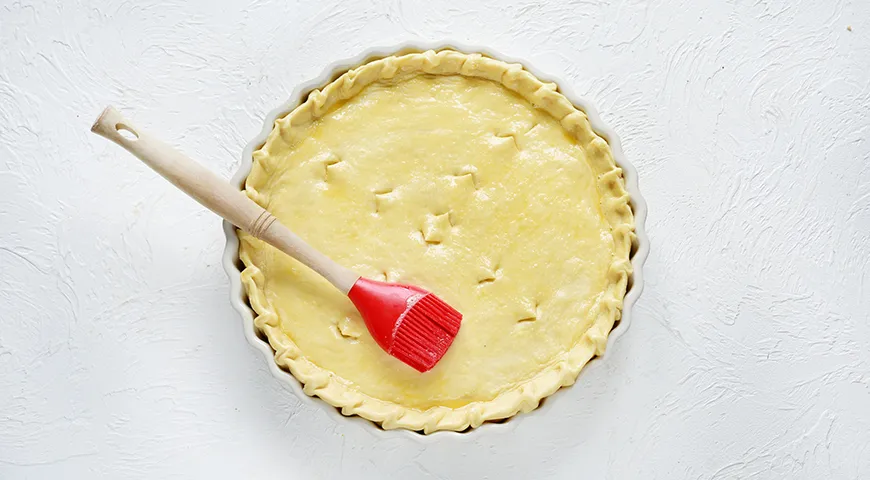
After the second rise, brush the top of the pie with beaten egg. Use a sharp knife or skewer to poke several small holes in the top crust to allow steam to escape during baking.
11. Bake and finish
Bake in the center of the oven until deep golden brown, about 25 minutes. Immediately upon removal, brush the hot crust with butter. Cover loosely with a sheet of parchment paper and then a clean kitchen towel. Let the pie rest for 10–15 minutes before slicing. This gentle cooling keeps the crust tender.
Tips for a Flawless Cabbage Pie
- Respect the rests: Each 20-minute resting period allows the gluten to relax, ensuring the dough rolls out without shrinking.
- Drain the cabbage thoroughly: Any excess moisture will make the pie soggy. A quick drain in a sieve after cooking is essential.
- Use an oven thermometer: If your oven runs hot or cool, the baking time may vary. An accurate temperature is key to an even, golden crust.
- Brush with butter twice: The initial brush (after baking) adds shine and flavor; a second light brush just before serving enhances the gloss.
- Investing in a best oil sprayer can help you evenly grease the dough without overdoing it.
Delicious Variations
While the classic filling is sublime, consider these twists:
- Mushroom and cabbage: Sauté 200 g of sliced mushrooms with the cabbage for an earthy depth.
- Herb-infused: Add a handful of chopped dill or parsley to the filling for freshness.
- Cheese topping: Sprinkle grated Gruyère or farmer’s cheese over the filling before closing the pie.
- For a modern twist, bake the pie in a best air fryer non-toxic – just reduce the temperature to 160°C and check after 20 minutes.
Frequently Asked Questions
Can I make the dough ahead of time?
Yes. After the first rise, punch down the dough, cover tightly, and refrigerate overnight. Bring it back to room temperature before shaping, about 1 hour.
Why did my dough not rise?
Ensure your yeast is fresh and the water temperature is between 36–38°C – too hot kills the yeast, too cold slows it down. A warm, draft-free spot helps. Using a best wall oven microwave combo with air fryer on the proof setting can provide ideal conditions.
Can I use whole wheat flour?
You can replace up to 30% of the all-purpose flour with whole wheat, but the crust will be denser. Add an extra tablespoon of water to compensate for the bran.
How do I store leftovers?
Wrap cooled pie in foil and keep at room temperature for up to 2 days, or refrigerate for up to 4 days. Reheat in a low oven (150°C) for 10 minutes to restore crispness.
Can I freeze the unbaked pie?
Absolutely. Assemble the pie but do not let it rise the second time. Wrap well in plastic and foil, then freeze for up to 1 month. Bake from frozen, adding 10–15 minutes to the baking time.
What can I serve with this pie?
A dollop of sour cream and fresh dill are classic. For drinks, try a best sweet wine with high alcohol content or a crisp best organic vodka served chilled. A best George Howell coffee makes a perfect finish.
Whether you serve it as the centerpiece of a family dinner or as a comforting weekend bake, this Russian cabbage pie delivers timeless satisfaction. The careful technique – from the feather-light dough to the creamy, egg-studded filling – pays homage to generations of home bakers. For more inspiration, explore other heritage recipes like the Pa de Pessic Catalan sponge or treat yourself to best chocolate-covered raisins for a sweet counterpoint. And if you ever want to upgrade your kitchen arsenal, a best espresso machine under 2000 or a best coffee maker for Airbnb can elevate your hosting. Happy baking!







