


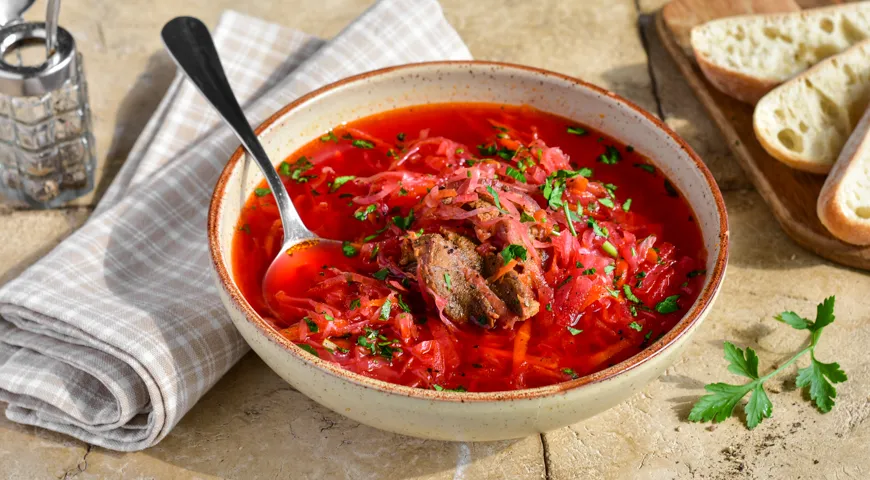
There are soups, and then there is Russian borscht – a dish that embodies centuries of culinary tradition, a deep ruby‑red broth that warms both body and soul. This version, steeped in beef bone broth, tangy sauerkraut, and sweet roasted beetroot, is the kind of meal you remember. Whether you are a seasoned cook or just beginning your exploration of Eastern European cuisine, this recipe will guide you through every step toward a truly authentic bowl of borscht.
About Russian Borscht
Borscht is not merely a soup; it is a cultural institution. Originating in Ukraine and beloved across Russia, Poland, and beyond, it thrives on the balance of earthy beets, tender beef, and a subtle sourness from fermented cabbage. Unlike quick versions, this recipe respects the slow, patient process of building flavor. The result is a nourishing, deeply savory broth enriched by a medley of vegetables and a hint of apple cider vinegar. For those who love to experiment with kitchen tools, a good oil sprayer can help when sautéing the vegetables evenly.

Ingredients
- Beef on the bone (brisket plus rib): 1 kg
- Drinking water: 5 L
- Bay leaves: 3
- Black peppercorns: 5
- Sauerkraut (fermented cabbage): 400 g
- Onion: 300 g
- Vegetable oil: 4 tbsp
- Beetroot: 400 g
- Carrot: 200 g
- Sugar: 2 tbsp
- Tomato paste: 1 tbsp
- Apple cider vinegar: 2 tbsp
- White cabbage: 300 g
- Garlic: 3 large cloves
- Freshly ground black pepper: to taste
- Salt: to taste
The quality of each ingredient matters. Opt for organic beets and a well‑marbled piece of beef. For steps that require even heat, a non‑toxic air fryer can also be used to roast vegetables beforehand if you wish to intensify their sweetness.
Step‑by‑Step Instructions
Step 1: Prepare the Beef Broth
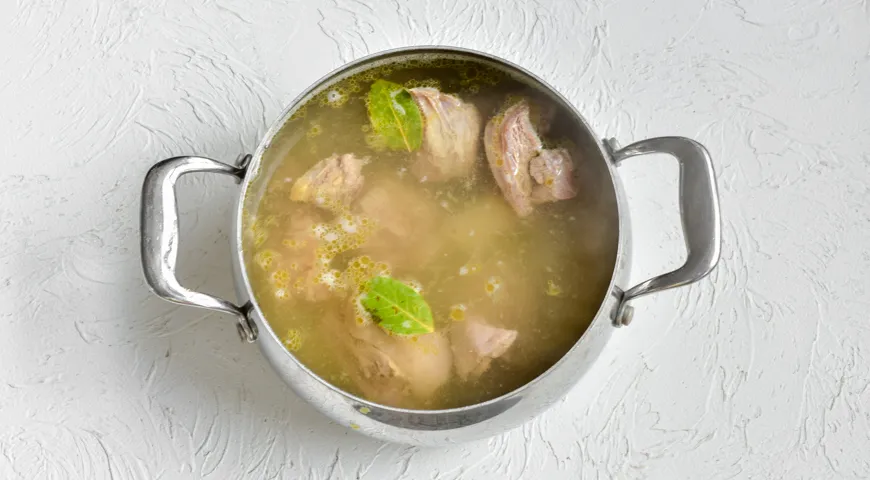
Wash the beef and place it in a large stockpot. Cover with cold water and bring to a boil. Skim off any foam that rises to the surface. Add the bay leaves and black peppercorns. Reduce the heat to low and simmer gently for 3 hours. This slow extraction creates a gelatin‑rich, aromatic base. A sturdy 48‑inch built‑in refrigerator is ideal for storing leftovers.
Step 2: Soak the Sauerkraut
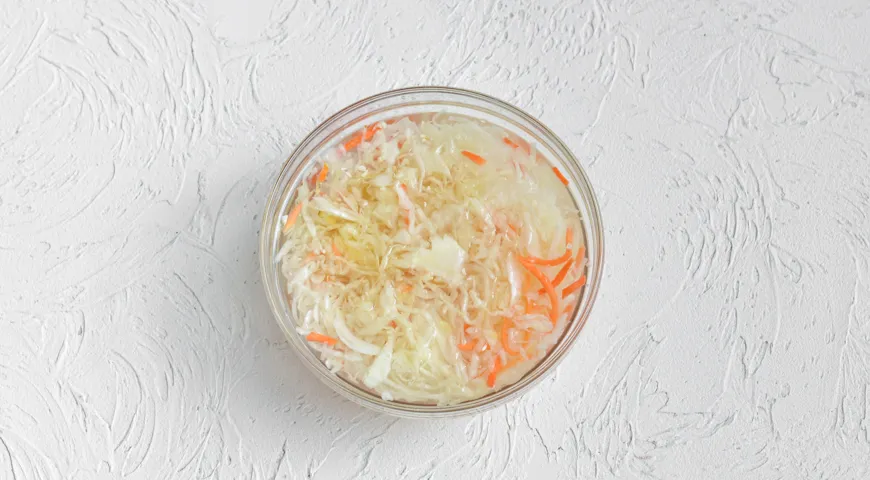
While the broth simmers, squeeze the sauerkraut to remove excess brine. Transfer to a large bowl and cover with cold drinking water. Let it soak for 1 hour – this mellows the acidity so it complements rather than overwhelms the final soup.
Step 3: Sauté the Onion
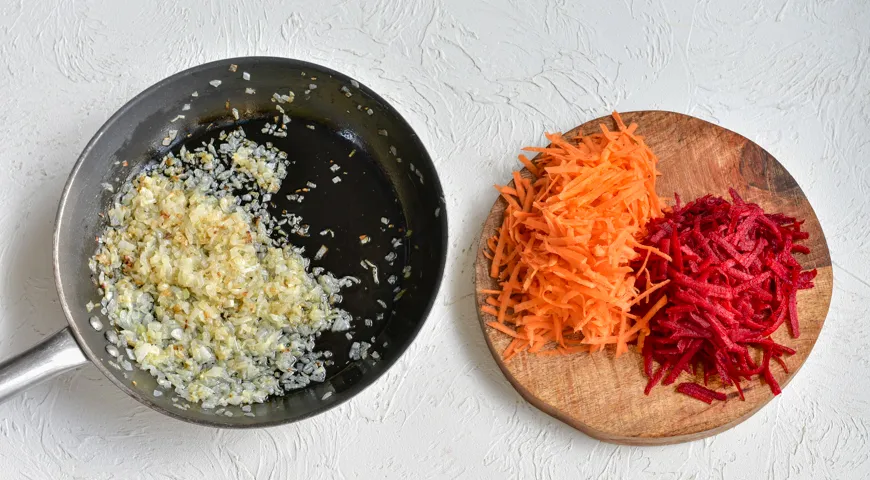
Peel and finely dice the onion. Peel and grate the beetroot and carrot on a coarse grater. Heat the vegetable oil in a large skillet over medium heat. Add the onion and cook, stirring, until lightly golden (about 5 minutes). This forms the aromatic foundation.
Step 4: Braise the Vegetables
Add the grated carrot, beetroot, sugar, and tomato paste to the skillet. Pour in enough water to cover the vegetables by about 1 cm. Stir in the apple cider vinegar. Bring to a boil, then reduce heat to low and simmer, covered, for 30 minutes. The vinegar helps preserve the beetroot’s vibrant color and adds a bright tang. For consistent simmering, a reliable microwave pressure cooker can also be used if you prefer a faster braise, but stovetop is traditional.

Step 5: Strain the Broth and Add Meat
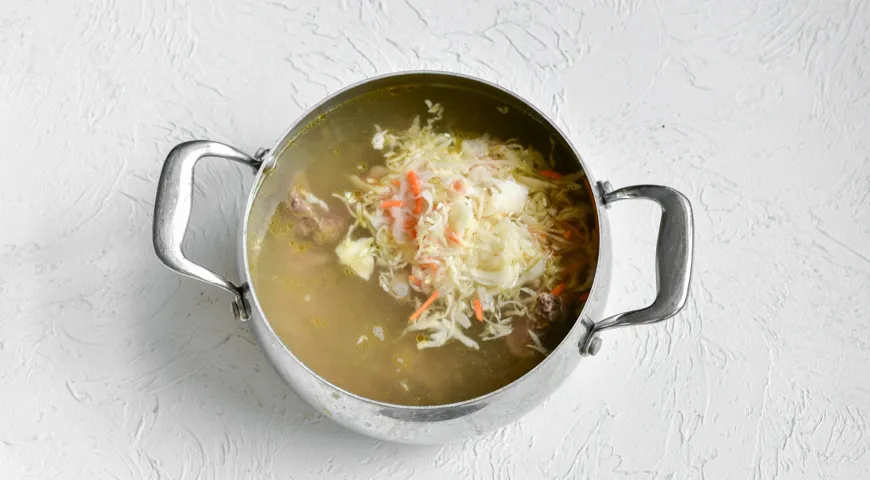
Once the broth is ready, strain it into a clean pot. Remove the meat from the bones and cut into large chunks. Return the meat to the strained broth and bring to a boil. Drain the soaked sauerkraut, squeezing out excess water, and add it to the pot. Simmer for 20 minutes.
Step 6: Add White Cabbage and Garlic
Shred the white cabbage into thin strips. Add to the pot and cook for 10 minutes. Meanwhile, peel and crush the garlic. Add the garlic and the entire braised vegetable mixture (onion, carrot, beetroot) into the soup. Season with salt and freshly ground black pepper to taste. Stir well.

Step 7: Rest and Serve
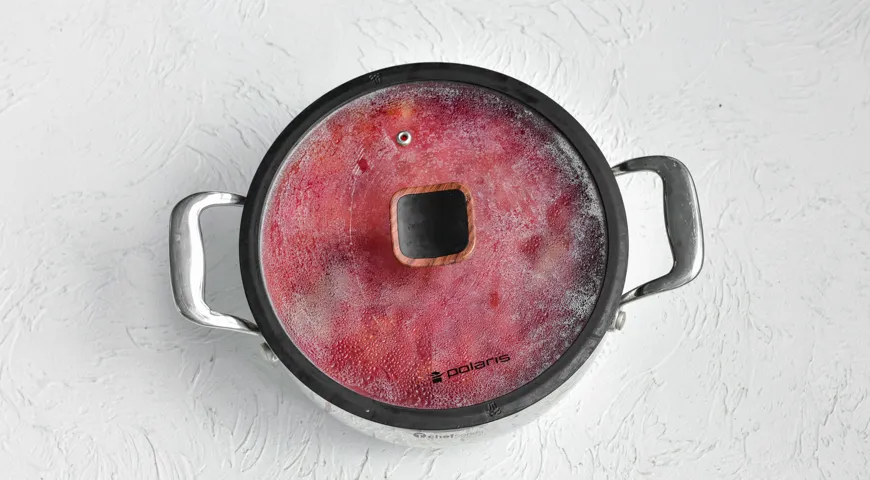
Bring the borscht to a rapid boil, then immediately turn off the heat. Cover the pot and let it rest on the warm stove for 15 minutes – this allows the flavors to meld without overcooking. Ladle into bowls and serve hot. Traditionally, borscht is accompanied by a dollop of sour cream and fresh dill. Pair it with hearty dark bread or use a high‑end espresso machine for a post‑meal coffee.
Tips for the Perfect Borscht
- Skim thoroughly: Removing foam during the first boil ensures a clear, clean broth.
- Don’t skip the soaking: Soaking sauerkraut balances its sharpness. If you prefer a more intense tang, soak for only 30 minutes.
- Add vinegar early: Apple cider vinegar locks in beet color and prevents the soup from turning brown.
- Resting is crucial: The final 15‑minute rest deepens the flavor profile. Never serve immediately after boiling.
- Make ahead: Borscht tastes even better the next day. Use an undercounter ice maker for quick chilling if you plan to store it.
Variations
Borscht is wonderfully adaptable. For a vegetarian version, replace the beef with a rich mushroom broth and add kidney beans for protein. Some cooks roast the beetroot beforehand to intensify sweetness – an air fryer works brilliantly for this. If you enjoy a smoky note, try adding a pinch of smoked paprika. For those who love spice, a dash of cayenne or a lava salt blend can elevate the warmth.
FAQ
Can I freeze borscht?
Yes, borscht freezes exceptionally well. Cool completely, then transfer to airtight containers. It will keep for up to 3 months. Thaw overnight in the refrigerator and reheat gently. A refrigerant leak detector can help ensure your freezer is running efficiently.
Why is my borscht losing its red color?
The most common cause is adding the vinegar too late or using too little. Always add the vinegar at the start of braising the vegetables. Also, avoid prolonged boiling after the beets are added – keep the simmer gentle.
Can I use canned beets instead of fresh?
Fresh beets provide superior texture and earthy sweetness. Canned beets are pre‑cooked and can become mushy. If you must use them, add them only at the very end of cooking to preserve color.
What cut of beef is best for borscht?
Beef on the bone, such as brisket or short ribs, adds deep flavor and natural gelatin. The marrow enriches the broth. If using boneless meat, choose chuck or shank. A high‑powered food processor can help if you want to grind leftover meat for another recipe.
How long should I simmer the broth?
Three hours is ideal for a full‑flavored beef bone broth. If you are short on time, two hours will still yield a good result, but the gelatin and depth improve with longer cooking. A planetary mixer is not needed here, but it’s handy for mixing dough if you bake bread to serve alongside.
Can I omit the sauerkraut?
Sauerkraut provides the signature sourness of traditional Russian borscht. If you don’t have it, substitute with a tablespoon of lemon juice or extra apple cider vinegar added at the end. The texture will differ, but the flavor can be balanced. Explore steam canning if you want to preserve a large batch of homemade sauerkraut.
Should I peel the beets before grating?
Yes, peel them to avoid any dirt or fibrous skin in the final dish. Grate on the coarse side of a box grater for best texture.
Conclusion
Russian borscht is more than a soup – it is a ritual of patience, layering flavors one step at a time. The deep, ruby‑red bowl you serve will be a testament to your care and skill. Whether enjoyed on a cold winter evening or as a comforting family staple, this recipe connects you to a rich culinary heritage. For more kitchen inspiration, check out non‑toxic immersion blenders for pureeing soups, or artisan snacks to enjoy alongside your meal. Happy cooking!







