


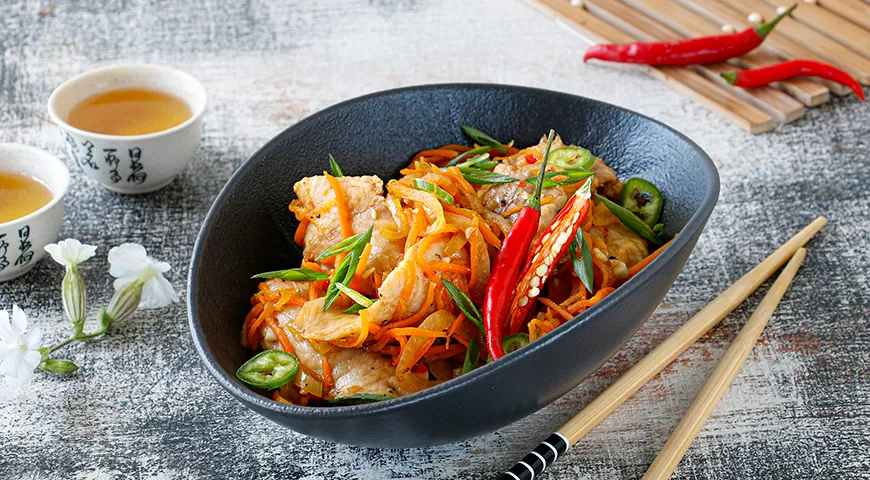
This is the essence of Korean culinary wizardry: raw fish, transformed by a bold acidic marinade into a dish that is at once refreshing, fiery, and deeply savory. Known as he (or hwe), this style of raw fish preparation dates back centuries on the Korean peninsula, where it was originally a way to preserve the daily catch. Today, it has evolved into a celebrated salad course that showcases the purity of the seafood and the vibrancy of the seasonings. Our version uses freshwater pike (pickerel), a fish sometimes dismissed for its muddy notes, but here elevated to a delicate, almost creamy texture through a clever lemon-water bath and a double marinade. The result is a dish that bridges the gap between a ceviche and a Korean banchan, perfect as an appetizer, a light lunch, or a showstopping party platter.
About the Dish – A Korean Classic Reimagined
He is a cornerstone of Korean cuisine, often made with tuna, mackerel, or halibut. The fish is cut into bite-sized pieces, marinated in vinegar, gochugaru (Korean chili flakes), garlic, and soy sauce, then tossed with crisp vegetables. Our adaptation swaps the saltwater fish for freshwater pike, a lean, firm fish abundant in Eastern European rivers and lakes. The key challenge – pike’s earthy aftertaste – is neutralized by soaking the fillets in lemon water. This step, combined with a long vinegar marinade, yields a clean, meaty canvas that welcomes the pungent garlic, sweet onions, and crunchy carrots. The dish is not cooked; rather, the acidity ”cooks” the fish, firming its flesh while keeping it silky. It’s a technique any home cook can master, especially with a non-toxic immersion blender to quickly purée the marinade for a smoother coating.

Ingredients – The Building Blocks of Flavor
What makes this recipe special is the balance of fresh, acidic, and umami elements. Here’s what you’ll need:
- Chilled pike (pickerel) – about 1.5 kg whole fish, yielding roughly 700–800 g of clean fillet
- Large lemon – 1, juiced (about 60 ml)
- Drinking water – 200 ml
- Garlic – 5 cloves, finely minced
- White vinegar (9%) – 60 ml
- Onion – 500 g (about 2 large), halved and sliced into thin half-rings
- Carrot – 300 g (about 2 medium), peeled and coarsely grated
- Vegetable oil – 50 ml (use a neutral oil like sunflower or grapeseed)
- Soy sauce – 60 ml (use a quality brand for depth)
- Salt – 3/4 tablespoon (about 12 g flaky sea salt)
- Ground black pepper – 1 teaspoon
- Optional: Fresh red chili (1–2, finely chopped) for heat
Quality matters, especially the fish. If you can’t find pike, use any firm white fish like cod or tilapia – just skip the lemon soak for farmed fish. A food processor helps finely grate the carrot quickly, but a box grater works too.
Step-by-Step – The Art of Marinating Raw Fish
Patience is the secret ingredient here. The fish needs time to absorb the flavors and lose its raw edge. Follow these steps carefully for the best texture and taste.
Step 1: Clean and Fillet the Pike
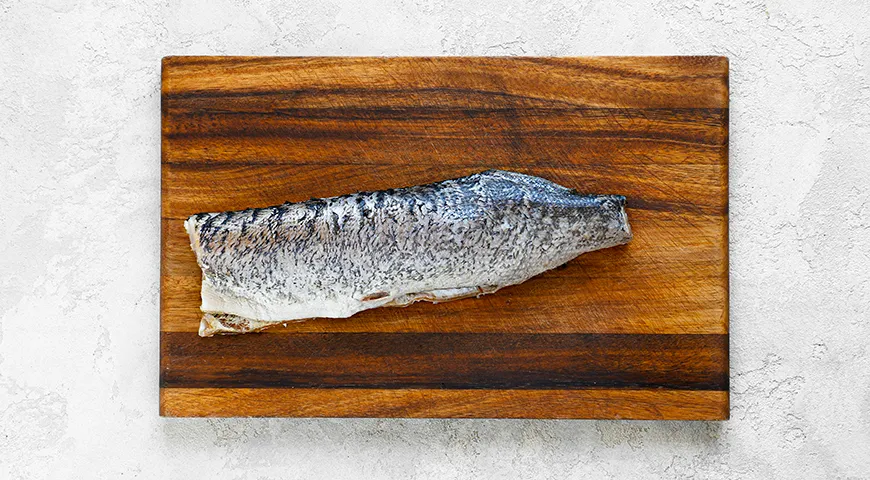
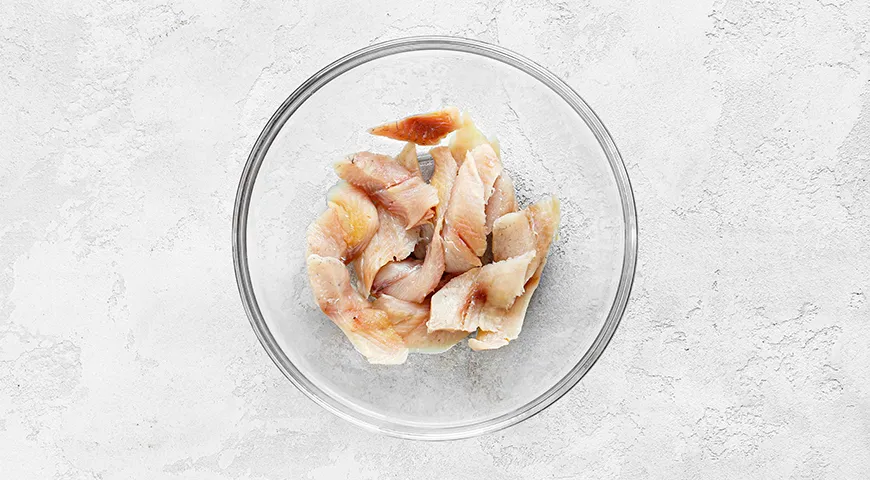
Scale the fish under running water, then rinse. Cut off the head, tail, and fins. Slit the belly and remove the entrails. Rinse the cavity thoroughly. Using a sharp knife, cut along the backbone from head to tail. Carefully lift the fillet away from the ribs, removing any large pin bones. Peel off the skin. Cut the fillet into bite-sized slices (about 2 cm cubes) and place in a large bowl.
Step 2: Lemon Water Soak
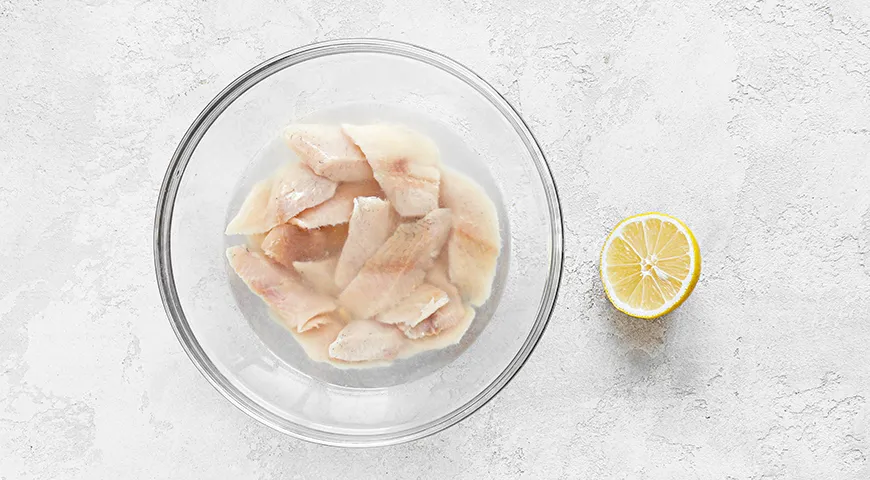
Juice the lemon and mix with 200 ml water. Pour over the fish pieces, making sure they are fully submerged. Cover and refrigerate for 4 hours. This draws out the muddy flavor. After soaking, drain and pat the fish dry with paper towels. Transfer to a clean bowl.
Step 3: First Marinade – Vinegar and Garlic
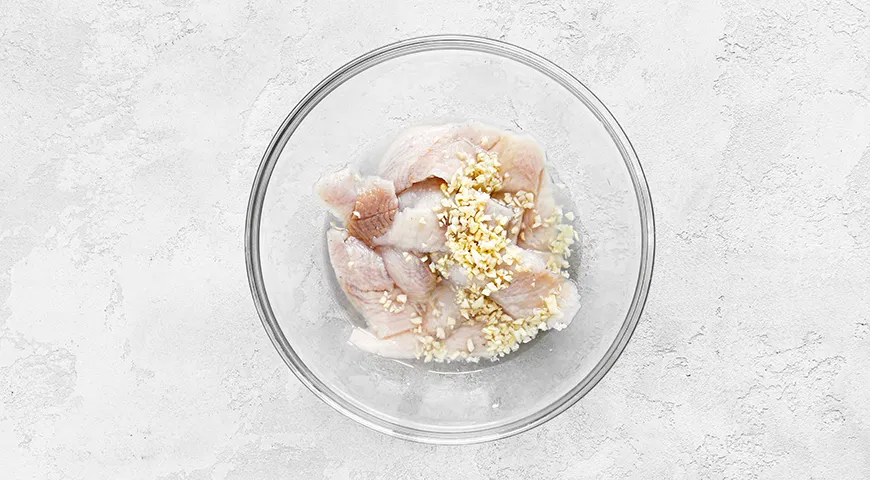
Mince the garlic finely. Add to the fish along with the vinegar. Toss gently to coat. Cover and refrigerate for another 6 hours. The vinegar will “cook” the fish, turning it opaque and firm.
Step 4: Prepare the Vegetables
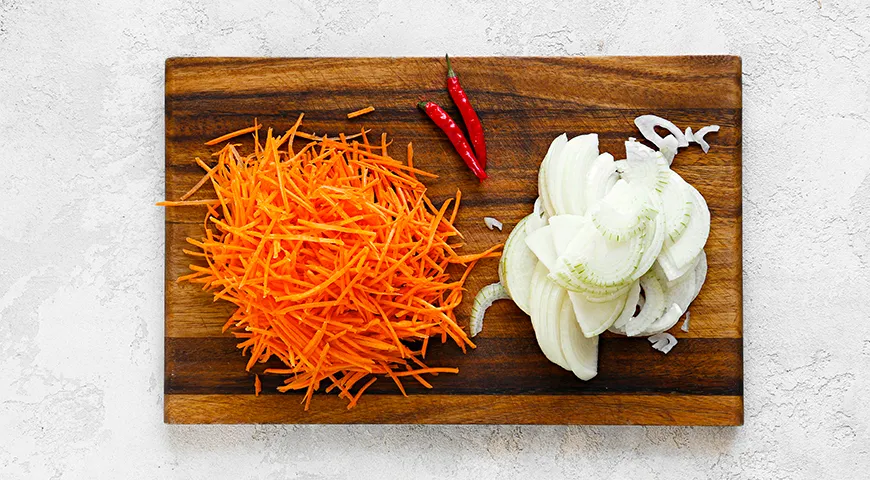
While the fish marinates, slice the onions into thin half-rings. Grate the carrots on the large holes of a box grater. If using fresh chili, chop finely (remove seeds for less heat).
Step 5: Sauté the Vegetables
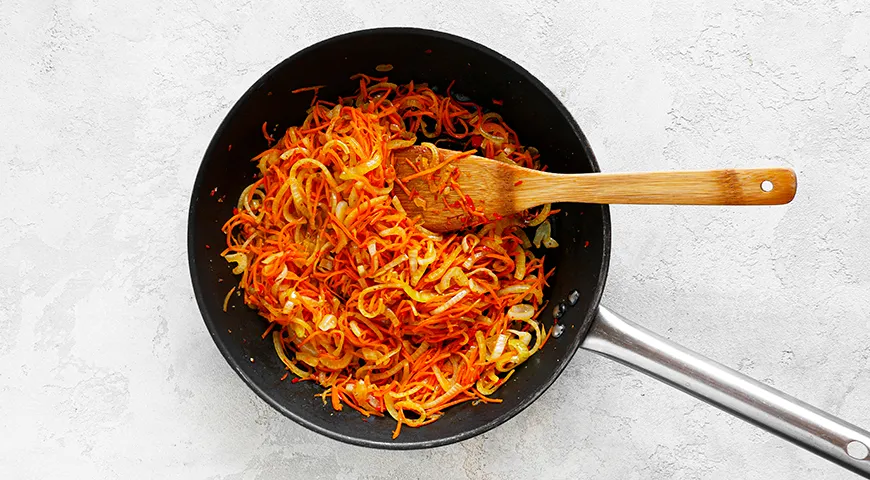
Heat oil in a large skillet over medium heat. Add the onions and carrots, and cook, stirring, for 5 minutes until softened and lightly golden. If using chili, add it now. Stir in any optional spices (like coriander or gochugaru) and cook for 1 more minute. Remove from heat and let cool completely.
Step 6: Combine and Second Marinade
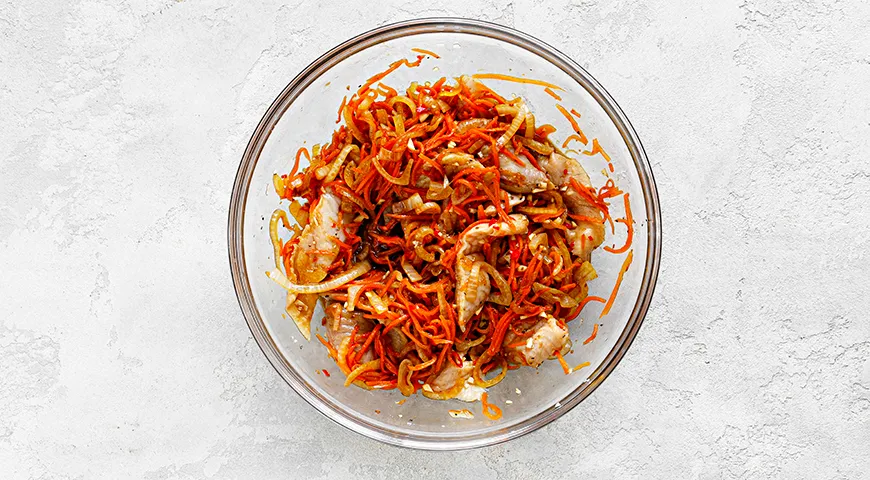
Add the cooled vegetables to the fish. Sprinkle with salt, pepper, and soy sauce. Toss well to combine. The fish should be evenly coated. Cover and refrigerate for a final 6 hours. Overnight is even better – the flavors meld beautifully.
Step 7: Serve
Transfer the he to a serving platter. Garnish with fresh herbs (cilantro or green onions) and a sprinkle of sesame seeds. Serve cold or at room temperature.
Pro Tips for Perfect He
– Freshness is paramount: Use only sushi-grade or very fresh fish. If you’re unsure, freeze the fillet at -20°C for 48 hours to kill potential parasites. Let it thaw slowly in the fridge before marinating.
– Cut uniform pieces: Even slices ensure consistent marination. A sharp knife (though not for vodka!) is essential.
– Don’t skip the lemon soak: It truly transforms pike. For other white fish, you can omit this step.
– Let it rest: The final 6-hour chill is not optional – it allows the soy sauce to penetrate the fish without making it mushy.
– Spice level: For an authentic Korean kick, add 1–2 tablespoons of gochugaru along with the chili. Catalan sponge might be a dessert, but balance is key in any dish!
Variations – Adapting to Your Pantry
– Protein swap: Use salmon, trout, or even cooked shrimp for a different twist.
– Vinegar options: Rice vinegar gives a milder tang; apple cider vinegar adds fruitiness.
– Add crunch: Toss in cucumber ribbons or julienned daikon radish before serving.
– Heat lovers: Stir in a teaspoon of lava flavors like Korean fermented chili paste (gochujang) for extra depth.
– Herbal notes: Fresh mint or Thai basil brighten the dish.
– Quick version: If short on time, reduce each marination step by half, but know the flavor won’t be as complex. Use a microwave pressure cooker (though not for this raw dish!) to speed up veg prep – sauté in the cooker on low.
FAQ – Your He Questions Answered
Is it safe to eat raw pike?
If you source sushi-grade pike or freeze the fillet for 48 hours at -20°C, it is safe. The lemon soak and vinegar also help acidify the fish, but freezing is the only reliable method to kill parasites like tapeworm. Follow your local food safety guidelines.
Can I use frozen pike for this recipe?
Absolutely. Thaw the fish in the refrigerator overnight. Pat it very dry before slicing – excess moisture dilutes the marinade. A refrigerant leak detector isn’t needed, but a well-functioning fridge ensures even thawing.
How long does he keep in the fridge?
For best quality, consume within 2 days. The fish continues to “cook” in the acid, becoming firmer. After 48 hours, the texture may become too chewy. Store in an airtight container.
Can I make this vegetarian?
Yes! Replace the fish with thinly sliced king oyster mushrooms or firm tofu. Marinate them in the same lemon-vinegar mixture for 2 hours, then proceed. The mushrooms mimic the chewy texture of fish.
Do I need to wear gloves when handling chili?
If you have sensitive skin, yes. Capsaicin can burn. Use a wheatgrass juicer is unrelated, but always wash hands thoroughly after handling chilies.
What side dishes pair well with he?
Serve with steamed rice, non-toxic air fryer vegetable spring rolls, or a light cucumber salad. A crisp white wine or cold lager complements the tangy, spicy notes.
Can I double the recipe?
Yes, but marinate in two separate bowls to ensure even coating. A commercial countertop convection oven is overkill – just use a larger refrigerator space.
More Reasons to Love This Recipe
Beyond its incredible flavor, he is a celebration of resourcefulness. In times when refrigeration was limited, this method preserved fish for days. Today, it’s a way to enjoy raw fish without the risk, provided you follow proper hygiene. The acidic environment also makes it naturally low in fat, high in protein, and packed with vitamins from the vegetables. This dish is a testament to how simple techniques – soaking, slicing, marinating – can create something far greater than the sum of its parts. Use a steam canner for extra preservation? Not needed; enjoy fresh!
Whether you’re a seasoned cook or a curious beginner, this pike he will surprise you with its elegance. For more healthy seafood inspiration, explore other planetary mixer recipes? No, but check our coffee maker for Airbnb blog for breakfast pairings. The he is best served with a smile – and maybe a bowl of kimchi on the side.







