


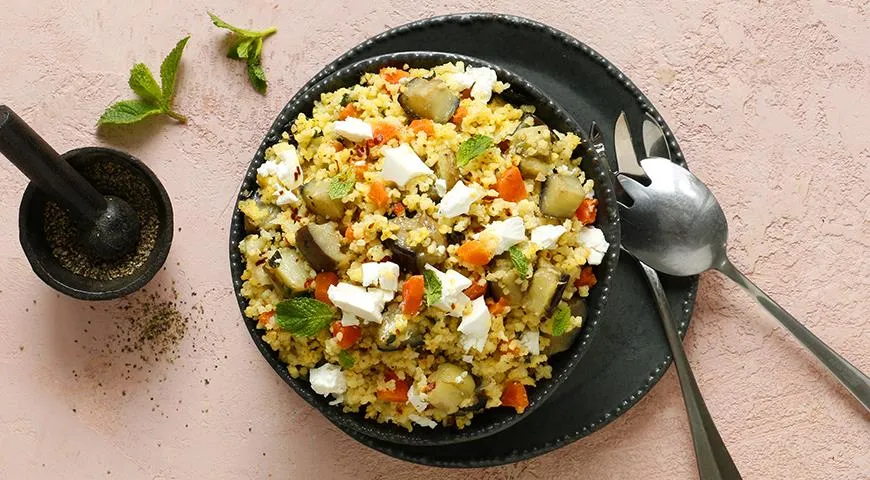
In the vast tapestry of grains, millet often remains an unsung hero—a humble, golden seed that transforms into a creamy, nutty canvas for bold flavors. This Russian-inspired recipe elevates millet to a starring role, pairing it with roasted carrots and eggplant, bright mint, and salty feta. It is a dish that bridges rustic tradition and modern health-conscious cooking, perfect for a weeknight dinner or a sophisticated side. The key lies in the technique: carefully toasting the millet before simmering ensures a fluffy texture, while the vegetables are cooked just enough to retain their bite. The result is a symphony of textures—tender grains, soft yet firm vegetables, and crumbly cheese—all brought together by the herbaceous freshness of mint. This recipe is not just about nourishment; it is about celebrating the simple, beautiful art of cooking with whole ingredients.
About Millet: A Ancient Grain Rediscovered
Millet is one of the oldest cultivated grains, cherished for its resilience and nutritional density. In Eastern European cuisine, it is a staple in porridges and pilafs, offering a naturally gluten-free alternative to wheat or rice. Its mild, slightly sweet flavor makes it an ideal partner for savory companions. When cooked properly, millet becomes light and fluffy, almost like couscous, yet with a distinct chewiness that holds its own against hearty vegetables. This dish showcases millet's versatility—proving that it can be as elegant as it is earthy. For more on choosing the right kitchen tools to prepare grains effortlessly, explore best non-toxic immersion blender for pureeing soups or sauces that could complement this meal.

Ingredients
- 300 g millet
- 3 carrots
- 1 large eggplant
- 200 g feta cheese
- 4–5 sprigs fresh mint
- 500 ml cold water
- Salt and pepper to taste
- 5 tbsp vegetable oil (for frying)
The ingredient list is intentionally short, relying on high-quality produce and a good feta to carry the dish. For the best results, use firm, fresh eggplant and carrots that are sweet and juicy. The mint should be vibrant and aromatic—avoid wilted leaves. If you are looking for a reliable best food processor for nut butter to make your own feta-style cheese? While feta is traditional, you could experiment with a homemade nut-based alternative for a vegan twist.
Step-by-Step Instructions
Step 1: Prepare the Millet
Thoroughly wash 300 g millet under cold running water until the water runs clear. This removes any bitterness. Place the millet in a saucepan, add 500 ml cold water, and bring to a boil over high heat. Reduce heat to low, add a pinch of salt, and simmer covered for 20 minutes, stirring occasionally. Remove from heat and let it rest, covered, for 10 minutes. The millet should be tender and fluffy.
Step 2: Dice and Blanch the Carrots
Peel 3 carrots and cut into small cubes. Bring a small pot of water to a boil, blanch the carrots for 3 minutes, then drain and pat dry with paper towels. This quick blanching preserves their color and sweetness while softening them slightly.
Step 3: Prepare the Eggplant and Mint
Cut 1 large eggplant into bite-sized cubes (about 2 cm). No need to salt or sweat it—the high-heat cooking will concentrate its flavor. Pick the leaves from 4–5 mint sprigs and chop them finely.
Step 4: Sauté the Vegetables
In a deep skillet or large frying pan, heat 5 tablespoons of vegetable oil over medium heat. Add the blanched carrots and eggplant cubes. Cook, stirring occasionally, for 7–10 minutes until the vegetables are tender and lightly browned. Season with salt and pepper to taste.
Step 5: Combine and Serve
Add the cooked millet to the skillet with the vegetables. Gently fold together to mix evenly. Divide among serving plates. Top each portion with crumbled feta cheese and a generous sprinkle of fresh mint. Serve immediately. For a touch of brightness, consider adding a squeeze of lemon juice or a drizzle of good olive oil.
For this recipe, a best oil sprayer can help you control the amount of oil when sautéing the vegetables, ensuring they are not greasy but perfectly golden.
Tips for Perfect Millet with Vegetables and Feta
- Toast the millet: For an extra layer of nuttiness, toast the washed millet in a dry pan for 2–3 minutes before adding water.
- Don't overcook the vegetables: The eggplant and carrots should retain some texture—cook only until just tender.
- Use a quality feta: A creamy, tangy feta from sheep’s milk will elevate the dish. Avoid the pre-crumbled dry varieties.
- Make ahead: The millet can be cooked a day in advance and stored in the refrigerator. Reheat gently with a splash of water before combining with vegetables.
- Season carefully: Feta is salty, so go easy on the salt while cooking the millet and vegetables.
To achieve the best texture for your grains, a best microwave pressure cooker can speed up the cooking process—though the stovetop method works beautifully with this recipe.
Variations
This dish is wonderfully adaptable. Try substituting the eggplant with zucchini or bell peppers. For a protein boost, add chickpeas or grilled chicken. If you prefer a dairy-free version, omit the feta and top with toasted pine nuts or a dollop of tahini sauce. The mint can be replaced with basil or parsley for a different herbaceous note. For a heartier meal, serve alongside a crisp green salad or as a stuffing for roasted bell peppers. When exploring other cultural fusions, consider pairing this with a Catalan sponge cake (Pa de Pessic) for a sweet ending to a Mediterranean-inspired menu.
Frequently Asked Questions
Do I need to rinse millet before cooking?
Yes, rinsing millet thoroughly is essential to remove any dust or natural bitterness. Rinse until the water runs clear, then drain well.
Can I use frozen vegetables?
Fresh vegetables are recommended for the best texture and flavor, but frozen carrots and eggplant can work if thawed and patted dry to avoid excess moisture.
Is this recipe gluten-free?
Absolutely. Millet is naturally gluten-free, and all other ingredients are gluten-free as long as you check the feta packaging (some may contain additives).
How long does this dish keep in the refrigerator?
Store leftovers in an airtight container for up to 3 days. Reheat in a skillet with a little water or oil to revive the texture.
What can I substitute for feta cheese?
Goat cheese, halloumi (grilled separately), or a vegan cashew cheese are excellent alternatives. For a lower salt option, use ricotta salata or paneer.
For more advice on choosing the best kitchen appliances for your cooking style, read about the best non-toxic air fryer to make crispy toppings or even roast the vegetables instead of sautéing them.
Why This Recipe Works
Millet with Vegetables and Feta is a celebration of contrast: the creamy, nutty millet against the firm, sweet vegetables; the salty, tangy feta against the cool, herbaceous mint. It is a dish that feels both comforting and refined, requiring minimal effort yet delivering maximum flavor. The simplicity of the ingredients allows each component to shine, making it a perfect canvas for seasonal produce. Whether served as a main course or a side, it is a testament to the beauty of whole foods. For those who enjoy exploring global flavors, this recipe sits alongside other international dishes like best chocolate-covered raisins for a sweet treat after dinner.
This recipe originally appeared on Gastronom.ru. Adapted for an English-speaking audience and enhanced with internal resources from Walfos Brand’s blog.
For more insights on kitchen tools that make grain and vegetable preparation a breeze, check out best commercial countertop convection oven for roasting vegetables evenly, and best espresso machine under 2000 for a post-dinner coffee pairing.
Explore other recipes that highlight ancient grains and fresh produce, and don’t forget to browse best organic vodka for a cocktail that complements this vibrant dish. Happy cooking!
Note: This article contains affiliate links to Walfos Brand products. We may earn a small commission on purchases made through these links at no extra cost to you.







