


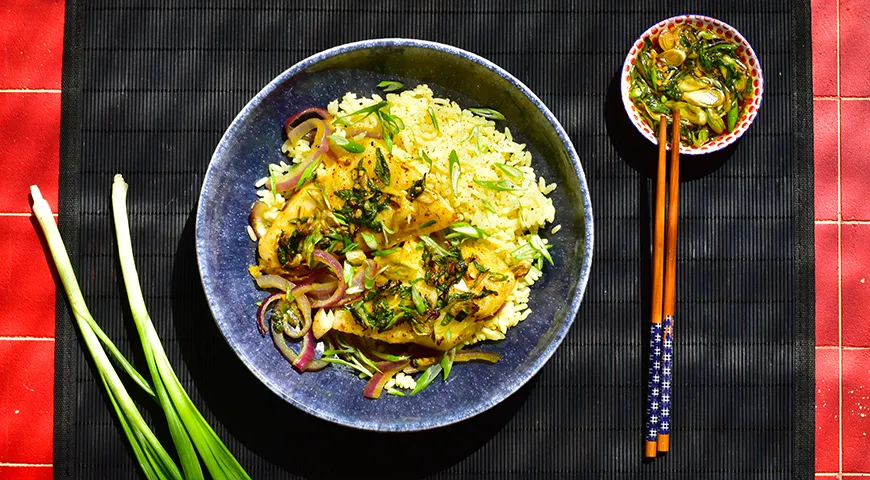
Chef David Chang, the culinary mastermind behind Momofuku, brings his signature blend of bold simplicity and Korean-inspired flavors to this roasted fish dish. Perfect for a quick weeknight dinner yet elegant enough for entertaining, this recipe pairs tender white fish fillets with caramelized red onions and a vibrant ginger–green onion sauce. The technique is deceptively simple: a sizzling hot oven, minimal ingredients, and a few minutes of careful roasting yield a restaurant-quality meal. With a nod to best wall oven microwave combo with air fryer for precise temperature control, this recipe ensures perfectly cooked fish every time.
About the Recipe
At its heart, this dish is a celebration of texture and contrast. The red onions are roasted until soft and sweet, creating a bed that cradles the fish while keeping it moist. Meanwhile, a raw mix of green onions, fresh ginger, soy sauce, and wine vinegar is spooned over the fillets in two stages—half during roasting, the rest just before serving—so the flavors remain bright and punchy. David Chang’s philosophy of letting a few high-quality ingredients shine is on full display. For slicing the red onions with precision, a best glass food processor can save time, while a best oil sprayer ensures even coating of olive oil for the roasting pan.

Ingredients
- 2 large red onions (400 g)
- 1 medium bunch green onions (40 g)
- 3 cm fresh ginger root
- 3 tbsp soy sauce (45 ml)
- 1 tbsp wine vinegar (15 ml)
- 3 + 3 tbsp olive oil (90 ml)
- Aromatic salt (flaky sea salt with herbs or spices)
- 4 white fish fillets (such as cod or sea bass)
- Cooked rice, for serving
For the sauce, an best non-toxic immersion blender can be used to finely puree ginger if you prefer a smoother consistency, though hand-chopping is traditional. Use aromatic salt that complements seafood—try a blend with fennel pollen or citrus zest.
Step-by-Step Guide
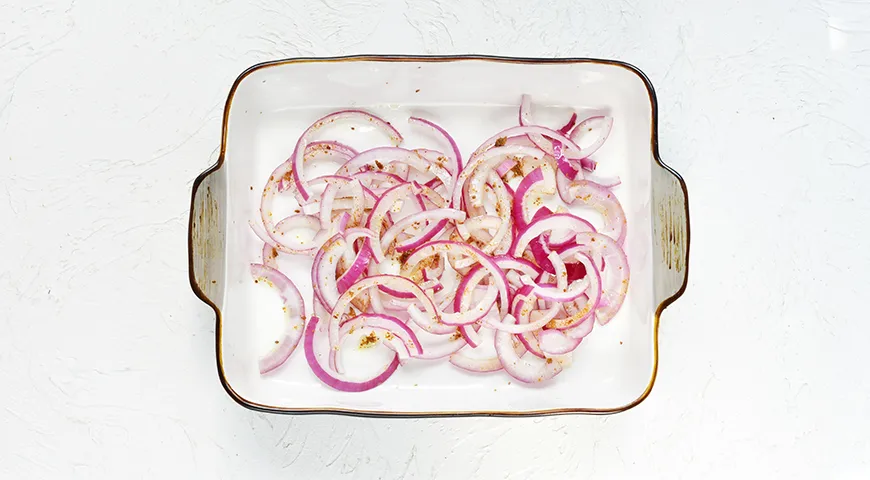
- Preheat and roast the red onions. Preheat your oven to 220°C. Peel the red onions and slice into thick half‑rings. In a bowl, toss the onions with 3 tbsp olive oil and ½ tbsp aromatic salt. Spread them in a single layer on a baking sheet and roast for exactly 5 minutes—they should soften but retain a slight bite.
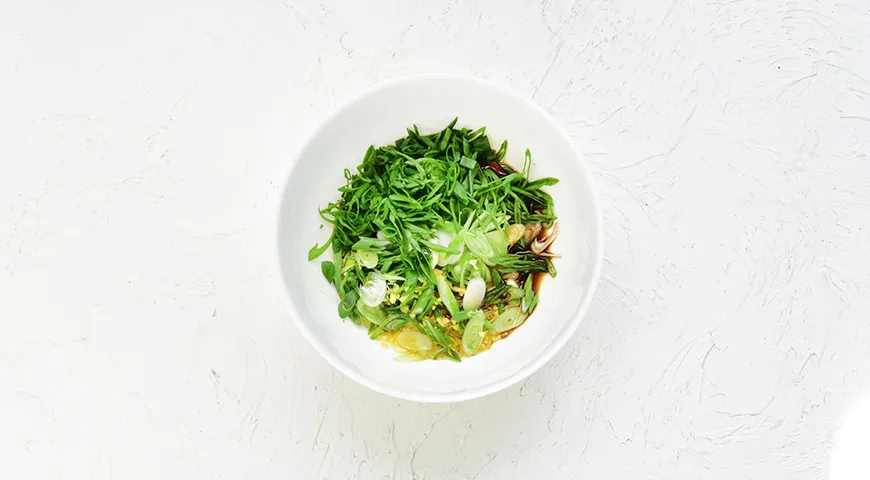
- Prepare the green onion–ginger sauce. While the onions roast, thinly slice the green onions (both white and light green parts). Peel and finely mince the ginger. Combine the green onions, ginger, soy sauce, wine vinegar, and the remaining 3 tbsp olive oil. Season with a pinch of aromatic salt. Set aside. A best non-toxic air fryer could also be used for a similar dry‑heat finish, but here we stay true to the oven.
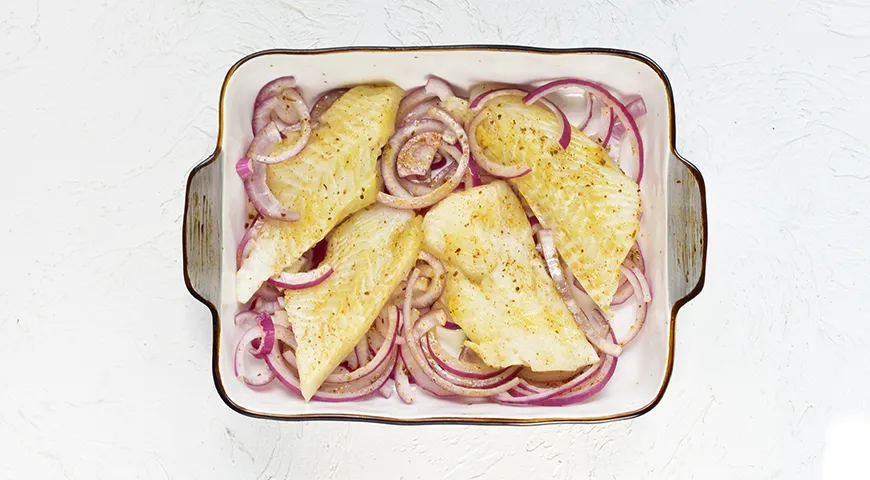
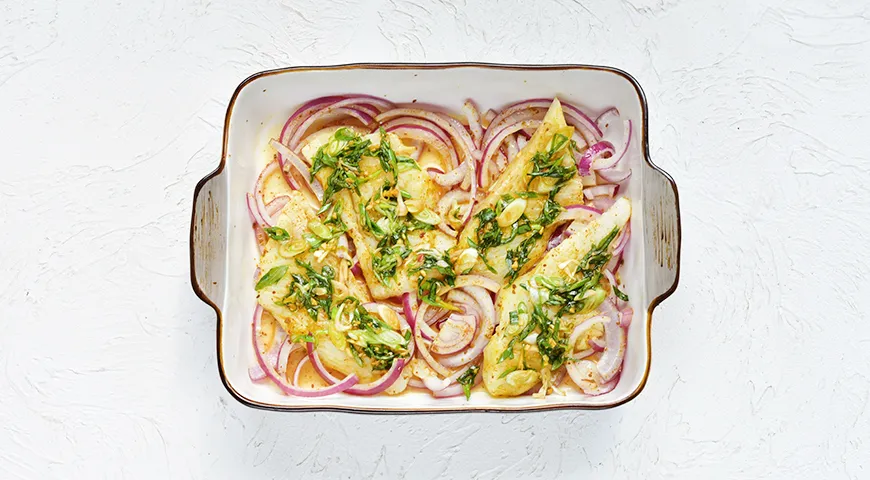
- Season and arrange the fish. Pat the fish fillets dry. Season both sides with aromatic salt, then cut each fillet in half crosswise. Remove the baking sheet from the oven and carefully nestle the fish pieces among the roasted onions, leaving the top surfaces exposed. Return the sheet to the oven for 2–3 minutes—this initial high‑heat blast seals the fish.
- Add sauce and finish roasting. Drizzle half of the green onion–ginger mixture over the fish fillets. Return the sheet to the oven and roast for another 4–6 minutes, depending on the thickness of the fish. The flesh should be opaque and flake easily with a fork. Just before serving, spoon the remaining sauce over the fish. Serve immediately over steamed rice. For consistent heat distribution, consider using a commercial countertop convection oven if you have one.
Tips for Success
Choose firm, sustainable white fish like cod, halibut, or sea bass. If your fillets are thicker than 2 cm, increase the second roasting time by 2 minutes. Use an instant-read thermometer to check for 50°C internal temperature—fish continues cooking as it rests. To avoid overcooking, pull the sheet from the oven just before the fish is fully opaque. A best microwave pressure cooker can cook rice perfectly while the fish roasts, simplifying your workflow. For leftover sauce, it keeps for a day in the fridge—try it on grilled tofu or shrimp.
Variations
This technique works beautifully with salmon or mackerel; adjust roast times accordingly. For a gluten‑free version, substitute tamari for soy sauce. Add a drizzle of sesame oil or toasted sesame seeds for extra nuttiness. If you prefer a spicy kick, stir in a teaspoon of gochugaru (Korean chili flakes) into the sauce. A 48-inch built-in refrigerator is ideal for storing fresh fish at the optimal temperature before cooking.
Frequently Asked Questions
What type of fish works best for this recipe?
Mild white fish such as cod, haddock, or sea bass work wonderfully because they absorb the flavors without overpowering them. Oily fish like salmon or trout can also be used but will require slightly longer roasting.
Can I prepare the sauce in advance?
Absolutely. The green onion–ginger mixture can be made up to a day ahead and stored in the fridge. Mix it again before using to redistribute the oil and seasonings. Store in a sealed container—a undercounter ice maker machine can keep your fridge area cool while you refresh your kitchen setup.
Is it necessary to use aromatic salt?
While regular sea salt works, aromatic salt (such as lemon–herb or smoked salt) adds an extra layer of complexity. You can make your own by grinding flaky salt with dried lemon zest, rosemary, or fennel seeds.
What should I serve alongside the fish?
Steamed jasmine or short-grain rice is traditional, but the dish also pairs well with a simple cucumber salad or steamed bok choy. For a complete meal, consider starting with a light appetizer and ending with a dessert like Catalan sponge cake for a sweet finish.
Can I use an air fryer instead of an oven?
Yes. Preheat the air fryer to 200°C. Roast the onions in the basket for 4 minutes, then add the fish and follow the same timing, checking doneness early. A best sweet wine with high alcohol content makes an excellent pairing—the sweetness balances the savory ginger sauce.
How do I prevent the fish from sticking to the pan?
Use a well-seasoned baking sheet or line it with parchment paper. The olive oil coating on the onions also helps create a non-stick surface. If using a non-toxic air fryer, the same principle applies.
What wine goes well with this dish?
A crisp, unoaked white wine like Sauvignon Blanc or Albariño complements the ginger and soy flavors. For red wine lovers, a light Pinot Noir served slightly chilled works surprisingly well. For a non-alcoholic option, try a ginger kombucha.
This Korean‑style roasted fish from David Chang is a testament to how little you need to create a spectacular meal. With the right tools—like a best espresso machine under $2000 for your post-dinner coffee—and a few pantry staples, you can bring a touch of Momofuku magic home. For more inspiration, explore our collection of simple, flavor‑forward recipes.







