


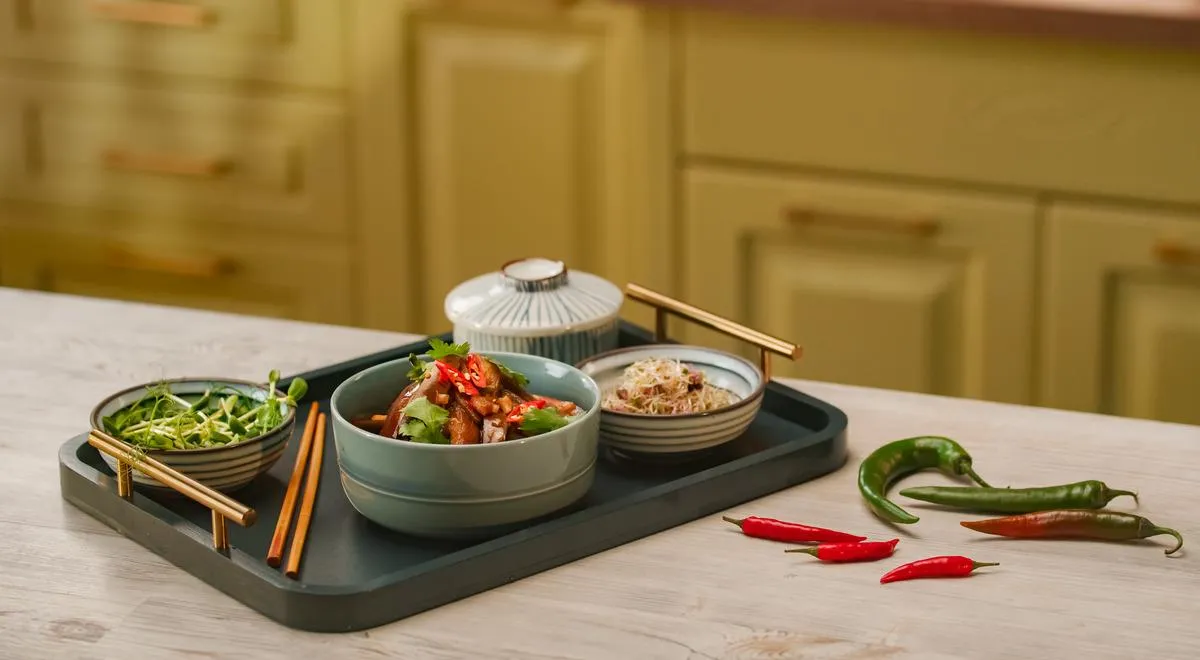
There is a quiet magic in Korean banchan—those small, flavor-packed side dishes that transform a simple meal into a symphony of tastes. Among the most beloved is this Korean eggplant appetizer, known as kadicha or gaji namul. It is a dish of contrasts: tender yet toothsome, earthy yet bright, mild yet subtly fiery. This recipe, adapted from the Russian culinary site Gastronom.ru, captures the essence of Korean home cooking with minimal ingredients and maximum flavor. The secret lies in steaming the eggplant to silky tenderness, then hand-tearing it into strips and tossing it with a piquant dressing of fresh chilies, garlic, and soy sauce. The result is a refreshing, almost addictive side that pairs beautifully with grilled meats, rice, or even a glass of sweet wine. In this article, we’ll explore the story behind the dish, the ingredients that make it sing, and step-by-step instructions to recreate it at home.

About This Korean Eggplant Appetizer
In Korean cuisine, eggplant is often steamed or blanched to preserve its delicate texture and natural sweetness. This preparation is a classic example of namul—seasoned vegetable dishes that are a staple of the Korean table. The Russian version of this recipe, published on Gastronom.ru, adds a subtle twist with the use of both red and green chilies for color and heat, along with a whisper of optional hot red pepper flakes. The technique of hand-tearing the eggplant after steaming is key: it creates uneven edges that grip the dressing, ensuring every bite is infused with flavor. For those new to Korean cooking, this dish is an excellent introduction. It requires no special equipment—just a steamer or a simple pot with a steamer basket. Once you master the method, you can experiment with variations, such as adding sesame oil or toasted sesame seeds for extra depth.
Ingredients
The beauty of this recipe lies in its simplicity. Here’s what you’ll need:
- 2 medium young eggplants with thin skin (about 350 g)
- 1 small onion (50 g)
- ½ red chili pepper (40 g)
- ½ green chili pepper (40 g)
- 2 cloves garlic (10 g)
- 2 tablespoons soy sauce (30 ml)
- 1 teaspoon vegetable oil (5 ml)
- Pinch of hot red pepper flakes (optional)
- Salt to taste
When selecting eggplants, choose ones that feel firm and heavy, with glossy, unblemished skin. Thin-skinned varieties are ideal because they eliminate the need for peeling. The combination of red and green chilies provides both heat and freshness; if you prefer a milder dish, use only half the seeds or substitute with bell pepper. For the dressing, a high-quality soy sauce (organic if possible) makes a noticeable difference. A light vegetable oil, such as grapeseed or avocado, works well. To chop the garlic and chilies quickly, consider using a glass food processor, which can handle small quantities without waste.
Step-by-Step Instructions
Follow these steps to create a perfect Korean eggplant appetizer.
Step 1: Prepare the Eggplants
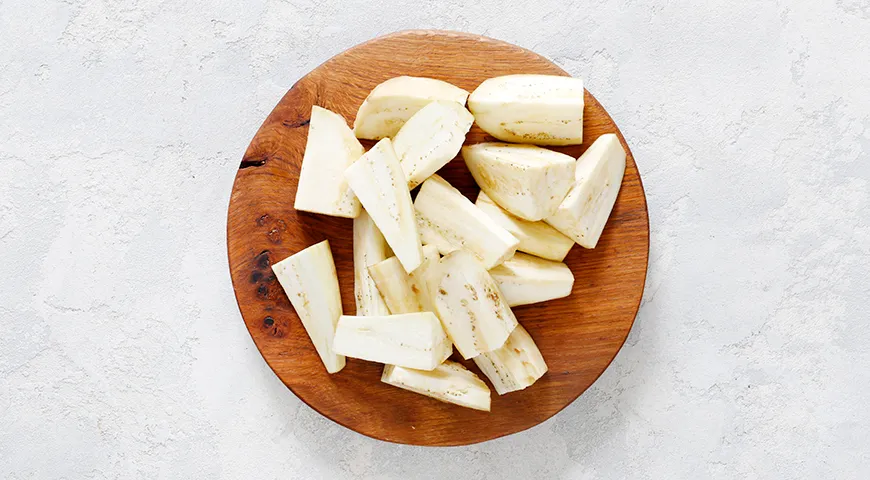
If your eggplants have thick skin, peel them first. Otherwise, leave the skin on for extra fiber and color. Cut each eggplant lengthwise into halves, then into quarters. Slice crosswise into pieces about 10 cm long. This shape ensures even steaming and a satisfying bite.
Step 2: Steam the Eggplants
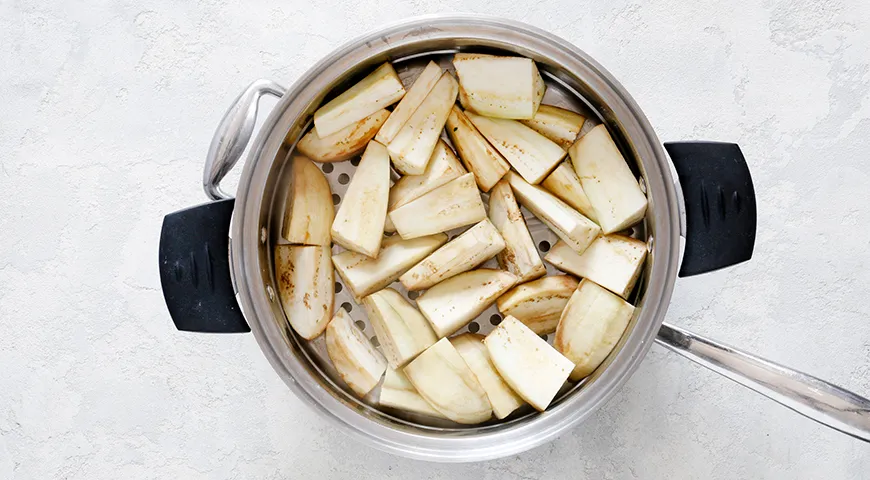
Place the eggplant pieces in a steamer basket over boiling water. Cover and steam for 8–10 minutes, until they are tender but still hold their shape. Avoid overcooking; they should be soft enough to tear easily but not mushy. Using a microwave pressure cooker is an excellent alternative for faster steaming.
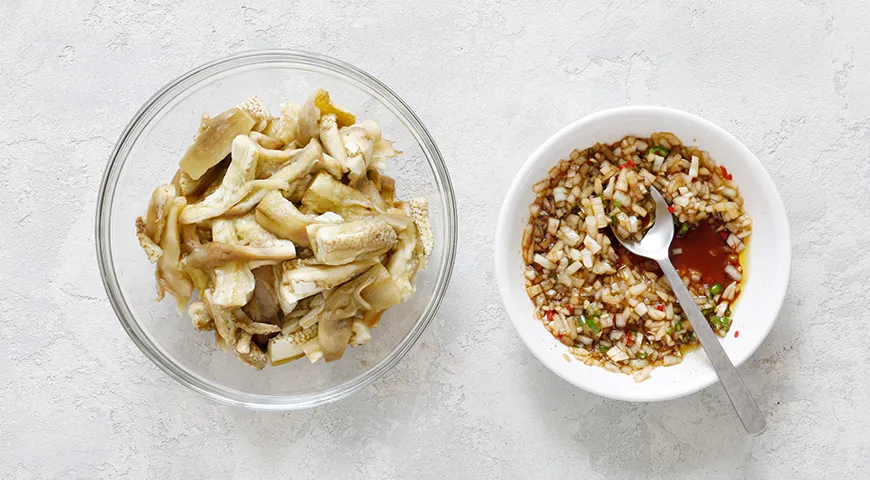
Step 3: Prepare the Dressing
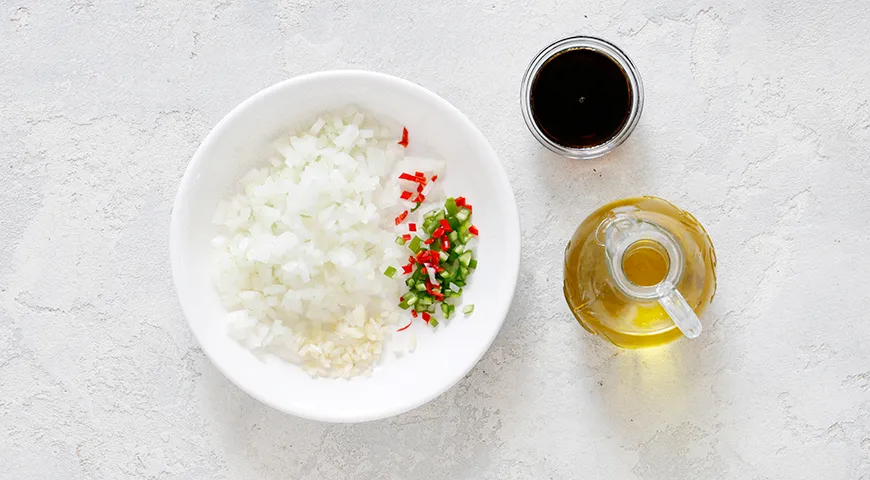
While the eggplants steam, finely chop the onion, garlic, and both chilies. Combine them in a small bowl. Add a pinch of salt, the optional hot pepper flakes, soy sauce, and vegetable oil. Stir well. For a smoother dressing, you can blitz the mixture with an immersion blender for a few seconds, though a rustic chop is traditional.
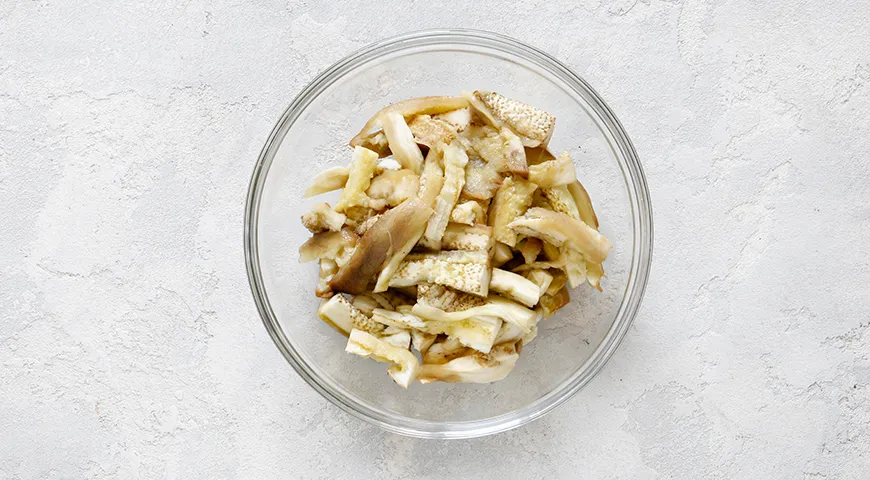
Step 4: Tear the Eggplants
Allow the steamed eggplants to cool slightly—just enough to handle. Using your hands, tear each piece lengthwise into thin, uneven strips. This rough texture helps the dressing cling to every surface. Discard any tough ends.
Step 5: Combine and Rest
Add the torn eggplant strips to the bowl with the dressing. Toss gently with your hands or a wooden spoon until every piece is coated. Let the mixture rest at room temperature for at least 10 minutes to allow the flavors to meld. Serve as a side dish or appetizer. For a festive presentation, garnish with toasted sesame seeds or a drizzle of sesame oil.
Tips for Perfect Korean Eggplant
To elevate your dish, keep these pro tips in mind:
- Choose the right eggplant: Small, young specimens with thin skin are best. Larger eggplants can be more bitter and have tougher skin—peel them if necessary.
- Don’t skip the resting time: Letting the salad sit for 10 minutes (or up to an hour) allows the flavors to deepen. It’s even better at room temperature.
- Balance the heat: The amount of chili is flexible. For a milder version, remove seeds or use only one type. For extra kick, add the optional red pepper flakes.
- Store properly: Leftovers keep in the refrigerator for up to 2 days. Bring to room temperature before serving. The texture may soften slightly, but the flavor remains vibrant.
- Use the right tools: A oil sprayer can help you control the amount of oil if you’re watching calories. For chopping, a good knife (or a food processor) is invaluable.
Variations
This versatile recipe invites creativity. Try these twists:
- Sesame Upgrade: Add 1 teaspoon toasted sesame oil and a tablespoon of toasted sesame seeds to the dressing for a nutty aroma.
- Grilled Version: Instead of steaming, grill the eggplant slices on a non-toxic air fryer or a cast-iron grill pan for a smoky flavor. Brush lightly with oil and cook until tender.
- Extra Vegetables: Include thin strips of carrot or cucumber for added crunch. Marinate them briefly with a pinch of salt before mixing.
- Protein Addition: Serve the eggplant salad over cold soba noodles with shredded chicken or tofu for a light meal.
- Spicy Gochujang: Replace the soy sauce with a mixture of gochujang (Korean chili paste) and a splash of rice vinegar for a thicker, spicier dressing.
Frequently Asked Questions
Can I make this dish ahead of time?
Yes. In fact, the flavors improve after a few hours in the refrigerator. Prepare the salad up to a day in advance, but wait to add any delicate garnishes until just before serving. Bring to room temperature for 20 minutes before serving to restore the texture.
What if I don’t have a steamer?
You can boil the eggplant pieces in salted water for 5–7 minutes, then drain well. Alternatively, use a countertop convection oven to roast the eggplant at 200°C (400°F) until soft, about 15 minutes. The texture will be slightly different but still delicious.
How do I reduce the bitterness in eggplants?
Salting cut eggplants and letting them sit for 20 minutes draws out bitter compounds. Rinse and pat dry before cooking. However, young eggplants rarely need this step. If using larger ones, choose sweet varieties like Japanese or Italian eggplants.
Can I freeze Korean eggplant appetizer?
Freezing is not recommended because the texture of steamed eggplant becomes watery and mushy upon thawing. It’s best enjoyed fresh or within two days.
What dishes pair well with this appetizer?
This bright, tangy salad complements rich proteins like grilled beef, pork belly, or fried chicken. It also works as a side for bibimbap or Korean BBQ. For a Western twist, serve it alongside a robust espresso or a chilled glass of sweet wine. The acidity cuts through fatty dishes beautifully.
Is this recipe vegan and gluten-free?
Yes, with one caveat: soy sauce contains gluten unless you use a tamari or certified gluten-free alternative. The recipe is naturally vegan. For a lower-sodium option, use light soy sauce or coconut aminos.
How do I adjust the spice level?
For a milder version, halve the chilies and remove all seeds. For more heat, add the optional red pepper flakes or a pinch of cayenne. You can also drizzle with lava flavors—a spicy chili oil—just before serving.
Korean eggplant appetizer is a testament to how simple ingredients can create extraordinary flavors. Whether you’re exploring Korean cuisine for the first time or looking for a new way to enjoy eggplant, this recipe delivers satisfaction in every bite. The combination of steaming, hand-tearing, and a punchy dressing ensures a dish that is both refined and comforting. Serve it as part of a banchan spread or as a standalone salad, and watch it disappear. For more inspiration, check out our guide to Catalan sponge cake—a perfect dessert after a Korean-inspired meal. Happy cooking!







