


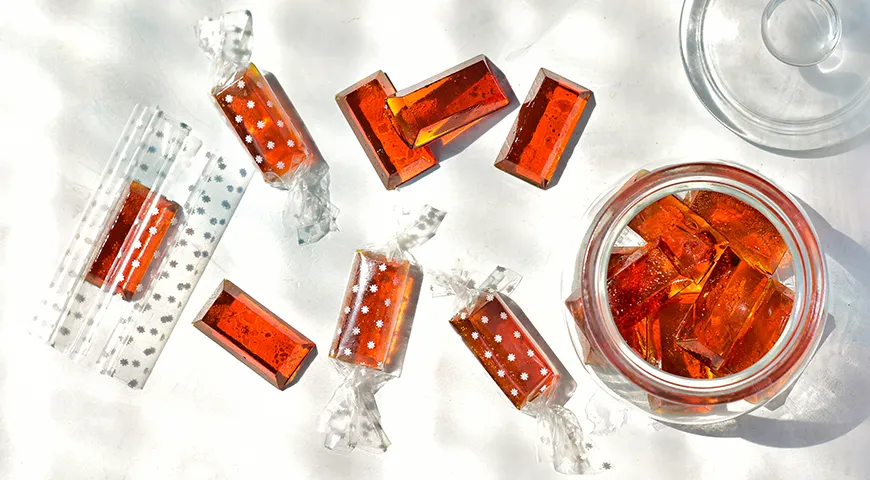
There is something deeply nostalgic about a simple sugar lollipop—the crack of the first bite, the slow melt on the tongue, the translucent amber glow. These homemade sugar lollipops (also known as lollipops from sugar) bring back the pure joy of childhood without any of the commercial additives. With only three kitchen staples—sugar, water, and a squeeze of lemon—you can create a classic candy that dazzles both children and adults. This recipe is not just about sweets; it is a lesson in the art of precision mixing and temperature control, a craft that rewards patience with a shimmering reward.
About the Recipe
Originating from the Russian tradition of homemade confections, these domashnie ledentsy are a testament to the beauty of simplicity. Unlike store-bought versions, which often rely on artificial flavors and preservatives, these lollipops offer pure, unadulterated flavor. The non‑toxic preparation ensures that every ingredient is natural and wholesome. Children will be mesmerized watching the sugar transform into a golden syrup, and the entire family can enjoy the satisfying crunch of a handcrafted treat. The recipe also allows for endless creativity—add a drop of lava flavors or natural extracts to customize the taste.

Ingredients
- Vegetable oil for greasing the molds – 1–2 tablespoons
- Granulated sugar – 210 g
- Drinking water – 50 ml
- Lemon juice – 5 ml (about 1 teaspoon)
That is it. No corn syrup, no artificial colors—just three core ingredients. The castor oil is a fine substitute for vegetable oil if you prefer a neutral, high‑smoke‑point fat.
Step‑by‑Step Instructions
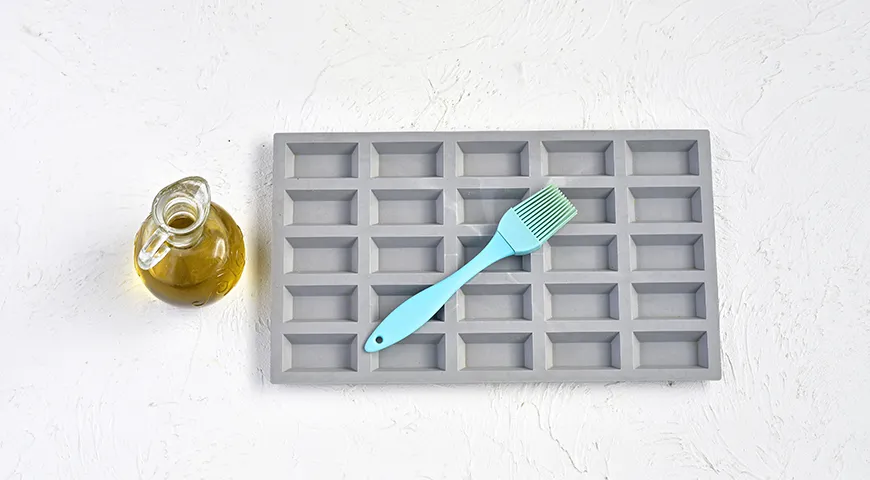
Step 1: Prepare the molds. Ideal molds are small silicone ice‑cube trays or dedicated lollipop molds. Using a pastry brush, lightly coat each cavity with vegetable oil. This ensures the lollipops release cleanly after hardening. If you prefer a more even application, an oil sprayer works beautifully.
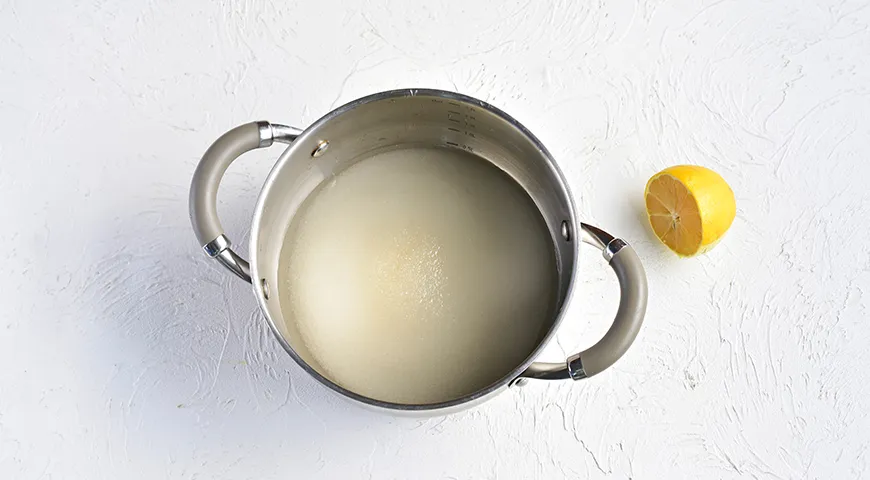
Step 2: Combine the ingredients. In a heavy‑bottomed saucepan, place the sugar, water, and lemon juice. Stir gently with a spatula to wet the sugar. Place the pan over low heat. The heavy bottom is crucial for even heat distribution—a glass stovetop works excellently with a quality pan.
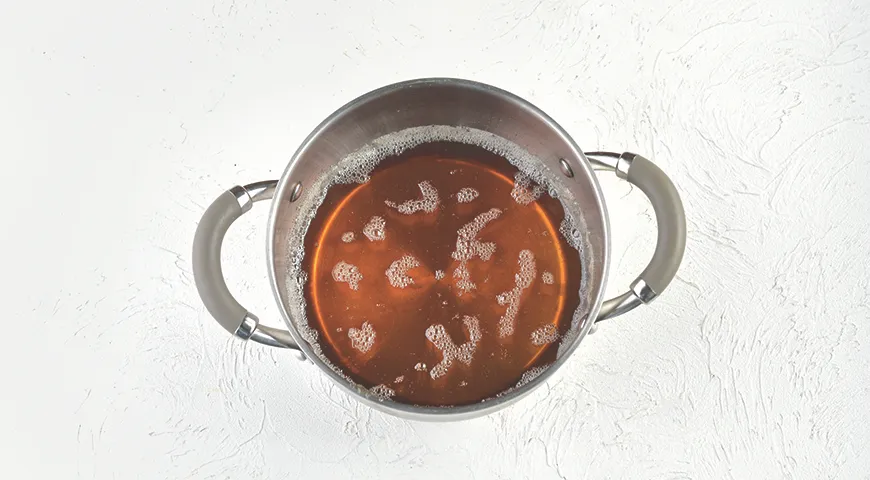
Step 3: Cook to the hard‑crack stage. Bring the mixture to a boil, then reduce to a simmer. Stir constantly to prevent scorching. After about 7 minutes, the syrup will turn a beautiful golden‑brown and the bubbles will become tiny. The correct temperature is 150°C (300°F). If you do not have a candy thermometer, proceed to the next step.
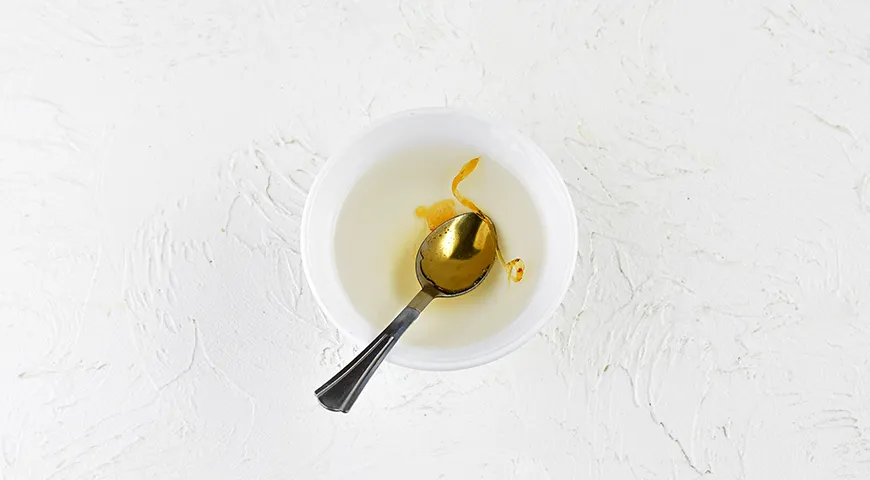
Step 4: Test for a hard ball. Remove the pan from heat. Fill a small bowl with very cold water. Drop half a teaspoon of syrup into the cold water—if it forms a firm, hard ball that cracks when bitten, the syrup is ready. If not, return to low heat and cook a little longer, testing frequently. This manual test is foolproof and requires no special equipment; however, an ice maker can provide a steady supply of cold water.
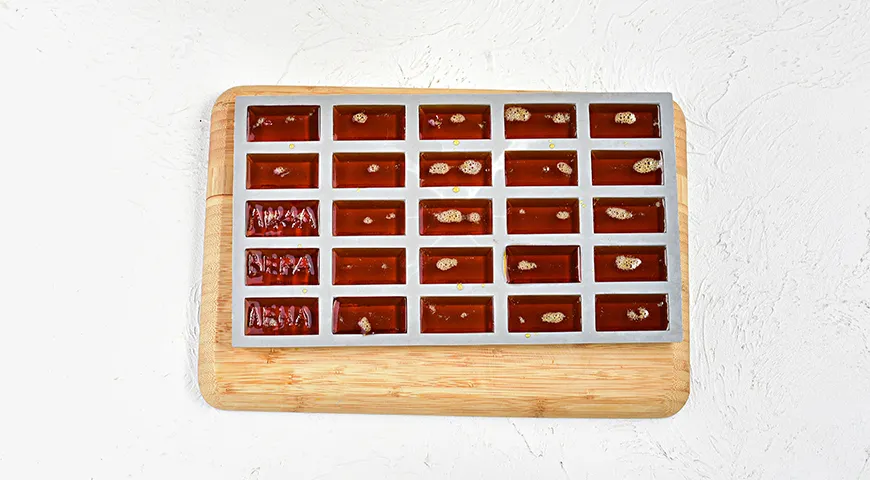
Step 5: Form the lollipops. Carefully pour the hot syrup into the prepared molds. If desired, insert thin wooden sticks or paper lollipop sticks before the syrup sets. Let the lollipops cool undisturbed at room temperature or in a cool place until completely firm. Once solid, gently pop them out. Serve immediately or store in an airtight container. For a more professional finish, use a convection oven on the lowest setting to keep them warm if you are working in batches.
Tips for Perfect Lollipops
- Use a heavy‑bottomed pan: Even heat prevents sugar from burning. A microwave pressure cooker is not suitable here, but a good stainless‑steel saucepan is ideal.
- Do not stir too vigorously once boiling: Crystals can form; gentle swirling is enough.
- Work quickly: The syrup sets fast; have your molds ready before you start.
- For non‑stick success: Grease generously. If using metal molds, line with parchment.
- Experiment with sticks: Wooden skewers or Catalan sponge leftovers can be used as handles.
Variations
The basic sugar lollipop is a blank canvas. Infuse the syrup with organic vodka for an adult‑only version (remember, alcohol will boil off, leaving only the botanical essence). Add a drop of chocolate‑covered raisin extract for a sweet twist. You can also tint the syrup with natural food colorings or dip the finished lollipops in crushed coffee beans for a sophisticated finish. For a festive look, sprinkle edible glitter while the syrup is still warm.
Frequently Asked Questions
Can I use brown sugar instead of white?
Yes, but the flavor will be deeper, more caramel‑like. The lollipops will also be darker, and the cooking time may vary slightly. Adjust the temperature test accordingly.
Why did my lollipops turn out cloudy?
Cloudiness is usually caused by sugar crystals forming during cooking. Use a clean pan, avoid stirring after the boil, and add the lemon juice to inhibit crystallization. A refrigerant leak detector won't help here, but a candy thermometer will.
How do I store homemade lollipops?
Keep them in an airtight container at room temperature, away from moisture. They will stay crisp for up to two weeks. Do not refrigerate—they may become sticky.
Can I make these without a candy thermometer?
Absolutely. The cold‑water test described in Step 4 is reliable. Once the syrup reaches 150°C (hard‑crack stage), it will form a hard ball that does not flatten in water. Practice makes perfect.
Are these lollipops safe for children to make?
Children can watch the mesmerizing transformation, but the hot syrup (150°C) is extremely dangerous. Keep little hands away from the stove and pouring area. Use a non‑toxic air fryer for other kid‑friendly projects.
Making homemade sugar lollipops is a rewarding kitchen adventure that connects us to the simple pleasures of candy‑making. With just three ingredients and a touch of patience, you create a treat that is both nostalgic and entirely your own. Whether you enjoy them as a solo indulgence or share them at a party, these lollipops prove that the best things in life are often the simplest.
If you loved this recipe, explore more sweet wine pairings or learn about cold‑pressed juicers for healthier treats. Happy candy‑making!







