


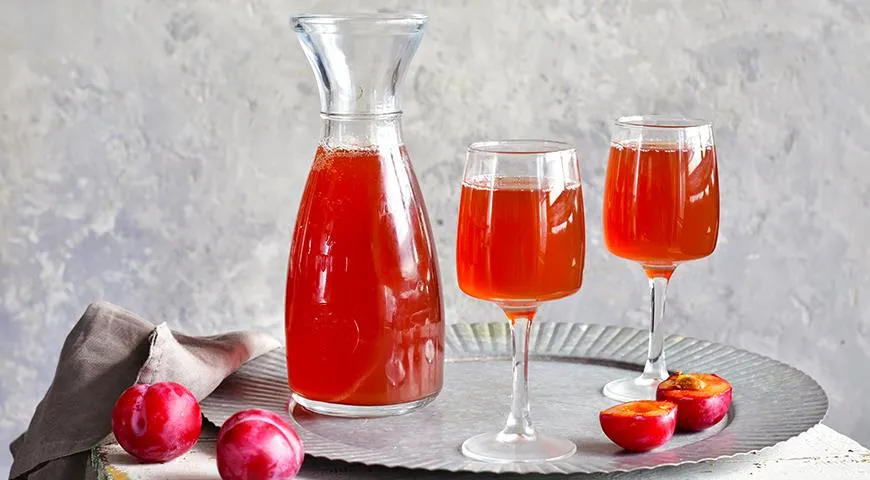
Homemade plum wine is a revelation—far removed from the mass‑produced, often synthetic versions found on store shelves. While many commercial offerings masquerade as Japanese or Chinese imports, authentic plum wine has been crafted in China for centuries, using yellow plums steeped in fruit alcohol. Our version, however, stays true to natural fermentation, yielding a light, elegant wine that is both delicate and deeply flavorful. This recipe harnesses the natural sweetness of red plums and transforms them into a beverage that begs to be shared. For more inspiration on fermentation and fruit‑based beverages, explore our guide to the best sweet wine with high alcohol content.
About This Recipe
Plum wine is a celebration of contrasts—sweet yet tart, rustic yet refined. This homemade version relies on simple ingredients and patience, allowing the fruit’s character to shine. Unlike quick fortified wines, this naturally fermented brew requires minimal equipment but delivers maximum complexity. The result is a gently alcoholic, fruit‑forward wine perfect for pairing with cheese, desserts, or sipping on a warm evening. If you’re new to home fermentation, consider reading about the best steam canner for safe bottling, or the best non‑toxic immersion blender for pureeing plums for other recipes.

Ingredients
- 5 kg red plums (ripe but firm)
- 1.6 kg granulated sugar
- 4 L drinking water
Step‑by‑Step
Step 1: Prepare the Plums
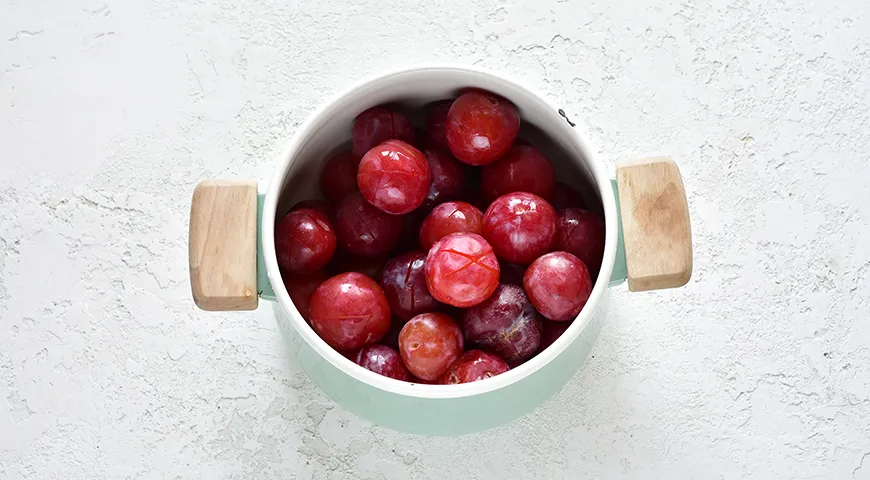
Sort through the plums, discarding any damaged or mouldy fruits. Wash the remaining plums, then cut a shallow cross on each one (this helps release juice). Place them in a large enamel pot or food‑grade bucket.
Step 2: Initial Fermentation
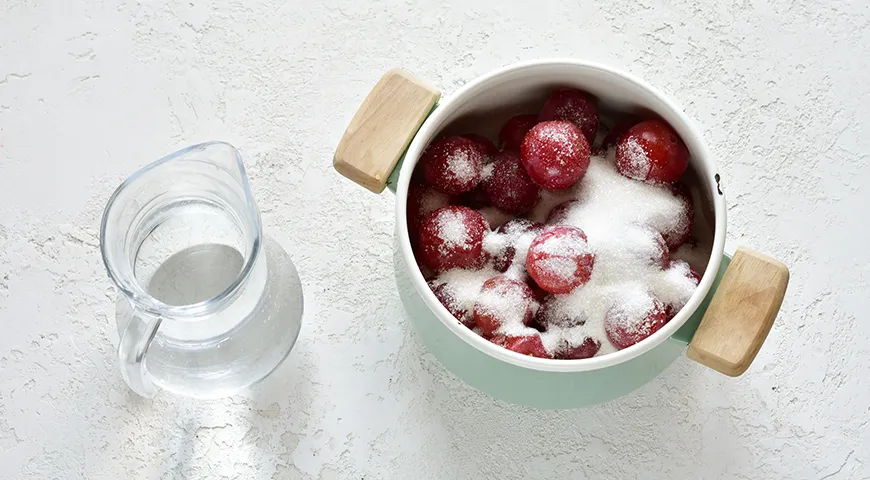
Add the sugar and warm water to the plums. Stir gently to dissolve the sugar. Cover the container loosely with a lid or cloth, and place it in a warm spot (at least 20°C) for 5 days. Stir the mixture once or twice daily to encourage even extraction.
Step 3: Strain and Set Up for Secondary Fermentation
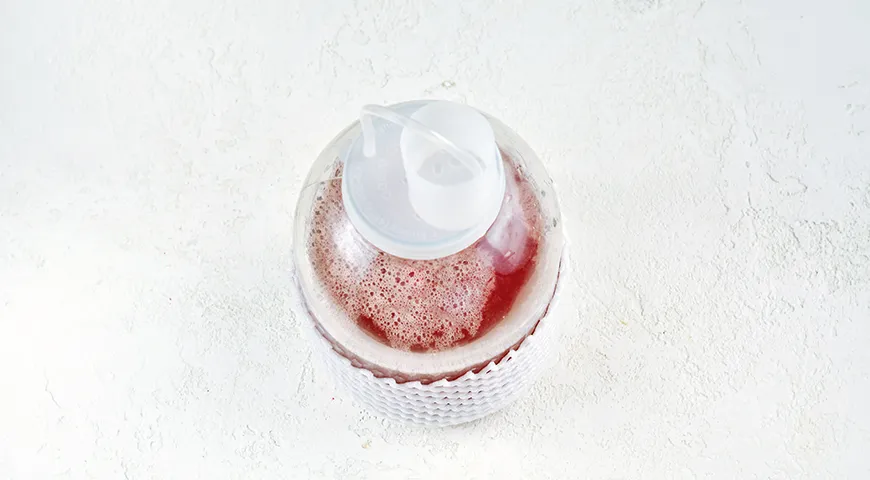
After 5 days, strain the must through a fine‑mesh colander into a clean pot. Discard the solids. Pour the liquid into large glass jars, leaving about 20% headspace. Fit each jar with a plastic lid and airlock (or a clean balloon with a pinprick). Place the jars in a dark, warm location (22–27°C) for 3 weeks.
Step 4: First Racking
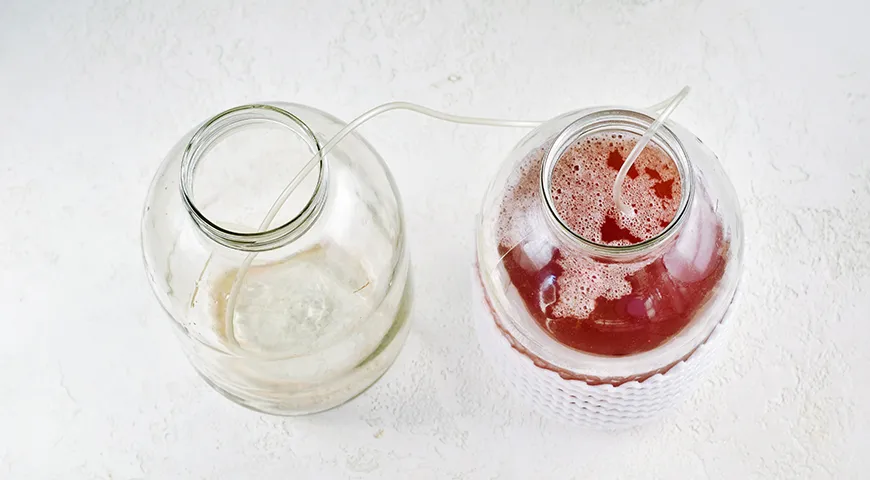
After 3 weeks, carefully siphon the young wine into a clean jar using a silicone tube. Insert the tube about 5 cm from the bottom to avoid disturbing the sediment. Leave the sediment behind.
Step 5: Second Racking and Clarification
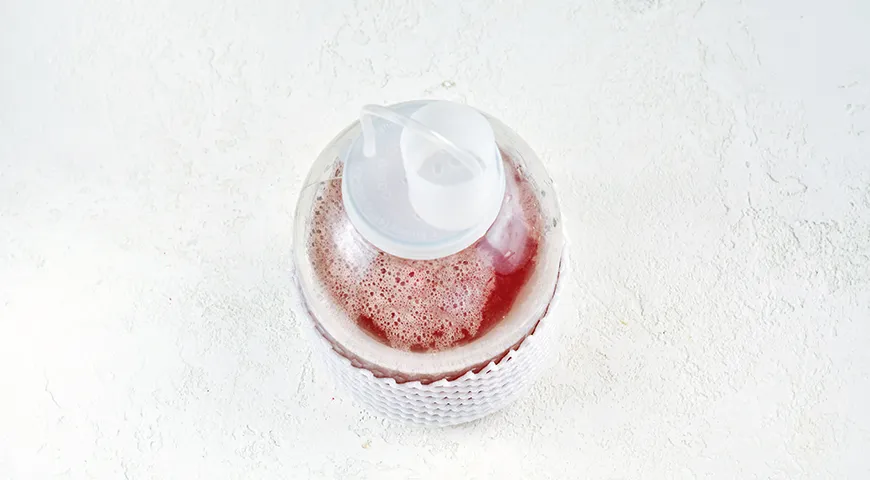
Replace the airlock and leave the wine in a warm spot for another 10 days. Siphon again using the same tube method. Let it rest for a final 10 days.
Step 6: Bottling and Aging
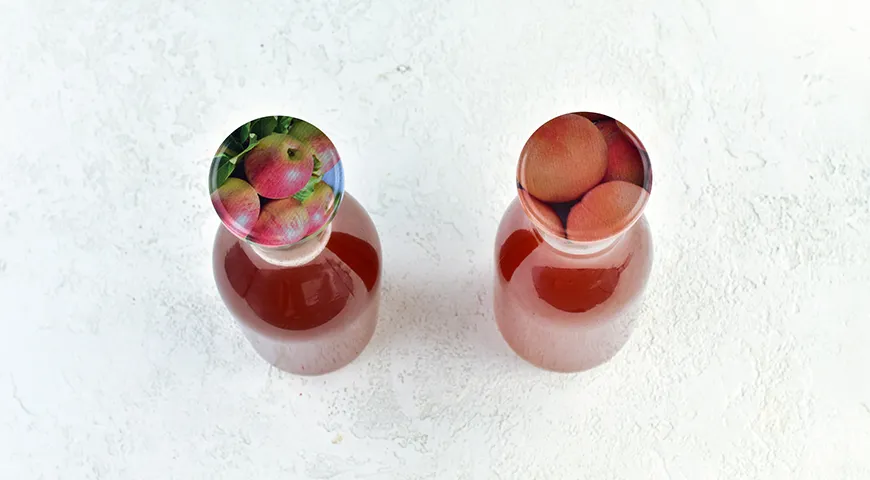
Siphon the clear wine into sterilised bottles, leaving no sediment. Seal with corks or screw caps. Store in a cool, dark place for at least 3 months. The wine will continue to develop complexity over time.
Tips for Success
Always use ripe, unblemished plums—they contain the natural yeasts and sugars needed for fermentation. Keep all equipment scrupulously clean to avoid off‑flavours. If you’re having trouble with consistency, a best planetary mixer can help mash plums for other projects, and a best oil sprayer keeps your surfaces lightly lubricated during preparation. For a smoother finish, consider using a best wheatgrass juicer to extract plum juice (though the method here is traditional).
Variations
Add a vanilla bean or a cinnamon stick during the first maceration for spiced plum wine. For a drier style, reduce sugar to 1 kg. For a sweeter, dessert‑style wine, increase sugar to 2 kg and ferment longer. You can also blend with other fruits like cherries or damsons. Explore pa de pessic Catalan sponge for a perfect pairing dessert.
Serving Suggestions
Serve chilled in small tulip glasses to concentrate aromas. Pair with roasted pork, blue cheese, or dark chocolate. For an elegant touch, float a frozen plum slice in each glass. If you love experimenting, read about best air fryer non‑toxic for making plum chips, or the best coffee maker for Airbnb to complement breakfast.
FAQ
How long does homemade plum wine last?
Properly sealed and stored in a cool, dark place, it can keep for 1–2 years. Over time, flavours become more mellow and complex. Use a best chocolate covered raisins for a sweet snack alongside.
Can I use yellow or green plums?
Yes, but adjust sugar accordingly—yellow plums are sweeter, green plums more tart. The result will differ in colour and acidity. For another fermented fruit project, try best organic vodka infusions.
Why is my wine cloudy?
Cloudiness usually indicates residual yeast or pectin. Age longer or use a fining agent like bentonite. A best 48‑inch built‑in refrigerator can help maintain a stable cold temperature for clearing.
Do I need a wine press?
No, the simple straining method works fine. For larger batches, a best food processor for nut butter is overkill but could be repurposed for crushing plums (not recommended for wine).
What if I don’t have an airlock?
Prick a small hole in a clean balloon and stretch it over the jar mouth—this acts as a simple one‑way valve. For reliable equipment, check our best undercounter ice maker machine for cooling drinks.
Can I make this into sparkling wine?
Yes, bottle the wine before fermentation is complete (about 2 weeks after second racking) and seal tightly. Use champagne bottles. Be cautious of pressure buildup. Learn more from best refrigerant leak detector for safety.
Is the alcohol content high?
Typically around 10–12% ABV, similar to a light table wine. For a stronger version, add extra sugar before the first racking. The best espresso machine under 2000 will not help here, but a hydrometer will.







