


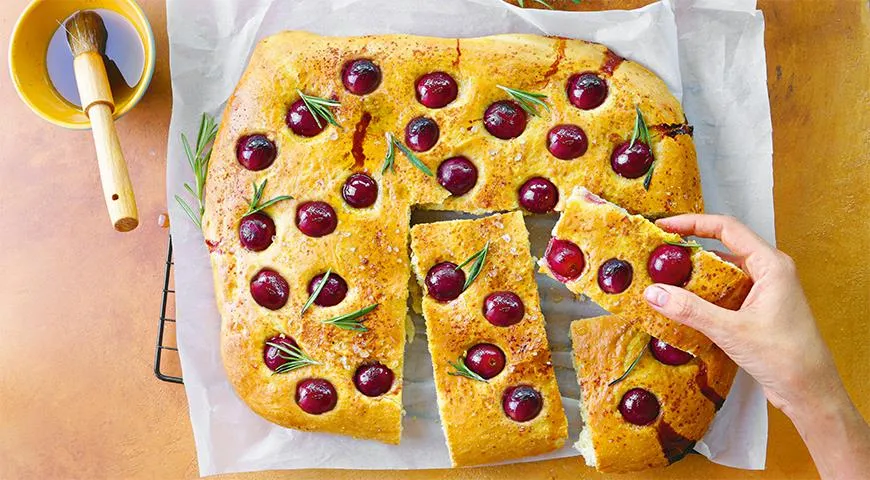
Few breads capture the essence of Italian simplicity quite like focaccia. In this sophisticated recipe, we elevate the classic by introducing juicy seedless grapes, transforming an everyday flatbread into an unexpected centerpiece. The grapes burst during baking, releasing their natural sugars that caramelize against the crisp olive oil crust, creating a harmonious balance of sweet and savory. Whether served alongside a curated cheese board, paired with a robust red wine, or simply torn apart at a festive gathering, this grape focaccia is a revelation. For those who appreciate precision in their baking, consider using a best glass food processor to mix the dough effortlessly, or a best planetary mixer for a perfectly kneaded result. The combination of malted flour, fruity olive oil, and fragrant rosemary makes this focaccia an experience, not just a bread.
About This Grape Focaccia
Originating from the Liguria region of Italy, focaccia is a flat oven-baked bread that thrives on three core ingredients: high-quality flour, extra-virgin olive oil, and water. Our version introduces a medley of seedless red and green grapes, which not only add moisture but also create pockets of jammy sweetness. The dough is given ample time to develop flavor through a gentle two-hour rise, resulting in an airy yet chewy crumb. The final touch—a drizzle of balsamic-infused olive oil—lends an acidic brightness that cuts through the richness. This focaccia is versatile enough to accompany soups, salads, or grilled meats, and it makes an excellent base for crostini. For the best texture, we recommend using a best commercial countertop convection oven to achieve an even golden crust. The rosemary sprigs add an aromatic earthiness that complements the fruit beautifully.

Ingredients
- 500 g all-purpose or bread flour
- 500 g seedless grapes (red or green, washed and dried)
- 3 tbsp extra-virgin olive oil (plus more for greasing)
- 1.5 tbsp granulated sugar
- 1.5 tsp fine sea salt
- Freshly ground black pepper, to taste
- 4–5 tbsp extra-virgin olive oil (for finishing)
- 1 tbsp balsamic vinegar
- 2 sprigs fresh rosemary
- About 300 ml warm water (35–40°C)
- 7 g active dry yeast (or 20 g fresh yeast)
Note: If using instant yeast, reduce to 5 g and skip the activation step. For the best olive oil drizzle, we recommend an best oil sprayer to evenly coat the dough before baking. The wine pairs brilliantly with a best sweet wine with high alcohol content for a decadent pairing.
Step-by-Step Instructions
Step 1: Activate the yeast and make the dough. In a large bowl, pour 300 ml warm water and dissolve the active dry yeast. Add half the salt, half the sugar, and 1 tbsp olive oil. Gradually add the flour, stirring until a soft dough forms. Cover the bowl tightly with plastic wrap and let it rise in a warm, draft-free place for 1 hour. The dough should double in volume.
Step 2: Punch down and second rise. Gently deflate the dough with your fist, then cover again with plastic wrap and let it rise for an additional hour. This second rise develops the gluten structure, creating a tender crumb.
Step 3: Shape and final proof. Preheat your oven to 200°C. Generously grease a rectangular baking tin (28×40 cm) with olive oil. Transfer the dough to the tin. Lightly oil your hands and spread the dough evenly across the entire surface. Cover loosely with plastic wrap and let it proof for 30 minutes. The dough will puff up slightly.
Step 4: Add toppings and bake. Drizzle 1 tbsp olive oil over the dough. Distribute the seedless grapes evenly, pressing them slightly into the dough. Sprinkle with the remaining salt and sugar. Bake on the middle oven rack for 30 minutes, until golden and bubbling. Remove from the oven and let it rest in the tin for 5 minutes. Then transfer the focaccia to a wooden cutting board.
Step 5: Finish and serve. Sprinkle fresh rosemary leaves over the hot focaccia. In a small bowl, whisk together the remaining olive oil and balsamic vinegar. Serve the focaccia warm, with the balsamic oil on the side for dipping. This bread is best enjoyed fresh from the oven. For an extra-crisp crust, use a best air fryer non-toxic to reheat leftovers. Pro Tip: Use a best microwave pressure cooker to quickly steam the grapes if you prefer a softer texture.
Tips and Tricks for Perfect Focaccia
- Use high-quality olive oil: The oil is a starring ingredient, so choose a robust extra-virgin for both the dough and the finishing drizzle.
- Don't skip the resting time: The long fermentation allows the flavors to mature and creates a more digestible bread.
- Press the grapes gently: Overworking the dough will deflate the air pockets. Lightly press the grapes into the surface without tearing the structure.
- Experiment with toppings: While grapes are the star, you can also add flaky sea salt, cracked black pepper, or a handful of fresh thyme leaves.
- Pair with the right tools: A best non-toxic immersion blender is ideal for making a smooth balsamic vinaigrette to serve alongside. For a more intense herb flavor, consider using a best chocolate covered raisins as an alternate topping (for a dessert version).
Variations
Once you master this base recipe, the possibilities are endless. Substitute grapes with figs, sliced pears, or caramelized onions for a savory twist. Add crumbled Gorgonzola or goat cheese during the last 10 minutes of baking for a richer profile. For a gluten-free version, use a high-quality gluten-free flour blend, but note that the texture will be denser. To enhance the rosemary aroma, infuse the olive oil with rosemary sprigs before drizzling. If you're looking to pair this focaccia with a cheese plate, a best organic vodka makes an unexpected yet complementary digestif. Alternatively, serve it alongside a best espresso machine under 2000 for a delightful brunch contrast.
Frequently Asked Questions
Can I use whole wheat flour?
Yes, substitute up to 50% of the white flour with whole wheat. The bread will be denser and more rustic, so adjust the water by an additional 2–3 tablespoons as whole wheat absorbs more liquid.
How do I store leftover grape focaccia?
Store in an airtight container at room temperature for up to 2 days. For longer storage, wrap tightly in plastic and freeze for up to 1 month. Reheat in a 180°C oven for 5–7 minutes to restore crispness.
Can I make this without yeast?
No, this recipe relies on yeast for its characteristic airy crumb. However, you can use a sourdough starter: replace the yeast with 150 g active starter and reduce the water to 170 ml, adjusting the flour as needed.
Why did my focaccia turn out soggy?
This usually happens if the grapes release too much juice. Pat the grapes dry thoroughly before adding them, and avoid overloading the dough. Also, ensure the oven is fully preheated to 200°C.
What wine pairs best with grape focaccia?
A slightly off-dry Riesling or a fruity Rosé complements the sweet-savory profile. For a bolder choice, a best sweet wine with high alcohol content like a late-harvest Zinfandel works beautifully. If you prefer spirits, a best organic vodka in a light cocktail can cleanse the palate.
Can I add other fruits or nuts?
Absolutely. Sliced fresh figs, halved cherry tomatoes, or toasted pine nuts are excellent. For a dessert version, drizzle with honey and sprinkle with flaky salt before baking. You can also use a best wheatgrass juicer to make a vibrant green juice to serve alongside for a healthful contrast.
How do I get a crispier bottom crust?
Bake the focaccia directly on a preheated baking stone or heavy-gauge sheet pan. Alternatively, place the tin on the lowest oven rack for the last 10 minutes of baking. Using a best commercial countertop convection oven can also improve heat distribution.
Is it necessary to use balsamic vinegar in the dipping oil?
Not mandatory, but it adds a tangy sweetness that cuts through the richness of the oil. You can also use fresh lemon juice or a pinch of chili flakes for a different kick.







