


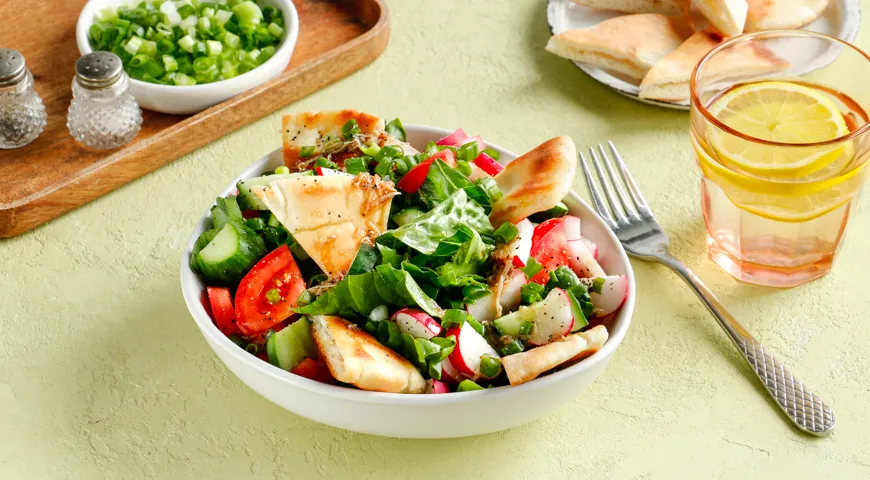
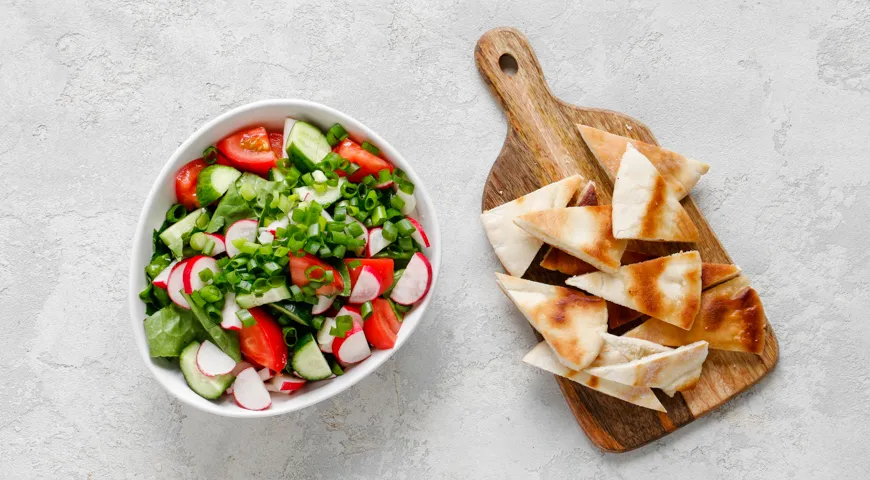
Fattoush is a beloved Levantine salad that celebrates texture and freshness like no other. Its name derives from the Arabic word for crumbs, a nod to the star ingredient: crispy fried pieces of flatbread tossed among a garden of vegetables and fragrant herbs. While many salads rely on a mountain of greens, Fattoush keeps the bread modest yet essential, providing a satisfying crunch that contrasts beautifully with the juicy vegetables. This recipe, adapted from Gastronom.ru, stays true to tradition while offering a simple, approachable method for home cooks. The dressing, a garlicky lemon and olive oil emulsion spiked with sumac and dried mint, ties everything together. Use any vegetables you have on hand, but don’t skip the sumac; its tangy, lemony notes are irreplaceable.
About Fattoush Salad
Originating from Lebanon, Syria, and Palestine, Fattoush is a rustic salad traditionally made with stale pita bread fried or toasted until golden. It is a resourceful way to use leftover flatbread while creating a dish that is both refreshing and hearty. The combination of crisp romaine, ripe tomatoes, cucumber, radish, and green pepper delivers a cool, hydrating base, while the fried bread adds a warm, crunchy element. The dressing is remarkably simple yet powerful: garlic, lemon juice, olive oil, dried mint, and sumac. Sumac, a deep red spice made from dried sumac berries, gives a tartness that mimics lemon but with an earthy complexity. This salad is often served as part of a mezze spread or as a light lunch. For a deeper dive into similar Mediterranean-inspired dishes, explore our Catalan sponge cake recipe for a sweet finish.

Ingredients
For the salad and dressing, gather the following fresh and pantry staples. All measurements are metric.
- 1 pita (or tortilla, or a 20 cm piece of thin lavash)
- 4–5 Romaine lettuce leaves (100 g)
- 1 large tomato (200 g)
- 1 medium cucumber (50 g)
- 3–4 radishes (50 g)
- 1 small green sweet pepper (50 g)
- 3 spring onions (20 g)
- 3–4 sprigs parsley (10–15 g)
- Olive oil
- 2 garlic cloves (10 g)
- 2 tbsp lemon juice (30 ml)
- 0.3 tsp (2 g) dried mint
- 0.3 tsp (2 g) sumac
- Salt
- Freshly ground black pepper
High-quality olive oil is essential here; consider using an oil sprayer to evenly coat the bread during frying. For the best fresh produce, a built-in refrigerator keeps your greens crisp.
Step-by-Step Instructions
Step 1: Prepare the Dressing
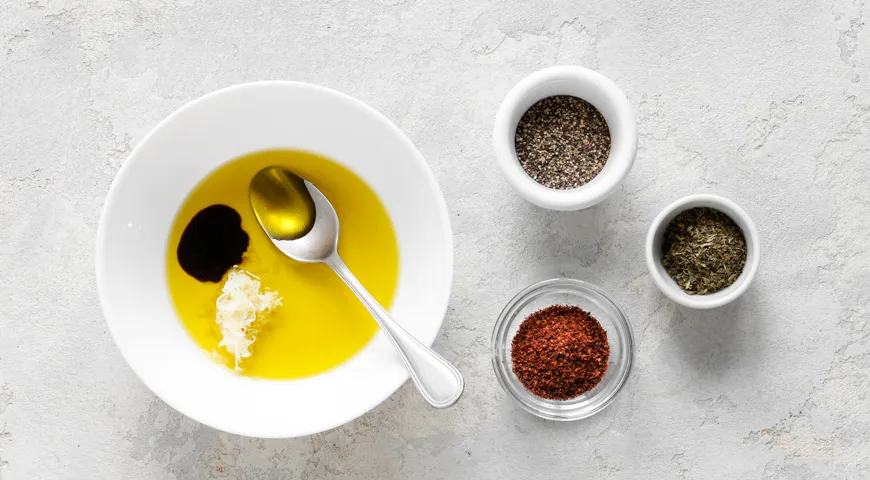
Crush the garlic cloves, peel them, and mince finely. In a small bowl, combine the minced garlic with lemon juice, olive oil, dried mint, sumac, salt, and freshly ground black pepper. Whisk until emulsified. Set aside to allow the flavors to meld. For a smoother dressing, a non-toxic immersion blender can help create a stable emulsion.
Step 2: Fry the Flatbread
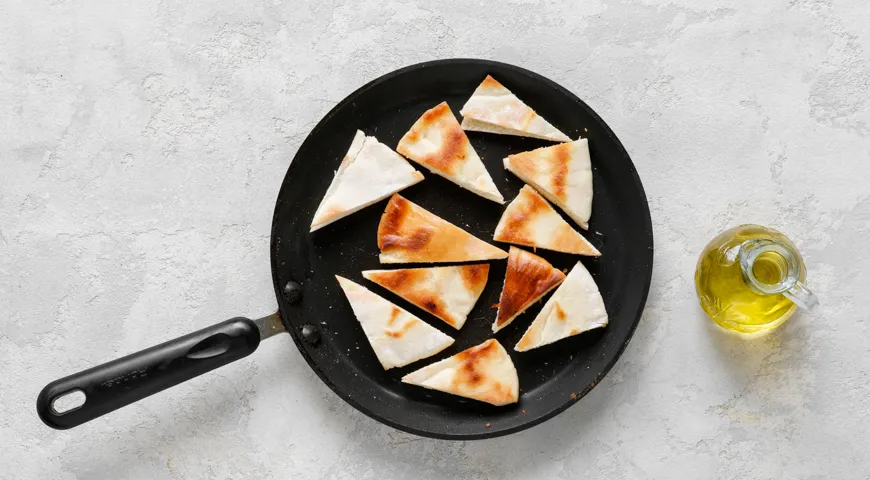
Cut the pita or lavash into small pieces, preferably triangular shapes. Heat a thin layer of olive oil in a skillet over medium heat. Fry the bread pieces until golden and crispy, turning occasionally. Transfer to a paper towel-lined plate to drain excess oil. The bread should be crunchy but not burnt. A non-toxic air fryer can also achieve this with less oil.
Step 3: Chop the Vegetables
Wash and dry all vegetables. Tear or cut the romaine lettuce into bite-sized pieces. Dice the tomato, cucumber, radishes, and seeded green pepper into small cubes. Aim for uniformity so each forkful includes a bit of everything. For efficient chopping, a best glass food processor can speed up prep work.

Step 4: Slice Herbs
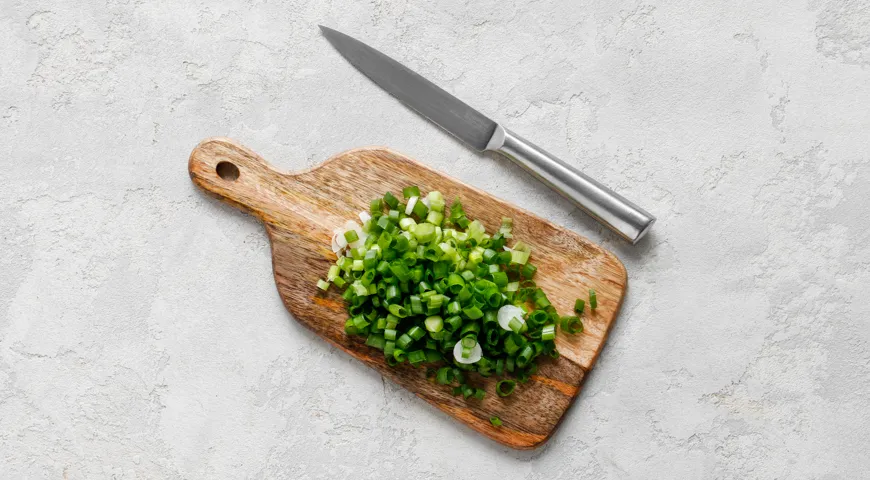
Slice the spring onions very thinly, using both white and green parts. Finely chop the parsley leaves. These fresh herbs add layers of flavor and color. Keep them separate until the final assembly.
Step 5: Assemble and Serve
In a large bowl, combine all the chopped vegetables, lettuce, spring onions, and parsley. Pour the prepared dressing over the salad and toss gently to coat. Just before serving, sprinkle the fried flatbread pieces on top. Serve immediately to preserve the bread’s crunch. If you prefer a warm bread contrast, consider using a commercial convection oven to heat the pita before frying.
Tips for the Perfect Fattoush
For the best texture, fry the bread just before serving; soggy flatbread defeats the purpose. Use a heavy skillet or a planetary mixer is not needed here, but if you’re making a large batch, a wheatgrass juicer is unrelated—stick to simple tools. Adjust the sumac amount to your tartness preference. If sumac is unavailable, a squeeze of extra lemon juice can substitute, but the depth will differ. To keep the salad from wilting, dress it only when ready to eat. For a more robust meal, add grilled chicken or chickpeas. Pair with a glass of sweet wine with high alcohol content for a surprising contrast.
Variations to Explore
Fattoush is endlessly adaptable. Substitute romaine with arugula or mixed greens. Add crumbled feta cheese for creaminess. Use gluten-free tortillas if needed. Roast the vegetables for a warmer version. The dressing also works well on grilled kebabs—check our best store-bought au jus for prime rib for a different application. You can also incorporate pomegranate seeds for bursts of sweetness. For a spicy kick, add chopped jalapeño. The possibilities are limited only by your pantry.
Frequently Asked Questions
Can I make Fattoush ahead of time?
You can chop all vegetables and prepare the dressing in advance. However, do not add the fried bread or dressing until just before serving to avoid sogginess. Store components separately in the refrigerator.
What type of flatbread works best?
Traditional pita is ideal, but tortillas, lavash, or naan also work. Choose a thin bread that fries up crunchy. Thick breads may stay chewy. For even toasting, a wall oven microwave combo with air fryer can be used.
Is sumac essential?
Yes, sumac provides the signature tangy flavor that defines Fattoush. If you must omit, use a mix of lemon zest and extra lemon juice, but the result will be different. You can find sumac in Middle Eastern markets or online.
Can I use dried mint instead of fresh?
This recipe calls for dried mint in the dressing, which is traditional. Fresh mint can be added to the salad as a garnish for extra aroma.
How do I make this salad vegan?
It already is vegan! The dressing contains no dairy, and the bread is plant-based. For a protein boost, add food processor for nut butter to make a chickpea puree, but that’s optional.
What main dishes pair well with Fattoush?
Serve alongside grilled lamb, chicken shawarma, or falafel. It also complements spicy dishes. Consider a best organic vodka cocktail for a refreshing drink pairing.
This Fattoush salad captures the essence of Levantine cooking: fresh, bright, and resourceful. The fried flatbread transforms humble ingredients into a memorable dish. Whether you serve it as a starter or a light lunch, it brings crunch and zest to any table. For more culinary inspiration, explore our espresso machine under $2000 for a perfect after-dinner coffee.







