


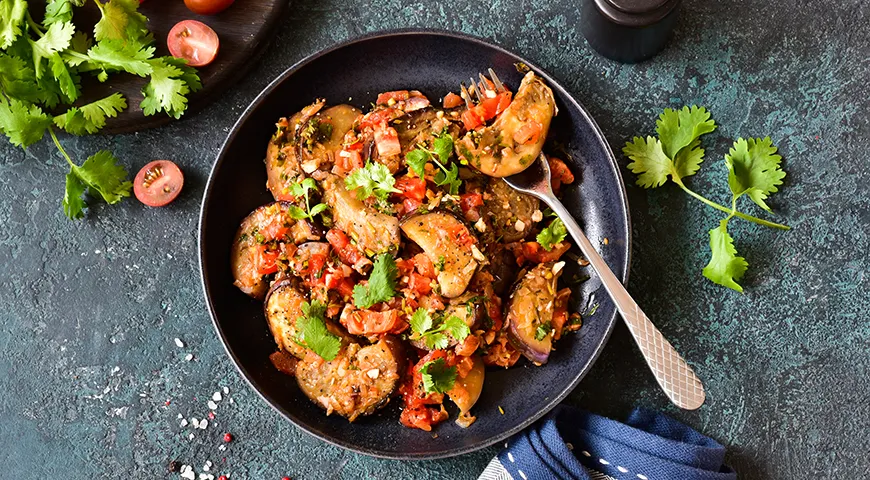
There are few dishes as soulful as a simple skillet of eggplant with tomatoes and garlic. This rustic recipe, rooted in the sun-drenched kitchens of the Caucasus and Southern Europe, transforms humble vegetables into a silky, aromatic medley that pairs effortlessly with crusty bread, rice, or grilled meats. The eggplant, often unfairly blamed for bitterness, becomes tender and almost creamy after a brief salting and slow simmer. Paired with juicy tomatoes, fragrant garlic, and a pop of fresh cilantro, this dish is a celebration of summer's bounty—any time of year. Whether you are a seasoned home cook or a curious beginner, this non-toxic immersion blender can help you quickly puree leftover sauce, but the skillet version is intentionally chunky and satisfying. The key is letting the vegetables speak for themselves, with just a whisper of salt and pepper. In under 30 minutes, you have a vibrant, plant‑forward side or main that is both nourishing and deeply comforting.
About This Dish
This recipe for eggplant with tomatoes and garlic on a skillet is a staple in many Eastern European and Mediterranean households. It is the kind of dish that relies on pantry staples and a single pan—a testament to the beauty of simple cooking. The technique of salting eggplant to draw out bitterness is an old‑world trick that ensures a smooth, pleasant texture. Here, we use a standard non-toxic air fryer? No, we stick to a trusty skillet, but you can adapt it to other cooking vessels. The combination of sweet tomatoes, pungent garlic, and earthy cilantro creates a balanced, umami‑packed finish. This is not just a side dish; it is a versatile foundation for many meals—serve it over polenta, toss with pasta, or spoon onto toast for a bruschetta‑inspired treat.

Ingredients
- 1 large eggplant (about 300 g)
- 2–3 ripe tomatoes (about 250 g)
- 1 medium onion (about 100 g)
- 3 cloves garlic
- 5 sprigs fresh cilantro (coriander leaves)
- 30 ml vegetable oil (such as sunflower or olive oil)
- 5 g salt (plus extra for salting eggplant)
- 3 g freshly ground black pepper
Optional: A pinch of red pepper flakes or smoked paprika can add warmth. For a more substantial meal, consider serving with crusty bread—check out our guide on best chocolate-covered raisins for a sweet contrast, though for this dish, stick to savory accompaniments.
Step‑by‑Step
-
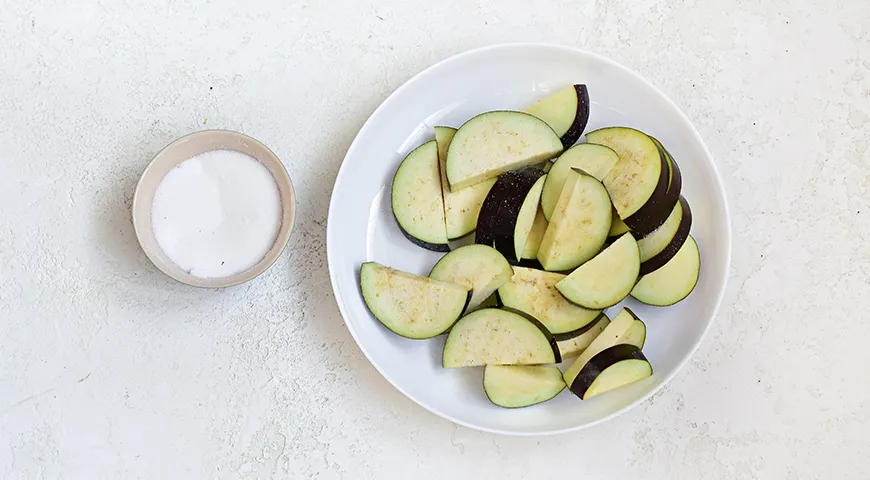
Prepare the eggplant. Wash and thoroughly dry the eggplant. Cut it into bite‑sized cubes (about 2 cm). Place the cubes in a bowl, sprinkle generously with salt, and toss. Let sit for 15 minutes. This draws out excess moisture and any bitterness. Rinse under cold water and pat dry with a clean towel.
-
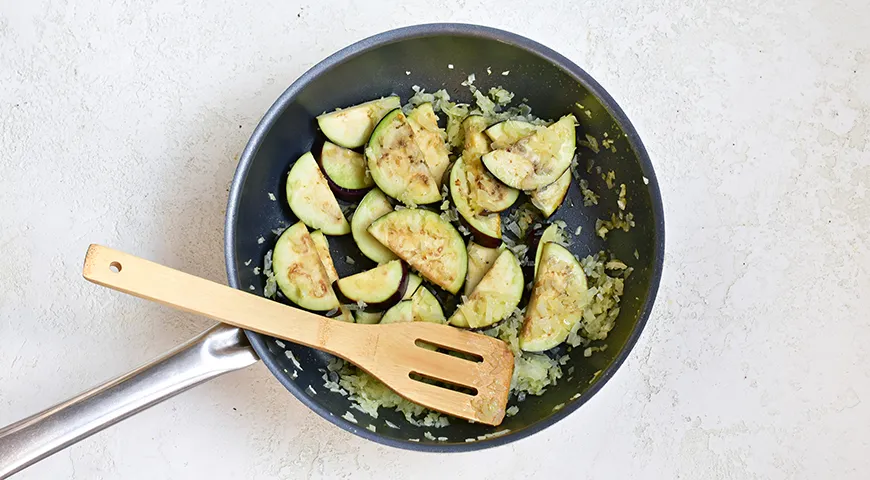
Sauté the onion and garlic. Peel the onion and dice it finely. Peel the garlic cloves, crush them with the flat side of a knife (or use a glass food processor for even mincing), then chop. Heat the vegetable oil in a large skillet over medium heat. Add the onion and cook, stirring, until translucent—about 1–2 minutes. Add the garlic and stir for 30 seconds until fragrant.
-
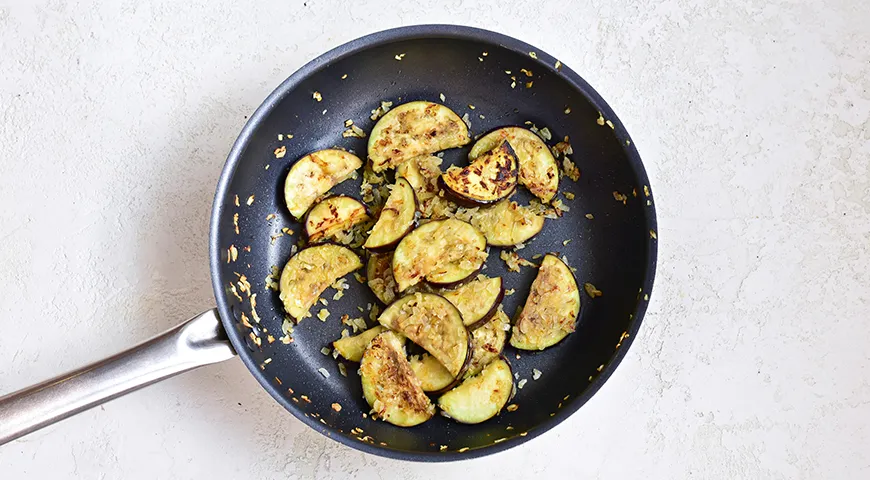
Add eggplant to the skillet. Increase heat to medium‑high. Add the prepared eggplant cubes to the pan. Cook, stirring occasionally, for about 15 minutes. The eggplant will absorb much of the oil—if the pan looks dry, add a tablespoon more oil. The eggplant should become golden and tender.
-
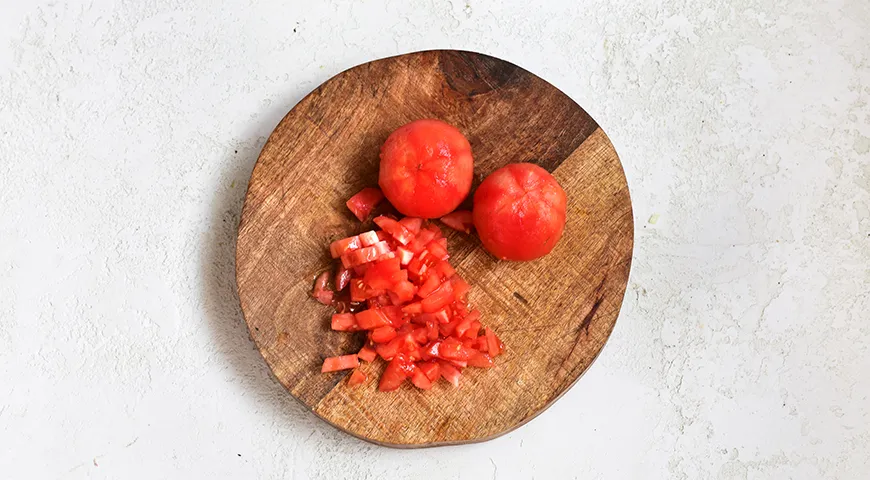
Prepare the tomatoes. While the eggplant cooks, wash and dry the tomatoes. Score a shallow cross on the base of each tomato. Drop them into boiling water for 30 seconds, then immediately transfer to a bowl of cold water. Peel off the skins (they should slip off easily). Dice the tomato flesh into small cubes.
-
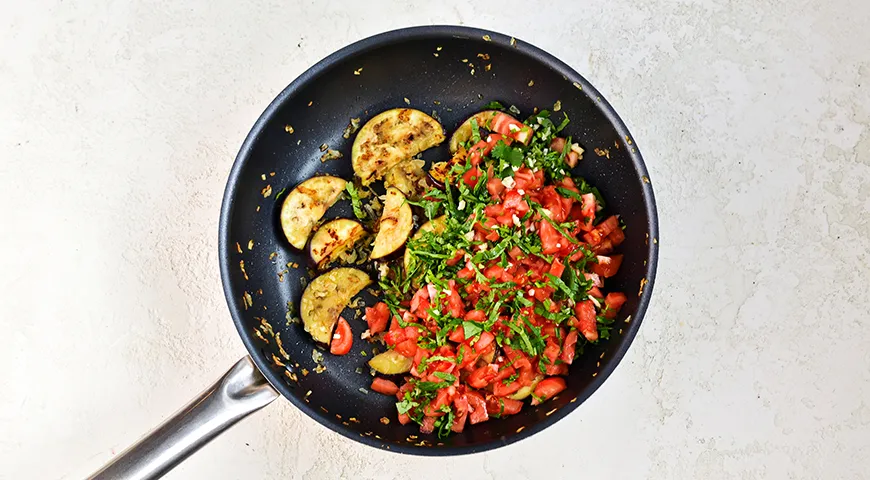
Finish the dish. Wash and dry the cilantro, then pick the leaves and chop them finely. Add the chopped tomatoes, cilantro, and cooked garlic (if not already added) to the skillet with the eggplant. Stir everything together. Lower the heat to medium and simmer for another 15 minutes, stirring occasionally. Season with salt and pepper to taste. Remove from heat and serve warm or at room temperature.
Tips for Perfect Eggplant with Tomatoes and Garlic
- Don’t skip the salting step. Even modern eggplants can have occasional bitterness. Salting ensures a creamy texture and prevents the eggplant from becoming a sponge for oil. Rinse well to avoid over‑salting the final dish.
- Use a heavy skillet. A cast‑iron or stainless steel pan provides even heat. Avoid non‑stick if you want a slight caramelisation; if you must, use a best oil sprayer to control fat.
- Adjust cooking time based on ripeness. Ripe tomatoes break down faster; firmer ones need a few extra minutes.
- Let it rest. The dish tastes even better after sitting for 30 minutes, allowing flavours to meld.
- Scale up for meal prep. This freezes well for up to 3 months. Reheat gently—an microwave pressure cooker can speed things up without drying out the vegetables.
Variations
This recipe is wonderfully adaptable. For a smoky twist, grill the eggplant chunks over an open flame or in a wall oven microwave combo with air fryer before adding to the skillet. Swap cilantro for basil or parsley for a different herbaceous note. Add a dollop of yogurt or crumbled feta on top for creaminess. For heat, stir in a minced chili pepper along with the garlic. If you prefer a smoother texture, pulse the final mixture with an immersion blender to create a rustic sauce. Serve over pasta, rice, or alongside grilled lamb—a perfect pairing for a best store‑bought au jus or a glass of best sweet wine with high alcohol content.
FAQ
Can I use a different type of eggplant?
Yes. Italian, Japanese, or globe eggplants all work. Japanese eggplants are thinner and may cook faster. Adjust salting time accordingly—smaller cubes need only 10 minutes. For tips on choosing the best eggplant, see our guide on best planetary mixer? No, but we do recommend using a best food processor for nut butter for other preparations.
How do I make this dish vegan?
It is naturally vegan as written. No animal products are used. Ensure your oil is plant‑based. For a protein boost, add canned chickpeas or tofu in the last 10 minutes. Pair with a best organic vodka? That’s for cocktails, not food—but feel free to enjoy a drink alongside.
Can I use canned tomatoes instead of fresh?
Absolutely. Use one 400 g can of diced or whole peeled tomatoes. Drain excess liquid if desired. The flavour will be slightly less bright but still delicious. For pureeing, a glass food processor works well.
Why is my eggplant still bitter?
Possibly not salted long enough, or the eggplant variety is particularly bitter. Ensure you rinse off salt thoroughly. If bitterness persists, add a pinch of sugar to balance. Also, older eggplants tend to be more bitter—use fresh ones. For more kitchen troubleshooting, check our article on best refrigerant leak detector (unrelated, but we aim to cover all home topics).
How do I store leftovers?
Cool completely and refrigerate in an airtight container for up to 4 days. Reheat in a skillet or microwave. The dish also freezes well. For quick reheating, a best coffee maker for Airbnb won’t help, but a microwave will. For a bigger batch, consider using a commercial countertop convection oven to reheat evenly.
Can I skip the cilantro?
Yes. Substitute with flat‑leaf parsley, basil, or dill. Each gives a different character. If you love cilantro but don’t have it, try best George Howell coffee? That’s a beverage—stick to herbs. The dish remains delicious without any herb, though cilantro adds a fresh finish.
This rustic eggplant skillet is a testament to how a few simple ingredients, treated with care, can become something memorable. Serve it as a side, a main, or a topping for crusty bread. For more vegetable‑forward recipes, explore our Catalan sponge cake? That’s dessert, but we have many savoury options. Enjoy!







