


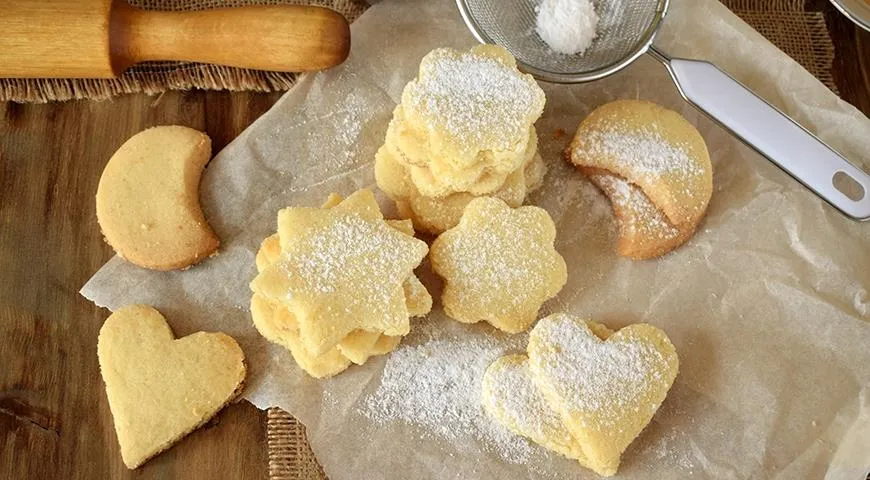
In the sun-drenched kitchens of the Crimean peninsula, where centuries of culinary traditions converge, a humble cookie reigns supreme: Kurabye (къурабье). This traditional sweet from the Crimean Tatar people is a masterclass in restraint—just three ingredients, no leavening, no eggs, no jam. The magic lies in the quality of each component and the gentle hand that shapes it. With a ratio of roughly 1:1:1 of clarified butter, powdered sugar, and flour, this cookie achieves a melt-in-the-mouth texture that rivals any European shortbread. Whether you’re a seasoned baker or a curious novice, this recipe will transport you to the Black Sea coast. For more heritage baking inspiration, explore our Catalan sponge cake recipe or dive into the world of best chocolate-covered raisins for pairing ideas.
About This Recipe
Crimean Tatar cuisine is a vibrant tapestry woven from Turkic, Caucasian, and Mediterranean influences. Kurabye exemplifies this fusion: it resembles Middle Eastern ghraybeh but with a uniquely Crimean floral presentation. The cookie is not merely a sweet; it is a symbol of hospitality, often served at celebrations and tea gatherings. The absence of eggs or chemical leaveners means the dough relies entirely on the quality of butter and the technique of mixing. Using a high-quality best planetary mixer can make the creaming step effortless, but a whisk and elbow grease work beautifully too. The result is a crumbly, buttery disc that dissolves on the tongue, leaving a whisper of sweetness.

Ingredients
- 140 g clarified butter (ghee), at room temperature
- 140 g powdered sugar, plus extra for dusting
- 140–150 g all-purpose flour
That’s it. The brilliance of this cookie lies in its simplicity. For the best outcome, use a premium organic ghee or homemade clarified butter. The flour should be light and unbleached; avoid bread flour as it will make the cookies tough. If you’re experimenting with gluten-free versions, check our guide on best non-toxic immersion blender for blending alternative flours.
Step-by-Step Instructions
- Preheat and prepare: Preheat your oven to 180°C (350°F). Line a baking sheet with parchment paper. Ensure your clarified butter is soft but not melted—this is crucial for the dough’s texture.
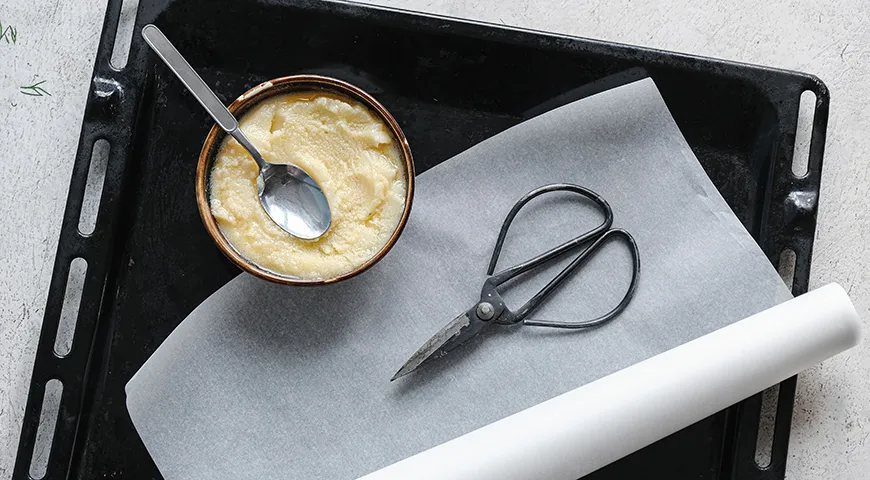
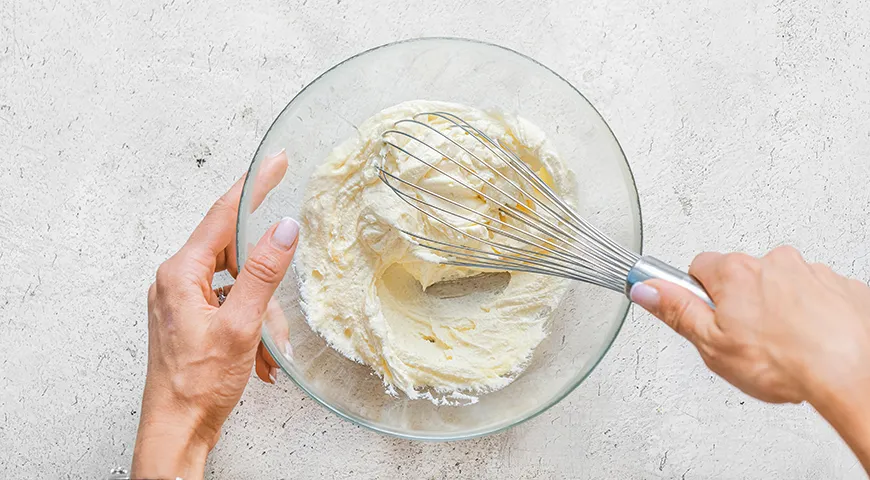
- Cream butter and sugar: Using a whisk or hand mixer, lightly beat the clarified butter until smooth. Sift the powdered sugar directly over the butter and mix until combined, then beat until the mixture turns pale and fluffy—this aerates the dough and ensures a delicate crumb. A best refrigerant leak detector isn’t needed here, but a reliable oven thermometer will guarantee accurate baking.
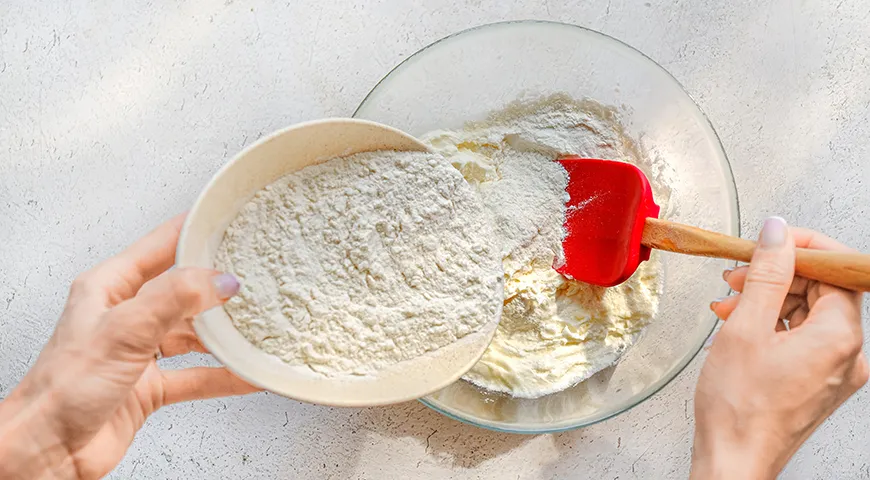
- Add flour: Gradually sift the flour into the butter-sugar mixture, stirring gently. The dough should come together without being stiff. It should feel soft, pliable, and easy to roll. If it seems too sticky, add a tablespoon more flour, but avoid overworking. For handling sticky doughs, an best oil sprayer can lightly coat your hands with neutral oil.
- Shape the strips: Take a small piece of dough and roll it into a long snake, about 1 cm thick. Flatten it with your fingers or a rolling pin until you have a strip roughly 3 cm wide and 0.5 cm thick. Run the tines of a fork along the length of the strip to create decorative ridges—this also helps them bake evenly.
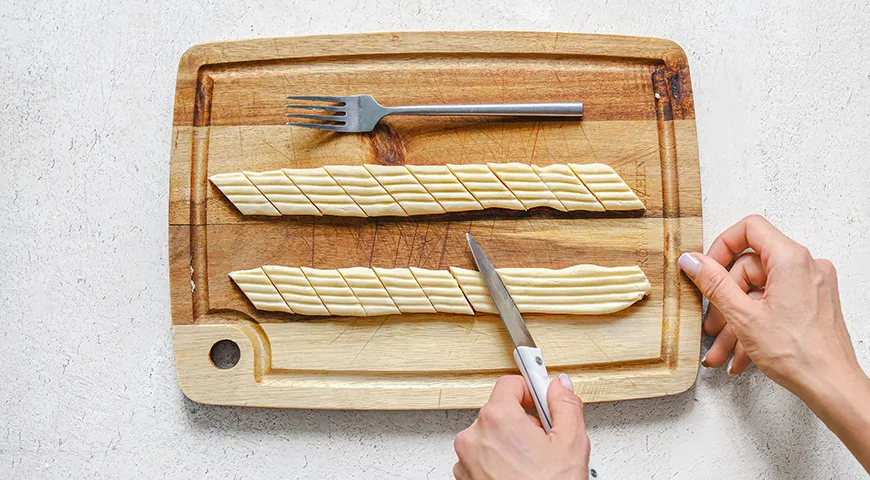
- Cut and assemble flowers: Using a knife, cut the strip diagonally into small diamond shapes. To form each cookie, take 5 diamonds (the petals) and arrange them in a flower shape on the prepared baking sheet, with a small ball of dough in the centre. Repeat with remaining dough.
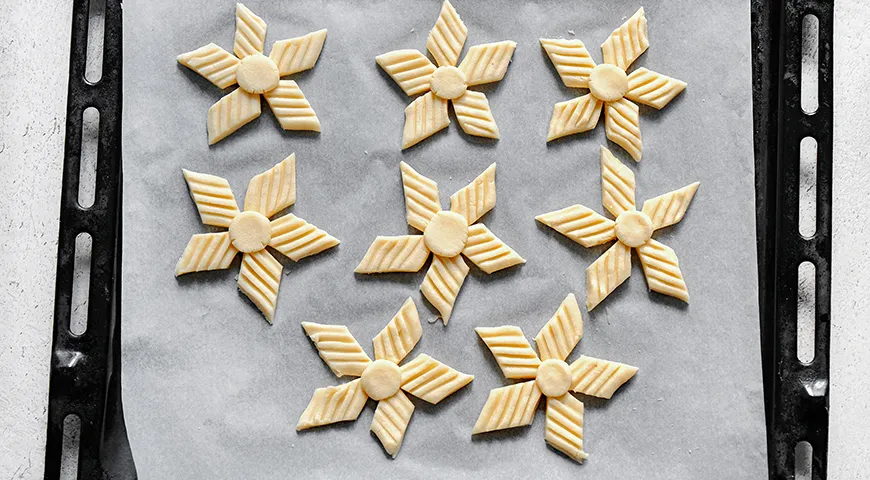
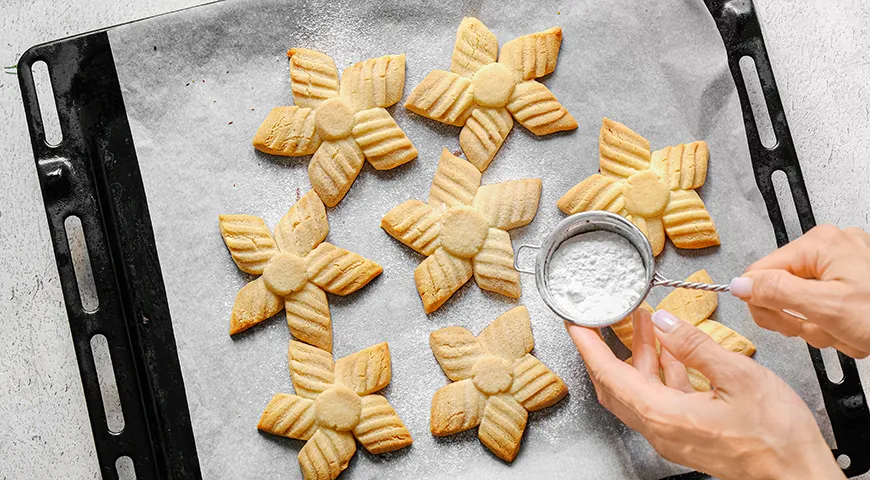
- Bake and finish: Bake the kurabye in the centre of the oven for 15–20 minutes, until the edges are just beginning to colour—they should remain pale. Let cool completely on the baking sheet, then dust generously with powdered sugar before serving.
Pro tip: For even baking, consider using a best commercial countertop convection oven if you’re baking large batches.
Tips for Perfect Kurabye
- Use only clarified butter (ghee) that is fresh and aromatic—stale butter will ruin the delicate flavour.
- Do not skip sifting the powdered sugar; lumps can create uneven spots in the dough.
- Work quickly and gently; overmixing develops gluten and results in tough cookies.
- If the dough becomes too soft to shape, chill it for 10 minutes in the refrigerator.
- For a more uniform shape, use a best glass food processor bowl to mix the dough without heating it.
Variations to Explore
While the classic Crimean Tatar version is pure and simple, you can experiment with subtle additions. A pinch of cardamom or rose water added to the butter creates a fragrant twist. For a modern take, dip the cooled cookies in best lava flavors or pair them with a glass of best sweet wine with high alcohol content. If you’re looking for a richer texture, replace 20 g of flour with finely ground almonds or pistachios. And for those who love coffee, serve alongside a brew made with best George Howell coffee.
FAQ
Can I use regular butter instead of clarified butter?
Clarified butter (ghee) is essential for the authentic crumbly texture. Regular butter contains water and milk solids, which will make the cookies spread and become greasy. If you must substitute, use a high-quality organic ghee for best results.
Why is there no leavening agent in this recipe?
The delicate, shortbread-like structure relies solely on the air incorporated during creaming and the fat content of the ghee. Baking powder would create a cakey, puffy texture that deviates from the traditional kurabye.
How should I store these cookies?
Keep them in an airtight container at room temperature for up to two weeks. They do not require refrigeration, but avoid humid environments as the cookies may soften.
Can I freeze the dough for later?
Absolutely. Shape the dough into logs, wrap tightly in plastic, and freeze for up to three months. Thaw in the refrigerator overnight, then slice and bake as directed. You may need to add 2–3 minutes to the baking time.
What other desserts pair well with Crimean Tatar kurabye?
These cookies are perfect for a tea plate alongside best chocolate-covered raisins, or as an accompaniment to a fresh wheatgrass juice for a sweet-savory contrast.







