



There are few pastries that capture the essence of Russian home baking quite like these cottage cheese triangles. With a tender, almost flaky texture and a delicate sweetness, each bite melts in your mouth, revealing layers of buttery dough and the subtle tang of fresh cottage cheese. This recipe transforms humble ingredients into an elegant teatime treat that feels special yet is wonderfully simple to prepare. Whether you are a seasoned baker or trying your hand at dough for the first time, these triangles promise a rewarding experience and a batch of cookies that vanish almost as quickly as they cool.
About This Recipe
These cottage cheese triangles, known in Russia as pechenye iz tvoroga treugolniki, are a beloved classic. The dough relies on high-quality cottage cheese (9% fat is ideal) and butter, which together create a rich, pliable base. A touch of vanilla extract adds aromatic depth, while a clever folding technique builds layers that puff and separate during baking. The result is a cookie that is neither too sweet nor too dense—perfect alongside a strong cup of tea or your morning coffee. For those who appreciate precision in their pastry, using a planetary mixer can make creaming the butter and cottage cheese effortless, though hand mixing works just as well.

Ingredients
- Butter – 200 g, softened at room temperature
- Cottage cheese (9% fat) – 200 g, pressed through a sieve
- Salt – a pinch
- Sugar – 100 g, plus extra for sprinkling
- Vanilla extract – 1/3 tsp (or substitute vanilla sugar or ground cardamom)
- Egg (C1 size) – 1
- Soda – a pinch
- All-purpose flour – 300 g, plus additional for rolling
Selecting the right cottage cheese is crucial: avoid low-fat varieties, as the fat content contributes to tenderness. For an extra touch of indulgence, consider using homemade cottage cheese; a juicer won't help here, but a fine-mesh sieve is your best friend.
Step-by-Step Instructions
Step 1: Prepare the Dough Base
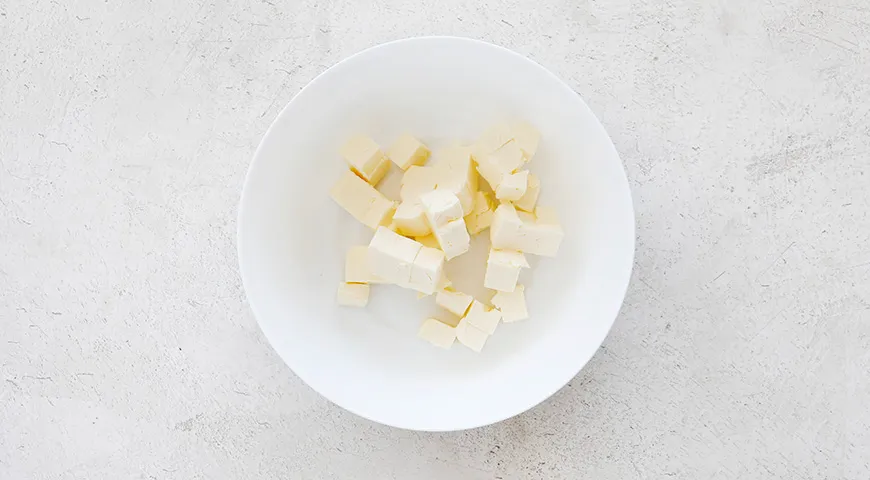
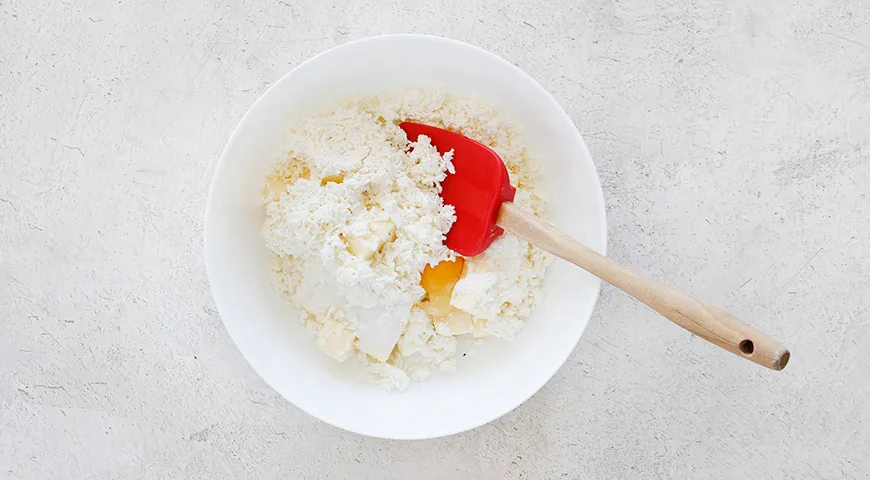
Cut the butter into small cubes and place in a large mixing bowl. Let it soften at room temperature for about 30 minutes. Meanwhile, press the cottage cheese through a fine metal sieve to remove any lumps—this ensures a silky texture. Add the pressed cottage cheese to the softened butter and mix thoroughly. Sprinkle in the salt, one tablespoon of sugar, vanilla extract, egg, and a pinch of soda. Stir until combined.
Step 2: Incorporate the Flour
Sift the flour through a fine sieve into the cottage cheese mixture. Knead gently until a soft, not too stiff dough forms. Shape into a ball, wrap in plastic wrap, and refrigerate for 30 minutes. Chilling firms the butter, which later creates distinct layers. If you own a glass food processor, you can pulse the ingredients quickly, but hand kneading gives you better control over the dough’s texture.
Step 3: Roll and Cut
Lightly flour your work surface. Roll the chilled dough into a 5 mm thick sheet. Using a round cutter (about 10 cm in diameter), cut out circles. Sprinkle a little sugar over each circle. Fold the circle in half, then sprinkle with more sugar and fold in half again, forming a triangle. Using a sharp knife, make two small cuts along the folded edges toward the point—this helps steam escape and creates a beautiful shape. Place on a baking sheet lined with parchment.

Step 4: Shape the Triangles
Repeat with remaining dough scraps. Each triangle should be lightly dusted with sugar on both sides. The folding technique is key—feel free to sprinkle a few raisins inside before folding for a surprise burst of sweetness.

Step 5: Bake to Golden Perfection
Preheat your oven to 190°C (375°F). Bake the cookies for 20 minutes, or until they turn a light golden brown—watch closely during the last few minutes. Ovens vary; using a commercial countertop convection oven can give even, consistent heat. Let the cookies cool on the sheet for 5 minutes, then transfer to a wire rack.

Step 6: Serve and Enjoy
Allow the cookies to cool completely—they will continue to crisp. Serve with strong black tea or coffee. For a refreshing twist, pair with an afternoon sweet wine. These triangles also make a wonderful gift when packed in a decorative tin.

Tips for Perfect Texture
For the signature flaky layers, do not overwork the dough. Use chilled butter and handle it as little as possible. If the dough becomes too sticky, dust with flour sparingly. An oil sprayer can help grease the baking sheet lightly, though parchment paper is preferred. Let the cookies cool on a rack to maintain their crispness—storing in an airtight container after cooling keeps them fresh for days.
Variations to Explore
This recipe is remarkably adaptable. Replace vanilla extract with ground cinnamon, cardamom, or citrus zest. For a savory version, reduce sugar and add grated Parmesan and black pepper. You can also fill the triangles with a spoonful of jam or Nutella before the final fold, but be careful not to overfill—seal edges well. For a gluten-free alternative, use a quality gluten-free flour blend; the texture will be slightly more crumbly but still delicious. If you enjoy experimenting with kitchen gadgets, a non-toxic immersion blender can puree the cottage cheese if you lack a sieve, though the texture may differ.
Frequently Asked Questions
Can I use low-fat cottage cheese?
It is not recommended. The fat in the cottage cheese is essential for tenderness. Using non-fat or low-fat will yield dry, tough cookies. Stick to at least 9% fat for best results.
What if I don’t have vanilla extract?
Substitute with vanilla sugar (increase sugar slightly) or a pinch of ground cinnamon, nutmeg, or cardamom. You can also use a quality vanilla bean paste if available.
Why did my cookies spread too much?
Possible causes: dough too warm, too much sugar, or insufficient chilling. Ensure the dough is well-chilled (30 minutes minimum) and that you use the specified amount of sugar. Baking on a preheated sheet can also help control spread.
Can I freeze the unbaked triangles?
Absolutely. Assemble the triangles, place on a tray, freeze until solid, then transfer to a freezer bag. Bake directly from frozen, adding about 3-5 minutes to the baking time. This is perfect for quick treats when guests drop by unexpectedly.
How do I store baked cookies?
Store in an airtight container at room temperature for up to 5 days. They can also be frozen for up to 2 months. Reheat briefly in a warm oven or non-toxic air fryer to refresh their crispness.
What is the best way to serve these cookies?
They pair wonderfully with a high-end espresso or a pot of loose-leaf tea. For a festive touch, dust with powdered sugar or drizzle with a simple icing. They also complement a cheese board as a subtle sweet element.
Conclusion
Cottage cheese triangles embody the warmth of home baking—simple, comforting, and utterly delicious. This recipe’s beauty lies in its balance: the richness of butter, the gentle tang of cottage cheese, and the delicate crunch of sugar-coated layers. With minimal effort and maximum reward, these cookies will become a staple in your repertoire. Whether you are hosting an afternoon tea or craving a quiet moment with a good book, let these golden triangles bring a touch of Russian tradition to your table.







