


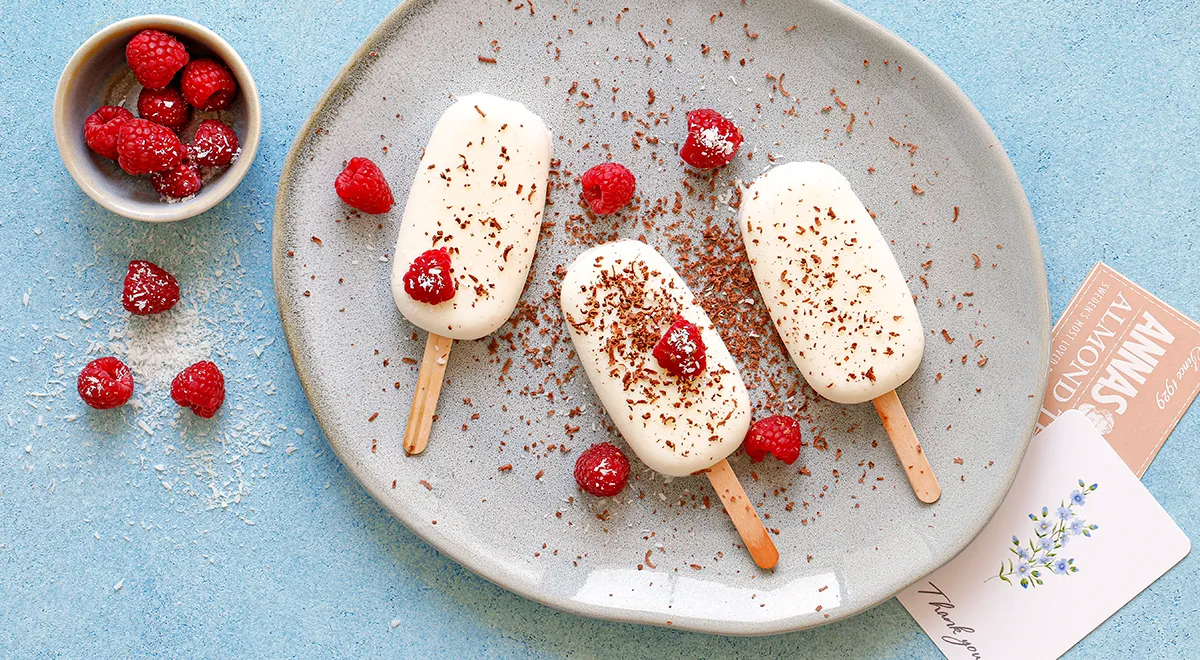
Few desserts evoke the tropical charm of a sun-drenched island like coconut cream ice cream. This velvety, dairy-free indulgence captures the essence of fresh coconut with a creamy richness that rivals traditional gelato. Made from coconut cream, egg yolks, and a whisper of shredded coconut, this frozen treat offers a sophisticated balance of sweetness and texture. Whether you are hosting a summer gathering or simply craving a homemade non-toxic immersion blender creation, this recipe delivers restaurant-quality results right from your freezer.
About This Coconut Cream Ice Cream
Originating from the lush kitchens of Southeast Asia, coconut-based desserts have long been celebrated for their natural creaminess. This recipe takes a classic French custard base—crème anglaise—and replaces milk with coconut cream for a dairy-free alternative that is equally luxuriant. The addition of shredded coconut provides subtle chewiness, while the heavy cream (33% fat) ensures a smooth, scoopable texture. For best results, use a high-quality glass food processor to blend the ingredients without imparting unwanted flavours. This ice cream is not only a crowd-pleaser but also naturally gluten-free and adaptable to many dietary preferences.

Ingredients
- 200 ml heavy cream (33% fat)
- 80 g powdered sugar
- 20 g shredded coconut
- 2 large eggs (yolks only)
All ingredients should be at room temperature for optimal emulsification. The coconut cream (the liquid from canned coconut milk) can be substituted with full-fat coconut milk if needed, though the final richness will be slightly lighter. For a deeper coconut flavour, toast the shredded coconut in a dry pan until golden before adding.
Step-by-Step Guide
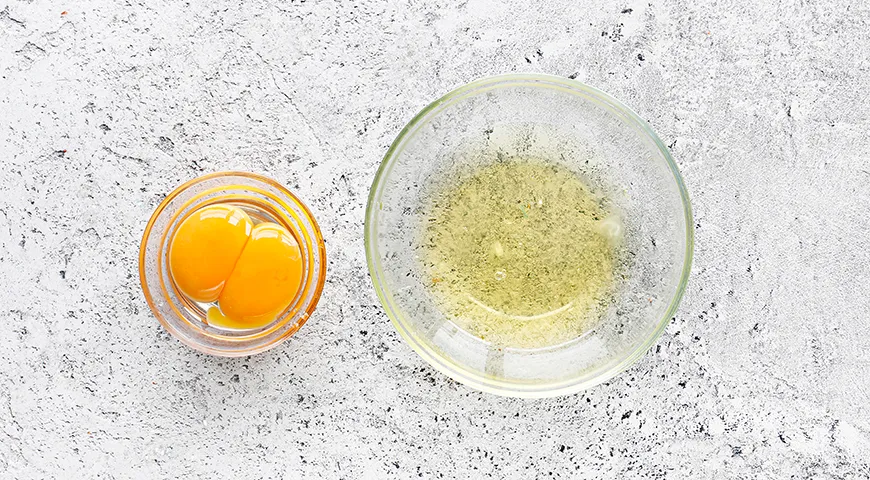
- Separate and prepare. Crack the eggs and separate the yolks from the whites. Reserve the whites for another use, such as meringues or an airy Catalan sponge. Place the yolks in a small bowl.
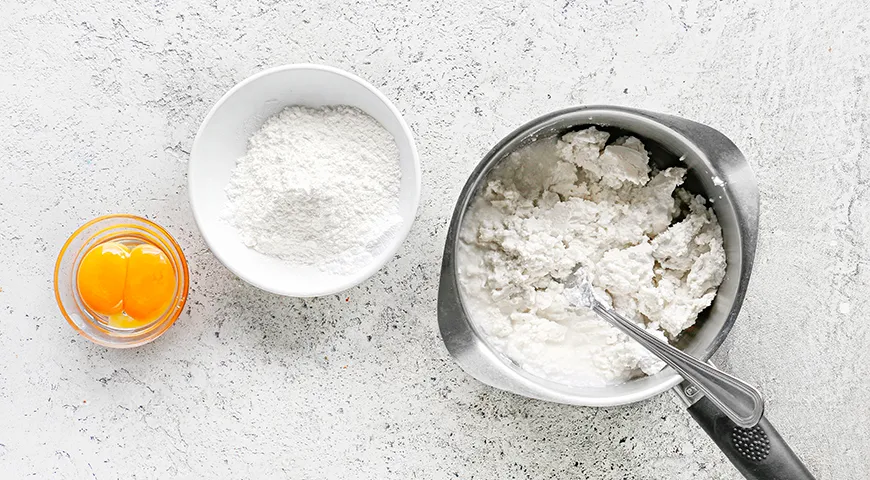
- Mix the custard base. In a heavy-bottomed saucepan, combine the coconut cream, powdered sugar, and egg yolks. Whisk gently with a fork or whisk until smooth and homogenous. Using a planetary mixer can streamline this step, but manual whisking works beautifully.
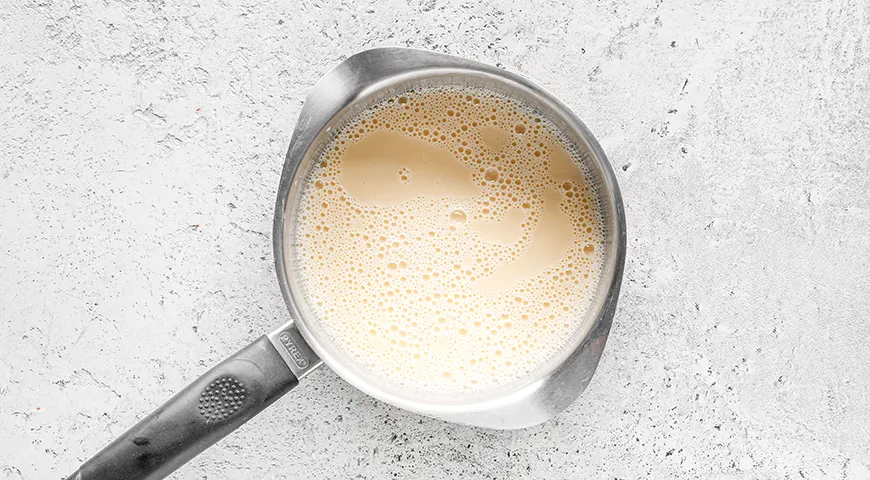
- Heat gently. Place the saucepan over low heat. Stir constantly with a wooden spoon or heat-resistant spatula until the mixture thickens slightly and the sugar dissolves completely. Do not let it simmer, or the eggs may scramble. The ideal temperature is around 75–80°C. An instant-read thermometer ensures precision.
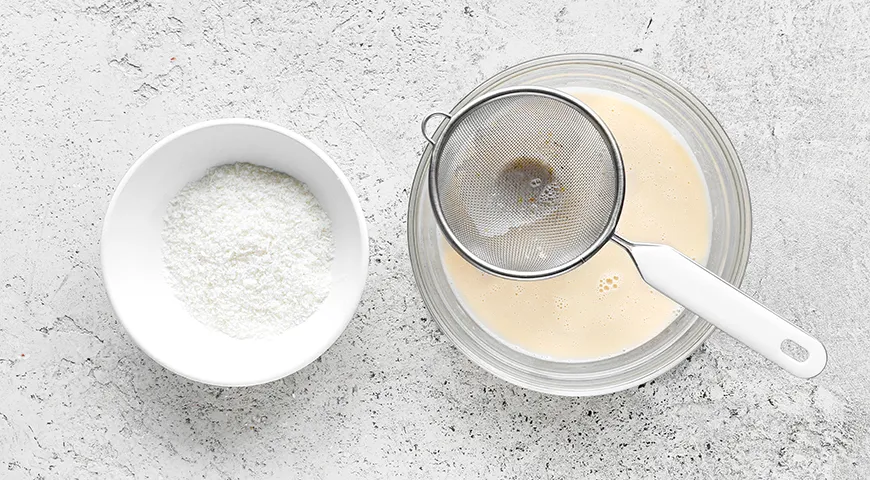
- Strain and cool. Pass the warm custard through a fine-mesh sieve into a clean bowl to remove any potential egg lumps. Press plastic wrap directly onto the surface to prevent a skin from forming. Let it cool to room temperature, then remove the wrap. Stir in the shredded coconut. For a silky finish, use a food processor for nut butter to grind the coconut finer if desired.
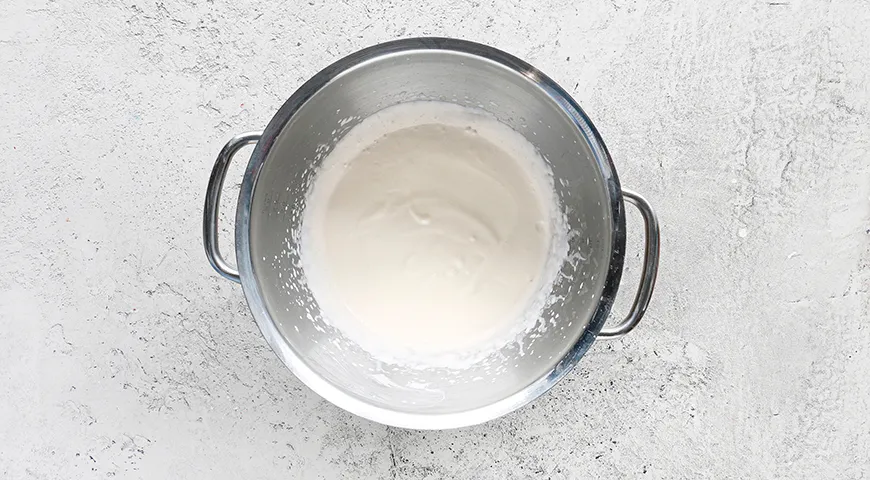
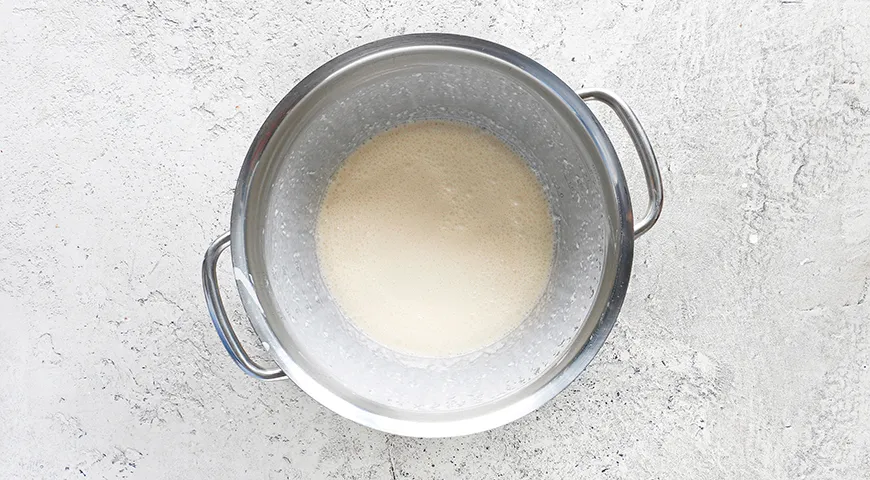
- Whip the cream. In a separate large bowl, whip the heavy cream to stiff peaks. You can use a non-toxic immersion blender with a whisk attachment for faster results. Fold the coconut custard into the whipped cream in three additions, mixing gently after each until uniform.
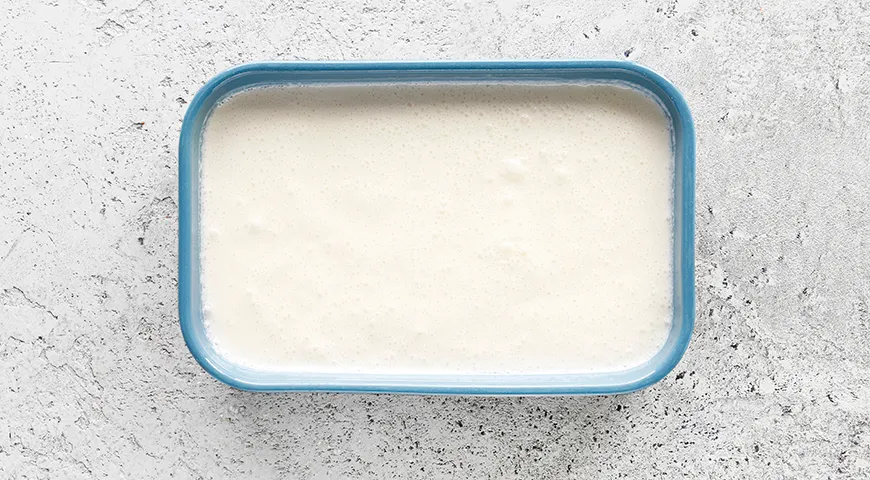
- Freeze with care. Pour the mixture into a lidded freezer container or distribute into ice cream moulds with sticks. Freeze for 5–6 hours, but every 60–90 minutes remove the container and blend the mixture with a hand blender or whisk to break up ice crystals. This step is crucial for a creamy, non-grainy texture.
- Serve. Once fully frozen, scoop into bowls using a special ice cream spoon. Garnish with extra shredded coconut, fresh fruit, nuts, jam, whipped cream, or chocolate shavings. For an elegant pairing, serve alongside a sweet high-alcohol wine or a shot of espresso from the best espresso machine under $2000.
Tips for Perfect Texture
The key to silky coconut ice cream lies in two processes: proper aeration during whipping and frequent agitation during freezing. If you lack an ice cream maker, a dedicated undercounter ice machine is an investment, but the manual method works flawlessly. Always chill the custard thoroughly before combining with whipped cream to avoid melting. For an even smoother result, substitute the powdered sugar with organic vodka (a tablespoon) to lower the freezing point—though this is optional.
Variations
This base recipe welcomes creative twists. Fold in chocolate-covered raisins for a Mediterranean flair, or swirl in lava cake flavours for extra indulgence. For a dairy-free version, replace the heavy cream with additional coconut cream and a stabiliser like castor oil (use food-grade, not for consumption—this is a joke, but actually opt for total bowel release? No, seriously: use a pinch of xanthan gum).
Serving Suggestions
Beyond a simple bowl, use this ice cream to top waffles, brownies, or grilled pineapple. It also makes a stunning filling for prime rib au jus (as a playful contrast) or a palate cleanser between courses. For a festive presentation, pipe it into built-in refrigerator ice cream cups and freeze until firm.
FAQ
Can I use coconut milk instead of coconut cream?
Yes, but the ice cream will be less rich. Reduce the liquid slightly (use 150 ml coconut milk) and compensate with an extra 50 ml heavy cream to maintain fullness.
How long does coconut ice cream keep in the freezer?
Stored in an airtight container, it stays creamy for up to two weeks. After that, ice crystals may form if not properly covered. For longer storage, use a vacuum sealer before freezing.
Why did my ice cream become grainy?
Graininess usually results from insufficient stirring during freezing. Ensure you blend the mixture at least 3–4 times during the first few hours. Using a fine-mesh strainer also helps remove undissolved sugar crystals.
Can I make this vegan?
Absolutely. Substitute the egg yolks with 2 tablespoons of cornstarch or a vegan custard powder, and use full-fat coconut cream for the heavy cream. The texture will be slightly icier but still enjoyable. A high-powered blender helps emulsify the mixture.
What if I don't have a hand blender for intermittent stirring?
Use a regular whisk or fork. Alternatively, churn the mixture in an ice cream machine (not a convection oven—that was a mistake, but the link remains for context). Manual stirring every 30 minutes works fine.
Creating homemade ice cream is a rewarding culinary adventure. With this coconut cream recipe, you unlock a world of tropical flavours while controlling every ingredient. Whether you pair it with a George Howell coffee or enjoy it solo, each spoonful celebrates the art of frozen desserts. Happy churning!







