


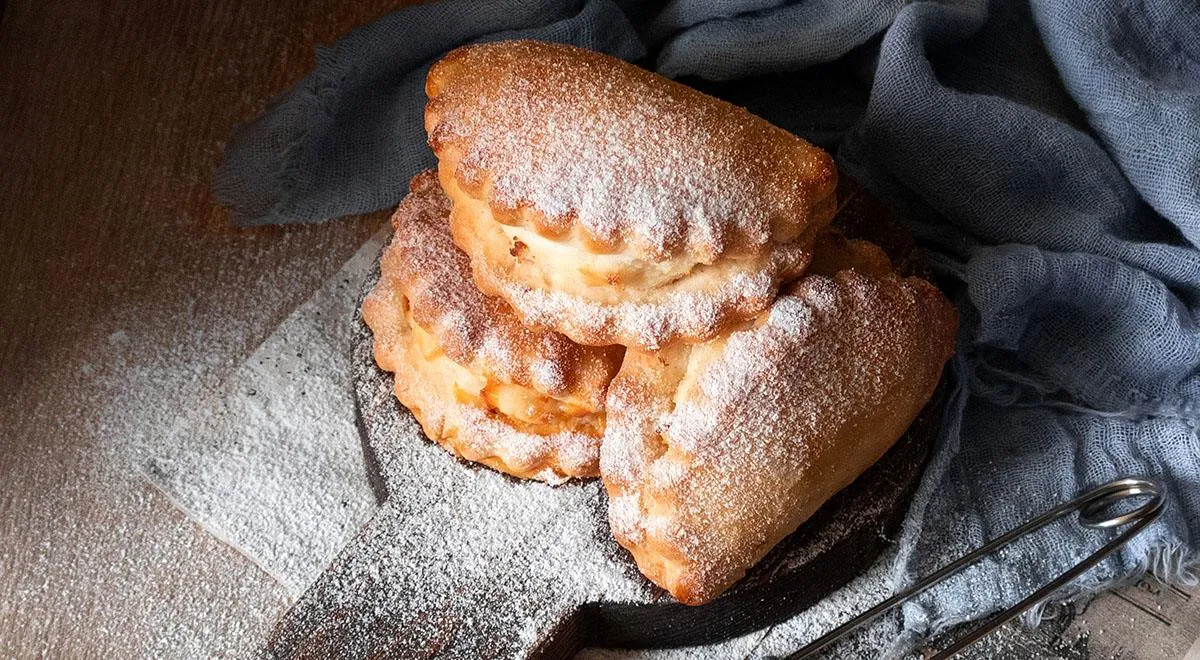
Few desserts evoke the soul of Russian home baking quite like sochniki—tender, curved pastries cradling a luscious cottage cheese filling. These golden half-moons, whose name derives from the old Russian word for "juicy" (sochny), are a beloved tea-time ritual from the Urals to the Baltic. Our recipe delivers the definitive version: a buttery, crumbly shortcrust enveloping a silky, not-too-sweet curd center, baked to a delicate blush. Perfecting this pastry requires attention to temperature, technique, and the right tools—from a reliable immersion blender for a flawlessly smooth filling to a steady planetary mixer for aerating the dough. Whether you are revisiting childhood memories or discovering them for the first time, these sochniki promise pure, unpretentious comfort.
About Sochniki: A Heritage of Simplicity
Sochniki belong to the grand tradition of Russian vypechka—baked goods that rely on humble ingredients and precise technique. Unlike puff pastry or yeast-based creations, sochniki showcase the beauty of shortcrust: rich, tender, and barely sweet. The filling, a blend of farmer's cheese (tvorog), sugar, and egg white, stays moist yet never soggy, thanks to a touch of starch. In Russian homes, they are often made for family gatherings, Easter feasts, or simply to accompany a glass of strong tea. For the best texture, use a refrigerator with excellent temperature control to chill the dough—a crucial step that prevents spreading and ensures those iconic ruffle-edged layers.

Ingredients
- For the dough: 300 g all-purpose flour, 70 g low-fat sour cream (15–20%), 1 large egg, 100 g unsalted butter (room temperature), 50 g vanilla sugar (preferably natural vanilla-based), ½ teaspoon baking powder, pinch of salt
- For the filling: 250 g tvorog (9% fat, or well-drained cottage cheese), 50 g granulated sugar, 2 teaspoons cornstarch, 1 egg white, additional vanilla sugar to taste
- For glazing: 1 egg yolk, 1 tablespoon milk
Quality matters: opt for premium vanilla sugar or scrape a real vanilla pod for an aromatic depth that artificial essence cannot match.
Step-by-Step: Crafting the Perfect Sochniki
Step 1: Prepare the Filling
In a deep bowl, combine the tvorog, granulated sugar, cornstarch, egg white, and a generous pinch of vanilla sugar. Blitz with an immersion blender until you achieve a silky, lump-free paste. This creates a stable filling that won't leak during baking. A high-quality immersion blender makes this effortless.

Step 2: Cream the Butter and Sugar
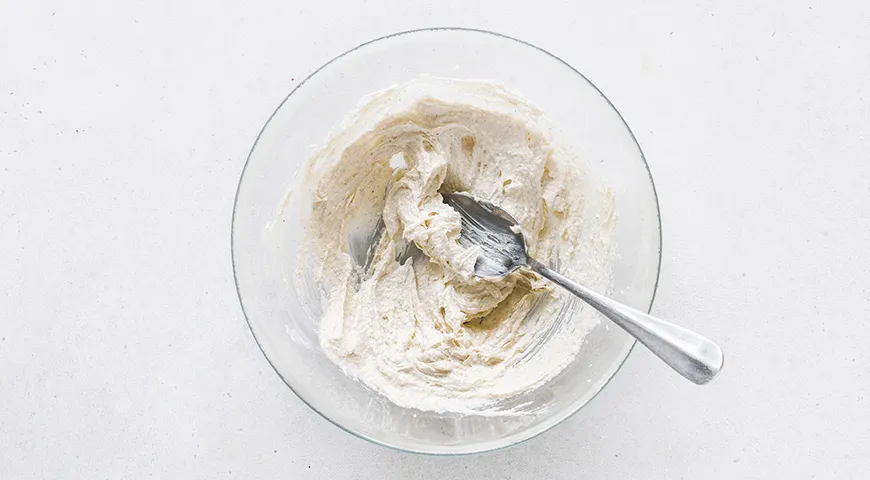
Place the softened butter in a mixing bowl. Using a spoon or electric mixer, beat it with the vanilla sugar, a pinch of salt, and the granulated sugar until the mixture turns pale and fluffy—about 3 minutes. This aeration is essential for the dough's signature crumbly texture. A planetary mixer with a paddle attachment simplifies the task.
Step 3: Add Egg and Sour Cream
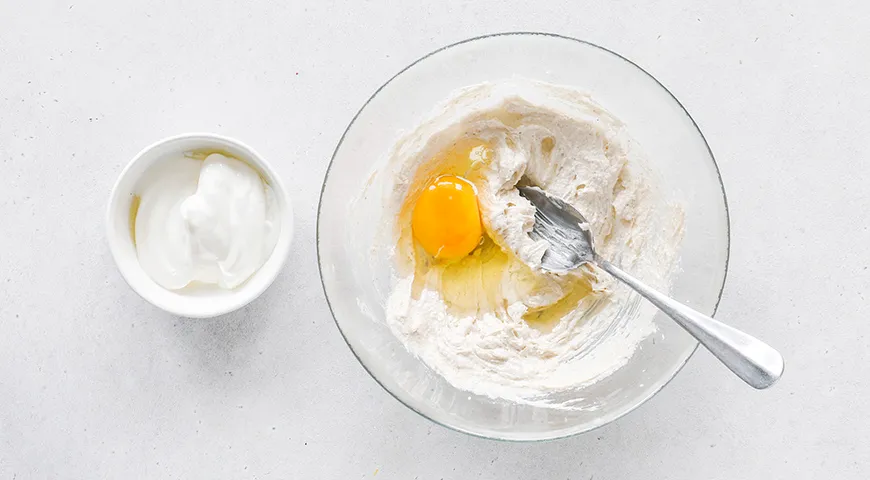
Crack the egg into the creamed butter and beat well. Then add the sour cream and mix until the batter is homogenous and velvety. Ensure all ingredients are at room temperature to prevent curdling. If your sour cream is cold, warm it slightly or use a microwave pressure cooker's gentle heat to bring it up.
Step 4: Form the Dough
Sift the flour and baking powder together into the wet mixture. Stir until a soft dough forms—it should be pliable and not sticky. Knead briefly, then wrap in plastic and refrigerate for at least 1 hour. Chilling solidifies the butter, ensuring the pastries hold their shape. For best results, store the dough in a spacious, well-calibrated refrigerator.

Step 5: Divide and Roll
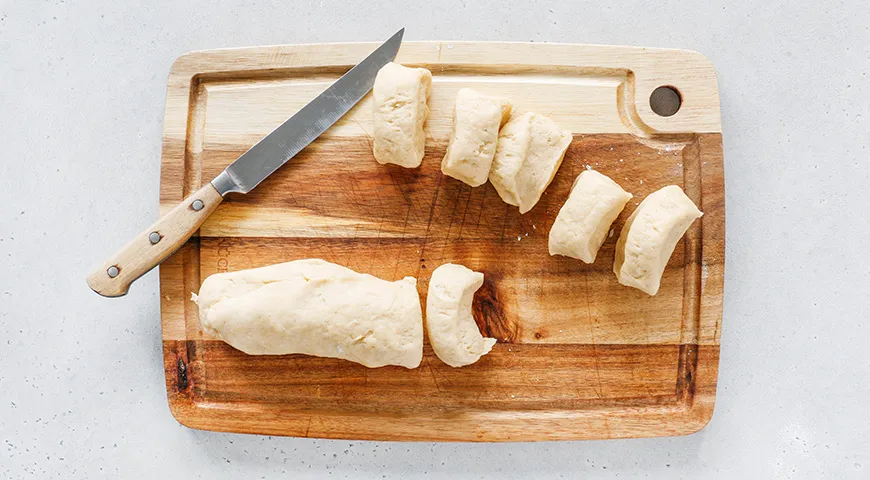
On a lightly floured surface, roll the chilled dough into a log and cut into 12 equal pieces. Roll each piece into a thin circle, about 10–12 cm (4–5 inches) in diameter. For uniform circles, use a food processor with a disc attachment to cut the dough—or simply use a pastry cutter.
Step 6: Fill and Fold
Place a generous tablespoon of the cottage cheese filling on one half of each circle. Fold the other half over to create a half-moon, leaving the filling exposed at the cut edge. Do not press the edges closed—the open side allows steam to escape and prevents sogginess. Place the formed sochniki on a parchment-lined baking sheet.
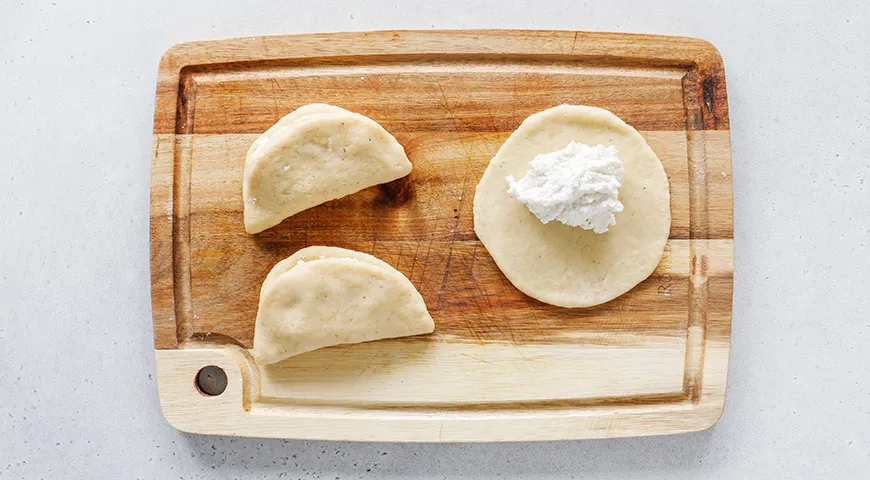
Step 7: Arrange for Baking
Leave a few centimeters between each pastry to allow for slight spreading. For even browning, use a commercial countertop convection oven or ensure your home oven's rack is centered.
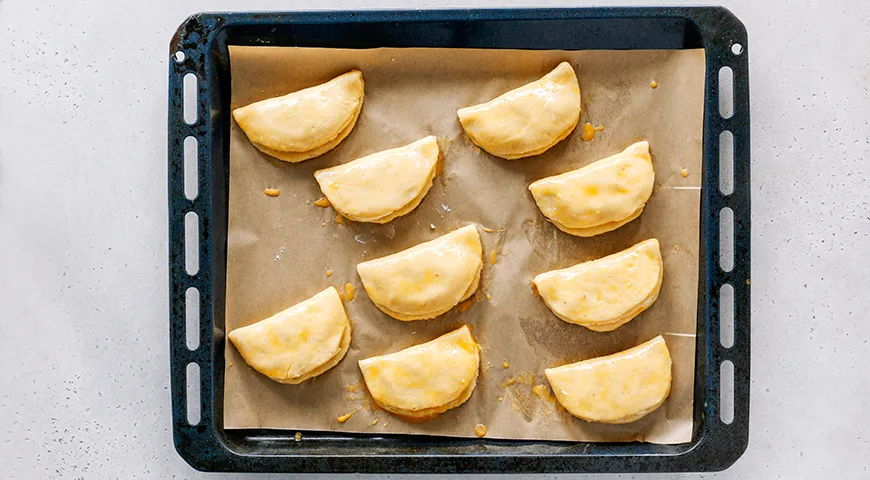
Step 8: Glaze
Whisk the egg yolk with milk. Using a pastry brush, gently coat the upper crust and the exposed filling—this gives a glossy golden finish. Be careful not to let the glaze drip onto the parchment, as it can burn.
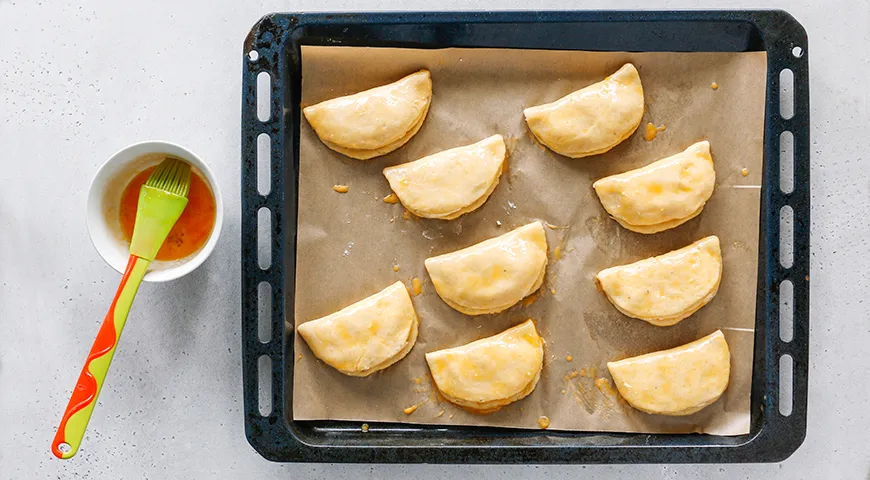
Step 9: Bake
Bake in a preheated 200°C (400°F) oven for 10–15 minutes, until the pastries are puffed and deeply golden. Cool completely on a wire rack—the filling sets as it cools. To check doneness, tap the crust; it should sound hollow. For perfectly even heat, an oven-microwave combo with air fryer can deliver superior convection.
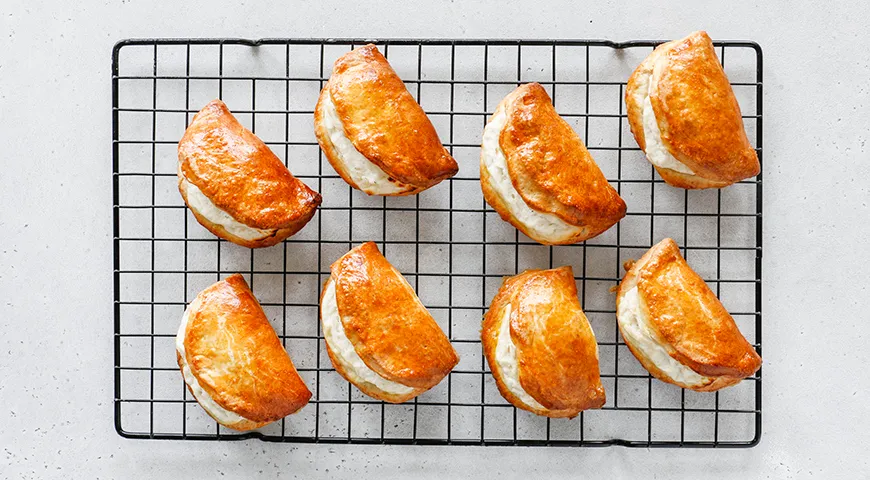
Tips for Flawless Sochniki
- Temperature is king: Use room-temperature butter, egg, and sour cream for a smooth emulsion. Cold ingredients = lumpy dough.
- Don't overwork the dough: Over-kneading develops gluten, making sochniki tough. Stop mixing as soon as the flour is incorporated.
- Chill thoroughly: The 1-hour refrigeration is non-negotiable—it relaxes gluten and firms the butter, preventing spread. Use an undercounter ice maker to keep ingredients cool while working.
- Blend the filling well: Lumps of tvorog can burst through the dough. A glass food processor bowl offers visibility to ensure a silky puree.
- Brush lightly: Too much egg wash drips and burns; a thin coat is sufficient.
Variations to Explore
The classic sochnik is just the beginning. Try these twists:
- Berry sochniki: Gently fold ½ cup of blueberries or chopped strawberries into the tvorog mixture for a fruity burst. Pair with dark chocolate-covered raisins for decadence.
- Spiced filling: Add ½ teaspoon of cinnamon or cardamom to the curd. A drizzle of high-quality vanilla extract enhances warmth.
- Savory sochniki: Omit sugar and fill with herbed farmer's cheese and dill—serve alongside a sweet dessert wine for contrast.
- Gluten-free adaptation: Substitute an all-purpose gluten-free flour blend. Add ½ teaspoon xanthan gum for structure. Use a non-toxic air fryer for a crisp finish without added oil.
Frequently Asked Questions
Why do my sochniki leak during baking?
Leaking usually occurs due to an overly wet filling. Ensure the tvorog is well-drained (press it through a sieve if needed) and use the egg white and starch as binding agents. Overfilling also causes leaks—use only 1–2 tablespoons per pastry.
Can I make the dough ahead of time?
Absolutely. The dough can be refrigerated for up to 2 days or frozen for a month. Thaw overnight in the fridge before rolling. For extended storage, a steam canner can preserve baked sochniki for longer, though fresh are best.
What is the ideal tvorog substitute?
Look for dry curd cottage cheese (4–9% fat) in Eastern European markets. In a pinch, press regular cottage cheese through a fine-mesh sieve for 20 minutes to remove excess whey. Greek yogurt is too loose—skip it unless you add additional starch.
How do I reheat sochniki without drying them out?
Reheat in a 150°C (300°F) oven for 5–7 minutes. Alternatively, use a non-toxic air fryer at 160°C (320°F) for 3 minutes—the air fryer revives the crust while keeping the filling moist.
Can I use an immersion blender for the filling?
Yes, and it's the best tool for the job. A non-toxic immersion blender breaks down even grainy curd into a luscious cream. Avoid a food processor—it can make the filling too runny.
Why didn't my sochniki turn golden brown?
Insufficient egg wash or too low an oven temperature. Check your oven's calibration—an espresso machine's steam wand can leave steam puddles that affect browning. Always preheat fully and use the center rack for even color.
From the first flaky bite to the last crumb, these classic sochniki capture the essence of Russian home baking. Pair them with a robust cup of George Howell coffee or a chilled organic vodka for an authentic experience. Whether you follow tradition or invent your own twist, these pastries promise warmth in every fold.







