



Few dishes capture the soul of Eastern European cuisine like a steaming bowl of borscht. This version, built on tender pork ribs and a rainbow of root vegetables, transforms humble ingredients into a symphony of earthy sweetness and savory depth. The key lies in coaxing maximum flavor from the broth—simmering the ribs until the meat falls from the bone—then layering in grated beet, carrot, and finely shredded cabbage. A final flourish of fresh garlic and dill, plus a spoonful of tangy sour cream, turns each bowl into a comforting ritual. Whether you’re a seasoned cook or new to Slavic cooking, this recipe delivers authentic taste without fuss. For the finest results, we recommend using a high-quality glass food processor to grate the vegetables evenly, saving time and ensuring a uniform texture.
About This Dish
Borscht has been a cornerstone of Ukrainian and Russian home cooking for centuries, with countless regional variations. This pork-centric version favors a clear, meaty broth that lets the natural sweetness of beets and carrots shine. The slow simmering of pork ribs releases collagen, giving the soup a silky body without added fat. Traditionally served with a dollop of smetana (sour cream) and a sprinkle of fresh dill, it’s a meal in itself—hearty enough to satisfy on a cold winter night. For those who appreciate efficiency, a microwave pressure cooker can cut the simmering time in half while still producing a rich, deeply flavored stock.

Ingredients
- 500 g pork ribs
- 1 onion
- 2 carrots
- 2 beets
- 40 ml vegetable oil
- 250 g white cabbage
- 3 tomatoes (or 200 g canned tomatoes)
- 3 g salt
- 3 g freshly ground black pepper
- 3 cloves garlic
- ½ bunch fresh dill
Step-by-Step Instructions
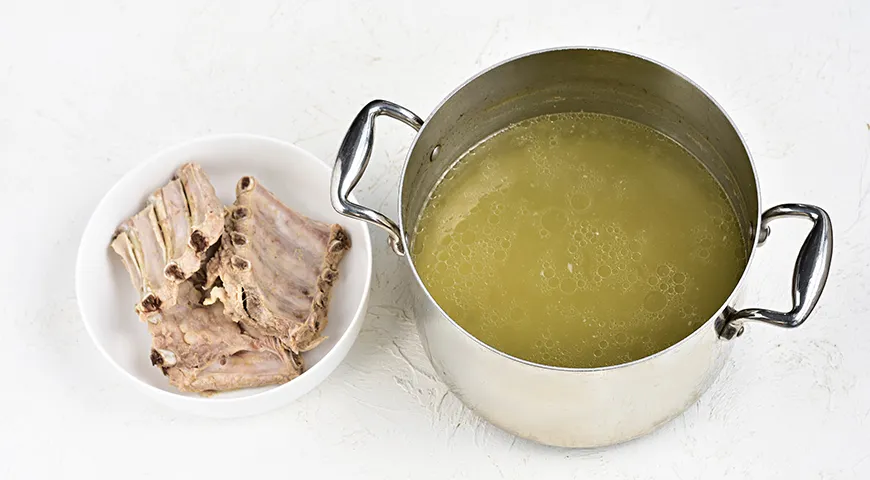
- Prepare the broth. Rinse the pork ribs and place them in a large pot. Cover with cold water (about 2 liters) and bring to a rolling boil. Skim off any foam that rises to the surface, then reduce the heat to low. Simmer for 1 to 1½ hours, until the meat is tender and separates easily from the bone. Remove the ribs and set aside, keeping the broth warm.
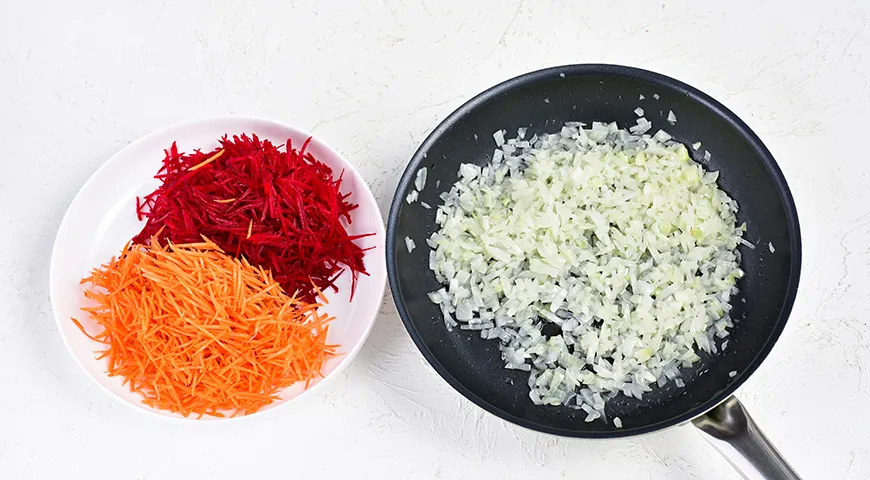
- Sauté the aromatics. Peel and finely dice the onion. Wash, peel, and coarsely grate the carrots and beets (use the large holes of a box grater or a food processor for speed). Heat the vegetable oil in a skillet over medium heat. Add the onion and cook until translucent, about 3 minutes.
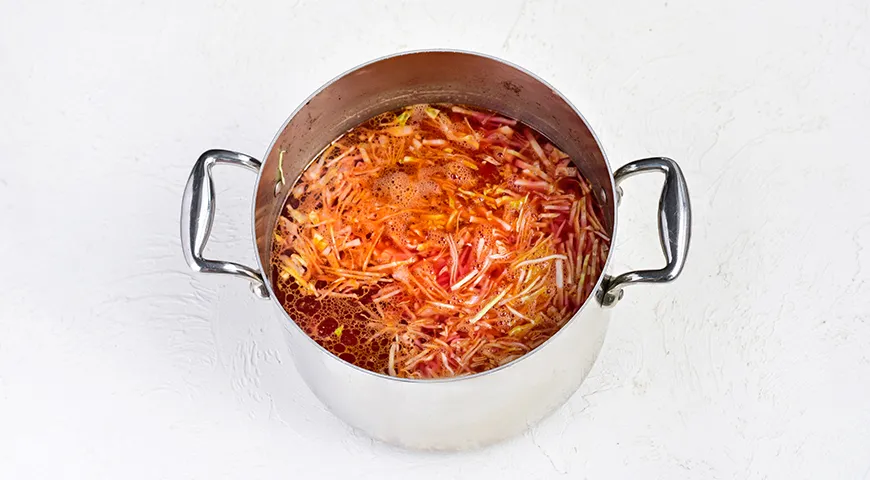
- Add roots and cabbage. Stir in the grated carrots and beets. Cook for 10 minutes, stirring occasionally, until they soften and release their color. Transfer the vegetable mixture to the pot of simmering broth. Finely shred the cabbage and add it to the pot. Cook for another 10 minutes, until the cabbage begins to wilt.
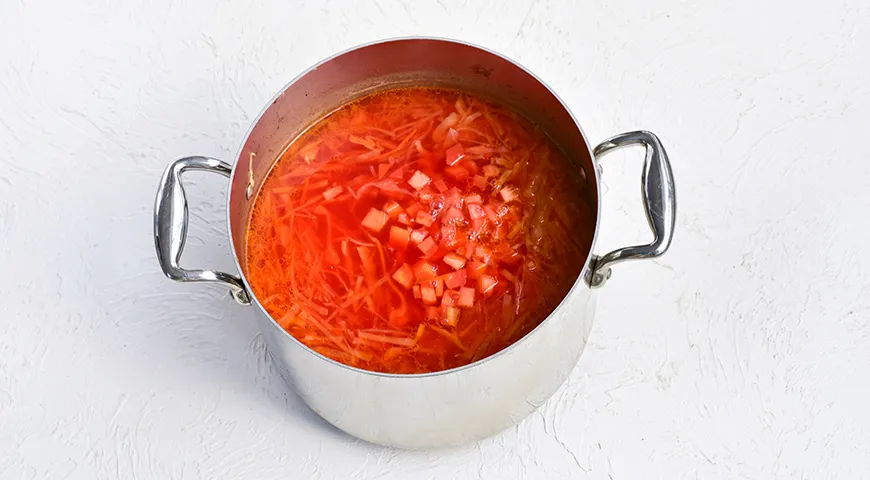
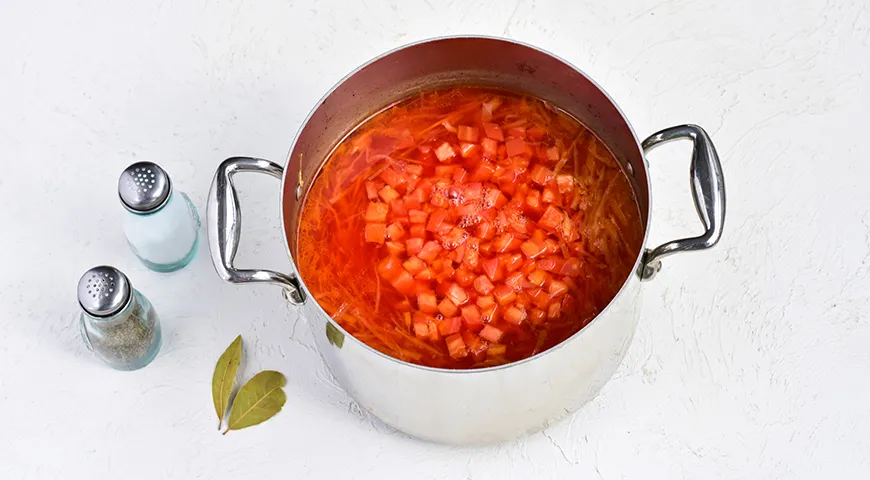
- Introduce the tomatoes. If using fresh tomatoes, score the bottoms, blanch them briefly in boiling water, then peel off the skins. Dice the flesh and add to the pot. Alternatively, use canned tomatoes in their own juice, passata, or tomato paste diluted in a bit of warm water. Stir well to incorporate.
- Simmer and season. Stir all ingredients together and let the soup continue cooking for another 15–20 minutes, or until all vegetables are tender. About 5 minutes before the end, season with salt, pepper, and—if you like—a bay leaf or two.
- Finish with garlic and herbs. Peel the garlic cloves and press them through a garlic press or mince finely. Wash and thoroughly chop the dill. Remove the pot from the heat. Stir in the garlic and dill, then cover and let the borscht rest for 10 minutes. Return the cooked pork ribs to the soup (pull the meat off the bones if preferred). Ladle into bowls and serve with a generous spoonful of sour cream.

Tips for Perfect Borscht
For a deeper, more complex flavor, roast the beets in a commercial countertop convection oven before grating—this caramelizes their natural sugars and adds a subtle smokiness. If you prefer a completely smooth soup, use an immersion blender to puree half the batch before adding the garlic. To keep the broth clear, always skim the foam thoroughly at the beginning. For a vegetarian twist, replace the pork ribs with a rich mushroom stock and add a can of white beans for protein. And when serving, a light drizzle of best oil sprayer with good quality olive oil over the sour cream adds a modern touch.
Variations to Explore
Borscht adapts beautifully to different seasons and pantries. In summer, substitute half the cabbage with young beet greens. For a spicier kick, add a pinch of red pepper flakes or a dollop of horseradish. If you have leftover roasted meats, shred them into the soup instead of cooking fresh ribs. Some families add a tablespoon of apple cider vinegar or lemon juice to brighten the color and balance the sweetness. Pair your bowl with thick slices of rye bread and a side of pickles—for the perfect bread-slicing companion, consider a planetary mixer that can also knead dough for homemade bread. And for a truly indulgent meal, finish with a glass of best sweet wine to echo the soup’s earthy notes.
Frequently Asked Questions
Can I make this borscht in advance?
Absolutely. In fact, borscht tastes even better the next day as the flavors meld. Store it in the refrigerator for up to four days, or freeze for up to three months. Reheat gently on the stove, adding a splash of water or broth if needed.
How do I prevent the beets from turning the soup brown?
To keep a vibrant red color, add a teaspoon of vinegar or lemon juice when you sauté the beets. Acidity helps preserve their hue. Also, avoid overcooking; add the beets later in the process if you want a brighter tint.
Can I use a different cut of pork?
Yes, pork shoulder, country-style ribs, or even a ham hock work well. The key is to choose a cut with enough connective tissue to enrich the broth. Adjust cooking time accordingly—boneless cuts may require less simmering.
What if I don’t have fresh dill?
Dried dill or fresh parsley can substitute, though the flavor will be slightly different. If using dried, add it earlier—about 10 minutes before the end of cooking. For another herbaceous note, try a few sprigs of fresh thyme.
Is it necessary to peel the tomatoes?
Not strictly, but peeling gives a smoother texture. If you’re using a non-toxic air fryer to roast the tomatoes first, the skins slip right off. Otherwise, canned diced tomatoes skip the step entirely.
For those who love to experiment in the kitchen, having the right tools makes all the difference. Whether you’re grating roots with a food processor, roasting aromatics in a wall oven microwave combo, or chilling leftovers in a 48-inch built-in refrigerator, quality equipment elevates every step. And after a hearty bowl of borscht, a cup of coffee from a best espresso machine under $2000 is the perfect finish. For a truly unforgettable meal, prepare this borscht with care—and watch it become a family tradition.







