


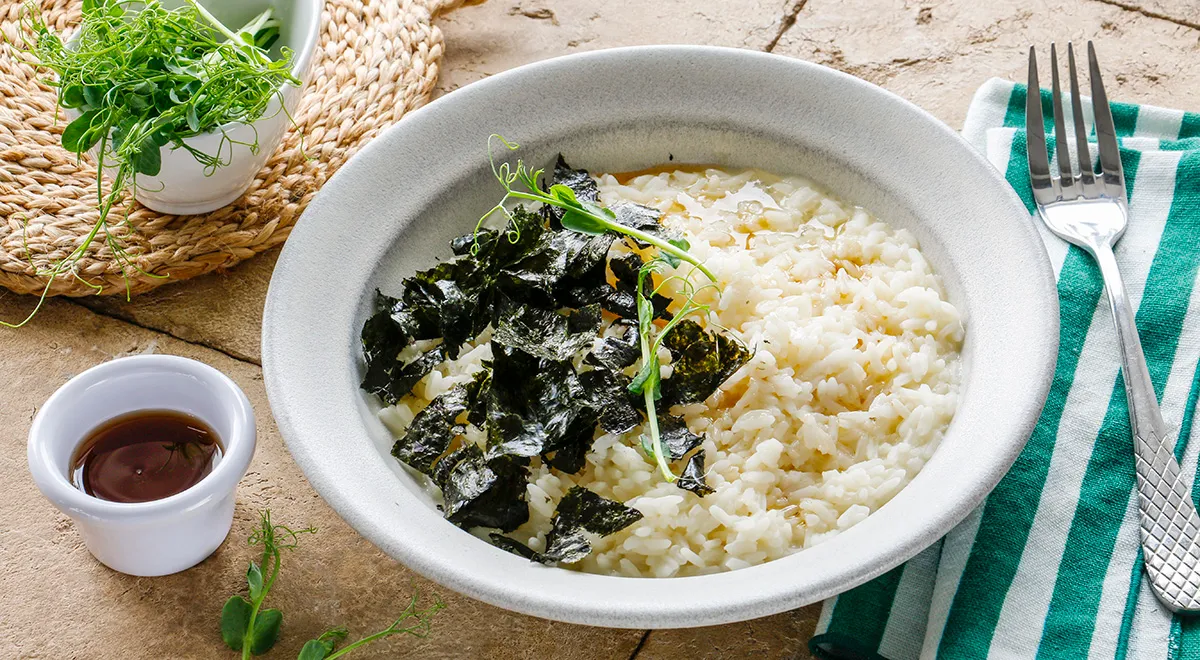
There is something profoundly comforting about a bowl of silky, savory rice porridge. In China, this humble breakfast staple is known as congee, and it can be dressed up in countless ways. This particular version—flavored with a softly cooked egg and delicate threads of nori—is a masterclass in simplicity. The rice is not rinsed, preserving its starch to create a lush, velvety texture. Finished with a drizzle of dark sesame oil, each spoonful is both soothing and deeply satisfying. Perfect for a slow morning or a nourishing recovery meal, this recipe proves that minimal ingredients, treated with care, yield extraordinary results.
About This Dish: A Morning Ritual from China
Chinese savory rice porridge is a beloved comfort food that varies from region to region. Unlike sweet rice puddings, this version relies on the natural umami of eggs and seaweed, with a gentle saltiness that awakens the palate. The key to its luxurious consistency is using high-starch short-grain rice—the kind reserved for sushi—and soaking it overnight. This technique, common in traditional Chinese cooking, allows the grains to break down completely during cooking, resulting in a porridge that is creamy without any added dairy. For those exploring slow-cooked grains, a microwave pressure cooker can speed up the process, but the classic stovetop method remains the gold standard.

Ingredients
- 100 g short-grain sushi rice (do not rinse)
- 1–2 large eggs (C1 or C0 size)
- 1 sheet nori (unseasoned, approximately 10×10 cm)
- Pinch of salt
- Dark sesame oil, for serving
The ingredient list is refreshingly short. Nori adds a whisper of the ocean, while the sesame oil provides a nutty finish. If you want to experiment with other oils, consider a high-quality best oil sprayer to control portions perfectly.
Step-by-Step Instructions
Step 1: Soak the Rice Overnight
In a saucepan, combine the rice with 625 ml of filtered or bottled water (2.5 cups). Let it soak overnight, 8–12 hours. This softening step is essential for achieving the signature velvety texture.
Step 2: Cook the Porridge
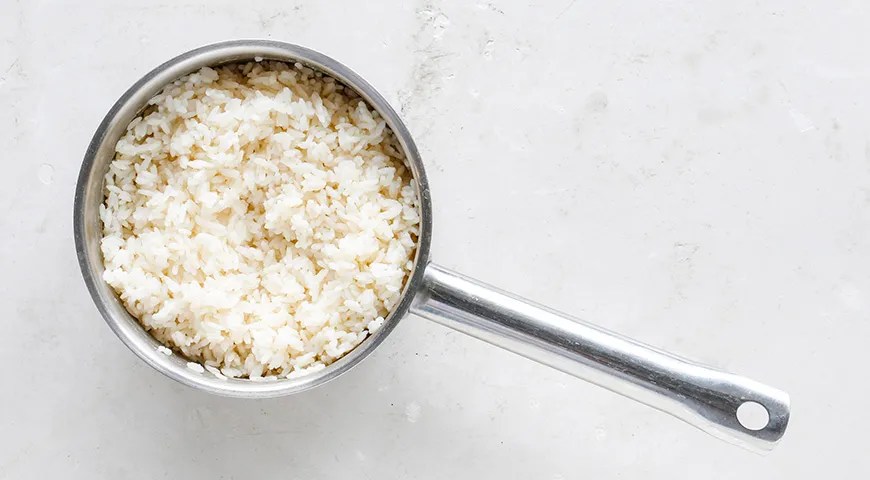
The next morning, stir the soaked rice and water, then place the saucepan over high heat. Bring to a boil, add a pinch of salt, then reduce to medium-low and let it simmer until the rice is completely broken down—about 20 minutes. Stir occasionally to prevent sticking. For extra smoothness, you can use an immersion blender at this point, though traditionalists prefer the rustic texture.
Step 3: Add the Egg
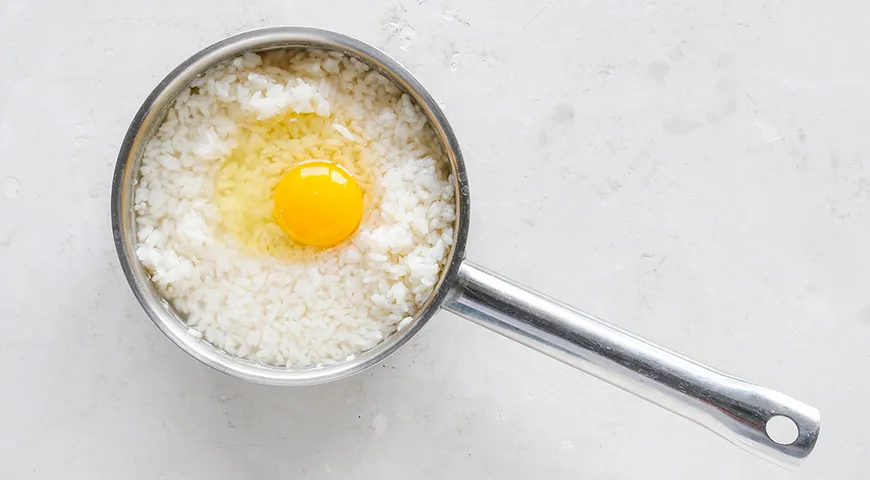
Crack one or two eggs directly into the simmering porridge. Reduce the heat to low and continue cooking for 4 minutes, without stirring. The egg will gently poach inside the porridge, creating soft, silky ribbons of yolk and white.
Step 4: Prepare the Nori and Serve
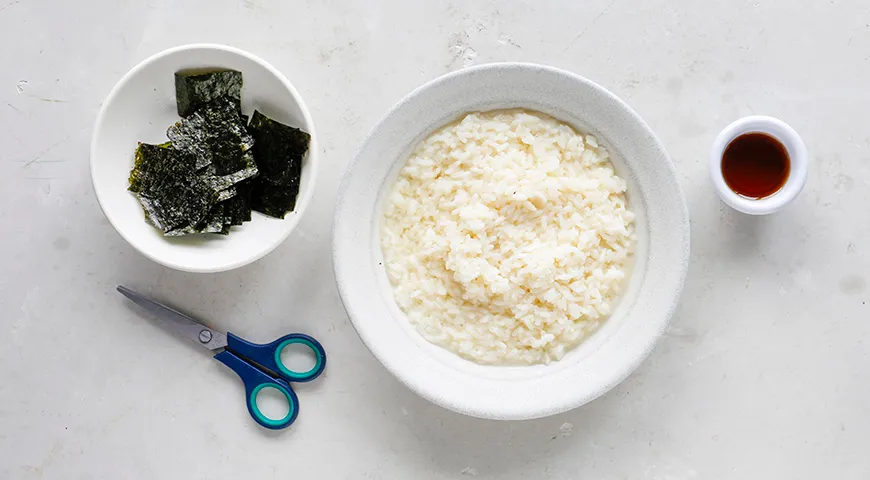
While the porridge finishes, use kitchen shears to cut the nori sheet into small, bite-sized pieces. Ladle the porridge into a bowl, drizzle with dark sesame oil, and sprinkle generously with nori. Serve immediately, accompanied by green or black tea. A quality espresso machine under 2000 might be overkill, but a simple teapot is perfect.
Tips for Perfect Rice Porridge
- Do not rinse the rice. The surface starch is what creates the creamy consistency. Rinsing would wash it away.
- Use short-grain sushi rice. Its high starch content is ideal. Other varieties may yield a thinner, less satisfying texture.
- Monitor the heat. A vigorous boil can cause the porridge to stick or scorch. Once it thickens, keep it at a gentle simmer.
- Egg timing is crucial. Four minutes on low heat yields a soft-set egg. Adjust by a minute if you prefer firmer yolk.
- Season sparingly. Nori and sesame oil bring their own subtle saltiness. Taste first before adding extra salt.
For those who love precision, a refrigerant leak detector won’t help here, but a reliable kitchen scale will ensure perfect rice-to-water ratios.
Variations to Explore
Once you master the basic porridge, feel free to customize. Add thinly sliced green onions, a dash of soy sauce, or a spoonful of chili crisp for heat. Vegetarians can omit the egg and double the nori, or stir in sautéed mushrooms for earthy depth. For a protein boost, try shredded cooked chicken. If you want to bake your own bread alongside, a wall oven microwave combo with air fryer saves counter space while delivering multiple cooking functions.
Frequently Asked Questions
Can I use long-grain rice?
While possible, it won’t yield the same creamy result. Long-grain rice has less starch and takes longer to break down. Stick with short-grain for the authentic texture.
How do I store leftovers?
Refrigerate in an airtight container for up to three days. The porridge will thicken considerably; thin it with a splash of water or broth when reheating.
Can I make this without an overnight soak?
Yes, but the texture will be less silky. Increase the cooking time to 45–50 minutes, and stir frequently to encourage the grains to break down.
Is this recipe gluten-free?
Absolutely. Rice, eggs, nori, and sesame oil are naturally gluten-free. Always check your nori packaging for cross-contamination warnings if you’re celiac.
What’s the best tea to serve with it?
Green or black tea complements the porridge beautifully. A robust oolong or a smoky lapsang souchong can add another layer of complexity. For coffee lovers, a quality George Howell coffee would also pair nicely.
For more breakfast inspiration, explore our guide to Pa de Pessic Catalan Sponge or discover the best chocolate-covered raisins for a sweet afternote. And if you’re stocking your kitchen, a food processor for nut butter can help you make your own sesame paste for drizzling.
This Chinese savory rice porridge is more than a meal—it’s a moment of calm. The gentle ritual of soaking, simmering, and seasoning invites you to slow down and savor the simple pleasures.







