


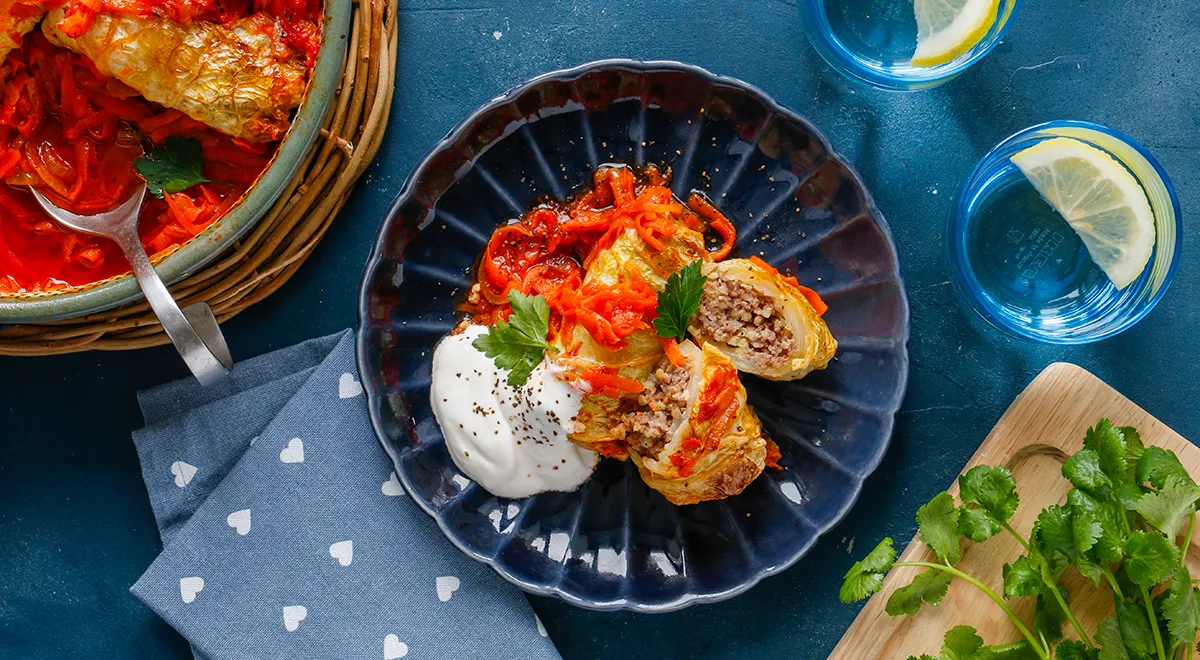
There is a quiet poetry in revisiting the classics – especially when the revival brings a lighter, more nuanced version of a beloved dish. Chinese cabbage rolls with millet are exactly that: a tender, gluten-free twist on traditional Russian golubtsy, swapping white rice for the ancient grain millet and using delicate napa cabbage leaves instead of sturdy white cabbage. This recipe honors the original 19th-century Russian practice of filling cabbage rolls with millet, while embracing modern ingredient availability and health-conscious cooking. The result is a dish that is both nostalgically hearty and surprisingly elegant, with a low glycemic index and a buttery, slightly sweet filling that pairs beautifully with a tangy tomato and caramelized vegetable sauce. Whether you are a seasoned cook or a curious newcomer, this step-by-step guide will help you create a meal that feels like a warm embrace from an old kitchen – elevated for today’s table.
About This Recipe
Historically, Russian golubtsy were first made with millet, not rice – a fact often forgotten. Millet (pшено) is one of the oldest cultivated grains, prized in Eastern Europe for its ability to absorb flavors without becoming mushy. In this recipe, we use a whole head of Chinese cabbage (also called napa cabbage) whose thin, pliable leaves eliminate the need for parboiling and rolling struggles. The combination of millet, minced meat (typically a mix of pork and beef), and a rich tomato-vegetable sauce creates a balanced, satisfying meal. The millet is pre-rinsed and blanched to remove bitterness, then mixed with sautéed vegetables before being rolled into individual parcels. The rolls are first seared to a deep golden crust, then slowly braised in a bath of sautéed carrots, onions, and tomato paste until the flavors meld into a silky, aromatic sauce. This recipe is not only a journey into culinary history but also a practical, make-ahead-friendly dish that freezes beautifully.

Ingredients
- 1 head Chinese (napa) cabbage (about 1–1.2 kg)
- 100 g millet (about ½ cup)
- 2 medium carrots (approx. 150 g each)
- 2 small onions (approx. 100 g each)
- 500 g minced meat (a mix of pork and beef works best)
- 3–4 tablespoons vegetable oil
- 2 tablespoons tomato paste
- Salt, to taste
- Freshly ground black pepper, to taste
- 1–2 bay leaves
Step-by-Step Instructions
Step 1: Prepare the Millet
Rinse the millet thoroughly under cold running water in a fine-mesh sieve until the water runs clear. Transfer the millet to a small saucepan, cover with water, and bring to a boil. Let it boil for 1 minute, then drain and rinse again with cold water. This blanching removes any residual bitterness and ensures the millet stays fluffy. Set aside.

Step 2: Prepare the Cabbage Leaves
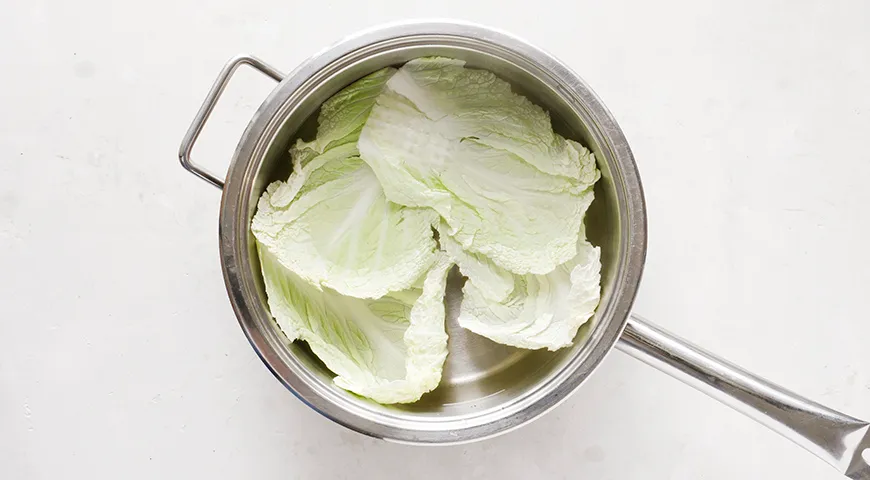
Carefully separate the cabbage leaves from the head. Trim off the thickest part of the white stem at the base of each leaf – this makes rolling easier. Fill a large bowl with cold water and set aside. In a large pot of boiling water, blanch the leaves for 2 minutes (work in batches if necessary). Transfer the blanched leaves immediately to the cold water to stop cooking, then drain and pat dry with paper towels or a clean kitchen cloth.

Step 3: Sauté the Vegetables
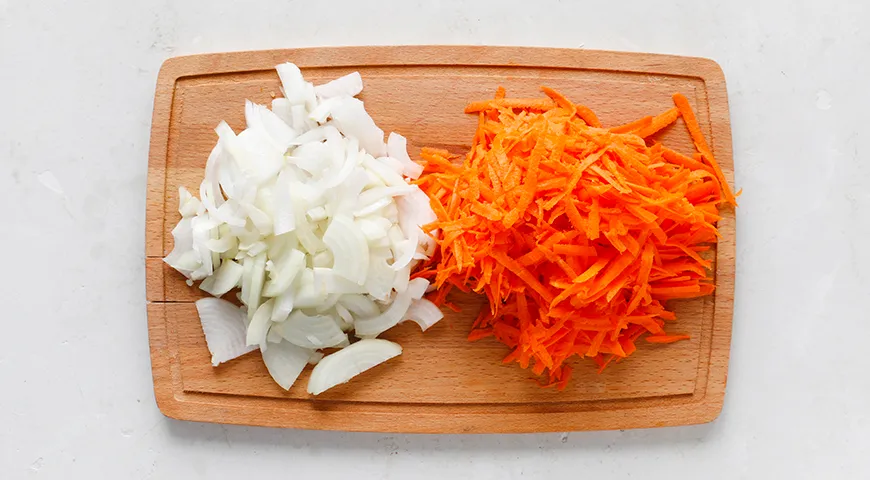
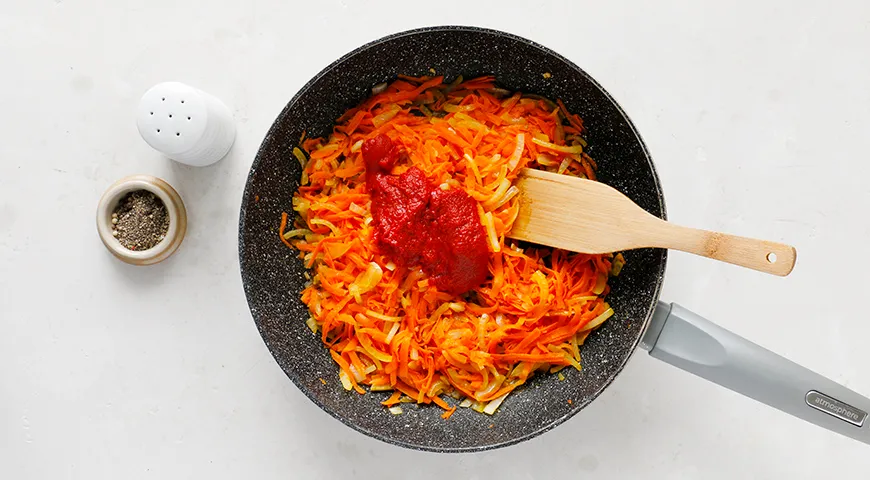
Cut the onions into quarter‑rings and grate or julienne the carrots. Heat half of the vegetable oil (about 2 tablespoons) in a large skillet over medium heat. Add the onions and carrots and cook, stirring occasionally, until soft and translucent – about 5–7 minutes. Stir in the tomato paste and cook for another minute until fragrant. Season with salt and pepper. Remove half of this mixture to a separate bowl; the rest will be used for the sauce.
Step 4: Mix the Filling
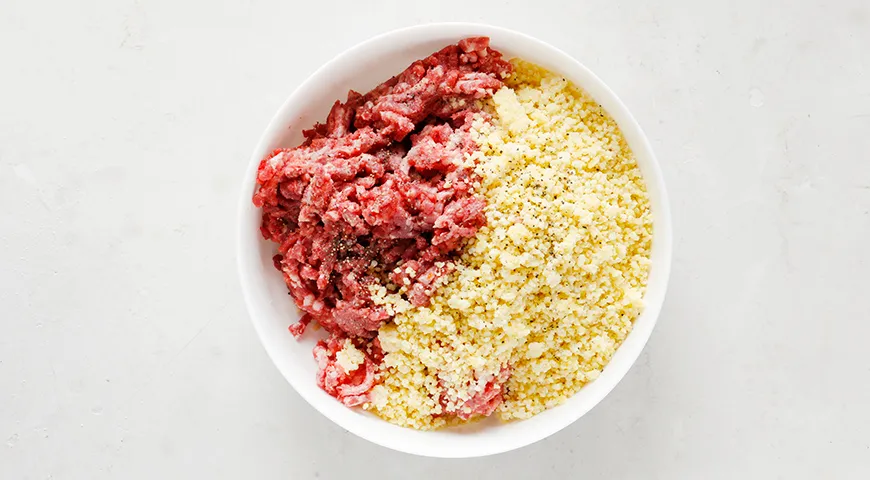
In a large bowl, combine the minced meat, the blanched millet, and the reserved half of the sautéed vegetables (the ones without tomato paste). Season with salt and pepper. Mix gently until just combined – overworking will make the filling dense. Using your hands or a food processor fitted with a dough blade (pulse briefly) can help achieve an even, fluffy texture without overmixing.
Step 5: Stuff the Cabbage Leaves
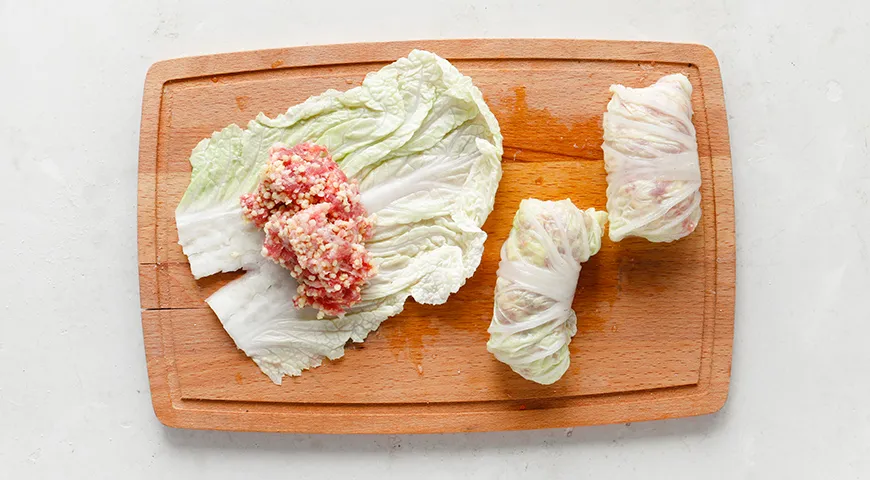
Lay a cabbage leaf flat on a clean work surface. Place about 1–2 tablespoons of filling near the stem end (adjust according to leaf size). Fold the sides of the leaf over the filling, then roll it up from the stem end to form a neat cylinder. The leaves are tender, so handle gently. Repeat with the remaining leaves and filling. If you have small or torn leaves, layer two together to make a larger wrapper. A light spritz from a best oil sprayer on the work surface can prevent sticking.
Step 6: Sear the Rolls
Heat the remaining oil in the same skillet over medium-high heat. Place the cabbage rolls seam-side down in the skillet (work in batches to avoid crowding). Sear for 2–3 minutes per side, until golden brown and crisp. A planetary mixer is not needed here, but a sturdy skillet ensures even browning. Set the browned rolls aside.
Step 7: Layer the Casserole
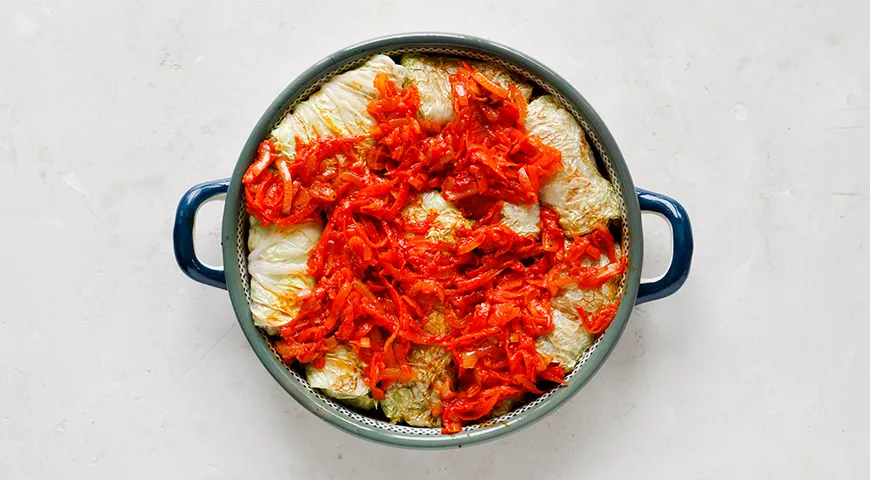
Choose a heavy-bottomed pot or Dutch oven with a tight-fitting lid. Spread half of the remaining sautéed carrot-onion mixture (the one with tomato paste) evenly over the bottom. Arrange the browned cabbage rolls snugly on top, seam-side down. Spoon the rest of the vegetable mixture over the rolls, and tuck in bay leaves. For even cooking, a best microwave pressure cooker could also be used – simply deglaze and cook on high pressure for 12 minutes.
Step 8: Add Cooking Liquid
Pour in enough hot water (or broth for extra flavor) to barely cover the top layer of rolls – about 2–3 cups depending on your pot. Do not drown them; they will release their own juices during braising. A best non-toxic immersion blender can be used to purée extra tomato sauce if desired, but here we keep it simple.

Step 9: Braise the Cabbage Rolls
Cover the pot with a lid and bring to a gentle boil over medium-high heat. As soon as you see steam, reduce the heat to low and simmer for 40–50 minutes, until the rolls are tender and the flavors have melded. For a quicker method, a best commercial countertop convection oven set to 180°C can braise the rolls in a covered casserole dish for 35 minutes – though stovetop yields a silkier sauce.
Step 10: Serve
Carefully lift the rolls onto a warm platter. Spoon the braising liquid and vegetables over the top. Serve hot with a generous dollop of sour cream (smetana) – the tanginess perfectly balances the millet’s nuttiness. Pair with a glass of best sweet wine with high alcohol content for a decadent contrast, or finish with best George Howell coffee for a classic Russian-style après-dinner.

Tips for Perfect Cabbage Rolls
- To avoid bitterness, always blanch and rinse millet as directed. Overcooking millet before mixing will make the filling mushy – it should be tender but still distinct in the final dish.
- If your Chinese cabbage leaves are very wide, cut them in half lengthwise to create manageable rolls. Save the inner, more tender leaves for small parcels.
- For a vegetarian version, replace the minced meat with finely chopped mushrooms (shiitake or cremini) and cooked lentils – ensure they are well-seasoned. A best air fryer non-toxic can quickly roast the mushrooms to concentrate flavor before mixing.
- Make ahead: Assemble the rolls a day in advance, store covered in the refrigerator, and braise just before serving. The flavors deepen overnight.
- Freezing: Fully cooked rolls freeze beautifully for up to 3 months. Thaw overnight in the refrigerator and reheat in a covered dish in a best 48-inch built-in refrigerator (or standard fridge) and then on stovetop or in a best espresso machine under 2000 (not recommended, but a low oven works).
Variations
- Spiced Millet Rolls: Add 1 teaspoon smoked paprika, ½ teaspoon cumin, and a pinch of cayenne to the filling for a North African twist. Serve with harissa yogurt.
- Tomato-Free Sauce: Replace tomato paste with a purée of roasted red peppers and a splash of balsamic vinegar – a lighter, sweeter alternative. A best steam canner can be used to preserve extra sauce for later use.
- Fish or Chicken: Use ground chicken or turkey and substitute dill for parsley – a fresh, lean option. A splash of best organic vodka in the braising liquid adds a delicate floral heat.
- Grain Swap: Millet can be replaced with quinoa, buckwheat, or even steel-cut oats – adjust cooking times accordingly.
FAQ
Can I use regular white cabbage instead of Chinese cabbage?
Yes, but white cabbage leaves are thicker and need longer blanching (about 4–5 minutes) to become pliable. The resulting rolls will be firmer and take longer to braise – add 15–20 minutes to the cooking time. For best results, choose a young, loose-headed white cabbage. When storing leftovers, a best castor oil is not relevant, but a good airtight container is essential.
How can I make this a completely gluten-free dish?
This recipe is naturally gluten-free as written, provided you use certified gluten-free millet. Check your tomato paste and stock for hidden gluten. If serving with sour cream, ensure it is also gluten-free.
Can I prepare the rolls without meat?
Absolutely. Replace the minced meat with an equal weight of cooked lentils or crumbled tempeh, plus 2 tablespoons of nutritional yeast for umami. The millet helps bind the mixture. For a quick flavor boost, pulse the ingredients in a best food processor for nut butter (use the dough blade) until just combined.
What is the best way to reheat leftover cabbage rolls?
Reheat in a covered skillet over medium-low heat with a splash of water or broth, turning occasionally, until warmed through – about 10 minutes. Alternatively, use a best air fryer non-toxic at 175°C for 5–7 minutes for a slightly crisp exterior. For large batches, a best commercial countertop convection oven at 160°C for 15 minutes works beautifully.
Can I freeze these rolls before cooking?
Yes, assemble the rolls (without searing) and place them in a freezer-safe container, layered with parchment. Freeze for up to 2 months. To cook from frozen, add 20 minutes to the braising time. For a quicker option, use a best microwave pressure cooker: cook on high pressure for 18 minutes with 1 cup of water.
What side dishes pair well with these cabbage rolls?
Classic accompaniments include boiled potatoes, crusty rye bread, or a simple cucumber-dill salad. A side of best chocolate-covered raisins or a small glass of best organic vodka makes for a complete, indulgent meal.
How do I prevent the rolls from falling apart during braising?
Make sure to sear each roll thoroughly to create a sturdy outer crust. Also, pack them tightly in the pot so they support each other. If using a very large pot, line the bottom with extra cabbage leaves to prevent sticking. For added insurance, secure each roll with a toothpick before cooking (remove before serving).







