


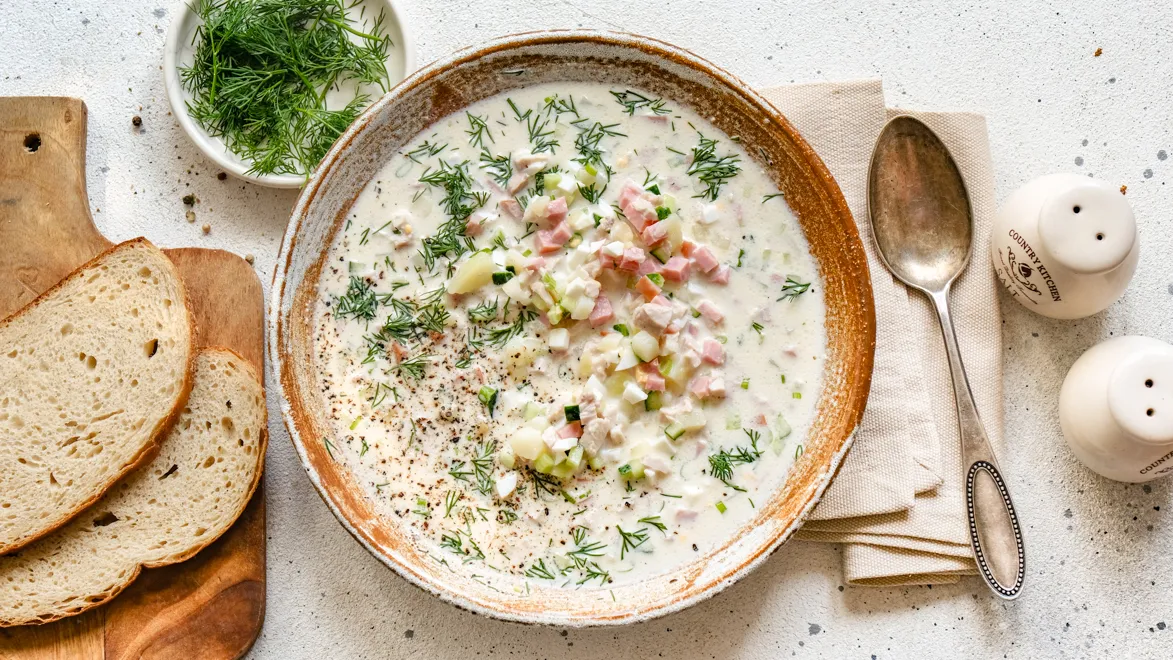
Okroshka is the quintessential Russian summer soup—a chilled, tangy, and herbaceous bowl that combines tender chicken, fresh vegetables, and a creamy broth. This version, made with a delicate chicken broth instead of the traditional kvas, offers a lighter, more refined take that still delivers all the refreshing satisfaction. Whether you are a seasoned cook or a curious newcomer, this recipe will guide you through every step to create an elegant, nourishing meal perfect for warm afternoons and al fresco dining.
About This Classic Russian Soup
Okroshka (from the Russian word kroshit, meaning to crumble) has been a staple of Russian cuisine for centuries. Traditionally made with fermented rye bread drink (kvas) or sour milk (prostokvasha), this cold soup is a canvas for seasonal produce and leftover meats. Here, we use a clear, gelatin-rich chicken broth as the base, which pairs beautifully with ham, eggs, and cucumbers. The result is a soup that is both elegant and humble—a true taste of Russian summer. For more inspiration on crafting broths, see our guide on the best microwave pressure cooker for quick stocks.

Ingredients for Okroshka on Chicken Broth
To serve 4–6 portions, gather the following fresh ingredients:
- 4 young potatoes (about 300 g)
- 150 g ham (or cooked chicken from the broth)
- 4 large eggs
- 2 medium cucumbers
- 2–3 stalks green onion
- 3 sprigs fresh dill
- 3 tbsp sour cream
- 3 tbsp mayonnaise (optional, for extra creaminess)
- 1 lemon (juice only)
- Salt and freshly ground black pepper to taste
- 1–2 chicken thighs (skin and fat removed)
- 1 onion, peeled
- 1 carrot, peeled
- 2 bay leaves
- 4–5 black peppercorns
- 1.5 liters cold drinking water
For the best texture, choose waxy, firm cucumbers and young potatoes. If you prefer a richer broth, consider using a commercial countertop convection oven to roast the chicken thighs before boiling—they develop deeper flavor.
Step-by-Step Preparation
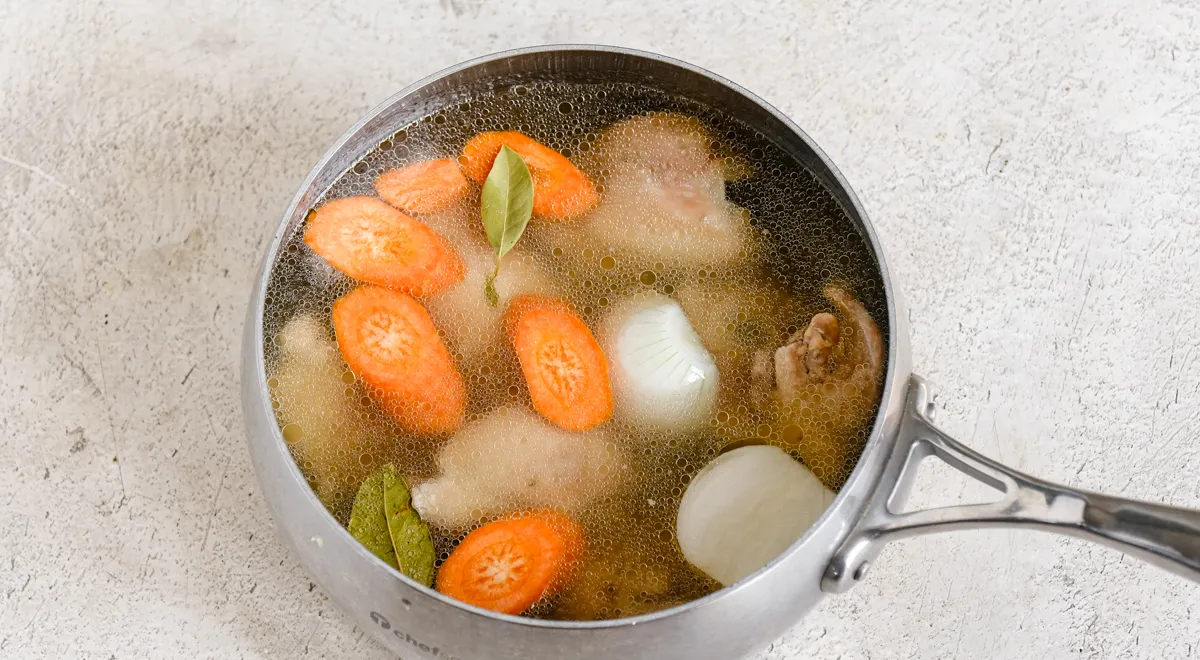
- Prepare the chicken broth. Peel the onion and carrot. Remove skin and visible fat from the chicken thighs. Place the thighs in a pot, add 1.5 liters of cold drinking water. Bring to a boil over high heat, then immediately reduce to the lowest setting. Carefully skim off any foam. Add salt, the whole onion, carrot, bay leaves, and peppercorns. Cover and simmer gently for 40–45 minutes, never allowing a rapid boil.
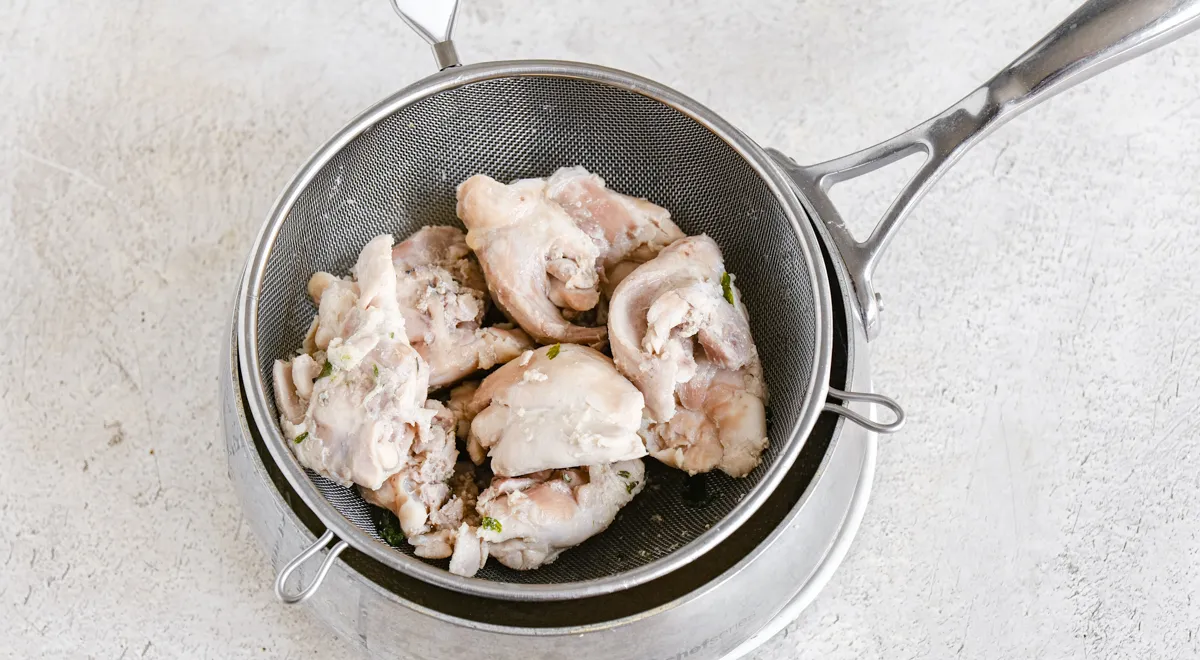
- Strain and cool the broth. After cooking, remove the chicken thighs from the broth. Strain the liquid through a fine-mesh sieve; discard the vegetables and spices. Let the broth cool to room temperature, then refrigerate until completely chilled (at least 2 hours). Meanwhile, remove the chicken meat from the bones and set aside for later.
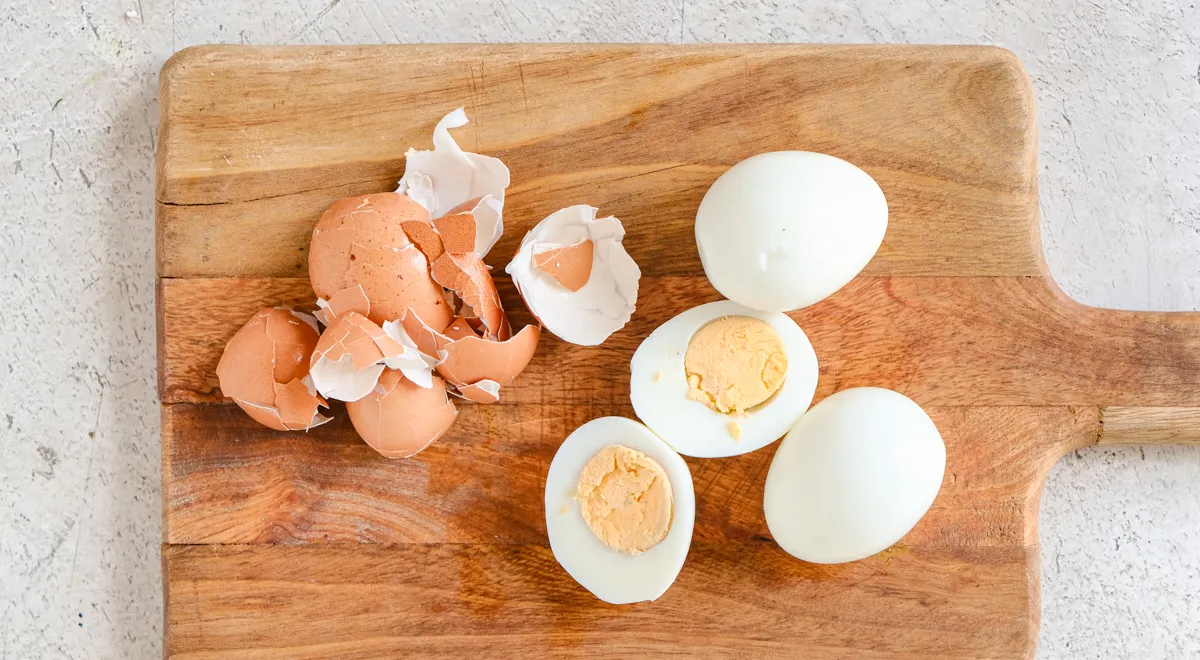
- Cook the eggs. Place eggs in a small saucepan, cover with cold water, and bring to a boil over high heat. Boil for 2 minutes, then cover, remove from heat, and let stand in the hot water for 15 minutes. Drain and fill the pan with cold water to cool the eggs. Peel and set aside.
- Boil the potatoes. Scrub the young potatoes thoroughly (peeling is optional). Place them in a pot, cover with hot water, add salt, and boil over medium heat for 15–20 minutes until tender. Drain, let cool slightly, then peel and cut into small cubes.
- Dice all ingredients. Cut the cooked chicken, eggs, potatoes, ham, and cucumbers into small, uniform cubes (about 1 cm). Finely slice the green onions. Combine everything in a large mixing bowl. Season with salt and black pepper, then gently toss with two forks or a spatula.
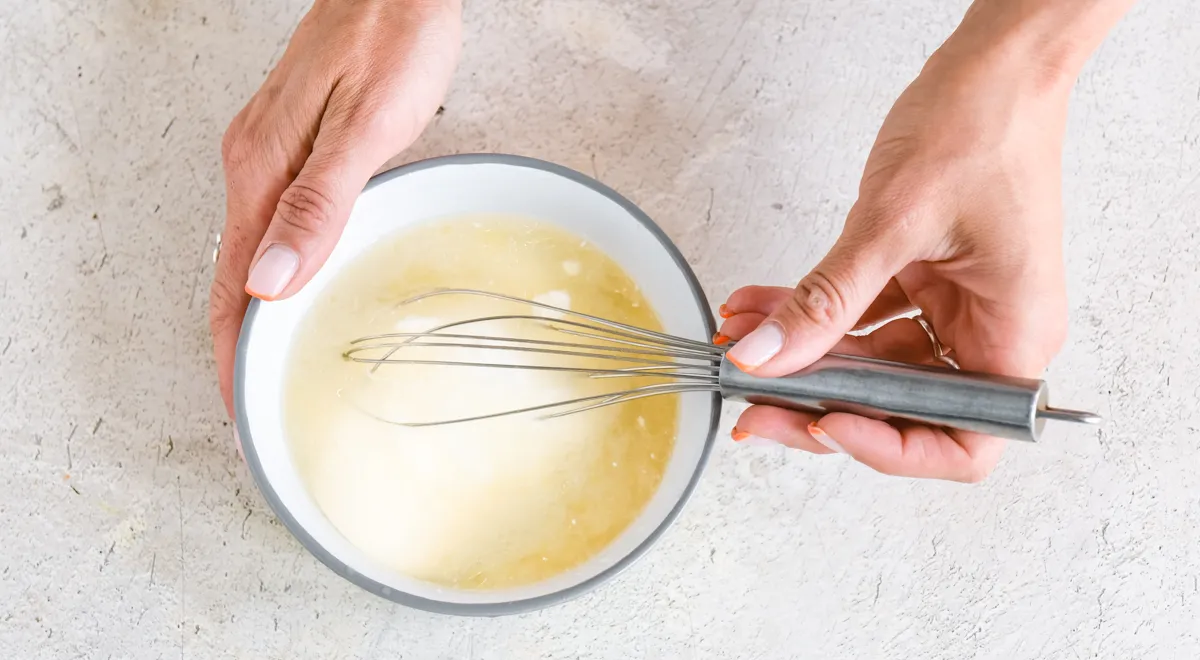
- Prepare the dressing. In a separate bowl, whisk together the mayonnaise and sour cream until smooth. Slowly add this mixture to the chilled, strained broth, whisking continuously. Pour the dressed broth over the diced ingredients. Squeeze 2 tablespoons of lemon juice directly into the soup and stir to combine.
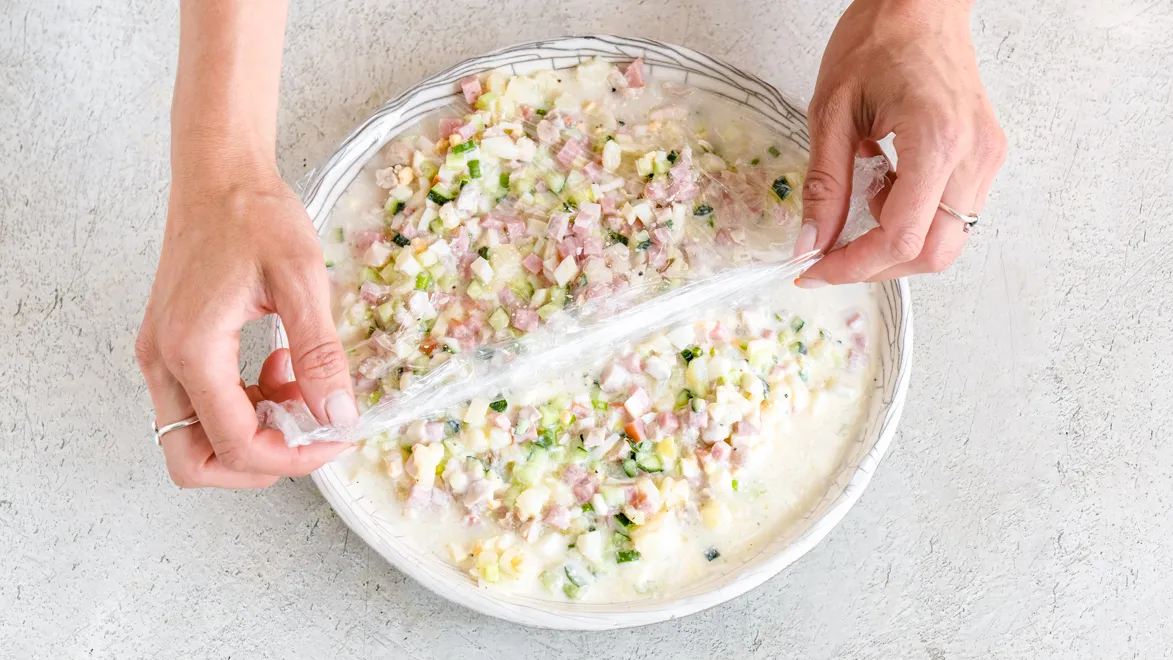
- Chill and serve. Cover the soup pot with plastic wrap and refrigerate for at least 1 hour—the flavors meld and deepen. (It can be kept chilled up to 24 hours.) To serve, ladle into bowls and garnish with finely chopped fresh dill. If you have leftover broth, consider using an non-toxic immersion blender to puree the soup for a smoother texture.


Tips for the Perfect Okroshka
To achieve the ideal balance of flavors and textures, keep these pointers in mind:
- Chill thoroughly – Okroshka should be ice-cold. If the broth isn’t fully cold before mixing, the soup will become lukewarm. Plan ahead.
- Uniform dice – Cutting all solids to the same size ensures every spoonful is harmonious. A best glass food processor can speed up this task.
- Use young vegetables – Young potatoes and cucumbers have thinner skins and a delicate crunch that elevates the soup.
- Skim the fat – After chilling the broth, remove any solidified fat from the surface—it would make the soup greasy. Use a slotted spoon or pass through a best steam canner for a clean finish (though a fine sieve also works).
- Adjust acidity – The lemon juice should be bright but not overpowering. Taste and add a little more salt or pepper as needed.
Variations to Explore
This chicken broth okroshka is endlessly adaptable. Try these twists:
- Smoked fish version – Replace ham with flaked smoked mackerel or trout for a Baltic-inspired spin.
- Vegetarian okroshka – Use vegetable broth and omit the chicken and ham; add extra boiled potatoes, radishes, and a handful of chopped hard-boiled eggs.
- Herb overload – Besides dill, add chopped parsley, chives, or even sorrel for a tangy, green note.
- Spiced broth – Add a cinnamon stick or star anise to the chicken broth for a subtle warmth that pairs unexpectedly well with the cold soup.
- Pairing suggestion – Serve alongside a chilled glass of best sweet wine with high alcohol content or a crisp best organic vodka for a true Russian experience.
Frequently Asked Questions
Can I make okroshka without chicken broth?
Yes, traditional okroshka often uses kvas or buttermilk. Chicken broth is a lighter alternative. For a dairy-free base, try coconut milk with kefir—see our best non-toxic air fryer for crispy tofu croutons to add texture.
How long does okroshka keep in the refrigerator?
Covered and chilled, okroshka stays fresh for up to 24 hours. The potatoes may soften slightly, but the flavor improves. Do not freeze—the vegetables become mushy.
Can I use leftover rotisserie chicken?
Absolutely. If using pre-cooked chicken, skip the broth-making step and use a high-quality store-bought chicken broth. For an extra-flavorful base, enhance it with best store-bought au jus for prime rib (diluted) for a savory boost.
Why is my okroshka watery?
This usually happens if the cucumbers release too much liquid. Salt them lightly before dicing and let them drain for 10 minutes. Alternatively, use a best oil sprayer to mist the bowl with a little oil before mixing—it helps hold textures together.
Can I make okroshka vegan?
Yes! Use vegetable broth, silken tofu instead of eggs, and vegan ham. A creamy cashew-based dressing works wonderfully. For a complete meal, pair with a side from our Catalan sponge (Pa de Pessic) for a sweet finish.
What kind of potatoes are best?
Waxy, low-starch potatoes such as red or new potatoes hold their shape after boiling. Avoid russets—they crumble. For flawless peeling, consider a best espresso machine under 2000? No, that’s unrelated. Instead, a best chocolate covered raisins for a quick dessert pairing? Well, not directly—use a best food processor for nut butter to make a smooth potato salad if you have leftovers.
Can I add other vegetables?
Radishes, celery, and even blanched asparagus tips are lovely additions. Be creative, but keep the dice small so they blend in.
This chicken broth okroshka is a celebration of summer’s bounty and a testament to the beauty of cold soups. Serve it with crusty bread and a dollop of extra sour cream for a meal that satisfies on the hottest days. For more kitchen inspiration, explore our reviews of the best wall oven microwave combo with air fryer or the best planetary mixer—every tool matters when crafting the perfect dish.







