


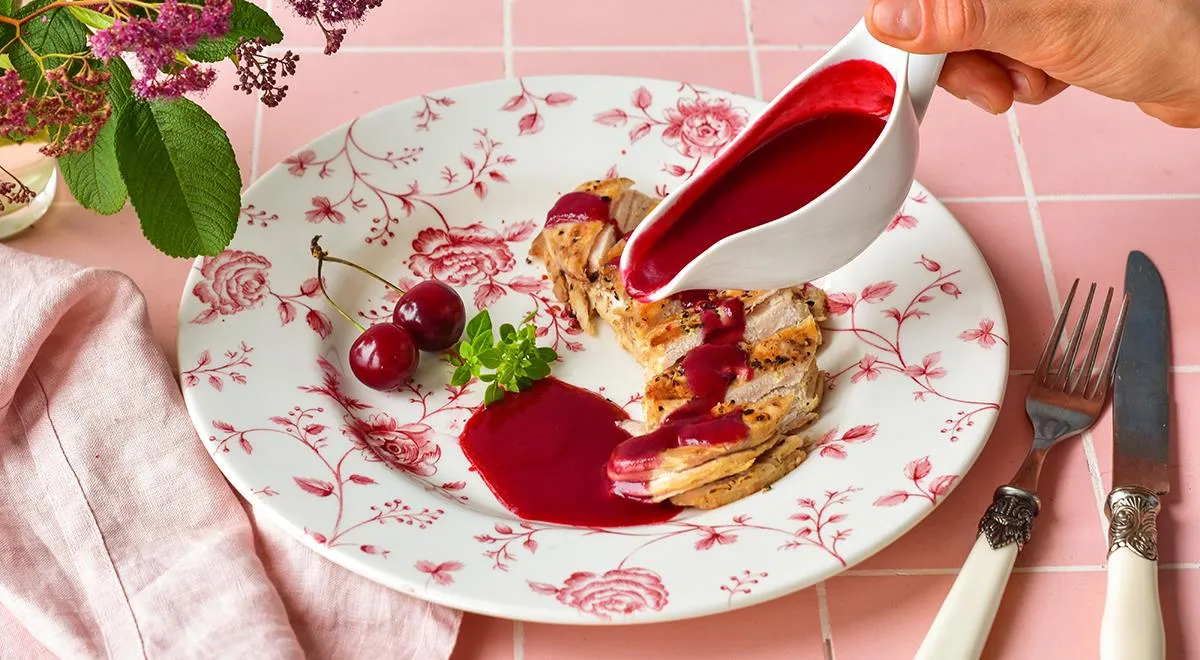
Imagine a sauce so luxurious it transforms a simple piece of meat into a masterpiece. That is the magic of cherry sauce for meat, a classic Russian accompaniment that marries sweet, tart cherries with deep red wine and warm spices. Originally a staple of aristocratic kitchens in Tsarist Russia, this sauce embodies the perfect balance—bright fruitiness cut through with savory notes, ideal for roasted beef, game, or poultry. In this high-end recipe, we elevate every step, from selecting the ripest cherries to finishing with a velvety, glossy texture. Whether you are a seasoned home chef or an adventurous foodie, this guide will walk you through creating a restaurant-worthy condiment that will impress at any dinner party. For more essential tools to perfect your culinary creations, explore our guide to the best glass food processors and best non-toxic immersion blenders.
About This Cherry Sauce Recipe
This recipe, adapted from the renowned Russian culinary website Gastronom.ru, is a gem for those who appreciate depth of flavor. It uses 500 g of fresh or frozen cherries and 250 ml of dry red wine as the base, complemented by a bouquet of spices: allspice, cloves, nutmeg, coriander, cinnamon, sugar, and salt. A touch of potato starch thickens the sauce to a luscious consistency, while butter adds a silky finish. The result is a versatile sauce that pairs beautifully with everything from grilled steak to roasted duck. For the best results, use a high-quality planetary mixer or food processor for pureeing to ensure a perfectly smooth texture.

Ingredients
- 500 g cherries (fresh or frozen, pitted)
- 250 ml dry red wine (e.g., Cabernet Sauvignon or Merlot)
- 30 g unsalted butter
- 80 g granulated sugar
- 10 g potato starch
- 15 g salt
- 8 allspice berries
- 1 cinnamon stick (or 5 g ground cinnamon)
- 8 coriander seeds
- 3 g ground nutmeg
- 1 clove
Note: All quantities are in metric units for precision. For substitutes, see the best chocolate-covered raisins article for inspiration on fruit pairings.
Step-by-Step Instructions
Follow these detailed steps to create the perfect cherry sauce. Each stage builds flavor, so take your time.
Step 1: Prepare the Cherries
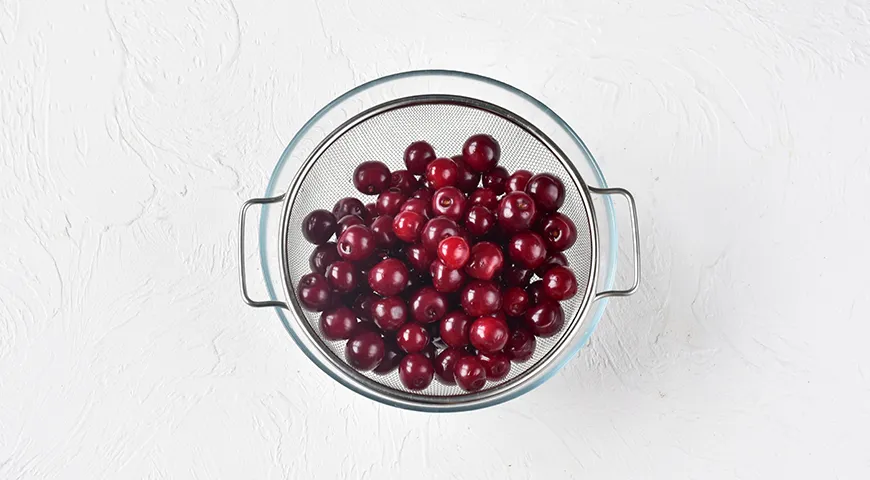
Sort through the cherries, removing stems, leaves, and any bruised or spoiled fruit. Rinse under cold running water, then drain in a colander and pat dry with a clean kitchen towel. This ensures no impurities affect the sauce’s color or taste.
Step 2: Infuse the Wine with Spices
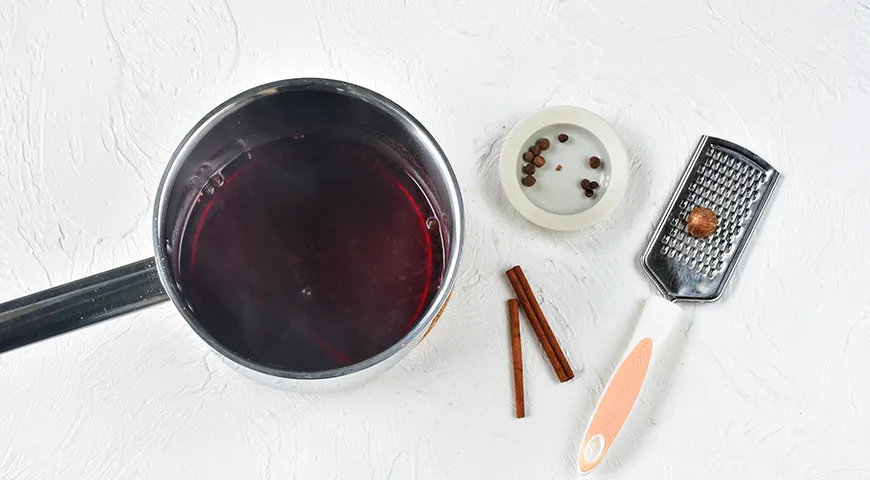
Pour the red wine into a small saucepan. Add the allspice berries, clove, ground nutmeg, coriander seeds, cinnamon stick, sugar, and salt. Bring to a boil over medium heat, then reduce to the lowest setting and let simmer for about 5 minutes. This step extracts the aromatic compounds, creating a fragrant base.
Step 3: Pit and Puree the Cherries
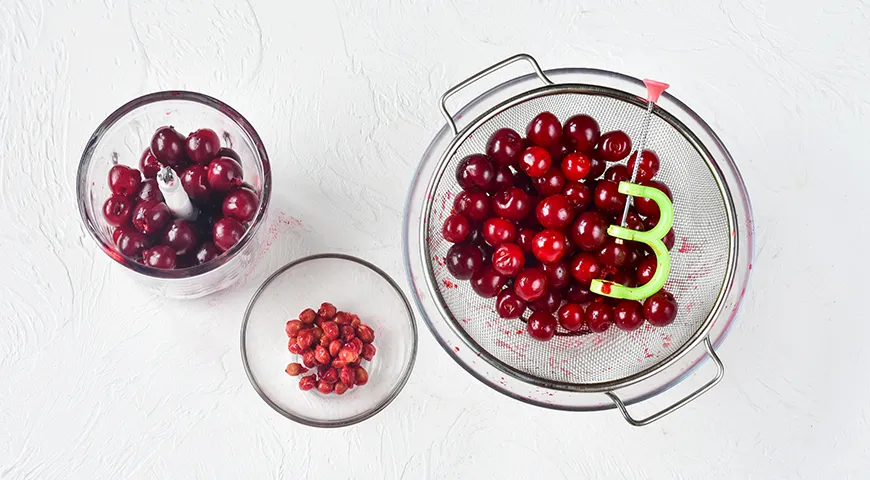
Remove the pits from the cherries. If you don’t have a cherry pitter, use the eye of a safety pin or a chopstick. Place the pitted cherries in a blender or food processor and blitz until smooth. For the smoothest puree, a wheatgrass juicer can also work, but a blender is easiest.
Step 4: Cook the Cherry Puree with Spices
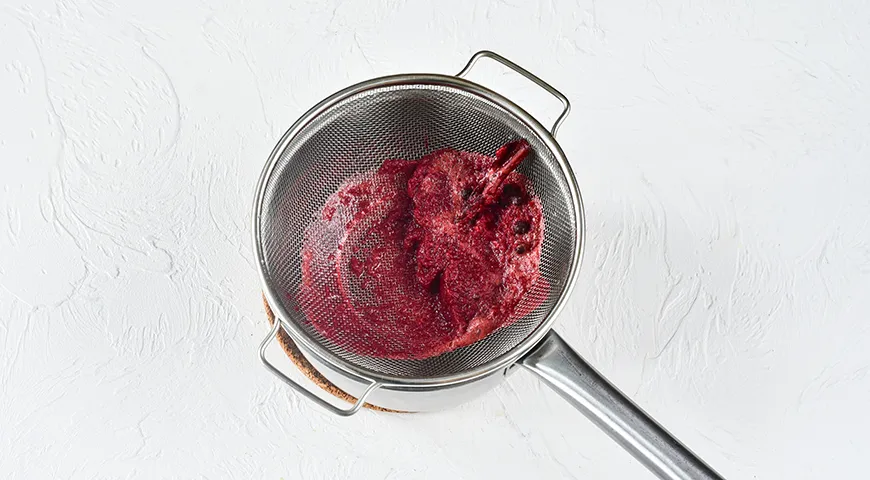
Add the cherry puree to the saucepan with the spiced wine. Bring to a boil, then reduce heat and simmer, stirring frequently, for 2–3 minutes. The mixture will darken and thicken slightly. Remove from heat and strain through a fine-mesh sieve to remove any spice solids, then return the strained puree to the saucepan. Stir in the butter until fully melted and incorporated.
Step 5: Thicken with Potato Starch
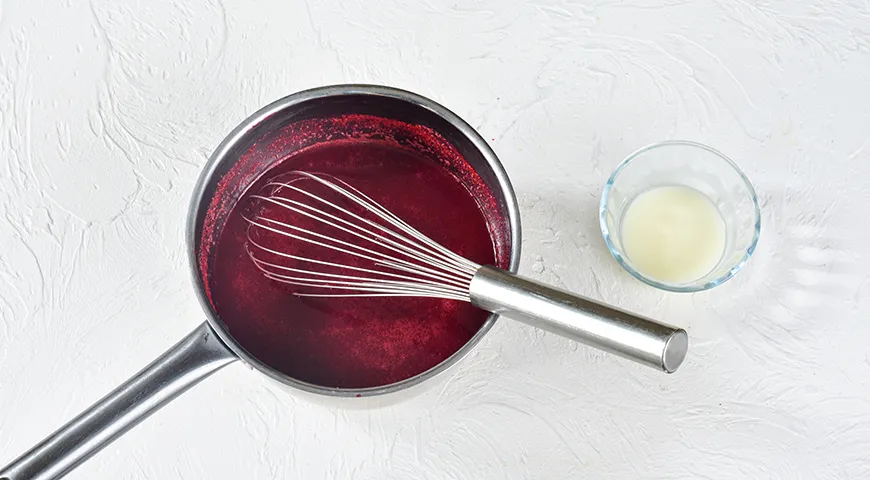
Dissolve the potato starch in a small bowl with 2–3 tablespoons of cold water, following the package instructions. Pour the slurry into the sauce and stir immediately to combine. Return the saucepan to medium heat and cook, stirring constantly, until the sauce thickens to a glossy, pourable consistency—usually 1–2 minutes. Be careful not to boil too rapidly or the starch may clump.
Step 6: Cool and Serve
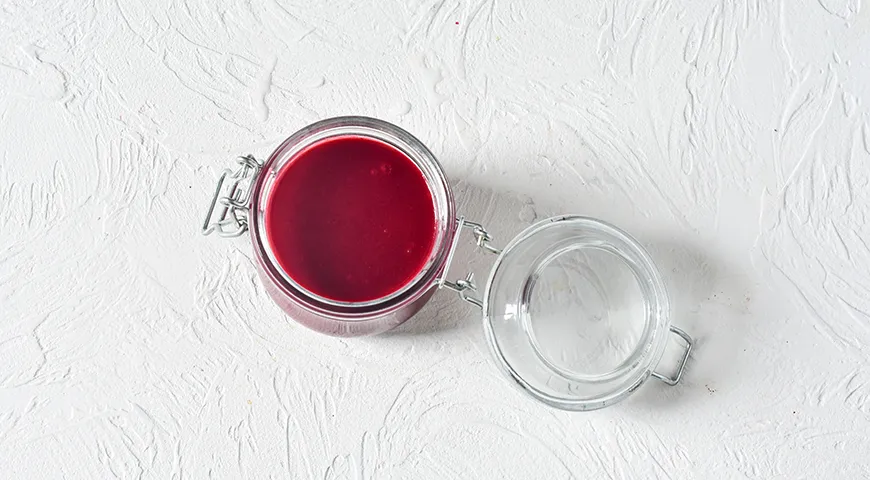
Remove the sauce from heat and let it cool to room temperature. It will thicken further as it cools. Serve alongside roasted or grilled meats such as beef, veal, poultry, or even rich fish like salmon. For an elegant presentation, drizzle over a plate and place the meat on top.
Tips for the Perfect Cherry Sauce
- Choose quality cherries: Use ripe, sweet-tart cherries. If using frozen, thaw and drain them first.
- Balance acidity: If your wine is very dry, adjust sweetness with an extra teaspoon of sugar. For a richer flavor, try a sweet wine with high alcohol content.
- Avoid lumps: Always dissolve starch in cold water before adding to hot liquid. Stir continuously as it thickens.
- Strain thoroughly: Spice residue can be gritty; pass through a sieve for a velvety texture.
- Make ahead: The sauce can be refrigerated for up to a week. Reheat gently, adding a splash of wine or water if needed.
Delicious Variations
This cherry sauce is endlessly adaptable. For a smoky twist, replace the red wine with a robust George Howell coffee infusion for an unexpected depth. Want a touch of heat? Add a pinch of chili flakes alongside the spices. For a more complex flavor, substitute the butter with a high-quality castor oil (though be mindful of taste). Another variation uses organic vodka in place of wine for a sharper, cleaner taste. If you prefer a fruitier profile, mix in a spoonful of best lava flavors syrup. For those who love pairing sauces with sides, try this sauce over a Catalan sponge cake for an unconventional dessert pairing—yes, sweet and savory!
FAQ
Can I use frozen cherries for this sauce?
Absolutely. Frozen cherries work perfectly; just thaw them fully and drain excess liquid to avoid thinning the sauce. For tips on handling frozen fruit, see our best steam canner guide for preserving methods.
What meat does cherry sauce pair best with?
It is exceptional with roasted or grilled red meats like beef tenderloin, lamb racks, or duck. It also complements game meats such as venison or boar. For poultry, try it with roast chicken or turkey. A non-toxic air fryer can cook chicken thighs to perfection—then top with this sauce.
How do I make the sauce vegan?
Replace butter with a neutral plant-based oil or vegan margarine. Use a starch like arrowroot powder instead of potato starch. For wine, choose a vegan-friendly brand. Our best espresso machine under $2000 article is unrelated, but it’s a fun read for your coffee station.
Can I make this sauce without wine?
Yes. Substitute the red wine with 250 ml of unsweetened pomegranate juice or a rich beef broth for a non-alcoholic version. Add a teaspoon of balsamic vinegar for acidity. For more kitchen equipment ideas, explore best undercounter ice maker machines for chilling drinks.
Why did my sauce turn out too thin?
Over-dilution often happens if you skip the starch or use too much liquid. Ensure you measure the potato starch accurately and cook until thickened. If still thin, mix another teaspoon of starch with water and simmer briefly. A microwave pressure cooker can also help reduce the sauce quickly.
How long does cherry sauce last?
Stored in an airtight container in the refrigerator, it keeps for up to 7 days. You can also freeze it for up to 3 months—thaw in the fridge and reheat gently. For larger batch preparation, a commercial countertop convection oven may not be needed, but it’s handy for roasting meats to accompany the sauce.
Final Thoughts
This cherry sauce is more than a condiment—it is a celebration of contrasts: sweet and sour, fruity and savory, elegant and rustic. Perfect for holiday dinners or fancy weeknight meals, it elevates any dish it touches. For the best experience, serve it alongside a perfectly roasted prime rib—perhaps paired with a store-bought au jus for prime rib for an extra layer of flavor. Pair this sauce with a robust red wine and enjoy the applause from your guests. If you are looking for more sauce recipes, check our best lava flavors guide for inspiration. Happy cooking!







