


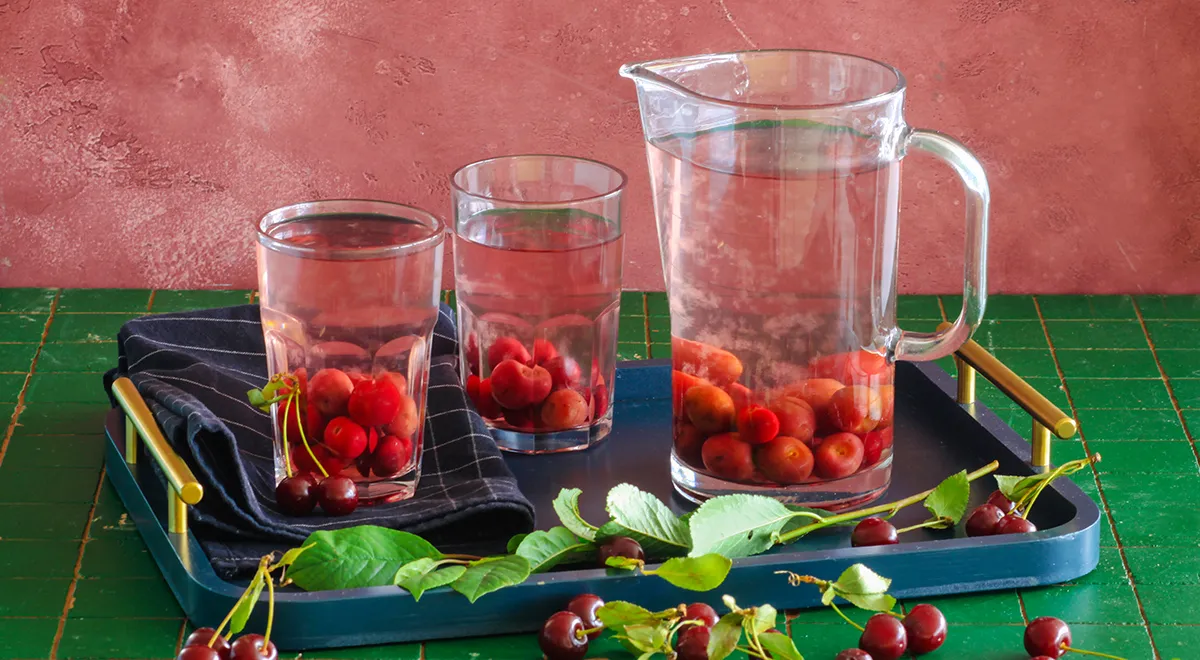
There is nothing quite like the taste of summer preserved in a jar. This traditional Russian recipe for cherry and sweet cherry compote captures the vibrant essence of ripe stone fruits, offering a lightly sweet, deeply flavorful drink that can be enjoyed year-round. With a perfect balance of tart cherries and honeyed sweet cherries, this compote is a beloved staple in Eastern European pantries. Whether you are a seasoned home canner or a curious beginner, this guide will walk you through every step with precision and flair.
About This Classic Summer Compote
Compote, known as kompot in Russian, is not just a beverage—it is a cultural tradition. Unlike heavily sweetened commercial juices, homemade compote relies on the natural sugars and pectin of the fruit, enhanced with just enough sugar to balance acidity. The combination of sour cherries (Prunus cerasus) and sweet cherries (Prunus avium) creates a layered flavor profile that is both refreshing and comforting. This recipe yields 5 litres of compote, ideal for stocking your pantry or sharing as heartfelt gifts. To achieve the best results, use only the freshest, blemish‑free berries and sterilized jars. For inspiration on other preserving tools, consider this best steam canner guide.

Ingredients for Cherry and Sweet Cherry Compote
- Fresh sour cherries – 1.3 kg
- Fresh sweet cherries – 1.3 kg
- Granulated sugar – 750 g (150 g per 1‑litre jar)
- Drinking water – 5 litres
Pro tip: You can adjust the sour‑to‑sweet ratio based on your taste. For a tangier compote, use more sour cherries; for a sweeter result, increase the sweet cherries. The sugar quantity is flexible—reduce if your cherries are very ripe. Pair your compote with homemade treats like this Catalan sponge cake for a delightful dessert.
Step‑by‑Step Canning Instructions
Step 1: Prepare the Berries
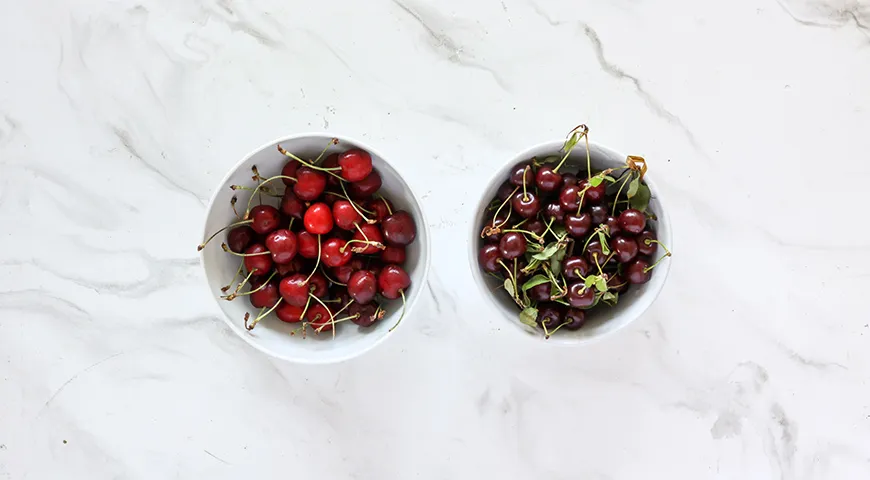
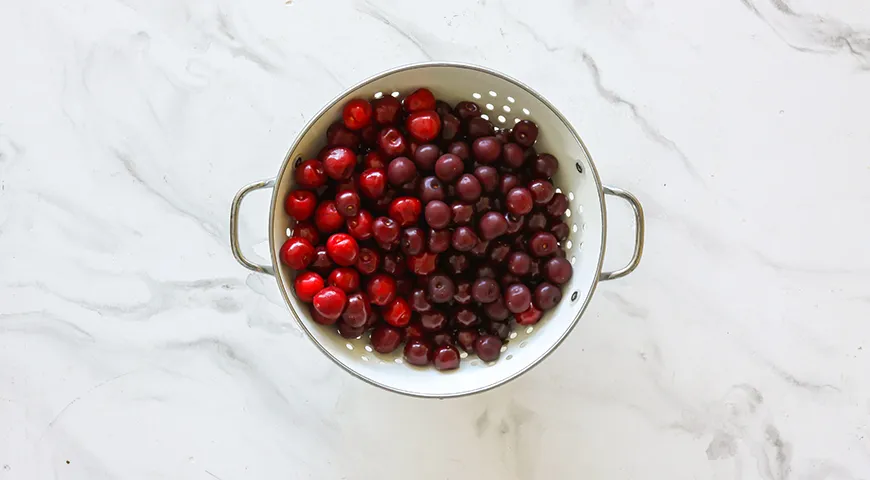
Place the cherries and sweet cherries in a colander. Remove stems and any damaged fruit. Rinse thoroughly under cold running water. Allow excess liquid to drain completely.
Step 2: Sterilize Jars and Lids
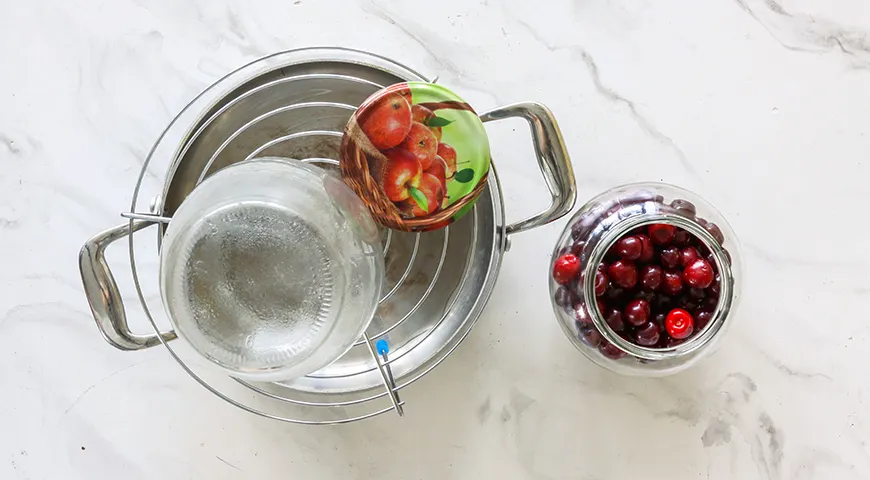
Sterilize five 1‑litre jars in the oven (120°C for 15 minutes) or over steam. Pour boiling water over the metal lids. Proper sterilization ensures a safe seal. A reliable microwave pressure cooker can speed up the process if you are short on time.
Step 3: Fill Jars with Berries
Divide the cleaned berries evenly among the prepared jars. Fill each jar about halfway—this allows room for the syrup and plumps the fruit.
Step 4: First Fill with Boiling Water
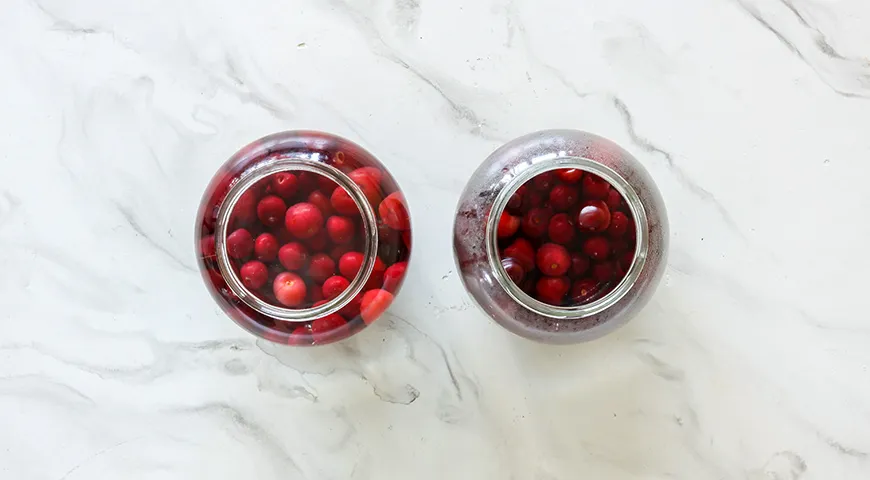
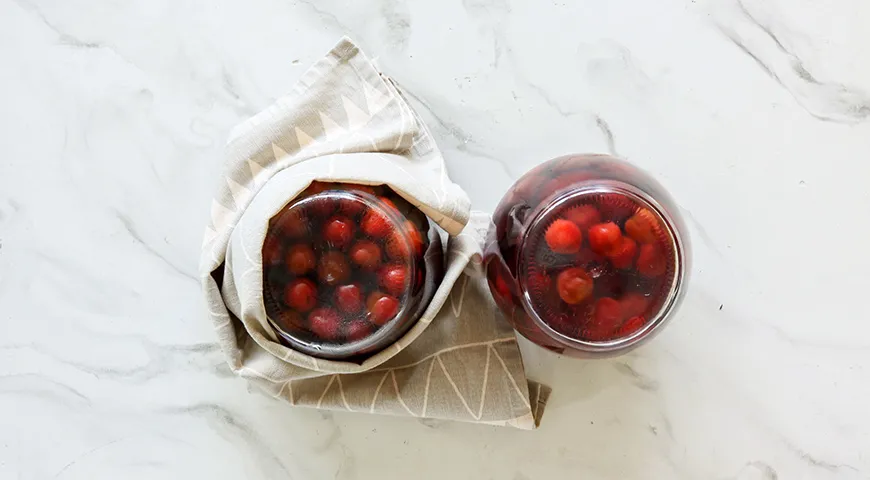
In a large pot, bring 4.5–5 litres of water to a rolling boil. Carefully pour the boiling water into each jar, filling halfway, then top up to the brim. Cover loosely with lids, wrap the jars in a towel, and let them sit for 20 minutes. This step extracts flavor and softens the fruit.
Step 5: Make the Sugar Syrup
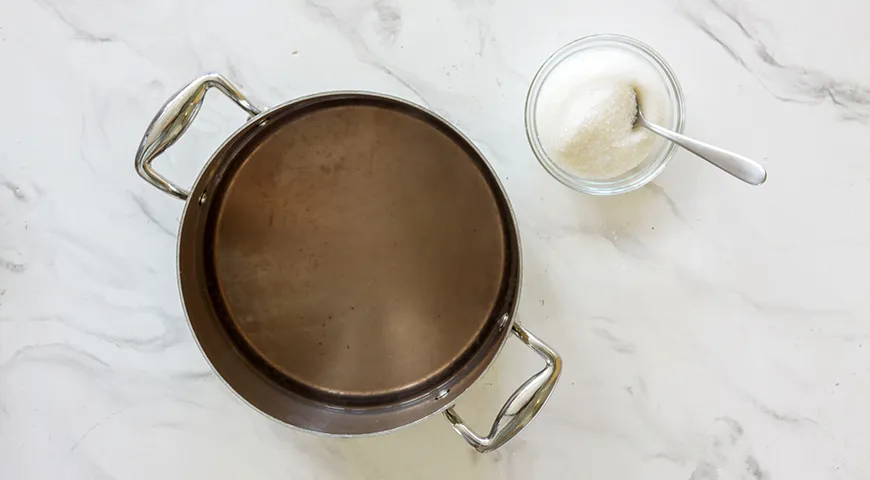
After 20 minutes, pour the liquid from the jars back into the pot. Add 150 g of sugar per jar (total 750 g) and stir until dissolved. Bring the syrup to a full boil.
Step 6: Final Fill and Seal
Pour the hot syrup over the berries in each jar, leaving about 1 cm headspace. Wipe rims clean, apply lids, and tighten screw bands. Invert the jars onto their lids (if using two‑piece lids) and wrap again. Let cool completely for 24 hours at room temperature. Store in a cool, dark place. The compote will keep for up to 1 year. An undercounter ice maker is perfect for serving chilled compote.
Pro Tips for Perfect Compote
- Always use ripe but firm berries—overripe fruit can turn mushy.
- For a clearer syrup, strain the liquid through a fine‑mesh sieve before boiling with sugar.
- If you prefer a less sweet drink, reduce sugar to 120 g per jar. The compote will still preserve well.
- Invest in a quality food processor for nut butter for other kitchen tasks, but for compote, hands‑on preparation is best.
- Check seals after 24 hours—press the center of each lid; it should not pop up.
Delicious Variations to Try
Experiment with adding a strip of lemon zest, a cinnamon stick, or a few cloves to each jar before sealing for a spiced version. For a berry blend, replace half the cherries with blackberries or raspberries. You can also use this base syrup for other stone fruits like plums or apricots. A coffee maker for Airbnb might be your morning companion, but compote is a delightful afternoon refreshment. For a low‑sugar option, try using a best oil sprayer to lightly coat berries before roasting—though that is a different technique entirely.
Frequently Asked Questions
Can I adjust the sugar amount?
Yes, you can safely reduce sugar to 100 g per litre jar. The acidity of the fruit and the hot processing method still provide preservation, but the compote will be less sweet. For a touch of natural sweetness, consider using organic vodka in small amounts for a spiked version—though that alters the character.
How long does homemade compote last?
Stored in a cool, dark place (below 20°C), properly sealed compote will remain delicious for up to 1 year. Once opened, refrigerate and consume within 5 days.
Can I use frozen cherries instead of fresh?
Absolutely. Aim to use frozen berries without added sugar. Thaw them first and drain excess liquid to avoid diluting the syrup. Frozen fruit may require slightly longer steeping time. An refrigerant leak detector ensures your freezer runs efficiently, preserving fruit quality.
What if I don't have a canner or large pot?
You can still make compote without a dedicated canner. Use a large stockpot with a rack at the bottom, or simply process the jars in a deep pot with boiling water, ensuring they are fully submerged. A commercial countertop convection oven is overkill, but it can be used for dry sterilization of jars.
Can I make a no‑sugar version?
Yes, but the compote will be more tart and may not preserve as long. For a sugar‑free compote, you must process jars in a pressure canner to ensure safety. Consult a trusted source like this guide for pressure canning methods. Pair with a chocolate‑covered raisins snack for a sweet contrast.







