


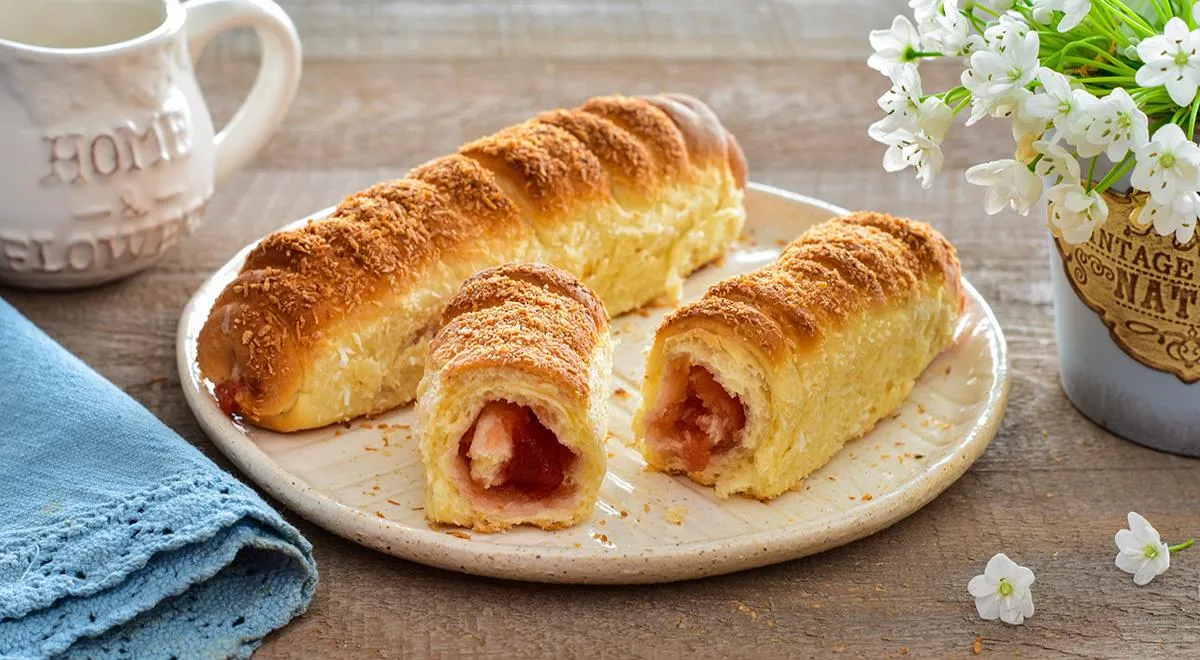
There is something deeply satisfying about a tender, yeasted bun filled with sweet preserves and finished with a crisp coconut crust. These buns with jam and coconut hail from the Russian baking tradition, where povidlo (fruit jam) is a pantry staple and coconut flakes add an exotic touch. Perfect for breakfast or an afternoon snack, they pair beautifully with coffee, tea, or a cold glass of milk. The dough uses a sponge (pre-ferment) for exceptional softness, while the filling combines raspberry jam with toasted coconut. Follow this detailed guide to create bakery-quality buns right in your own kitchen.
About the Recipe
This recipe yields eight generously sized buns with a characteristic spiral shape. The dough is enriched with butter and milk, resulting in a rich, pliable texture. The sponge method develops complex flavors over an overnight fermentation, though you can also use a quick yeast approach if pressed for time. The coconut coating adds a lovely crunch against the soft crumb. If you love experimenting with doughs, consider using a best planetary mixer to handle the kneading effortlessly. For the filling, any thick fruit jam works, but raspberry or apricot are classic.

Ingredients
For the sponge:
- Coconut flakes – 30 g
- Wheat flour (premium grade) – 105 g
- Water (room temperature) – 55 g
- Sugar – 15 g
For the dough:
- Wheat flour (premium grade) – 230 g
- Sugar – 20 g
- Salt – 4 g
- Milk (room temperature) – 165 g
- Unsalted butter, softened – 20 g
For assembly:
- Butter for greasing the pan
- Water – 2–3 tbsp
- Extra coconut flakes for coating
For the filling:
- Raspberry jam (or other fruit jam) – about 150 g
- Coconut flakes – 30 g (mixed into jam)
Step-by-Step Instructions
- Make the sponge. Mix all sponge ingredients into a stiff dough. Place in a bowl, cover, and let ferment at room temperature for 6–8 hours (or overnight).
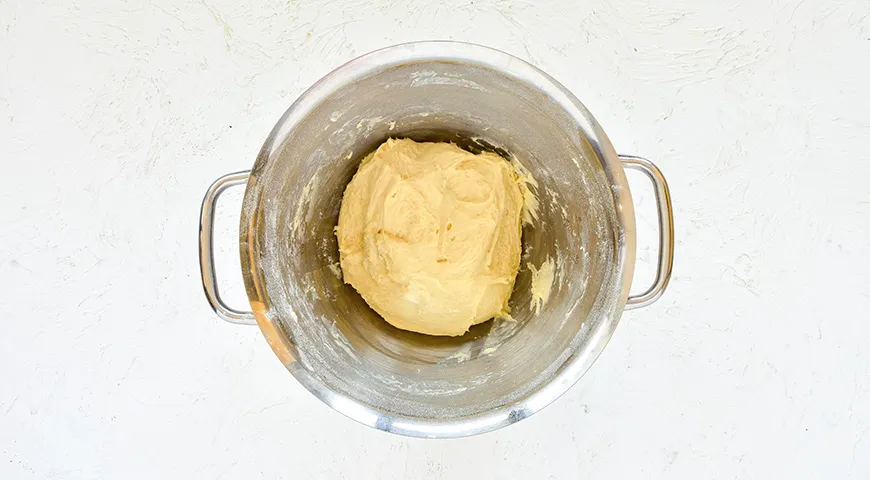
- Combine sponge with dough ingredients. Add the fermented sponge to the remaining dough ingredients except butter. Knead until smooth. A best glass food processor can help achieve a silky dough quickly.

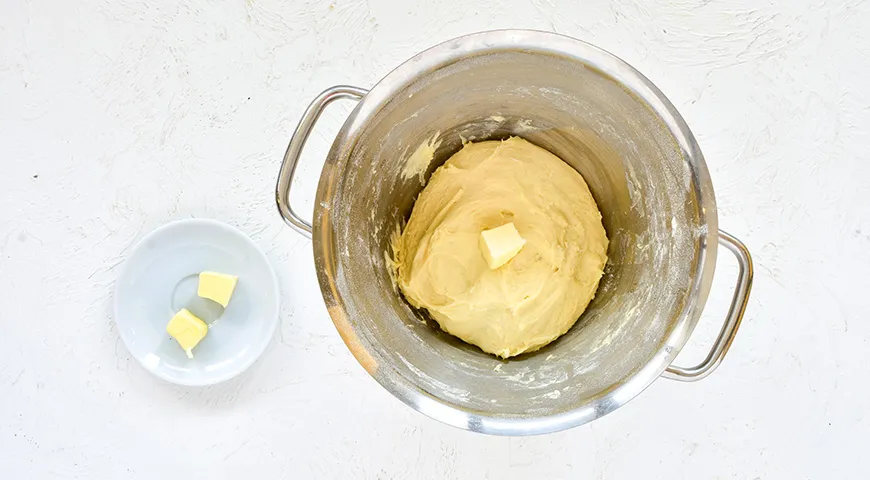
- Add butter. Incorporate the softened butter in three additions, kneading well after each. The dough should become glossy and elastic. Transfer to a bowl, cover, and let rise for 2 hours at 24–26°C. Punch down halfway through.
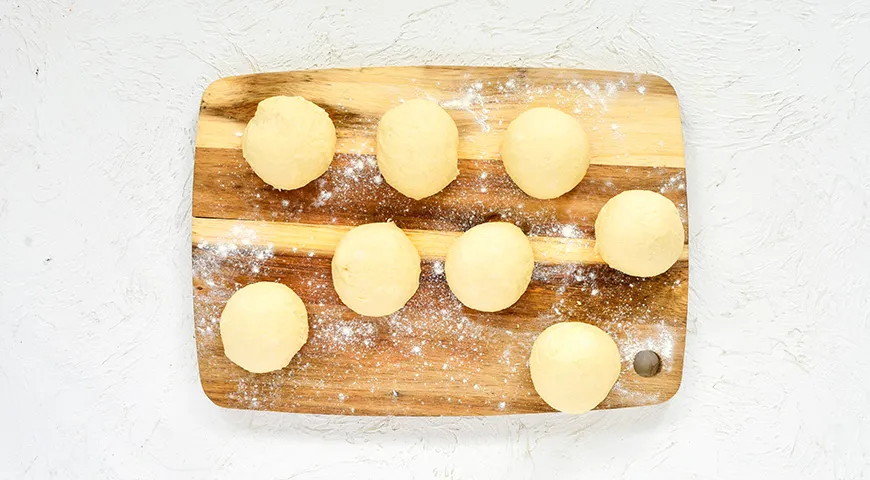
- Divide and rest. Divide the dough into 8 equal pieces. Roll each into a ball, cover, and let rest for 15 minutes.
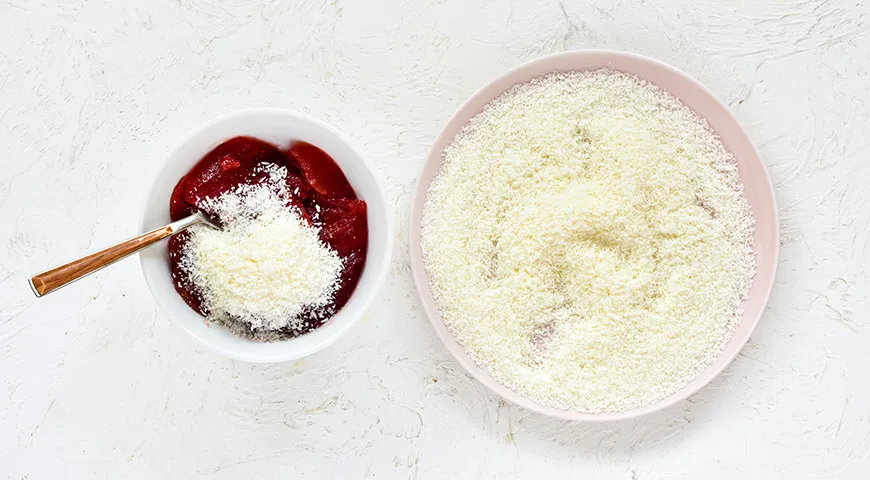
- Prepare filling and pan. Mix the raspberry jam with 30 g coconut flakes. Grease a 20×30 cm baking dish with butter. Place extra coconut flakes in a wide bowl.
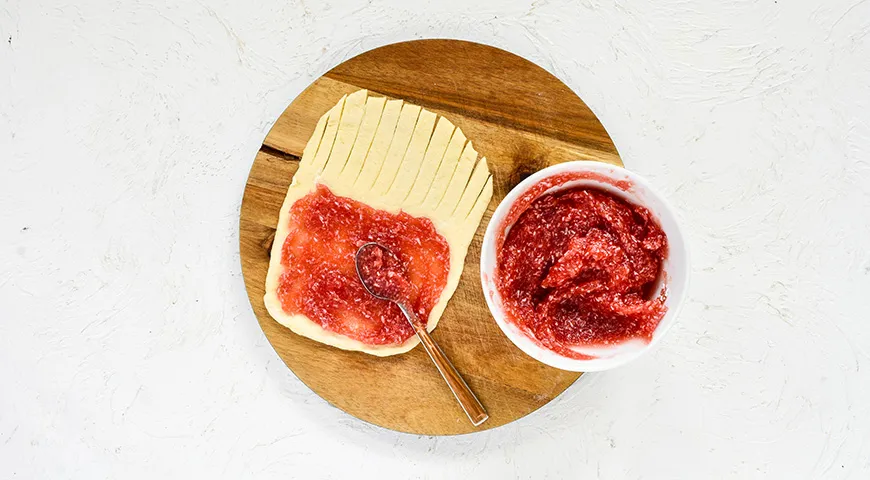
- Shape the buns. Roll each dough piece into a narrow rectangle about 5 mm thick. Spread the jam filling over two-thirds of the rectangle. On the remaining third, cut 5 mm wide strips using a bench scraper or knife. For precise cuts, a best food processor for nut butter is not needed here, but a sharp blade helps.

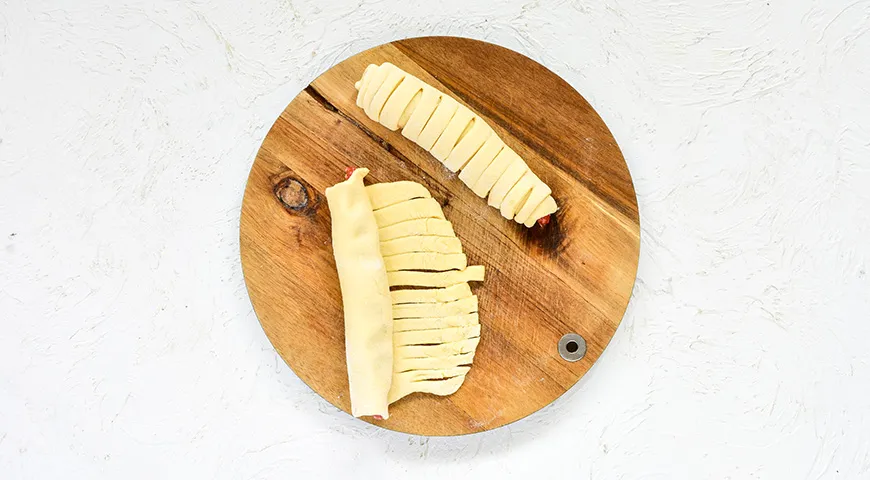
- Roll up. Roll the filled part into a log, allowing the strips to remain on top. Pinch the seam gently.
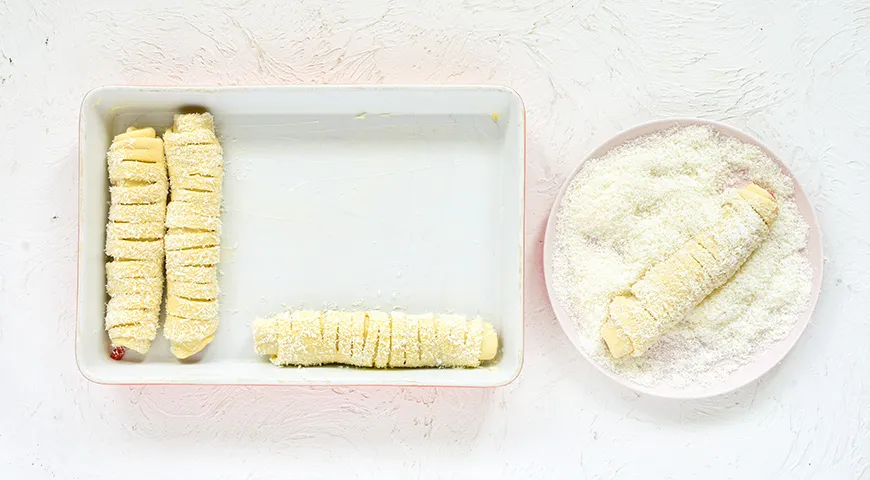
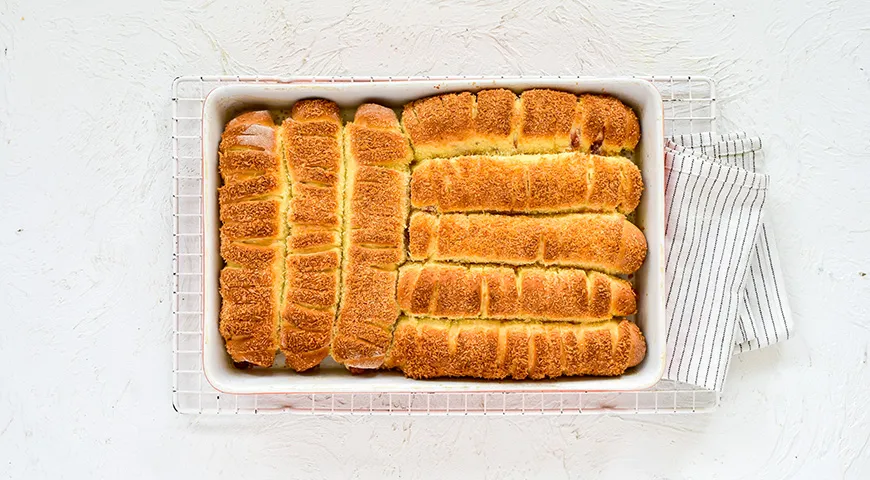
- Add coconut coating. Brush the buns with water, then dip the top into the extra coconut flakes. Place two buns along the short side of the dish and four along the long side (arrange in two rows).
- Proof and bake. Cover the dish and let the buns proof for 60–75 minutes at 24–26°C. Meanwhile, preheat the oven to 180°C. Bake for 20–25 minutes until golden brown.
- Cool and serve. Cool the buns in the pan on a wire rack for 15 minutes, then turn out onto a kitchen towel and flip back onto a board. Serve warm or at room temperature. A quality espresso machine makes a perfect pairing.
Tips for Perfect Buns
- Use a non-toxic air fryer as an alternative baking method: set to 160°C and check after 15 minutes.
- For a shiny crust, brush with a mixture of egg wash and milk before baking.
- Ensure your yeast is fresh; the sponge should be bubbly and fragrant after fermentation.
- If the dough feels too sticky, add flour one tablespoon at a time, but avoid over-flouring.
- Let the buns cool completely before storing in an airtight container for up to three days.
Variations
Experiment with fillings: try apple butter, chocolate hazelnut spread, or poppy seed paste. For a tropical twist, add crushed pineapple to the jam. Substitute coconut flakes with sesame seeds or chopped nuts. For a vegan version, use plant-based butter and milk. Chocolate-covered raisins tucked inside create a delightful surprise. If you prefer a soft top, skip the coconut coating and sprinkle with powdered sugar after baking.
Frequently Asked Questions
Can I use dry yeast instead of a sponge?
Yes. Use 7 g of instant yeast mixed directly with the flour and liquid; reduce the first fermentation to 1–2 hours. The flavor won't be as deep, but the microwave pressure cooker can speed up proofing if needed.
Why did my buns turn out dense?
Common causes: over-kneading, under-proofing, or expired yeast. Ensure your kitchen temperature is around 24°C. Use a refrigerant leak detector to check for cold drafts that might slow rising.
Can I freeze these buns?
Absolutely. After baking and cooling, wrap individually in plastic and freeze for up to 2 months. Reheat in a wall oven microwave combo with air fryer at 150°C for 5 minutes.
What jam works best?
Thick, low-moisture jams like raspberry, apricot, or cherry prevent sogginess. Avoid overly runny preserves. If your jam is thin, cook it down slightly before using. Best steam canner for homemade jams ensures perfect consistency.
How do I get the coconut to stick better?
Brush with water or milk generously. You can also dip the buns in a light sugar syrup after proofing for extra stickiness. An oil sprayer can mist the buns evenly.
These buns with jam and coconut are a celebration of texture and flavor. The interplay of soft yeast dough, sweet-tart jam, and crunchy coconut makes every bite memorable. Whether you serve them at a brunch gathering or enjoy one with your afternoon coffee, they embody the warmth of home baking. For more inspiration, explore our guide on Catalan sponge cake or try organic vodka for a sophisticated pairing. Happy baking!







