


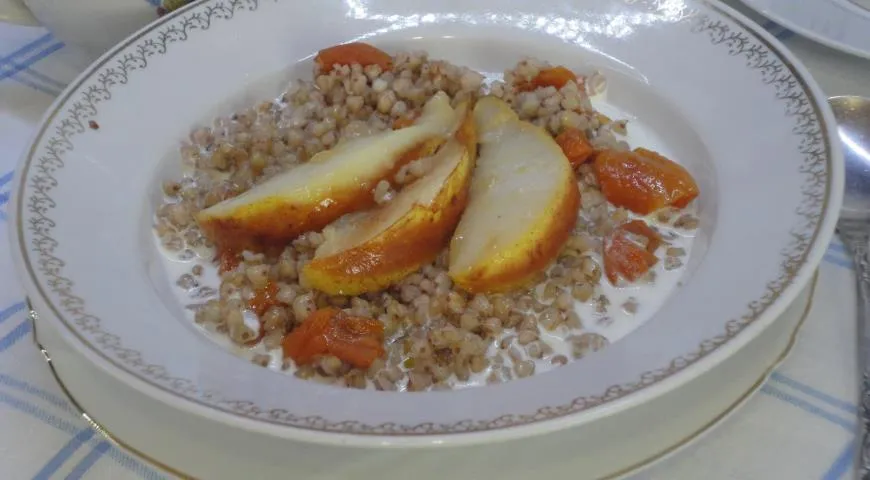
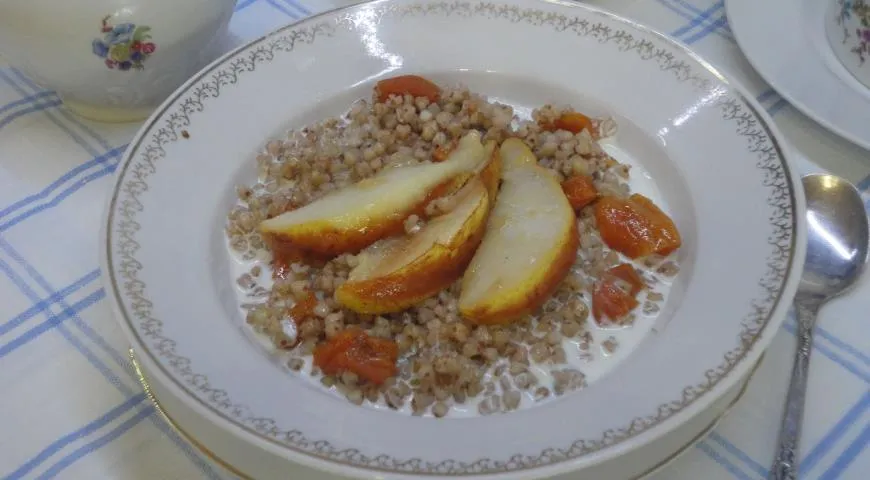
There is something deeply comforting about a bowl of warm buckwheat porridge, especially when it is topped with glossy, caramelized pears. This Russian-inspired recipe transforms humble ingredients into a breakfast that feels both rustic and refined. The nutty earthiness of toasted buckwheat pairs beautifully with the sweet, buttery pears and chewy bits of dried apricot. Whether you are looking for a cozy weekend morning dish or a naturally gluten-free dessert, this porridge delivers on every level. The secret lies in toasting the groats before cooking—it releases a deep, almost smoky aroma that sets the stage for the fruit. Follow along to create this elegant yet simple dish in your own kitchen.
About This Dish
Buckwheat, known in Russian as grechka, is a staple of Eastern European cuisine. Unlike many grains, it is actually a seed, rich in fiber, protein, and minerals. This recipe from Gastronom.ru elevates everyday buckwheat porridge into a sweet treat by adding dried apricots and caramelized pears. The dried apricots simmer with the buckwheat, infusing every spoonful with fruity sweetness, while the pears are sautéed in butter and brown sugar until they become tender and golden. The final touch of extra butter (or olive oil for a lean version) enriches the porridge, making it luscious without being heavy. For those who enjoy a touch of cream, a splash of heavy cream at the end adds velvety richness. This dish works beautifully for breakfast, brunch, or even a light dessert. If you love exploring grain-based sweets, you might also enjoy our Catalan sponge cake for another unique treat.

Ingredients
- 2 tablespoons (30 g) unsalted butter, divided (or olive oil for a vegan version)
- 1 cup (200 g) raw buckwheat groats
- 1/3 cup (50 g) dried apricots, chopped
- 480 ml hot water
- Pinch of salt
- 2 ripe but firm pears (such as Bosc or Conference)
- 1 tablespoon (15 g) brown sugar
- Optional: heavy cream or plant‑based cream for serving
Step‑by‑Step Instructions
Step 1: Prepare the dried apricots and buckwheat
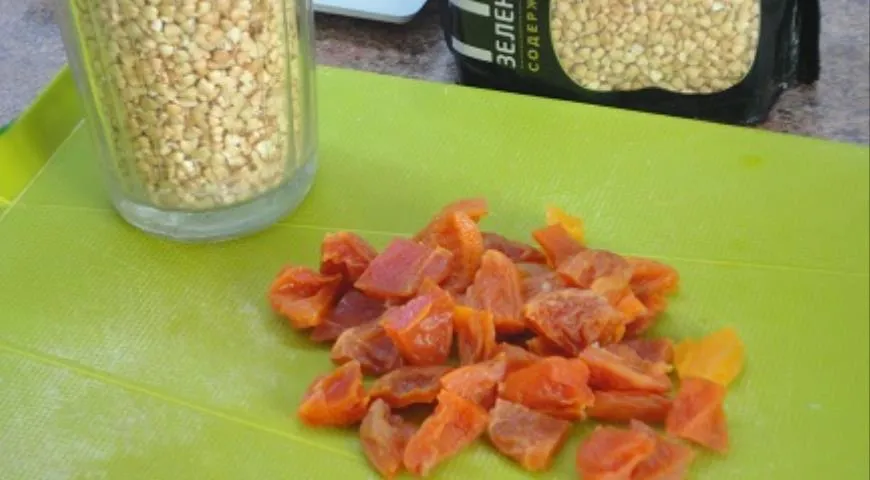
Chop the dried apricots into small pieces. Rinse the buckwheat groats thoroughly under cold water, then spread them on a paper towel to dry completely. For even cutting, you can use a glass food processor to dice the apricots quickly and uniformly.
Step 2: Toast the buckwheat and cook with apricots
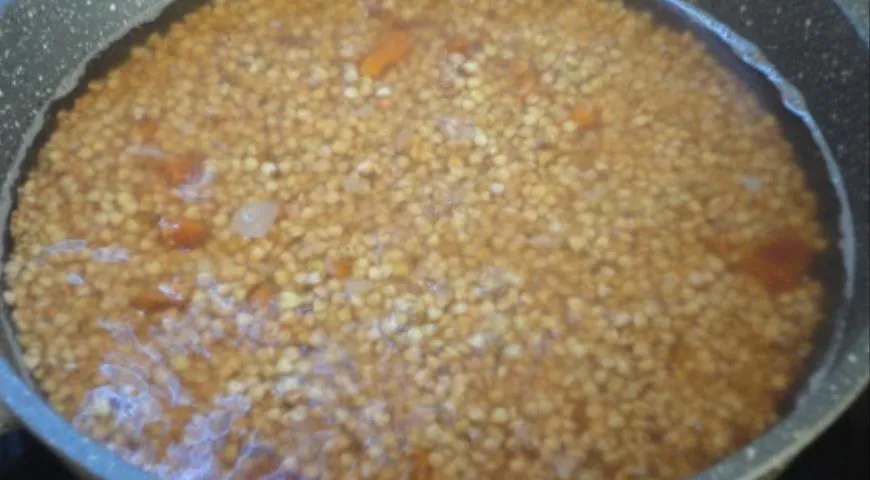
Place a dry skillet over medium heat and add the dried buckwheat. Toast for 2 minutes, stirring frequently, until it becomes fragrant and slightly darker. Add the chopped dried apricots and pour in the 480 ml hot water. Add a pinch of salt to balance the sweetness. Cover the pan, reduce the heat to low, and let it simmer until the buckwheat is tender and the water has been absorbed—about 12–15 minutes. For a more even toasting, you can use a commercial countertop convection oven to toast the groats before transferring them to the pan.
Step 3: Caramelize the pears
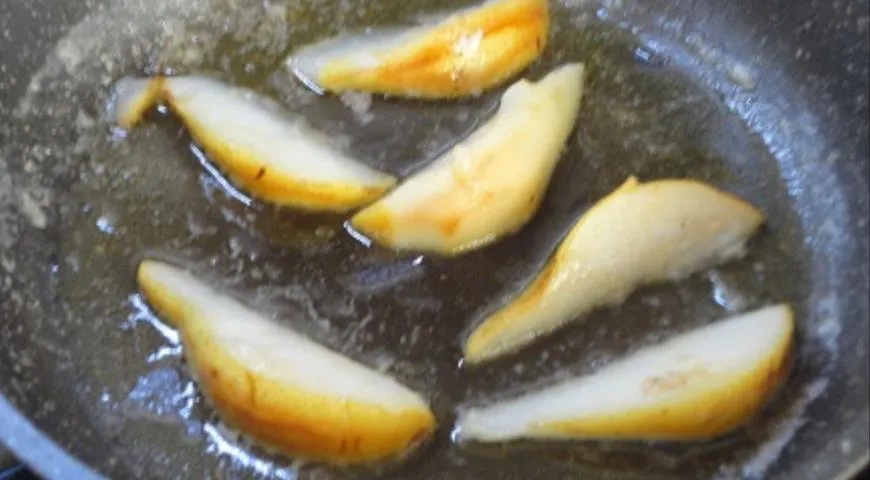
While the buckwheat cooks, prepare the pears. Cut each pear into wedges and remove the core. In a separate skillet, melt 1 tablespoon (15 g) of butter (or olive oil) over medium heat. Add the pear wedges and sprinkle with the brown sugar. Cook for 3–4 minutes, turning gently, until the pears soften and the sugar melts into a golden caramel. An air fryer can also caramelize the pears nicely; cook at 180°C for 5–6 minutes. For a flambé touch, deglaze the pan with a splash of organic vodka and ignite carefully—the alcohol burns off, leaving a delicate floral note.
Step 4: Combine and serve
Once the buckwheat is cooked, stir in the remaining 1 tablespoon (15 g) of butter (or olive oil). Taste and adjust seasoning. Serve the porridge in bowls, top with the caramelized pears, and drizzle any leftover caramel from the pan over the top. For extra indulgence, add a splash of cream. If you prefer a smoother texture, blend half the porridge with an immersion blender before serving. This creates a creamy base while leaving some grain intact. A sprinkle of chocolate-covered raisins makes a delightful garnish.
Tips for Perfect Buckwheat Porridge
- Always toast the groats to unlock their nutty flavor. A dry pan is best, but you can also use a wall oven microwave combo with a convection setting for even browning.
- Use just‑ripe pears that hold their shape during cooking. Overripe pears will turn mushy.
- For an ultra‑fast version, cook the buckwheat in a microwave pressure cooker—it cuts the cooking time by half.
- If you are making a larger batch, store leftovers in an airtight container in a built-in refrigerator for up to three days. Reheat with a splash of water or milk.
- To distribute the butter evenly, use a quality oil sprayer; it also works for oiling the pan before caramelizing.
Variations
This recipe is wonderfully adaptable. Swap the pears for apples, plums, or even persimmons in season. Replace dried apricots with prunes, figs, or raisins. For a vegan version, use olive oil instead of butter and skip the cream. You can also make the porridge savory by omitting the sugar and adding sautéed mushrooms and thyme. A drizzle of sweet wine reduction over the finished dish adds an unexpected complexity. If you enjoy experimenting with grains, try this porridge with millet or quinoa.
Frequently Asked Questions
Can I use pre‑toasted buckwheat?
Yes, but the flavor will be milder. Toasting raw groats yourself gives a deeper, more aromatic result. If your buckwheat is already toasted, skip the toasting step.
How do I make this dish gluten‑free?
Buckwheat is naturally gluten‑free, so this recipe is already suitable for gluten‑free diets. Just ensure your dried apricots and other ingredients are certified gluten‑free if you have celiac disease.
Can I prepare the caramelized pears ahead of time?
Absolutely. Cook the pears, let them cool, and store in an airtight container in the refrigerator for up to two days. Reheat gently in a skillet or microwave before serving.
What can I use instead of brown sugar?
Coconut sugar, maple syrup, or honey work well. For a lower‑glycemic option, use erythritol or monk fruit sweetener.
Is this porridge suitable for a vegan diet?
Yes—simply use olive oil in place of butter and choose plant‑based cream. The dish remains just as delicious.
How can I serve this beyond breakfast?
This porridge makes a lovely dessert when served warm with a dollop of whipped cream or a scoop of vanilla ice cream. For a brunch spread, pair it with freshly brewed coffee from a reliable coffee maker or an espresso for a bold contrast. For a cool drink on the side, make ice from an undercounter ice maker and serve iced water. And if you crave a specialty coffee, consider George Howell coffee to complement the sweet fruit.







